Posts Tagged With: JWB

John Wilkes Booth and his Conspirators

Here’s my own addition to the conspirator collage family.


John Wilkes Booth and his Conspirators

There are two well known compilation images of the conspirators. One is the “Ring of Conspirators” which is featured in the Benn Pitman version of the trial transcript.

Ring of Conspirators

The other is a CDV image entitled, “Booth & his Associates”

Booth and His Associates

I took my inspiration from this latter image but made sure to add all of those tried for conspiracy in Lincoln’s assassination, including Dr. Mudd.

Categories: Uncategorized | Tags: , | 8 Comments

New Gallery – John Wilkes Booth Photographs

“…Would you be kind enough to ask Case to send me without a moment’s delay one dozen of my card photghs. The ones I want are those seated, with cane & black cravat He knows the ones I liked the best…This is very important As there are several parties whom I would like to give one.”
– Letter from John Wilkes Booth to Orlando Tompkins dated February 9th, 1865

Before assassinating President Lincoln, John Wilkes Booth was already a famous man. He was a leading actor of the American stage and his face was well known to a generation of theater goers. He was a handsome man, even being called the “handsomest man in Washington” in the hours leading up to the assassination. Women swooned over his looks and photographs of him were sought after. Booth not only gave photographs of himself as gifts and remembrances, but photographers and gallery owners sold his image to the public. After Booth assassinated Lincoln, demand for his picture increased by a factor of ten. Newspapers were full of advertisements offering the sale of his picture:

This slideshow requires JavaScript.

Secretary of War Edwin Stanton and others in the government likely found this clamoring for the assassin’s picture shameful and so, on May 2nd, the Middle Department of the Army issued a general order essentially banning the sale of Booth’s image in Washington and Maryland:

“The sale of portraits of any rebel officer or soldier, or of J. Wilkes Booth, the murderer of President Lincoln, is forbidden hereafter in this department. All commanding officers and provost-marshals are hereby ordered to take possession of such picture wherever found exposed for sale, and report the names of the parties so offending, who will be liable to arrest and imprisonment if again guilty of a violation of this order.”

Gutman 21 KillerSale of Booth’s photographs outside of this department’s jurisdiction continued and, by May 26th, this order was rescinded and images of Booth were allowed to be sold in Washington again.  Soon, carte-de-visites, or small card photographs, of Lincoln’s assassin filled album books nationwide.  Some were appropriately defaced like the one at right while others were kept by silent sympathizers.

In 1979, authors Richard and Kellie Gutman published the book, John Wilkes Booth Himself.  By working with many private collectors and institutions, the Gutmans had identified and collected all the known images of John Wilkes Booth and published them together in a volume.  The book contained 44 images. Four of them are of illustrations or paintings based on a photo and one image, Gutman 1, has been proven not to be of Booth but rather of a friend of his, Richard M. Johnson.  This leaves the book with 39 photographs of John Wilkes Booth.  The Gutmans’ book is rare and highly sought after today as only 1,000 copies were printed in 1979.  Since the release of their book, other photographs have been discovered of John Wilkes Booth.  There are also small variations on the known photographs that can be found due to the type of camera used (stereoscopic) and small movements Booth made during a particular sitting of certain pose.  The numeration given by the Gutmans in their book is the most common way to organize and differentiate between Booth’s many photographs.

The newest Picture Gallery here on BoothieBarn contains the photographs of John Wilkes Booth organized by Gutman number.

The images come from a variety of sources with the bulk of them stemming from online auctions.  While sites like eBay can provide a nice showcase of original Booth images, they are also ripe with laughable images of mustachioed, curly haired gentlemen “proven” to be Booth.  Most of these fakes are ignored but, occasionally, they attract far sighted fools and bring their crafty sellers a payday.  The images in the John Wilkes Booth Photographs Picture Gallery are established and universally agreed upon images of Booth.

Click here to visit the new John Wilkes Booth Photographs Picture Gallery.

References:
John Wilkes Booth Himself by Richard and Kellie Gutman
“Right or Wrong, God Judge Me” The Writings of John Wilkes Booth edited by John Rhodehamel and Louise Taper

Categories: Uncategorized | Tags: | Leave a comment

“That ghastly errand”

Some of the misinformation that exists out there regarding John Wilkes Booth’s death is the idea that the Booth family never identified his body.  Conspiracy theorists use this incorrect idea to support their opinion that the man buried in the unmarked grave in the Booth family plot at Green Mount Cemetery is not Lincoln’s assassin.  Like so much of the conspiracy theorists’ “evidence”, however, the truth easily dismisses the myths.  The family did identify the body and they had no doubt in their minds as to who it was.  In fact, during the time prior to Finis Bates’ conspiracy book about John St. Helen and David E. George, setting the record straight about the matter of identification didn’t even focus on John Wilkes.  The following is a letter written by Edwina Booth Grossman, Edwin Booth’s daughter, to the editor of the Century Magazine, R. W. Gilder.  In it, she requests that Gilder put something in print to set the record straight about which family member identified Wilkes’ remains.  I find it humorous that, back then, the “controversy” was not about John Wilkes Booth’s body, but rather which Booth claimed him.

The Arlington
Washington, D.C.

July 10, 1909

Dear Mr. Gilder,

May I ask you to kindly correct a statement which has recently appeared in print viz, that my father went to Washington to identify the body of his brother John Wilkes when it was disinterred from beneath the Arsenal.  I once asked my father if he had seen his brother’s body and he emphatically replied that he had sent his brother Joseph on that ghastly errand.  This may not be of sufficient importance to the public at large, but as it means much to me, I am naturally anxious that a correct version of the incident be published.  My father also told me that he never set foot in Washington since the day he was summoned thither by the authorities and courteously detained but a short time while giving testimony under oath as to his ignorance or knowledge of his brother’s crime.  That having satisfied his inquisitors he was allowed to return at once to his broken hearted mother and to his home in New York.  That is all the information I ever sought from my father on this painful subject.

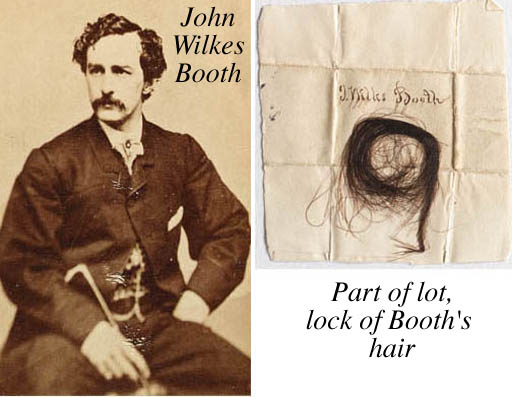
It may interest you to know that I found among my dear father’s private papers an envelope containing a lock of hair and a note on which were written the following lines:

“John Wilkes Booth’s hair cut by my brother on board the U.S.S. ‘Montauk’ at Washington, D.C., my brother William being in command of that vessel when Booth’s body was brought on board the ‘Montauk’.”
Signed
“Mary R Crowninshield”

I have never heard of the lady in question and wonder if she is still alive! Perhaps you can inform me?

I am grateful that my beloved father is spared the anguish which the approaching Centenary of Abraham Lincoln would most assuredly have awakened in him.  Although the tragedy of those awful days is scarcely within my recollection it has brought sorrow even unto the third generation and in these days of my enforced residence in Washington I am also sitting ‘within the shadow’

Believe me, dear Mr. Gilder

Most sincerely yours

Edwina Booth Grossman

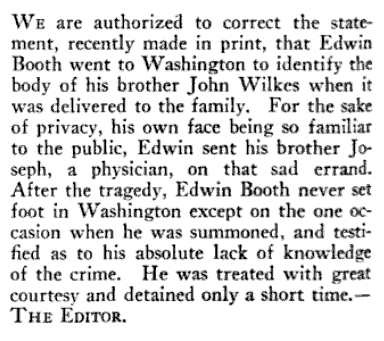
Mr. Gilder fulfilled Edwina’s wishes and, in the April, 1909 edition of Century Magazine, at the end of an article about Edwin Booth and Lincoln, he published this note:

Gilder's note for Edwina concerning Joe identifying Wilkes

Also, back in 2000, this letter, along with the lock of Wilkes’ hair Edwina mentions, were sold at auction by Christie’s for $35,250.

Grossman Crowninshield JWB hair lock

References:
James O. Hall Research Papers
Century Magazine (April, 1909)
Christie’s

Categories: Uncategorized | Tags: , | 19 Comments

In Memory of Art Loux

On December 29th, 2013, the world lost an unmatched historian by the name of Arthur F. Loux.
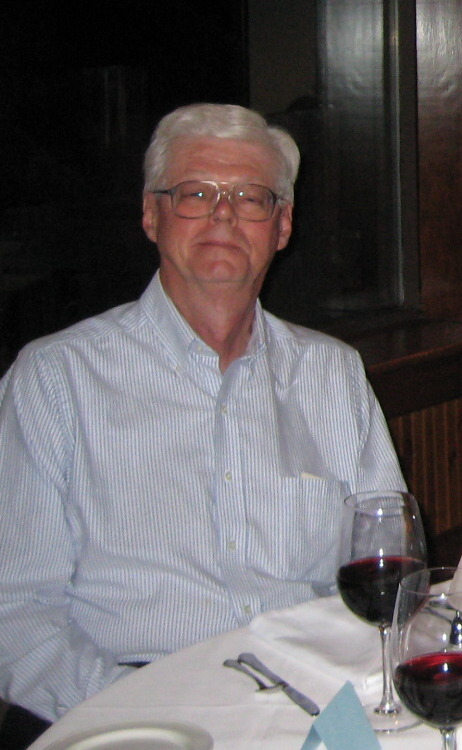
Art Loux

To those who knew and corresponded with Art, he needs no introduction.  Art was an original “Boothie” of the highest order.  You’ll find his name in the acknowledgement and reference sections of several imminent assassination books including, American Brutus by Michael Kauffman, Blood on the Moon by Edward Steers, and Manhunt by James Swanson.  Art’s encyclopedic knowledge on John Wilkes Booth was due to his decades long work of meticulously chronicling the assassin’s life.  In 1990, he privately published his manuscript, entitled John Wilkes Booth: Day by Day.  Rather than selling his work, he selflessly presented the 12 copies his work as gifts to his fellow colleagues and friends.  Since that time, Art’s manuscript has proven to be one of the most sought after resources and references for assassination authors.  The copy of his manuscript at the James O. Hall Research Center is one of the most well loved and consulted books in the collection.

Art had a deep interest in the living Abraham Lincoln as well and was well versed in the histories of many Civil War generals.  He was one of the founding members of the Lincoln Group of New York and served as the group’s first secretary.  Upon his relocation to Kansas, Art was very active in the Lincoln Club of Topeka, serving in a variety of positions.  Art loved to travel and was a longtime “cemetery buff” taking pictures of countless historical graves all over the world.

Art Loux was also the most generous man I have ever had the honor to know.  Though we never met in person, over the last year and a half Art has graciously sent vital and important information about many of the subjects discussed here on BoothieBarn.  I found myself often referring to Art when I had a question that I couldn’t find an answer for.  I quickly came to admire this man who knew practically everything about Lincoln’s assassination.  When I asked about the early “Boothie” days and the first few Surratt Society Booth Escape Route Tours, Art sent me three DVDs filled with audio recordings.  The collection contained early narrations of the escape route from the “greats” like James O. Hall and Mike Kauffman, recorded speeches from a multitude of notable authors and researchers, and the practically “play by play” research conducted by Art, John C. Brennan, and others in archives and libraries.  I inhaled the recordings, hearing, for the first time, the voices of the men who laid the groundwork for today’s scholarship.  I expressed my deep appreciation to Art for the most generous gift. He replied back with the mantra that had been the guiding principle for the early Boothies, “the more one shares the more one learns.”

Art was instrumental to the development of the National Geographic special “Killing Lincoln” which aired back in February of 2013.  He sent the producer of the program, Erik Jendresen, a digital version of his book, JWB:DBD, which he never stopped working on.  His name is seen in the credits at the end of the show.  When Erik presented at the annual Surratt Society conference in March, he expressed how the show could not have been produced without Art’s help.  Art was not able to make it to the conference, but as I sat there listening to Erik’s accolades for him, I took out my cellphone and sent a short email to Art:

“Art,

I’m sitting here right now watching Erik Jendresen give his presentation and I wanted to let you know that Erik is singing your praises.  I wish you were here to appreciate how grateful he is to you.  Wonderful work, Mr. Loux.

Dave”

Art replied back to me the next morning with:

“Dave,

Thanks for your kind and thoughtful message.  Working with Erik was one of those peak experiences.

Art”

That was Art.  He was never one to toot his own horn or clamor for attention.  He was content knowing that he had helped another human being and had shared all that he could.

In June, Art asked for my address again stating that he had “something” to send me.  I happily provided him with it, anxious to receive anything from the man who had become the best teacher I had known.  In the mail I received a 16 gigabyte flash drive, without any sort of note as to its contents.  When I plugged it into my computer, I was speechless to discover that it contained the entirety of Art’s assassination archive.  Every letter, every page, every article that he possessed regarding the Lincoln assassination had been scanned, organized and archived.  I emailed him back in complete shock, thanking him for what is the most generous gift I have ever been given.  He replied back that there was no need to thank him as it was, “a joy for me to share this stuff.”  Though I’ve had the archive for six months, I’ve barely scratched the surface of the materials before me.  Thanks to Art, I found and visited the former home of conspirator, Samuel Arnold.  Thanks to Art, I was able to assemble a thorough accounting of what is known about John Wilkes Booth’s time at the Indiantown farm.  Thanks to Art, Booth’s forgotten sister Rosalie is less forgotten.  I will never be able to repay Art for the gift of knowledge he has bestowed on me.  But, like him, I will do my best to share as much of it as I can.  Every time you see “The Art Loux Archives” in the references section for a post, know that what you read is due to the generosity of this great man.

On December 27th, I (and many others in the assassination field) got an email from Art.  In it, he announced his success in signing a contract with McFarland Publishing to have his magnum opus, John Wilkes Booth: Day by Day published for the masses.  Art had never stopped working on his manuscript, revising, editing and adding to it since he published it privately in 1990.  We all wrote him back with our congratulations and our shared anticipation of the book’s unequivocal success.  For a man who had given so much to so many others over the years, we all knew he was more than deserving of the wide recognition the book would garner him.  Art passed away in his sleep two days later, having fought a long battle with a form of muscular dystrophy.  Art’s daughter, a respected historian herself, is finishing her father’s work and will ensure that it will be published per his wishes.

Art’s book will easily become the premiere resource for Lincoln assassination readers and researchers.  Of that, there is no doubt.  His death, right at the culmination of his life’s work, is nothing less than tragic.  Though he never sought it, Art Loux deserved to experience the public admiration that will accompany his book.  We, his friends and colleagues, mourn his loss deeply for he never got to experience the accolades he rightly earned.

I know that, as a public blog, many of those who will read this post will not have known Art.  Though you may know his name from his aforementioned book, it is impossible to accurately describe how special he was.  Over the last several days, I have tried my best to think of someway to portray him as more than a biography.  I decided the best way to attempt this was to share pictures, recordings, and writings of Art’s.  In this way it is hoped that even strangers who never knew him can start to understand and appreciate his amazing life.

Though John Wilkes Booth: Day by Day will stand as Art Loux’s most public achievement, the love he spread and the lives he touched demonstrate his greatest work.  He lived a life of generosity and humility.  I am honored to have known him. and I will strive to follow in his footsteps.

Art Loux in Photographs, Recordings and Writings
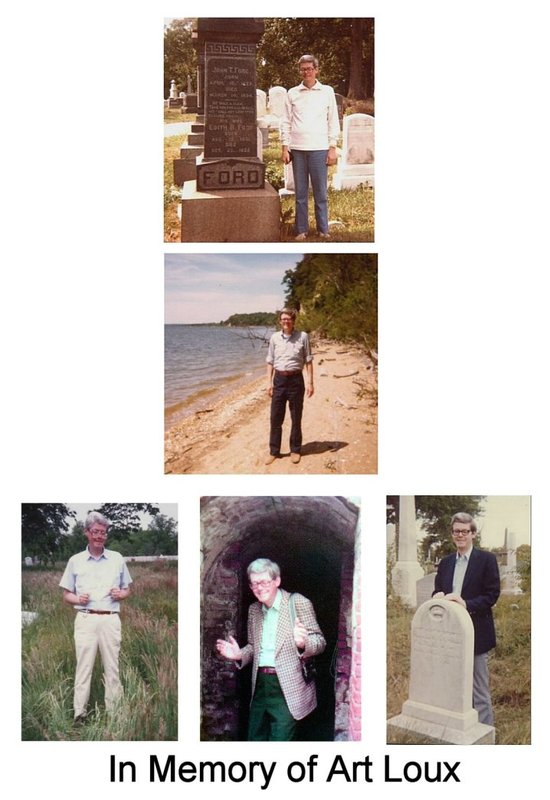
A collage of Art Loux created by his friend and fellow researcher, Betty Ownsbey.
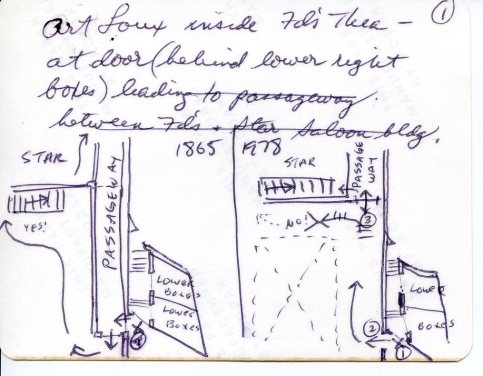
A collage of Art Loux created by his friend and fellow researcher, Betty Ownsbey.

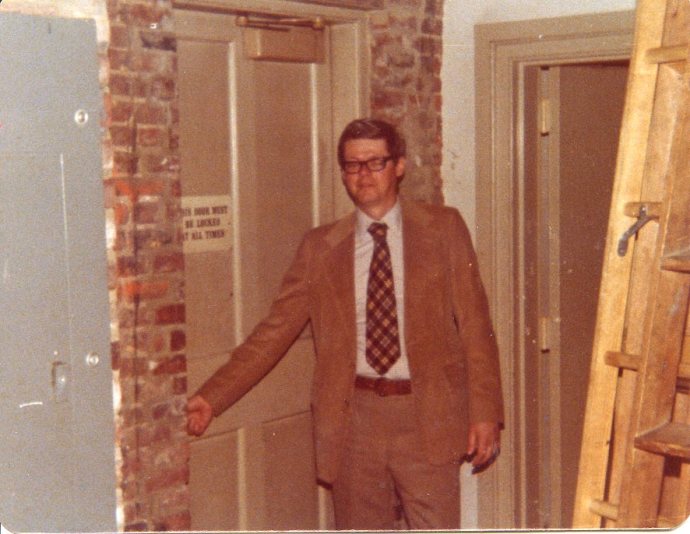
Loux at Ford's 1 Loux at Ford's 2

“The bus pulled away from the Surratt House early on a beautiful May day in 1977. The prospect of traveling Booth’s escape route filled me with anticipation. I had never met anyone else on the tour. As the bus bumped along from stop to stop, the passengers listened with rapt attention to James O. Hall, the tour guide, a venerable, white-haired gentleman with, as he described it, an Ozarkian accent. I soon found myself absorbed in interesting conversations on all variety of subjects with my seat-mate, a man somewhat older than I. The man was a bundle of energy. He passed pictures and descriptive sheets among the passengers. He seemed to know everyone on the bus. It seemed, within minutes, I had known John Brennan for years…I kept in touch with John after the tour. Soon my mailman began delivering daily letters overflowing with interesting items. Most often the letters contained information related, no matter how remotely, to the Lincoln assassination…Letters received by John were often disseminated to a large number of his correspondents. I felt I had arrived the first time John distributed one of my letters.” – Art Loux in his memorial about fellow researcher John C. Brennan

“Once I was taking pictures in back of Ford’s Theatre when the rear door opened. Someone obviously was giving a tour to Vincent Price who was then appearing at the theatre. Suddenly face to face with Vincent Price my warped mind quickly thought – he’s an actor, he’s coming out the rear door of Ford’s Theatre – so I said, “Did you shoot the President?” He looked at me like I was obviously deranged and shut the door without a word.” – Art Loux in an email to a friend
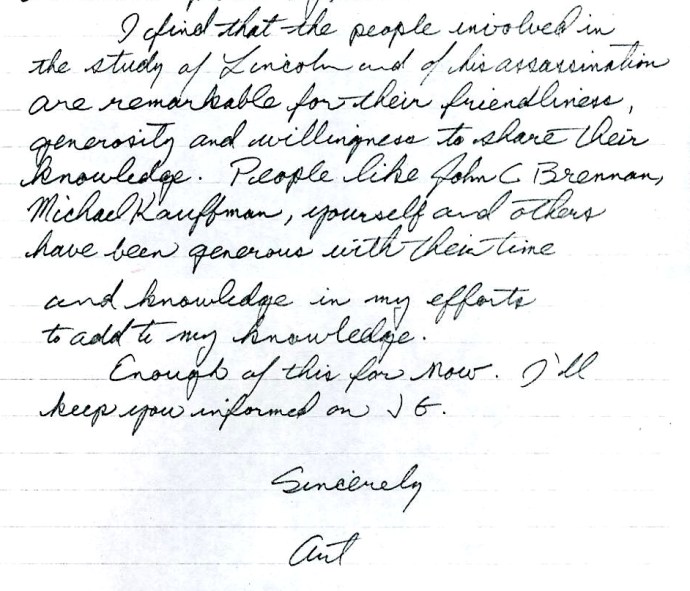
Art's letter 1977

Categories: Uncategorized | Tags: , | 6 Comments

Harper Goff’s Blood on the Moon

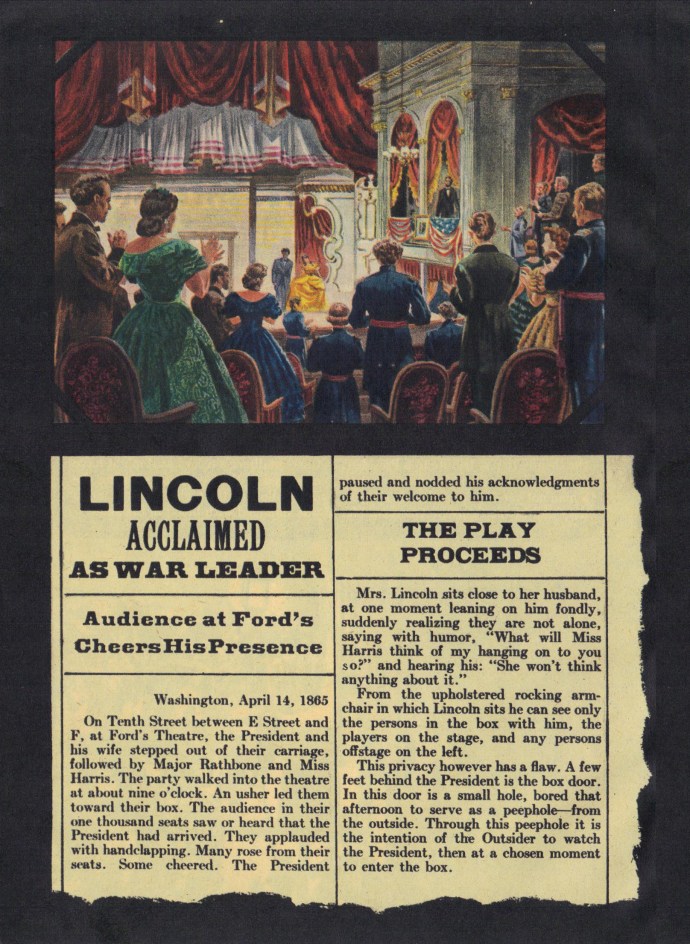
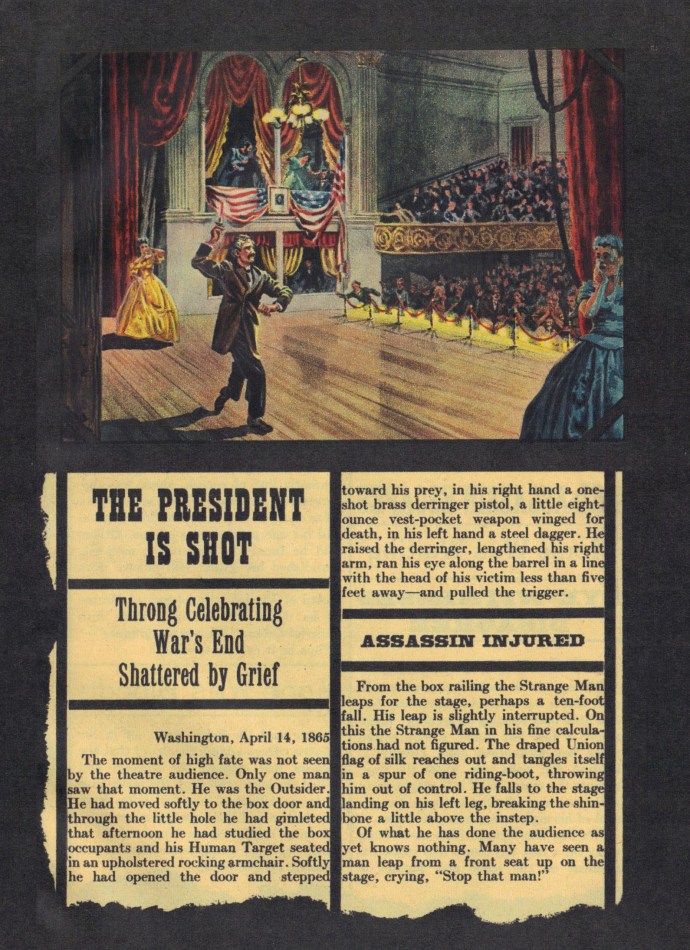
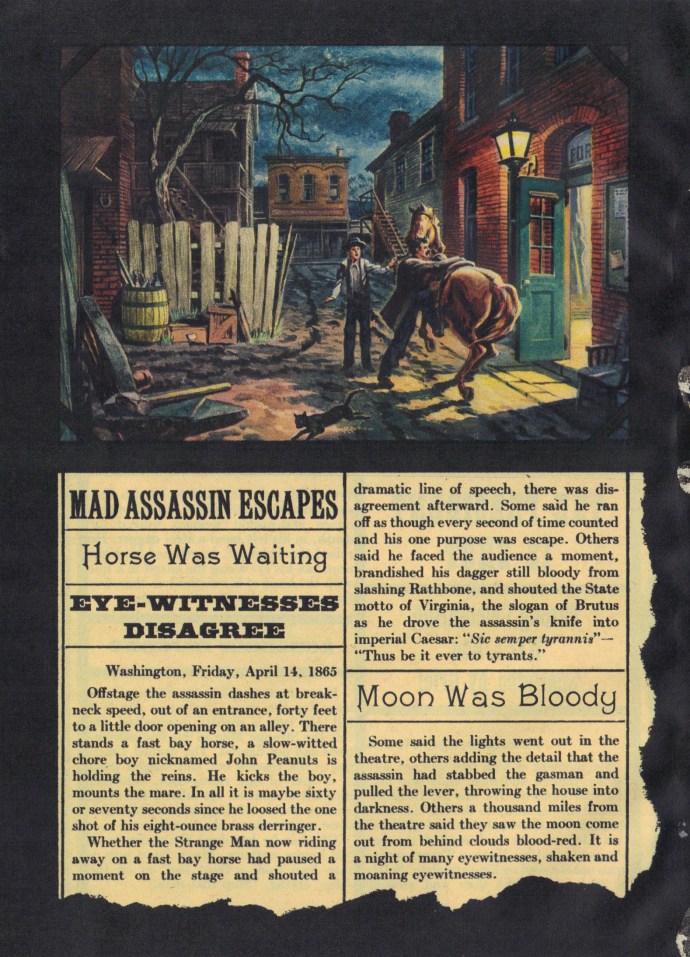
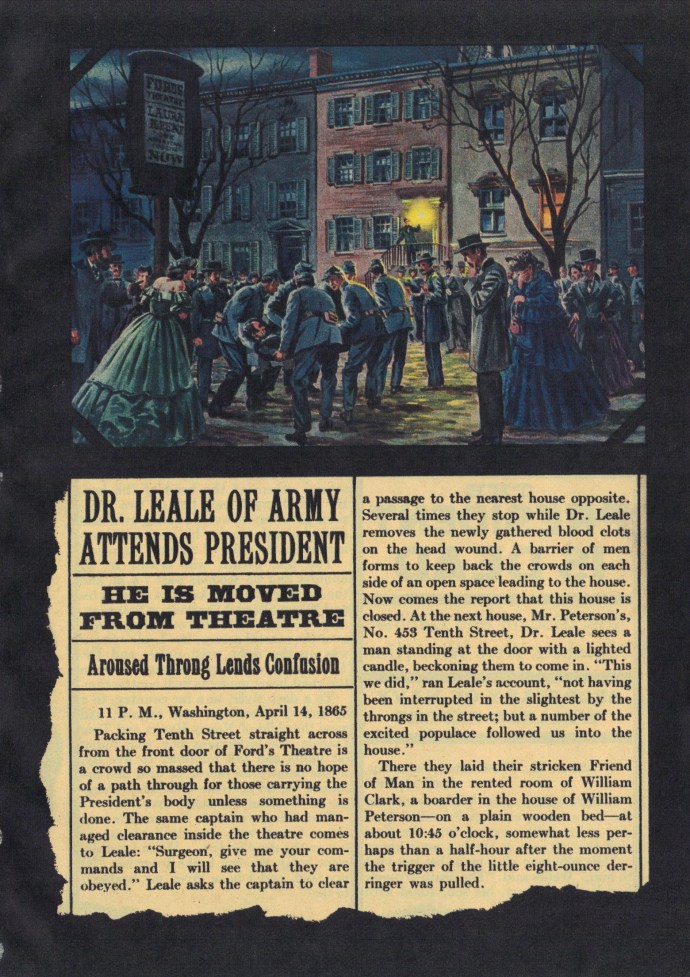
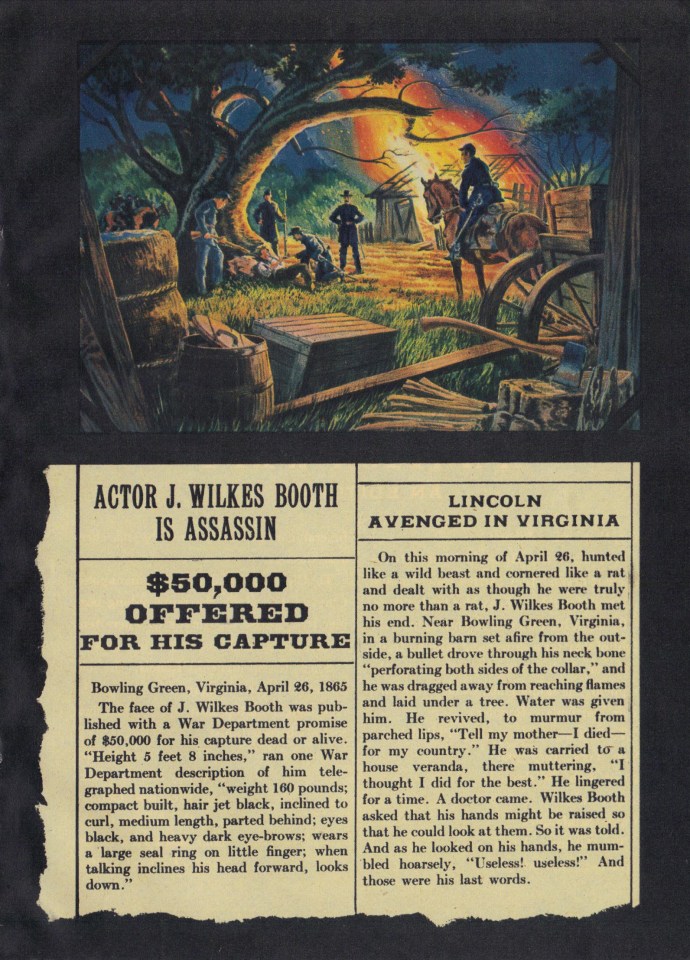
In the February of 1946 edition of Coronet (a Reader’s Digest like magazine), a condensed version of the Lincoln assassination story was published.  Entitled, “Blood on the Moon”, the brief, 8 page article was based on Carl Sandburg’s chapter of the same name in his biography of Abraham Lincoln.  While the article itself is little more than a rehash of the traditional story, the illustrations that accompany it are fairly impressive.  They were created by artist Harper Goff, who is known for his artistic direction for films such as the Walt Disney classic 20,000 Leagues Under the Sea and Willy Wonka and the Chocolate Factory.  What follows is the article from Coronet, featuring Sandburg’s text and Goff’s illustrations:

Blood on the Moon Goff 1

Blood on the Moon Goff 2

Blood on the Moon Goff 3

Blood on the Moon Goff 4

Blood on the Moon Goff 5

Blood on the Moon Goff 6

Blood on the Moon Goff 7

Blood on the Moon Goff 8

References:
“Blood on the Moon”, Coronet, February 1946,

Categories: Uncategorized | Tags: , | 6 Comments

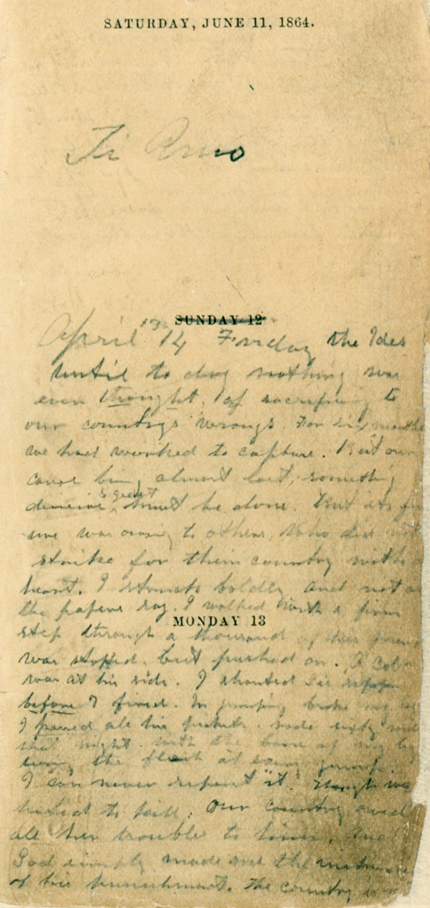
The Text of John Wilkes Booth’s Diary

Booth's Handwriting Page 1

Ti Amo

April 13 – 14 Friday the Ides
Until to day nothing was
ever thought of sacrificing to
our country’s wrongs. For six months
we had worked to capture. But our
cause being almost lost, something
decisive ^& great must be done. But its fail
ure was owing to others, who did not
strike for their country with a
heart. I struck boldly and not as
the papers say. I walked with a firm
step through a thousand of his friends
was stopped, but pushed on. A Col
was at his side. I shouted Sic semper
before I fired. In jumping broke my leg.
I passed all his pickets, rode sixty miles
that night with the bone of my leg
tearing the flesh at every jump.
I can never repent it, though we
hated to kill, Our Country owed
all her troubles to him, and
God simply made me the instrument
of his punishment. The country is not

Booth's Handwriting Page 2

April 1865
what it was. This forced union is not
what I have loved.. I care not what
becomes of me” I have no desire
to out-live my country. This night
(before the deed), I wrote a long
article in which and left it for one of the
Editors of the national Intelligencer
In which I fully set forth our reasons
for our proceedings. He or the Govmt

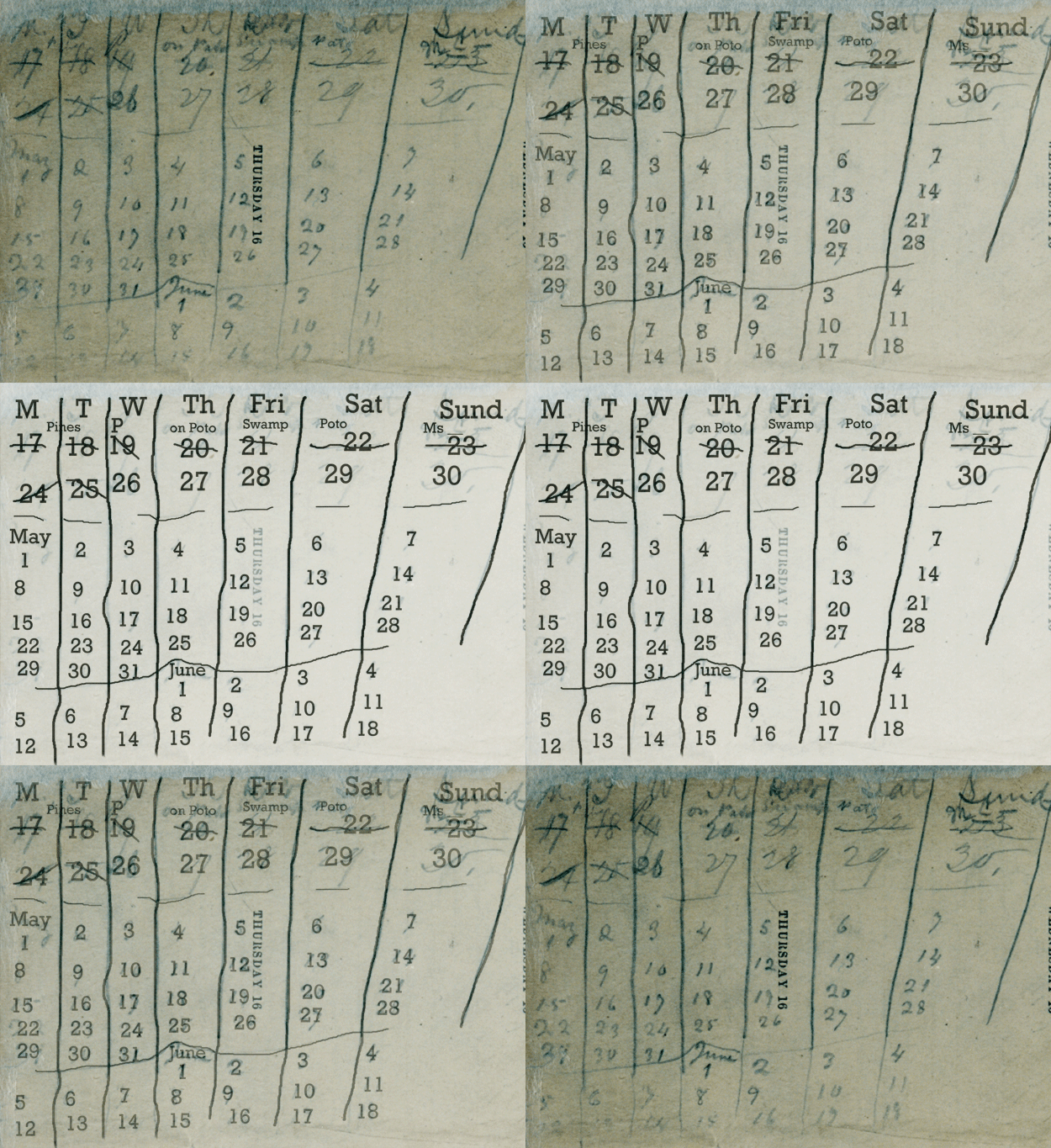
Booth's-Calendar-Animation

EDIT: On the animation above I incorrectly transcribed the letters underneath Sunday as “Ms” when it should be “M__ C__”. This likely stands for Machodoc Creek, the place where Mrs. Quesenberry’s house stood. The pair thought they entered Machodoc Creek as directed by Jones, but were actually in Gambo Creek.

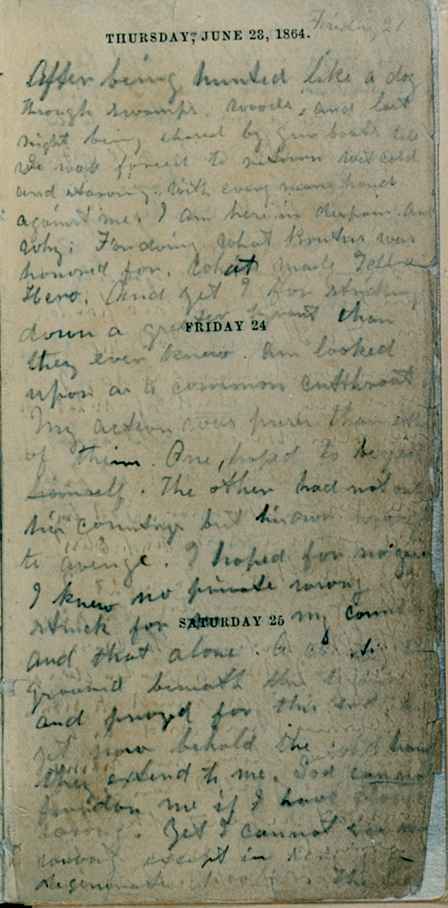
Booth's Handwriting Page 3

Friday 21
After being hunted like a dog
through swamps, woods, and last
night being chased by gun boats till
we I was forced to return wet cold
and starving. With every man’s hand
against me. I am here in despair. And
why. For doing what Brutus was
honored for. What made Tell a
Hero. And yet I for striking
down a greater tyrant than
they ever knew I’m looked
upon as a common cutthroat.
My action was purer than either
of theirs. One hoped to be great
himself. The other had not only
his country’s but his own wrongs
to avenge. I hoped for no gain.
I knew no private wrong. I
struck for * my country
and that alone. A country that
groaned beneath this tyranny
and prayed for this end and
yet now behold the cold hand
they extend to me. God cannot
pardon me if I have done
wrong. Yet I cannot see my
wrong except in serving a
degenerate people. The little

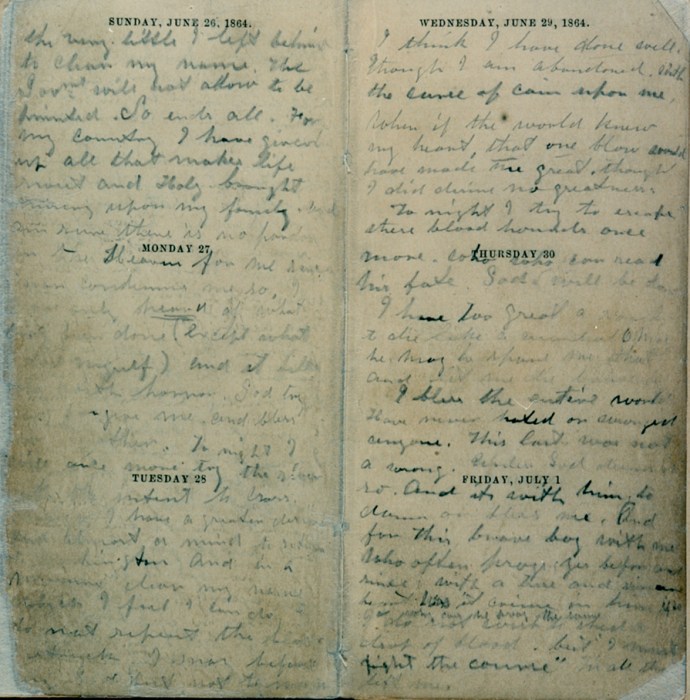
Booth's Handwriting Page 4

the very little I left behind
to clear my name the
Govmt will not allow to be
printed. So ends all. For
my country I have given
up all that makes life
sweet and Holy brought
misery upon my family and
am sure there is no pardon
in the Heaven for me since
man condemns me so. I
have only heard of what
has been done (except what
I did myself) and it fills
me with horror. God try
and forgive me and bless
my mother. To night I
will once more try the river
with the intent to cross.
Though I have a greater desire
and almost a mind to return
to Washington And in a
measure clear my name
which I feel I can do. I
do not repent the blow
I struck. I may before
my God but not to man.

I think I have done well.
Though I am abandoned with
the curse of Cain upon me,
When if the world knew
my heart, that one blow would
have made me great. though
I did desire no greatness.
To night I try to escape
these blood hounds once
more. Who who can read
his fate. God’s will be done.
I have too great a soul
to die like a criminal. O May
he, May he spare me that
and let me die bravely.
I bless the entire world.
Have never hated or wronged
anyone. This last was not
a wrong. Unless God deems it
so. And its with him to
damn or bless me. And
for this brave boy with me
who often prays (yes before and
since) with a true and sincere
heart was it crime in him. if so
why can he pray the same
I do not wish to shed a
drop of blood but “I must
fight the course” Tis all that’s
left me.

Categories: Uncategorized | Tags: , | 8 Comments

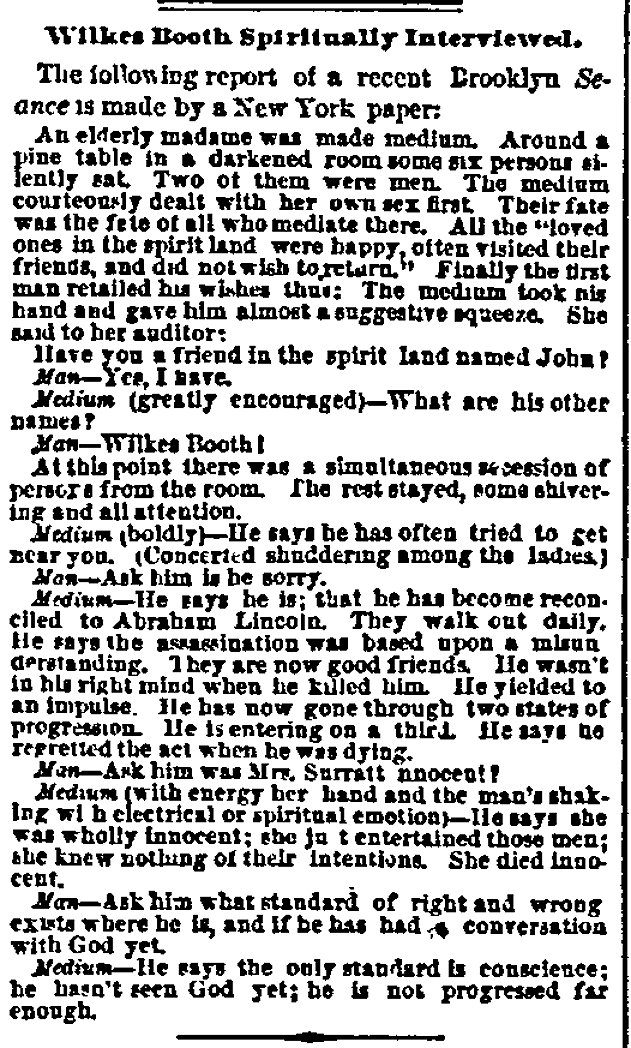
Booth From the Great Beyond

While researching Edwin Booth in 1870, I stumbled across this article about his dead brother that I knew I had to share:

Talking With John Wilkes Booth's Spirit

I think it’s great that John Wilkes Booth and Abraham Lincoln were able to work out their differences in death. I’m sure their daily walks on the other side are filled with interesting and lively discussions highlighted, of course, by the shared laughter of the two “good friends”. In truth we should have known that, given the chance, Lincoln and Booth would have been friends. Look at how attentively Lincoln’s spirit followed Booth after the latter murdered the former:

Assassin's Vison

Clearly Lincoln was waiting patiently for his walking buddy to arrive so the two could work things out.

This article reminded me of another instance where Booth’s spirit is resurrected, as it were.

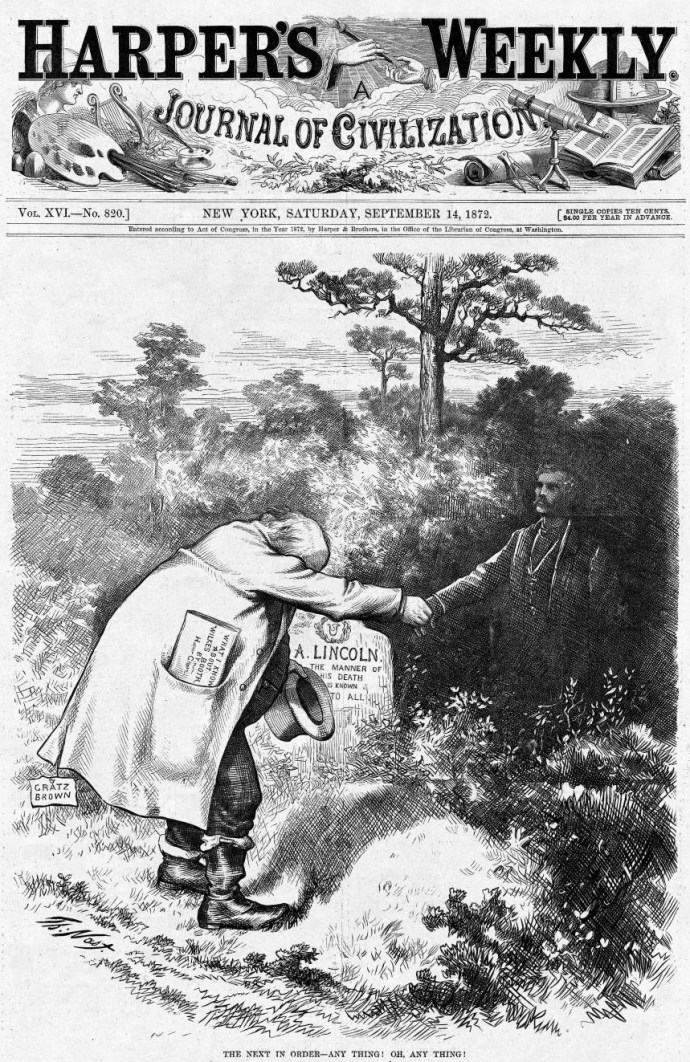
1872 Harper's Weekly political cartoon by Thomas Nast showing Presidential candidate Horace Greeley shaking hands with John Wilkes Booth's spirit over Abraham Lincoln's grave.  Due, in part, to Nast's severe character assassination of Greeley through his cartoons, Greeley lost the election to U.S. Grant.

The 1872 presidential election was between incumbent U.S. Grant and the candidate Horace Greeley. Greeley was the founder and editor of the New York Tribune, and one of the most outspoken abolitionists leading up to the Civil War. During and after the Civil War, Greeley’s views often seemed contradictory.  Though ardently opposed to slavery, he attempted to pursue a peace policy with the Confederacy in 1863/1864.  During Reconstruction he sided with the Radical Republicans and pursued harsh policies for ex-Confederates with simultaneously signing a bond for the release of Jefferson Davis.   He supported Grant in the 1868 election, but became unhappy with his presidency.  He broke away from the Republican party and helped form the Liberal Republican party.  The Liberal Republicans made Greeley their candidate for the President in the 1872.  The Democratic party at that time consisted of mainly Copperheads and former Confederates.  Desperate to get Grant out of the White House, the Democratic party also endorsed Greeley as their candidate too.  Greeley was now aligned with a party he had fought against for years.

Republican supporters of President Grant like artist Thomas Nast seized upon the illogical pairing of Greeley and the Democrats.  Nast proceeded on a campaign of character assassination through his cartoons, demonstrating Greeley’s willingness to side with anyone in order to get votes.  The above cartoon showing Greeley shaking hands with John Wilkes Booth over Lincoln’s grave, is one of several in a series demonstrating Greeley’s willingness to ignore travesties of the past to win the election.  You can see more of Nast’s political cartoons about Greeley on this fascinating site.

Not only did Horace Greeley lose the election of 1872 to Grant, but he also died between the popular vote and the electoral college.  Perhaps he and Thomas Nast took a page out of Booth and Lincoln’s book and are up there now, taking a walk and working out their differences.

References:
Daily Eagle, 9-19-1870
Harper’s Weekly, 9-14-1872
Cartoonist Thomas Nast vs. Candidate Horace Greeley

Categories: Uncategorized | Tags: , | 4 Comments

All Under One Roof

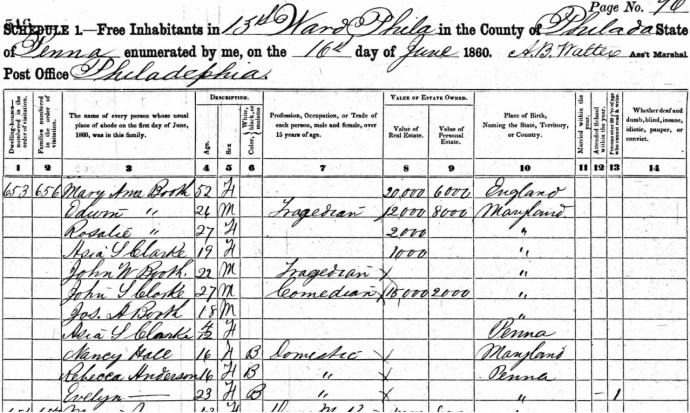
Thank you to Art Loux for sharing this interesting census record from 1860 with me.  It shows a rare instance in which practically all the members of the Booth family are living under one roof.  The only missing family members are the deceased Junius, Sr. and the living Junius, Jr. who resided in California.

Booth family in the 1860 Census

The home in Philadelphia that all the Booths were living in was the home of John Sleeper Clarke and Asia Booth.  The two had been married the previous year.  In June of 1859, about two months after their marriage, Mary Ann Booth moved in with the newlyweds.  Joe and Rosalie followed her shortly thereafter.  When this snapshot was taken Edwin, John Wilkes, and John Sleeper Clarke were all briefly home due to the completion of the acting season.  The summer heat made a crowded theater an unbearable affair and so the theater season was closed until the fall.

This full house of Booths would not last long at all, however.  Less than a month after this census record was taken, Edwin was married to his first wife, Mary Devlin.  The newlyweds honeymooned at Niagara Falls and then took up a home in New York.  By December of 1860, Asia wrote a letter to her friend Jean Anderson in which she mentions how Mary Ann, Rosalie and John Wilkes were no longer living at her home, having taken up residence at a boarding house elsewhere in Philadelphia.  Finally, Joseph Booth was enrolled in medical school in Charleston, South Carolina before the end of 1860.

As swiftly as they had all assembled, the Booths quickly separated again leaving us with only the above glimpse of a rare reunion among the entire family.

References:
Art Loux
Edwin Booth: A Biography and Performance History
John Wilkes Booth’s Enigmatic Brother: Joseph by John C. Brennan
Ancestry.com

Categories: Uncategorized | Tags: , | 11 Comments

Blog at WordPress.com.