This website is an educational resource exploring the history surrounding the assassination of President Abraham Lincoln. It is written by me, Dave Taylor, a historian and former elementary school teacher. This website is primarily a blog where I post new articles about various aspects of the Lincoln assassination story. My latest blog posts can be found directly underneath this one.
In addition to my normal blog posts, I have also completed a number of special projects and deep dives into certain parts of the tragedy of April 1865. I have created this pinned post to facilitate better access and awareness of these unique projects, which I hope will be explored by history students of all ages.
To check out the special projects and a collection of specially curated posts, click the image below. To read the newest blog posts, just keep on scrolling. If you like what you see and want to support the research, please consider becoming a patron on Patreon. Thanks for visiting!
On May 21, 2025, Freeman’s | Hindman Auction House in Chicago, Illinois, offered 144 lots related to the life of Abraham Lincoln. “Lincoln’s Legacy: Historic Americana from the Life of Abraham Lincoln” was a landmark auction with many unique objects of Lincolniana. The pieces sold were part of the Lincoln Presidential Foundation collection. In 2007, the Foundation had purchased these items and many more from Lincoln collector Louise Taper, on behalf of the Abraham Lincoln Presidential Library and Museum in Springfield, Illinois. The original intent was for the Foundation to donate these items to the museum after it paid off the debt on the original purchase price. Unfortunately, a nasty and protracted fight occurred between leaders of the ALPLM and the Foundation, which ultimately led to the Foundation removing the Taper collection items from the ALPLM in 2022. To read the details of that whole, sad affair, check out this post. Still needing to raise funds to pay off the remaining debt of the original $23 million purchase price, the Foundation chose to sell some parts of the collection through Freeman’s | Hindman.
The 2025 auction was a massive success for the auction house, with the total sales amounting to almost $7.9 million. The centerpiece of the auction, and the lot that went for the highest amount of money, was a pair of gloves alleged to have been carried by Abraham Lincoln to Ford’s Theatre and stained with his blood following his assassination. These gloves sold for a staggering $1,512,500.
While other objects, such as a wanted poster for John Wilkes Booth and one of the earliest writings of Abraham Lincoln as a child, also sold for high amounts, in the aftermath of the sale, most of the press reports focused on the unique “blood-stained” gloves present at the moment Abraham Lincoln was shot.
However, beyond the high-profile headlines, these gloves are not as unique as they seem. They are one of at least four pairs of gloves that have been claimed to be the ones Lincoln carried on the night he was shot. More than that, however, a deep dive into the provenance of these million-dollar gloves leads one to seriously doubt whether they were ever at Ford’s Theatre to begin with. Let’s explore the many pairs of Abraham Lincoln’s Assassination Gloves.
Abraham Lincoln and his Gloves
Abraham Lincoln came from humble beginnings. Though he eventually rose from a railsplitter to a respected lawyer and then 16th President of the United States, there were many aspects of his achieved status to which the frontier-born Lincoln never grew accustomed. He struggled with the pomp and circumstance of his office, greatly preferring the intimate telling of a joke to presiding over grand ceremonies. Yet, as President, there were many instances where Lincoln was forced, albeit reluctantly, to submit to the trappings of his high status. One aspect of society that gave Lincoln the most trouble was wearing ceremonial gloves. The President hated wearing them. Prior to his ascent to the Presidency, Lincoln rarely wore gloves for anything other than to keep his hands warm in the cold winter months. But fashion norms in the 1850s and 1860s emphasized the wearing of thin, more decorative than practical gloves, often made of white leather. These gloves were often called kid gloves, not because they were meant for children, but because the leather often came from young goats.
When it came to the tenets of fashion, Abraham Lincoln could hardly be bothered. Ward Hill Lamon was a friend of Lincoln’s from their shared days as attorneys in Illinois. When Lincoln was elected President, he tapped Lamon to be U.S. Marshal of D.C., a role that also made Lamon Lincoln’s unofficial bodyguard. In his later memoirs, Lamon twice wrote about Abraham Lincoln’s dislike of ceremonial gloves:
“…Mr. Lincoln still suffered much annoyance from the tyranny of fashion in the matter of gloves… [T]he necessity to wear gloves he regarded as an affliction, a violation of the statute against “cruelty to animals.” Many amusing stories could be told of Mr. Lincoln and his gloves. At about the time of his third reception he had on a tight-fitting pair of white kids, which he had with difficulty got on. He saw approaching in the distance an old Illinois friend named Simpson, whom he welcomed with a genuine Sangamon County shake, which resulted in bursting his white-kid glove with an audible sound. Then raising his brawny hand up before him, looking at it with an indescribable expression, he said, — while the whole procession was checked, witnessing this scene, — ‘Well, my old friend, this is a general bustification. You and I were never intended to wear these things. If they were stronger they might do well enough to keep out the cold, but they are a failure to shake hands with between old friends like us. Stand aside, Captain, and I’ll see you shortly.’”
In another story, Lamon once again recounts Mr. Lincoln’s resistance to wearing gloves, and his genuine joy at avoiding the practice with a friend:
“Shortly after the first inauguration, an old and respected friend accompanied by his wife visited Washington, and as a matter of course paid their respects to the President and his family, having been on intimate social terms with them for many years. It was proposed that at a certain time Mr. and Mrs. Lincoln should call at the hotel where they were stopping and take them out for a ride in the Presidential carriage, — a gorgeous and grandly caparisoned coach, the like of which the visitors had seldom seen before that time. As close as the intimacy was, the two men had never seen each other with gloves on in their lives, except as a protection from the cold. Both gentlemen, realizing the propriety of their use in the changed condition of things, discussed the matter with their respective wives, who decided that gloves were the proper things. Mr. Lincoln reluctantly yielded to this decree, and placed his in his pocket, to be used or not according to circumstances. On arriving at the hotel he found his friend, who doubtless had yielded to his wife’s persuasion, gloved in the most approved style. The friend, taking in the situation, was hardly seated in the carriage when he began to take off the clinging kids; and at the same time Mr. Lincoln began to draw his on, — seeing which they both burst into a hearty laugh, when Mr. Lincoln exclaimed, ‘Oh, why should the spirit of mortals be proud?’ Then he added, ‘I suppose it is polite to wear these things, but it is positively uncomfortable for me to do so. Let us put them in our pockets; that is the best place for them, and we shall be able to act more like folks in our bare hands.’ After this the ride was as enjoyable as any one they had ever taken in early days in a lumber wagon over the prairies of Illinois.”
We can see that while Lincoln understood the stylistic necessity of kid gloves, he happily shed them at the earliest opportunity. Yet, his refusal to wear kid gloves did not stop Mary Lincoln from supplying her husband with many pairs. Mrs. Lincoln was very knowledgeable about fashion and the expectations of high society, but she clearly fought a losing battle trying to dress up her husband.
It is interesting to note that most of the accounts relating to Abraham Lincoln and his wearing of kid gloves come from the beginning of his Presidency. It appears that in the early days of his administration, he was trying his best to fit into the fashion requirements of his office. However, as the Civil War went on, Lincoln could no longer be bothered by trivialities like fashion. As noted by author Reignette Chilton in her book Lincoln’s Frock Coat, while some criticized Lincoln’s often unkempt and slovenly appearance, others understood that “his mind was intent upon more important things.”
In the end, Lincoln’s mind and the bravery of the Union soldiers resulted in the surrender of Confederate General Robert E. Lee’s army to General Ulysses S. Grant on April 9, 1865. The surrender of the Confederacy’s largest army, combined with the recent conquering of the Confederate capital of Richmond, marked the beginning of the end of the Civil War. The Lincolns were in a celebratory mood when they picked up their guests, Clara Harris and Major Henry Rathbone, for an evening at Ford’s Theatre.
The revelry in Washington turned to tragedy when, in the middle of Act 3, Scene 2 of Our American Cousin, an assassin entered the Presidential box at Ford’s Theatre and shot Abraham Lincoln in the back of the head. Abraham Lincoln died nine hours later in the bedroom of a boardinghouse across the street from the theater. In time, at least four different pairs of gloves would come to be associated with Lincoln and the terrible act at Ford’s Theatre.
Found in the Box?
In 1905, the Lincoln National Life Insurance Company was founded in Fort Wayne, Indiana. Early in its history, the founders became interested in collecting objects related to its namesake to better associate the company with the 16th President and his legacy. This led to the creation of the Lincoln Financial Foundation collection. Over the years, the collection grew, leading the company to open its own Lincoln museum in Fort Wayne to display its artifacts. In 2008, a century after the company was founded, the now-named Lincoln National Company decided to shut down its museum holdings and donated its impressive collection to the people of Indiana. The collection was split between two groups, the Allen County Public Library in Fort Wayne and the Indiana State Museum in Indianapolis. The library became the home of the collection’s books, newspapers, documents, and photographs, while the museum houses the fine art, engravings, prints, and physical artifacts.
One item from the Lincoln Financial Foundation collection housed at the Indiana State Museum is this pair of gloves.
These gloves were received by the Lincoln Foundation collection on Jan. 2, 1948. The donor of the gloves was a family of antiquarian booksellers located in New Haven, Connecticut, by the name of Whitlock. Clifford Whitlock, Sr. had apprenticed in his great-uncle’s bookshop starting in the early 1900s, which was later given to him. Though the first Whitlock’s Book Store closed during the Great Depression, Clifford continued to operate as a book dealer and eventually reopened the store in the 1950s. His sons, Reverdy and Gilbert, followed in their father’s footsteps, and all three Whitlock men were working as book sellers in 1948 when the donation was made.
A note, held with the gloves at the Indiana State Museum, gives the following information:
“These gloves are alleged to have been found in the presidential box at Ford’s Theatre the night of Lincoln’s assassination. It is also said that there are blood stains on the gloves probably from Major Rathbone who was wounded when trying to detain Booth from escaping the box. The gloves were given to Whitlock’s of New Haven, Connecticut, by Mrs. Tillinghast.”
Unfortunately, the identity of “Mrs. Tillinghast,” the prior owner of the gloves who gave them to the Whitlocks, is unknown. The chain of custody on these gloves ends with her, with no way of knowing where or how Mrs. Tillinghast acquired the gloves or how she came to believe they were found in the box at Ford’s Theatre. The only additional information about the gloves is the object’s description: “Pair of cream-colored leather gloves features three decorative lines of thread on the back of each glove. A metal clasp on the inside of the wrist secures the glove,” and that they measure 8 in x 3.75 in (20.32 cm x 9.525 cm) in size.
As intriguing as the claim is that these gloves were found in the Presidential box, the story cannot be verified due to a lack of information about the donor, Mrs. Tillinghast. Even if we suppose the story is true and the gloves were recovered from the floor of the Presidential box at Ford’s Theatre, we could not be certain they belonged to Abraham Lincoln. Many individuals, including a slew of doctors, entered the box after the shooting to care for the President. Any one of them could have lost a pair of gloves during the chaos.
Assessment: The gloves in the Lincoln Financial Foundation collection at the Indiana State Museum have an interesting story, but without more information about Mrs. Tillinghast and her connection, there is nothing to prove they are connected to Abraham Lincoln’s assassination.
The Presidential Provenance
The Rutherford B. Hayes Presidential Center in Fremont, Ohio, is an impressive complex dedicated to the life and times of the 19th President of the United States. Hayes was a successful attorney who gave up his practice to join the Union Army during the Civil War, where he became an officer. Hayes ended the war as a brigadier general, having meritoriously performed at the Battle of Cedar Creek. During his service, Hayes won election to the House of Representatives in Ohio. He took his seat in December 1865, before being elected Governor of Ohio in 1867. After two terms as Governor, Hayes left office in 1872, but in 1875 he found himself once again nominated by the Republican Party for the governorship. His reelection increased national attention on the Ohio governor and Army veteran, and the Republican Party nominated Hayes for the Presidency as a compromise candidate in the election of 1876. The election was the most contentious in history, with neither major candidate earning enough electoral votes to win. In the end, a special electoral commission was created to determine the outcome of 20 disputed electoral votes from Florida, Louisiana, South Carolina, and Oregon. A strict party-line vote of 8 Republicans vs. 7 Democrats gave all the disputed electoral votes to Hayes. This was followed by the Bargain of 1877, in which Democrats ended a filibuster of the results and threats of political violence in exchange for the promise that Hayes’ administration would withdraw the remaining military troops and oversight entities from the former Confederate states. This effectively ended Reconstruction and was a betrayal of Black Republicans in the South who found their hard-earned rights quickly stripped away by Jim Crow laws.
As President, Hayes, a Republican, was stymied by a Democratic-controlled Congress. Hayes supported civil service reforms after the corruption and cronyism of the Grant administration, and he also served during a time of economic growth. He also vetoed the Chinese Exclusion Act of 1879. But Hayes also called out the National Guard and U.S. Army against striking railroad workers in 1877. When compared to other presidencies, historians usually rank Rutherford B. Hayes in the slightly below-average tier. Hayes fulfilled his pledge not to seek reelection and left office after a single term in 1881, replaced by James Garfield. When Hayes left the White House, he, like his predecessors, took his official and personal papers with him. He retired to his home of Spiegel Grove in Fremont, where he died in 1893.
Perhaps more so than any of his predecessors, President Hayes was a collector. He carefully kept his papers and many items related to his time as President together. A student of history, Hayes also actively collected items related to American political history. Hayes’ impressive collection led his son, Col. Webb Hayes, to try to establish a presidential library where members of the public could learn about his father’s life and legacy. Col. Hayes deeded the Spiegel Grove estate to the state of Ohio and donated his family’s impressive collection to the Ohio Historical Society. In 1916, the country’s first presidential library, then known as the Hayes Memorial, was built and opened to the public.
The Hayes Memorial in 1916
The Hayes Memorial building has expanded greatly over the years and now includes detailed exhibits about the life of President Hayes and his family, as well as library, office, and event spaces. But the original structure, built in 1916, still stands at the heart of the museum. One wing of the original building is now known as the Presidents Gallery and contains artifacts related to all the presidents. The room’s centerpiece is a replica of the Resolute Desk, the ornately carved desk Queen Victoria gifted to President Hayes in 1880. The Resolute Desk has been a fixture of the White House ever since, and each President since Jimmy Carter has used it for a time as their Oval Office desk.
An exhibit on the side of this room has artifacts related to Abraham Lincoln. As the exhibit label notes, President Hayes greatly admired Lincoln and considered him one of the country’s greatest leaders. Hayes personally collected most of the Lincoln objects on display here during his lifetime. The display includes examples of broken Lincoln White House china salvaged by Hayes, an 1864 Lincoln re-election campaign medal, slippers worn by Lincoln at the White House, and even a piece of fabric from the frock coat Lincoln was wearing at Ford’s Theatre when he was assassinated:
This exhibit also includes a pair of dark kidskin leather gloves. The exhibit tag next to them states: “Gloves worn by President Lincoln the night of his assassination. Both gloves are signed ‘A. Lincoln’ on the inside wrist area.”
The gloves are 22.5 cm in length. An internal mark gives them a size of 9 2/4, but this fractional part may be incorrect. The inside of each glove near the wrist features the ink signature “A. Lincoln.”
A condition report for this artifact from 2025 noted that “the leather is dry and brittle; cracked and peeling in palm of left glove; seams torn at outside wrist and bottom of thumb of left glove, black thread stitching repair done to finger tips of both gloves; metal pieces used to latch wrist of each corroding.”
The provenance connecting the gloves to Lincoln’s assassination is, like the Indiana gloves, sadly limited. The museum knows President Hayes acquired the gloves personally, but when and from whom is unknown. The only original document that the museum has for the gloves is an envelope from the White House on which President Hayes has written the words, “Gloves of Mr. Lincoln worn the night of his assassination. With his autograph in each.”
As stated, Hayes collected many things, and other items in the collection have much better records of how he acquired them. The fragment of Lincoln’s frock coat, for example, came with an affidavit signed by White House doorkeeper Thomas Pendel describing how he obtained Lincoln’s frock coat from Tad Lincoln and was presenting a piece of the coat to President Hayes. This is a very clear chain of ownership. These gloves have no such chain. All we have are Hayes’s handwritten notes that these were Lincoln’s gloves and that he wore them the night of his assassination.
The Hayes gloves differ from the other gloves in this article, as this pair is dark brown rather than a more formal white leather. During Abraham Lincoln’s trip to Washington, D.C. on the way to his first inauguration, he visited New York City and spent the evening of February 20, 1861, at the Brooklyn Academy of Music where he watched part of an opera performance. Another opera attendee that evening later recalled that Lincoln wore “a pair of huge black kid gloves,” rather than the fancy white kid gloves worn by most others. According to the witness, these dark, practical gloves “attracted the attention of the whole house, hanging as they did over the red velvet box-front.” So there is some precedent for Lincoln wearing dark colored gloves to a theater.
The Hayes gloves are more practical than fashionable, which definitely fits Mr. Lincoln’s style. The interior signature of “A. Lincoln” supports the idea that these gloves did, at the very least, belong to Abraham Lincoln.
But did Abraham Lincoln wear the Hayes gloves on April 14, 1865? At this time, there is no way to prove or disprove this claim. All we have is President Hayes’s handwritten note attributing them to Lincoln’s assassination. Given Hayes’s passion for collecting and his admiration for Lincoln, he likely believed they were genuine, but without knowing when and where he got the gloves, we can’t prove either way.
Assessment: President Hayes’s belief and credibility are our only source for the gloves’ authenticity. The Rutherford B. Hayes Museum is trusting its namesake’s word by exhibiting these gloves as the ones Lincoln wore the night he was assassinated. President Hayes may have acquired such a unique artifact, especially since he collected other items related to Lincoln’s death. But without more information, there is no way to prove the claim.
A Family Connection
In 1956, the Illinois State Historical Library received a donation from Philip R. Baker, the great-grandson of Mary Lincoln’s sister, Elizabeth Edwards. Philip Baker donated 12 letters written by Mary Lincoln, seven letters written by Elizabeth Edwards, and 66 letters from Illinois Senator David J. Baker, who briefly held office in 1830.
Mary Lincoln wrote the letters in this collection to Edward Lewis Baker, Jr., the donor’s father. After Mary was forcibly committed to an insane asylum by her only surviving son, Robert, in 1875, she expertly managed to secure her release three months later. After leaving the asylum, she went to live with her sister Elizabeth Edwards in Springfield. There she got to know Elizabeth’s grandson Edward Lewis Baker, Jr., who was called Lewis. He was about 17 years old at the time and reminded Mary of her son Tad, who had died four years earlier at the age of 18. She took a strong liking to her great-nephew, especially now that her relationship with her only surviving son had ended acrimoniously. According to Lois Romano’s newest biography, An Inconvenient Widow, “[Mary] treated him as a surrogate son, pouring into him the love and grandmotherly advice pent up inside her. Lewis agreed to accompany her to New York for her trans-Atlantic crossing, and they left Springfield in September 1876, stopping in Lexington.” From her birthplace, the pair made their way to New York, where Mary set sail alone for France in October 1876. The earliest letter from Mary Lincoln to Lewis Baker in the donated collection is dated Havre, France, Oct. 17, 1876. All but the last letter was written on monogrammed mourning stationery.
Edward Lewis Baker, Jr. circa 1905
Edward Lewis Baker, Jr. was the only person to greet Mary in New York when she arrived back home in America after her prolonged European stay in 1880. Mary then moved back in with her sister in Springfield, and Lewis remained a regular visitor. Though not named in the newspapers like his grandparents, the “Hon. and Mrs. N. W. Edwards,” Lewis was undoubtedly one of the “other relatives” who attended Mary Lincoln’s funeral on July 19, 1882.
Yet Philip Baker’s donation consisted of more than just letters. There were also some physical objects from his father’s papers, including a pair of white kidskin gloves claimed to have been found in Abraham Lincoln’s pocket after his murder.
These gloves are 23.2 cm in length from the wrist to the longest finger, and the inside of the left glove near the wrist features the name “Ph Courvoisier” and the number “8 ¾” stamped in light blue ink.
Additional blue vertical lines are stamped on both gloves, along with numbers ranging from 11-18, likely part of the manufacturing process.
While none of the letters from Mary Lincoln to Edward Lewis Baker, Jr. reference the gloves, their provenance consists of Baker’s handwriting on the back of his business card.
This handwritten note documents three assassination-related objects:
“Last pair of gloves A. Lincoln wore. Were found in his pocket after the murder.
Piece of shell work cut from a design with which Lincoln’s casket was decorated upon its arrival in Springfield.
Copy of the programme of the obsequies in Chicago.
E. L. Baker, Jr.”
The assumption is that Mary Lincoln gifted Lewis these gloves, perhaps as a token of appreciation for the young man who became a surrogate son. This seems like a very likely series of events. But where were these gloves present at the assassination? Like the prior examples, we don’t have the evidence to prove it.
A close reading of Lewis’s provenance for the gloves is actually a bit ambiguous. All he wrote is that they were the “Last pair of gloves A. Lincoln wore. Were found in his pocket after the murder.” We first assume Lewis means Lincoln wore these gloves to Ford’s Theatre, but the wording doesn’t say that. For all we know, Lincoln did not wear any gloves to Ford’s Theatre, and these were found in an undisclosed pocket from an earlier outing that involved gloves. While Lincoln likely brought gloves to Ford’s Theatre, no period evidence confirms this assumption. As this post highlights, there is a surplus of so-called assassination gloves in physical form, but a dearth of period evidence from eyewitnesses discussing any gloves, which complicates matters.
The Baker gloves and their assumed connection to Mary Lincoln also raise another issue. Mary Lincoln did not like physical reminders of her husband’s murder. As documented in Reignette Chilton’s books, she gave away the greatcoat and suit Abraham was wearing when he was shot just days following the assassination. In the weeks after the crime, Mary gave away many articles of clothing and objects relating to her husband. For example, here is a pair of Abraham’s riding gloves that Mary gave away on May 22, 1865, the same day she left the White House.
She presented these gloves, through her son Robert, to Gen. Christopher C. Augur, who commanded the defenses around Washington. Augur had been present at the Petersen House during the deathwatch and took part in the manhunt for Booth. Robert wrote to Augur, gifting him the riding gloves and expressing his mother’s thanks for his “kindness during the past few weeks.”
It is difficult to believe that Mary Lincoln would have retained the gloves her husband had with him when he was assassinated for any period of time, especially a decade later when she became close to Lewis Baker. In addition, at the time of Abraham’s death, Mary was estranged from her sister Elizabeth Edwards, making it unlikely that she gave “assassination gloves” to her at the time, which later could have passed to her grandson, Lewis. Yet the gloves’ inclusion in Lincoln family papers now held by the Abraham Lincoln Presidential Library and Museum in Springfield, Illinois, elevates them above the rest.
Assessment: The Baker gloves have better provenance than the previous examples as they are linked to a member of the Lincoln family with whom Mary Lincoln had a close relationship. However, the provenance doesn’t directly state that the gloves came from Mary Lincoln, and the likelihood that Mary would have kept any assassination gloves long enough to gift them to Baker is low. Still, the family connection makes it likely the Baker gloves once belonged to Abraham Lincoln, even if they weren’t with him at Ford’s Theatre.
A Millionaire’s Mistake?
Benjamin Richardson was rich. Of that there was no question. But he didn’t start that way. He was born in England in 1812 and emigrated to the United States as a ship’s cabin boy at 18. Richardson started in America as a servant for New York Representative (and later Governor, Senator, and Secretary of State) Hamilton Fish. Over time, the young man saved enough money to buy real estate in New York. In 1849, he headed west to California, along with others hoping to make it big in the gold rush. While prospecting for gold failed to bring a fortune, a well-placed land purchase in San Francisco was Richardson’s own gold mine when he later sold the land to a railroad company for a mint. Soon, Richardson became very wealthy. He diversified his land holdings to include quarries in Utah and Missouri. Soon, Richardson’s land assets provided for all he could want and more. Around 1861, Richardson left the United States and conducted a world tour that would last almost seven years. During this time, he visited Europe, Asia, and Africa, and was fond of collecting unique objects during his travels. Upon his return to America in early 1868, the eccentric millionaire announced his intention to open a free museum in California filled with his relics.
Benjamin Richardson in 1886
How Benjamin Richardson became acquainted with Mary Lincoln is uncertain. However, in 1868, he was exactly the type of person she was looking for. Ever since her husband’s death, Mary Lincoln had struggled financially. Some of her struggles were self-inflicted, as she used excessive shopping as a means to counter her grief. But there were also individuals in Mrs. Lincoln’s life who actively thwarted some of her attempts to acquire additional funds. Abraham Lincoln’s estate was not settled until November of 1867, and even after she gained access to her portion, Mary still worried about her financial future. During the interim years, Mrs. Lincoln would appeal to others to help secure donors and patrons who would support her and her needs. And Mary Lincoln was not above selling things to make sure she and her son Tad were taken care of. Enter the eccentric millionaire, Benjamin Richardson.
Two letters are known to have existed from Mrs. Lincoln to Richardson. Each is in response to letters from Richardson. The first is dated June 16, 1868, from Chicago, Illinois, while the second was sent by Mrs. Lincoln during her extended trip to Europe in 1870. Mrs. Lincoln sent her and Tad Lincoln’s best wishes to Richardson in both letters. In her 1868 letter to Richardson, she clearly tries to woo the real estate-savvy Richardson into buying some property she owned. As part of this gambit, Mrs. Lincoln documents the sending of certain items to Richardson, writing, in part:
“Capt. Benjamin Richardson:
My Dear Sir – Prof. and Mrs. Sawyer have just paid me a call, and handed me your letter, which I was very gratified to receive. I hasten to reply to it, fearing you may think I have been negligent regarding my promises. And yet I am sure you will be tantalized to know that some of the specialties promised have been in my room and only awaiting this being sent to Mr. Sawyer. Tomorrow my little Taddie will carry them down to the University [of Chicago] and it may be the rest I will bring on to you myself. After this explanation of the delay you will feel relieved…”
While Mrs. Lincoln never specifies in her letter what “specialties” she and Tad will present to Richardson, newspaper accounts from Richardson’s lifetime and beyond note that he was given a pair of gloves, a handkerchief, a cane, and possibly a hat, all of which belonged to Abraham Lincoln.
Richardson continued collecting unique objects for his planned museum. One impressive purchase he made in 1876 was a carriage owned by President George Washington. Richardson rode behind this famous carriage during a parade to mark the unveiling of the Statue of Liberty in 1886. However, despite his wealth and impressive collection, Richardson’s planned museum never came to fruition. He died an eccentric millionaire in 1889, and it took many years to settle his estate.
While the Washington carriage was sold and eventually made its way to Mount Vernon, Richardson’s heirs retained some of the Lincoln relics. In 1925, the Brooklyn Eagle published an article featuring the Lincoln artifacts, then owned by Richardson’s granddaughter, Ella Gouverneur. The article explained that the gloves and handkerchief were framed together and hung in Ella’s dining room. The newspaper included a collage of these items, an image of Richardson, the envelopes from Mrs. Lincoln, and a framed portrait of Lincoln also claimed to have come from the former First Lady.
These relics later passed to Ella’s daughter (Richardson’s great-granddaughter), who allowed the gloves, handkerchief, and one of the Mary Lincoln envelopes to be photographed and published in Dorothy and Philip Kunhardt’s coffee-table-sized book on the assassination, Twenty Days, in 1965.
Around the 1990s, the gloves, handkerchief, and cane came into the possession of Lincoln collector Louise Taper, who sold them to the Lincoln Presidential Foundation.
These are the fourth and most famous pair of gloves: the “blood-stained’ gloves sold by Freeman’s | Hindman auction house in 2025.
They are 22.8 cm in length with the number “9 ¼” stamped inside. The clasp of each is stamped with a small “T.” There is also dark colored staining near the wrist area and thumb of each glove. The auction listing for these gloves from 2025 gives the following brief description of their condition: “Some flaking and cracks; elastic bands detached, but present; archival repairs to lining of each glove; contemporary repaired split at base of palm on right glove; each glove soiled and unevenly darkened.”
As shown, the chain of custody for the gloves is quite strong. While Mary Lincoln does not provide an exact accounting of the “specialties” she provided Richardson, other period evidence strongly supports the idea that these gloves and handkerchief were among them. It is safe to say that these gloves and handkerchief came from Mrs. Lincoln.
But let’s get to the $1.5 million question – what is the evidence that these are “assassination gloves?” As we follow the line of provenance back, it is clear that the recent auction house, the Lincoln Presidential Foundation, Louise Taper, and the Richardson heirs believed that these gloves were carried by Lincoln on the night he was assassinated. Ella Gouverneur stated this without reservation when the Brooklyn Eagle interviewed her in 1925. So, for at least 100 years, the owners have had no doubt that these gloves witnessed that tragic night.
But if we look back further, the idea that these gloves were associated with the assassination becomes less certain. Unfortunately, the main sources we have regarding the gloves during this early period are newspaper articles that mention them in connection to Benjamin Richardson. In a few of the obituaries that came out upon his death in 1889, there was a line noting that he was “a fast friend of Mrs. Abraham Lincoln and received from her the cane, hat, and gloves worn by her husband when he was shot.” However, another obit that made the rounds merely stated that he “owned a pair of gloves and a cane used by Abraham Lincoln,” with no mention of the gloves’ claimed connection to Ford’s Theatre. As we continue going back in time, we see this happen more and more. While a Boston Globe article from 1886 described Richardson as the “possessor of the cane and gloves carried by Abraham Lincoln when he was shot by John Wilkes Booth,” an earlier Chicago article from 1883 only mentioned that Richardson “hoards Lincoln’s gloves and cane,” with no further detail. We can’t expect different newspapers to mention every aspect of the gloves in their articles, especially since they are not usually the focus of the piece, but it is interesting how often the gloves are not attributed to the assassination as we travel back through the records.
An 1883 article from the St. Louis Dispatch described a visit to Richardson’s home in Harlem, which he called the “Lincoln Cottage.” He showed the reporter his many treasures, including the George Washington carriage and a slouch hat worn by President Garfield. When it came to the gloves, the article merely stated that, “In another case was the cane which President Lincoln carried, while in still another case were a pair of gloves and a handkerchief which had been owned by President Lincoln.” Again, the article makes no connection between these artifacts and the world-changing event they were later said to have witnessed. As an article about Richardson’s unique collection, one would have expected more details.
The next earliest mention of Richardson and his gloves comes from 1880, in a biographical sketch of Richardson that appeared in a Missouri paper near where he owned a lucrative quarry property. There, Richardson is described as “the possessor of Lincoln’s gloves and cane,” with no additional significance given to them.
That brings us to the earliest record I’ve come across that mentions Richardson and his Lincoln gloves. It appeared as an article in the Trenton State Gazette in New Jersey, published on February 15, 1869. The article documented the second annual banquet of the Lincoln Association of Jersey City. Annual events honoring Abraham Lincoln were very common in the years following the 16th President’s death, and you can still find Lincoln dinners and banquets around the anniversary of Lincoln’s birth today. The Gazette article described the recent festivities that had occurred:
“About 150 persons sat down to dinner, many prominent men of Hudson county being present. The hall was richly decorated and oil paintings of Washington, Lincoln, Generals Scott and Grant were hung in the spaces between the windows. On the centre of the dais was the well known Rogers group, Lincoln, Stanton and Grant, holding a council of war…”
John Rogers’ sculpture, “The Council of War”
“…After partaking of an excellent supper the company turned their attention to the intellectual portion of the programme. The chair was occupied by Mr. David W. Weiss, President of the Lincoln Association. Letters of apology were read from the President and Vice President elect, Generals Sherman, Sickles, Logan and Sigel; Senators Wilson and Frelinghuysen; Congressmen Halsey and Hill; ex-Governors Ward, Chief Justice Chase, Judge Bedle, Hannibal Hamlin, William Cullen Bryant, and others. The following toasts were proposed: – ‘The Memory of Abraham Lincoln,’ responded to by B. W. Throckmorton; ‘The President of the United States;’ ‘The Congress,’ by E. B. Wakeman; ‘The Judiciary,’ by Isaac W. Van Winkle; ‘The State of New Jersey,’ ‘The Army and Navy,’ by Captain B. F. Frazer, Jr.; ‘The Proclamation of Emancipation’ by Rev. J. L. Danner; ‘The Press,’ by General Edward Jardine, and ‘Woman’ by Benjamin Van Riper. A pleasing feature of the entertainment was the singing by Mr. Charles Henry, whose rendering of ‘Kathleen Mavourneen’ was exquisite and brought down the house.
The delegation from Hoboken consisted of General Hatfield, Captains Hart, Lee and Frazes; Major Mount and Mr. Pritchard. The affair was passed off most successfully.”
As you can see, this article is very detailed. The reporter described the Lincoln banquet scene, the decorations, and the many people who took part in the proceedings. The article also contains one additional section that I have withheld until now:
“The cane, white kid gloves and pocket handkerchief used by President Lincoln at his inauguration, and which were presented by Mrs. Lincoln to Captain Benjamin Richardson, were shown to the assemblage and created such enthusiasm that the guests all rose to their feet and waved their handkerchiefs again and again.”
You read that right. This article notes that the gloves, cane, and handkerchief given to Benjamin Richardson by Mary Lincoln came from Abraham Lincoln’s inauguration, not assassination. We have already established that the reporter who composed this article was very detail-oriented. It seems unlikely that they would mistake Lincoln assassination relics for Lincoln inauguration relics. Even if we were to suppose the reporter was in error and substituted inauguration for assassination, does it make logical sense that the crowd would have risen to their feet and waved their own handkerchiefs in response to relics of the President’s death? It’s clear that the crowd was pleased by the items Richardson displayed and acted out of celebration.
For historical research and provenance, the earliest accounts are usually best. Stories and memories change over time. Sometimes this is a case of people lying or altering their stories to make them more appealing. But alterations in stories are not always the product of deliberate deception. The human brain is not a perfect recall device. Memory is incredibly subjective and changes over time. Even setting aside the assumed memory loss that comes with aging, our minds constantly alter our memories. Studies have shown that, among many things, imagining an event having taken place can create a false memory of it actually occurring; the manner in which you are asked about an event can change the way you remember it; and the more often you recall an event, the more the memory of that event changes. This is how someone like Mrs. Matilda Todd, an eyewitness to Lincoln’s assassination in 1865, can be completely honest in telling newspapers in the 1930s that she remembered Booth’s broken leg spurting blood upon the stage and that a giant lasso whisked him off into the wings. After years of recalling the event she witnessed, her genuine memories became a fictional account.
Mary Lincoln wrote to Benjamin Richardson about preparing his items on June 16, 1868. This Lincoln banquet occurred on February 12, 1869. Therefore, this article was written just a few months after Richardson acquired his Lincoln relics. Nothing in Mary Lincoln’s known letters to Richardson describes the objects, and the earliest published account claims no connection to his assassination, but rather to his inauguration. The first account claiming these gloves were present at Lincoln’s assassination dates to 1886, nearly two decades after Richardson received the items and after Mrs. Lincoln had died. The evidence demonstrates that the story around these gloves changed over time to become associated with Lincoln’s death.
Even the note displayed with the gloves and handkerchief at Richardson’s and then Ella Gouverneur’s home lacks any mention of the gloves being connected to Lincoln’s death. If we zoom in on the photograph in the Brooklyn Eagle article in 1925, we can read the handwritten note that accompanied these relics. It says:
“Gloves & Pocket Handkerchief used by the late Lamented and ever mourned for President Lincoln and Presented to Benjamin Richardson by his bereaved widow – to be placed in his Museum in San Francisco California ~”
As a display piece, one would expect this note to state directly that these items were with Lincoln at Ford’s Theatre, but it gives no such detail. All the note says is that Lincoln once “used” these items, with no timeframe or specific place given, which fits some of the descriptions in the 1880s where the gloves are merely recounted as being owned by Lincoln, and nothing more.
“But, hang on,” you might be thinking. “If these aren’t Lincoln assassination gloves, how do you explain the blood stains?” That is the second piece of evidence used in support of these gloves. While many of the press accounts around the sale of the gloves commented on the dark blood stains featured on the gloves, only once in the auction listing does it suggest the staining on the gloves is blood. Here is that sentence:
“According to an article published in the Brooklyn Eagle on 22 March 1925, and featuring a photograph of the gloves and a handkerchief, both possibly stained with the president’s blood, were gifted to Richardson at the University of Chicago, and delivered by Lincoln’s son, Tad.”
The auction house writes this to suggest that the Brooklyn Eagle article described the staining on the gloves and attributed it to Lincoln’s blood, but the 1925 article mentions no staining at all. In fact, there is no mention of blood in any reference to the gloves until the modern era. Even the articles from Richardson’s and Ella Gouverneur’s lifetimes that attribute the gloves to the assassination do not say anything about the gloves being bloodstained. When the photograph of the gloves and handkerchief was published in Twenty Days in 1965, the caption says nothing about bloodstains, even while a photograph on the next page highlights fragments of bloodstained towels from the Petersen House. When an appraiser looked through the Louise Taper collection in advance of its sale to the Lincoln Presidential Foundation, he documented the gloves and handkerchief but did not include any mention of blood stains:
It appears that only during the transfer of the gloves from Taper to the Foundation around 2007 did the staining on the gloves become associated with blood.
To be honest, the claim that these gloves are stained with Lincoln’s blood is what led me to first question and investigate them. Abraham Lincoln suffered a small-caliber gunshot wound to the head, with the bullet remaining inside his brain. After shooting the President, Booth dropped his gun and pulled out a large Rio Grande Camp knife, which he used to attack Major Rathbone. Booth was holding this knife when he made his jump to the stage. Because of this, Dr. Charles Leale, the first doctor to reach the box, was under the impression the President had been stabbed. Dr. Leale removed Lincoln from the rocking chair he was slumped in and laid him on the floor of the box. As he wrote in a letter to a friend in May of 1865, “While doing this I put my hand on a part of his coat near the left shoulder saturated with blood.” Leale then borrowed a penknife from an audience member who had made his way into the box, William Kent, and with it, Dr. Leale cut open the President’s great coat, frock coat, and shirt, looking for a stab wound. “As soon as his shoulder was laid bare and no wound discovered I examined his head,” Dr. Leale recounted. In feeling the back of the President’s head, Leale located the bullet wound and, using his pinky finger, removed a bloodclot that had formed. This briefly relieved some pressure on Lincoln’s swelling brain and extended his life. After Lincoln was taken across the street to the Petersen House, the doctors would regularly probe the wound, leading to many towels and pillowcases becoming bloodstained.
How could a pair of gloves likely in couched in Lincoln’s pocket become stained with his blood as a result of his shooting? A few months after the sale of these gloves, an individual connected to the auction house contacted me seeking information about another item from the former Taper collection that has since been sold. In my email conversations with this individual, I expressed skepticism that these gloves were present at Lincoln’s assassination. I asked my contact whether the auction house had done any testing to verify that the staining on the gloves was actually blood. My contact replied that the auction house had not, but that they personally believed the staining was blood. This individual even sent me an in-house document explaining how the gloves could have become soiled with Lincoln’s blood. The document theorized that, upon arriving in the box, Lincoln removed his gloves and placed them both in his left coat pocket, slightly sticking out for easy retrieval. Then, after the shooting, but before Leale’s examination, “approximately 5-7 drops of blood impacted around the open ends, affecting the left glove more than the right and suggesting that the left glove had been placed over the right by Lincoln when he placed them inside of his left coat pocket.” While I credit the document for putting forth an explanation of how the staining on the gloves could have occurred if the stains were blood and if the gloves were at Ford’s Theatre, in my mind it’s a bit like putting the cart before the horse. The staining has not been proven to be blood, and the gloves have definitely not been proven to have been at Ford’s Theatre.
The lack of any mention in the historical record of these gloves being bloodstained is important. When these gloves were accepted as having been at Ford’s Theatre, such a revelation would have been widely reported. There is a fragment of a Ford’s Theatre playbill with a drop of blood on it located in the Kansas History Museum. This relic was so popular that its owner, Dr. Thomas Bancroft, photographed the blood-stained playbill fragment and sold cabinet card reproductions. Victorians were obsessed with relics, especially blood relics. The fact that these gloves appear to have circulated for over 100 years in the public consciousness without any mention of Lincoln’s blood on them is telling. Clearly, no one before the modern era believed these gloves were stained with blood.
But, for the sake of argument, let’s suppose that somehow this important detail about the gloves being stained with Lincoln’s blood was overlooked until around 2007. In this scenario then, it means that Mrs. Lincoln held on to a grisly reminder of her husband’s murder for three years before casually selling them to Benjamin Richardson. How likely is this? Mary Lincoln was traumatized by her husband’s death. Clara Harris recalled how, during the deathwatch for the President at the Petersen House, “Poor Mrs. Lincoln all through that dreadful night would look at me with horror & scream, ‘Oh! My husband’s blood, my dear husband’s blood,’” even though Clara’s dress was actually stained with the blood of her fiancé, Major Rathbone. Before leaving the White House for the last time, Mrs. Lincoln disposed of the remaining bloody remnants from that terrible night. Footman Charles Forbes recalled how he was given the complete suit of clothes Lincoln was wearing when he was shot by Mrs. Lincoln, including the shirt and frock coat that had been sliced open by Dr. Leale. He wrote in an affidavit that after receiving the clothes, “I asked her, ‘What shall I do with them?’ She said, ‘Do anything you like with them, don’t let me see them again.’” In her deep mourning and trauma, it is inconceivable that Mrs. Lincoln would have retained any article that contained her husband’s blood.
If not blood, to what, then, can we attribute the staining? I have a theory. The staining that exists appears on the back of the gloves, near the wrists. The Brooklyn Eagle article from 1925 noted that the gloves were framed and hung on a wall in Ella Gouverneur’s home, “like the museum exhibit it was intended to be.” The 1965 photograph Ella’s daughter provided to the Kundhardts shows the gloves still in the same frame and position, making it unlikely they were removed in the interim. I suggest the staining on the back of the gloves has less to do with blood stains and more to do with how the gloves were affixed to the back of this display for at least 40 years (and likely longer). A number of substances could have caused discoloration over time, not to mention the unknown manner in which the gloves were stored when they left the Richardson heirs. The noticeable cracking of the leather shows these gloves were not kept in slightly humid conditions modern conservationists would recommend. What appears as stains of blood could just as easily be residue and deterioration from decades of improper storage and display. Since the auction house did not complete any sort of testing to verify the presence of blood on the gloves, the claim that the gloves have blood stains can not be confirmed, and the historical record does not support this conclusion.
When I shared the 1869 article featuring Richardson and the gloves’ attendance at the Lincoln banquet with my auction house contact, they replied with the following: “Personally I’m more skeptical about Mary Lincoln identifying the gloves to Richardson as those worn by Lincoln during the second inaugural, just because what would have differentiated them from any other pair he owned for her to make that kind of a claim?” I politely pointed out to them that they had once again drawn a conclusion that wasn’t in evidence. The 1869 article stated that Lincoln wore these gloves to his inauguration, but did not specify which one. But more than anything, my contact had perfectly proven my overall point. Since we have no written evidence from Mrs. Lincoln about the history of the objects she presented to Benjamin Richardson, we can’t be certain that these gloves were associated with any “big event’ in Lincoln’s life. Most likely, these gloves were just one of many random pairs of fancy gloves Abraham Lincoln owned and eschewed having to wear.
Knowing Mrs. Lincoln’s shopping and hoarding habits, there was no doubt an excess of gloves owned by the president when he died. We know from efforts to settle his estate that Mrs. Lincoln owed a considerable sum of money to “Mr. Perry, a merchant of Washington for 300 pairs of kid gloves purchased by her between the first of January and the death of Mr. Lincoln.” Surely some of those 300 pairs of kidskin gloves were meant for her husband. In the years after his death, Mrs. Lincoln often presented small tokens from her collection to friends and admirers. Just a week after she wrote to Richardson in 1868 that his items, which included a cane, were ready, she presented another Lincoln cane to a family friend in Springfield, Jesse K. Dubois.
Mrs. Lincoln’s interaction with Richardson came on the heels of the “Old Clothes Scandal,” where she attempted to sell her non-mourning wardrobe in New York in an effort to raise funds. A likely scenario is that Richardson, a New Yorker, contacted Mrs. Lincoln after hearing about her efforts and asked whether she had anything related to her husband that might find a place in his future museum. After some haggling, Mrs. Lincoln agreed to sell some items to the wealthy Richardson and was merely awaiting payment, which she received when Prof. Sawyer provided her with the letter from Richardson she references in her 1868 letter. What, if anything, Mrs. Lincoln told Richardson as to the significance of the items beyond that they had belonged to her husband is unknown.
The inside of the “blood stained’ gloves
Eight months later, Richardson displayed the gloves and handkerchief as having been at Lincoln’s inauguration, much to the acclaim of the Lincoln banquet in New Jersey. Other articles in the years that followed made no real conclusion about the gloves until, starting in 1886, when they were first connected to Lincoln’s death.
In conclusion, this particular artifact shows the importance of digging into the provenance of a piece in order to assess the different claims made about it. The earliest and most reliable evidence does not associate these gloves with Abraham Lincoln’s assassination, and the so-called blood stains used as evidence to support the theory have not been verified to be blood. All we know for certain is that three years after her husband’s death, Mary Lincoln presented these gloves, a handkerchief, and a cane to Benjamin Richardson, a wealthy real estate tycoon. Over the decades, the story of these artifacts changed, first being claimed as coming from Lincoln’s inauguration and later from the assassination. We have no documentation from Mary Lincoln in either direction. In addition, we know that Mrs. Lincoln gave away many items that formerly belonged to her husband and that she had a surplus of gloves following his death.
Assessment: While these gloves can safely be credited to Mary Lincoln, the evidence supports nothing more definitive about them. In my opinion, these gloves are likely one of many pairs Mr. Lincoln owned and unlikely to be associated with any important event in his life. A pair of gloves owned by Abraham Lincoln still has value, but the $1.5 million price tag these gloves sold for in 2025 was based on family lore and a much-hyped story that doesn’t hold up to scrutiny.
Many Gloves, No Perfect Fit
Noah Brooks was a California journalist who became a friend of Abraham Lincoln and the First Family. In an 1878 article for Scribner’s Monthly, Brooks discussed Lincoln’s fashion and gloves. Brooks wrote:
“[Mr. Lincoln] was always neatly, but not finically dressed. He disliked gloves, and once I saw him extract seven or eight pairs of gloves from an overcoat pocket, where they had accumulated after having been furnished him by Mrs. Lincoln.”
Much like Brooks’ interaction with the President, we have also borne witness to multiple pairs of gloves, each claiming a connection to Abraham Lincoln. While each pair of gloves discussed in this article has an intriguing story connecting it to the tragic night of April 14, 1865, a deep dive into the provenance has failed to prove the authenticity of any of them. This is very common for artifacts in museums and in private collections. It is incredibly rare to have perfect provenance and chain of custody for anything. For the vast majority of artifacts, authenticity is an act of belief and faith, rather than fact.
Misrepresentations and mistakes happen over time, even from individuals with the best of intentions. For example, from May to September of 2026, the gloves, handkerchief, and Ford’s Theatre ticket stub purchased at the Freeman’s | Hindman auction were loaned to the Ronald Reagan Presidential Library as part of an America 250 exhibit. On both the Reagan Library website and in videos highlighting the exhibit, the ticket stub was incorrectly claimed to have been in Abraham Lincoln’s pocket when he was killed. Since Lincoln was in the Presidential box, not seated in section C, seat 127 of the Orchestra level as documented on the stub, it makes no sense that he would have this random ticket in his pocket. This innocent mistake perfectly demonstrates how easily false claims can be created and spread. In our modern world, the spread of misinformation, both historical and otherwise, is exacerbated by Large Language Models and AI bots that regurgitate a user’s desired answer rather than an accurate one. Now more than ever, it is crucial to investigate claims and not take them at face value.
With the information we currently possess, none of the gloves highlighted in this piece can be definitively proven to have been with Abraham Lincoln when he was assassinated by John Wilkes Booth at Ford’s Theatre. In fact, we can’t even be sure Lincoln had gloves with him that night, especially given his established distaste for them. But as with many other historical artifacts with incomplete provenance, the slight possibility remains that one of these gloves actually did witness the night of April 14, 1865.
In the end, all of these gloves have interesting stories and unique histories, regardless of their genuineness. Through these gloves, we learn more about Abraham Lincoln, his family, his humanity, and his tragic death. What more value can you ask for out of historical artifacts than that?
Several individuals and institutions were crucial in researching this piece. My special thanks go to:
Anna Dvorachek, Registrar, Abraham Lincoln Presidential Library and Museum, Springfield, Illinois
Kevin Moore, Former Curator of Artifacts, Rutherford B. Hayes Presidential Library & Museums, Fremont, Ohio
Kevin Whaley, Registrar, Indiana State Museum and Historic Sites, Indianapolis, Indiana
The Lincoln Financial Foundation Collection
Reignette Chilton, author of Lincoln’s Great Coat and Lincoln’s Frock Coat
Freeman’s | Hindman Auctions
William F. Keeler was an assistant paymaster aboard the U.S.S. Florida, the sidewheel steamer assigned to transport the four Lincoln assassination conspirators sentenced to prison terms from Fortress Monroe, Virginia, down to Fort Jefferson in the Florida Keys. The Florida reached the Dry Tortugas on July 24, 1865. A few days later, when the ship was in Key West, Paymaster Keeler wrote a letter to his wife, Anna, informing her of his recent duties. The following is part of the letter Keeler wrote about his experience picking up the conspirators, transporting them to their island prison, and his observations of life at Fort Jefferson.
U.S. Steamer Florida
Key West, Florida
July 27th, 1865
Dear Anna,
We left New York, as I have previously informed you in a brief note, on Sunday 16th. We had been ordered to be ready for Sea a number of days previously & had been give to understand that we were to go to Port Royal [South Carolina] to tow one of the monitors to Philadelphia.
…It seems however that the orders for Port Royal etc. were only for a blind & to conceal the real purpose in sending us off. Just as we were leaving the dock, a telegram from Washington was received ordering us to call at Hampton Roads.
We reached there the next day about noon & dropped an anchor opposite Fortress Monroe, the familiar scenery on all sides reminding me of the eventful occurrences at the outbreak of the war. Of course we were all ignorant of the cause of our being sent there & many speculations were ventured as to the why & wherefore. We had not long to wait however for a steamer which we saw coming down the bay as we came into the harbour, came up and anchored near us.
Big. Gen. [Levi Axtel] Dodd with a portion of his staff came on board in a small boat and were soon followed by Dr. [Samuel A.] Mudd, [Samuel] Arnold, McLaughlan [Michael O’Laughlen] & [Edman] Spangler, the unhung ones of the president’s assassins & a guard of 30 of the veteran reserves in charge.
The mystery was now solved and our real destination was found to be the Dry Tortugas. The prisoners were brought on board in irons and closely guarded, nothing about them to attract particular attention though their crime had given them a notoriety which made them objects of curiosity to all on board. They had been gazed at I suppose till they ceased to regard it as anything strange & seated themselves quite composedly in some chairs which had been placed for them on the quarter deck.
None of us were allowed any communication with the shore. We were under way again before sundown & were probably many miles at sea before the curious public knew but what the murderers were safely housed as for weeks past in the old capital prison. They were taken from Washington in the middle of the night, none but the President & his cabinet being aware of the transaction except the guard who accompanied them. The prisoners had seen in the papers that they were to be sent to the Albany penitentiary & supposed they were put on board of us for the purpose of being conveyed to New York. It was not till they had been on board for forty-eight hours that they began to mistrust their real destination. They appeared a good deal dejected when they learned the truth.
The Dr. wanted to know “how long a person would probably live at the Tortugas.” Like most all criminals they all claimed that they had been found guilty upon false evidence. Dr. Mudd had a good deal to say about the trial, pointing out the evidence where it clashed as he thought, giving the character of various witnesses, calling attention to points which he thought had been overlooked or had not received sufficient attention from the court. He had had the evidence in his case, pro & con, published in book form & produced a copy which he commended to our careful perusal.
He is about 30 years of age though he looks much older, he leaves a wife & four children. He is said to be a sharp shrewd man but I saw nothing about him to indicate it – he has a sort of cunning, foxy look as if possessed of plenty of low cunning & a desire for concealment.
The officers in charge of them & who have had a good opportunity of knowing say that “Mrs. Surratt & him furnished the brains for the party” – & they think that he should have accompanied her to the gallows, that her fate was just & merited they have no doubt & that she had any claims, as a woman, on executive clemency, they deny.
Spangler is a coarse, rough, uneducated, unprincipled man. His bull neck, bullet head & brutish features mark a villain, but without sufficient nerve & steadiness to carry out the villainny his heart would promote. He appears to take his punishment (six years) quite stoically & appears at times quite light hearted. He protests with any amount of profanity his entire innocence of the charge but admits that he was committed crime enough of other kinds to merit the punishment so that his sentence is not undeserved.
The other two are young men, quiet & still, saying but little except when spoken to – men of no more than ordinary information & intelligence. With the exception of Dr. Mudd who may have the ability to plan I cannot conceive how the execution of plans of such vast consequences to the rebels could have been entrusted to such kind of persons.
With Gen. Dodd was Capt. [George W.] Dutton, Dr. [John H.] Porter & thirty privates. The Assistant Judge Advocate General (Col. [Levi C.] Turner) also went down with us with instructions to look into the status of all the political prisoners at Tortugas & other places south & with power to liberate such as in his judgement he might deem advisable. We had a very pleasant company, the Gen. & Col. going into the cabin to mess & the Dr. & Capt. coming into the Ward Room.
The hand irons were taken off the prisoners after they came on board but the leg irons were kept on for the first two or three days, after that they were removed during the day but put on at night. The first two nights they were kept on the orlop deck below the Ward Room, but they complained so much of the heat & closeness they were allowed to spread their mattresses on the quarter deck but were closely guarded. They were fed the same as the sailors – the regular ration. I was in hopes they would send us Jeff Davis from Fortress Monroe, it needed him to make the assortment of scoundrels complete. They appeared much more contented & resigned than I should suppose persons leaving behind them everything that could make life desirable, to be shut out from the world the remainder of their lives could be. … that they realized their condition was shewn by a remark of the Dr.’s one day – that “if it were not for his dread of an hereafter he should jump overboard.”
We arrived at Port Royal on Wednesday the 19th & left for the Tortugas on the 21st… I could imagine the feelings of our prisoners as we approached Fort Jefferson, on the Dry Tortugas, on the morning of the 24th where they were to spend the remainder of their lives. The particular island is a small, low patch of white sand on the coral reef of about thirteen acres, seven of which are enclosed within the brick walls of the fort, a good portion of the reminder being covered with sheds, shops, stables, etc., pertaining to the fort & its occupants giving it, at a short distance, the appearance of a small village.
Not a particle of vegetation is visible on the island outside the fort. The only green thing in sight was a few scrubby oak bushes on another small patch of sand a half a mile or so distant. Inside the fort, vegetation adapted to the dry, sandy, hot soil was nursed with a great deal of care, most of it transplanted from Key West, a tamarina, a few oaks, some banannas, mangroves, a number of varieties of the cactus (one of them producing the flower from which the night blooming cereus is extracted) were pointed out to me growing around the officers quarters.
A false impression seems to be entertained of this place at the north – that it is dreary & desolate in its appearance you can infer from what I have already said – nothing but the “wide blue sea” can be seen from it except a few small patches of low, barren, white sand scattered at irregular intervals along the coral reefs. A sea breeze continually blowing makes it cool & comfortable & the health must be good as a visit with the Surgeon to the hospital of the garrison of a full regiment (the 110 N.Y.) shewed but five patients & that of the 550 prisoners contained by 4. The Dr. told me that in his six years’ residence there he had but six cases of yellow fever. His wife had just left for the north after a stay of three years.
The prisoners are kept employed when there is work to do, but, now there is nothing for them to do & they roam about the fort & beach at will, fishing, bathing, gathering corals, shells, mosses etc. which they sell to those visiting the place or send abroad for sale, many of them realising quite a handsome sum from the proceeds of these curiosities. They are kindly treated & seem to enjoy almost unrestricted liberty. Notwithstanding the sentence of “hard labor with ball & chain” with which many of them are sent there such punishment is not carried out & is only resorted to as a penalty for misbehavior after their arrival on the island.
Dr. Mudd is to be sent into the hospital as an assistant to the Surgeon, Arnold is to be employed as a clerk & Spangler will be kept to work at his trade. I have no doubt but what they are glad by this time that they were not sent to the penitentiary as was first intended.
I got some beautiful corals which I will send home the first opportunity – hope I will be able to bring them myself.
To learn more about what the prison experience was like for the four Lincoln conspirators escorted to the Dry Tortugas by William Keeler and the rest, may I recommend the documentary I created and put on YouTube entitled The Lincoln Conspirators at Fort Jefferson. This eight-part series was shot on location in Key West and the Dry Tortugas, and it covers the history of Fort Jefferson and the conspirators’ time there.
In addition, on June 30, 2026, I was asked by a local news affiliate out of Orlando to appear as a live guest to talk about the conspirators and Florida’s role in guarding them. Here is the video of that live interview for those interested.
References: Aboard the USS Florida: 1863-65: The Letters of Paymaster William Frederick Keeler, U.S. Navy To his wife, Anna edited by Robert W. Daly (1980)
Lincoln Assassination Tours had a wonderful debut season this past spring. Not only were we able to sell enough tickets for each of our three scheduled tours to operate, but they were practically sold out! As a result, I was able to guide three entire busloads of history enthusiasts through D.C., Maryland, and Virginia, as we experienced the escape of John Wilkes Booth firsthand. I loved being back in the saddle again, continuing the legacy of the Surratt Society’s tours. I was very pleased by the outpouring of positive reviews from our first participants. Here are some wonderful photographs of our April 18 tour courtesy of participant Clark Conway:
I’m currently pushing hard to get enough tickets sold so that our upcoming fall tours will be just as successful. While I’m confident that the audience is there, the challenge is getting enough people to purchase tickets in advance so that we reach the threshold needed to ensure the tour can operate about a month before the tour.
At the moment, each of our planned fall tours is under our minimum threshold. Hence, this commercial break from your regular history content, to remind you all of Lincoln Assassination Tours and all we have to offer.
Reading about the events of April 14, 1865, and beyond is one thing, but it really is a unique experience to see the sites and stand on the ground where this history actually happened. On a Lincoln Assassination Tour, we cover John Wilkes Booth’s chaotic 12-day flight in a little under 12 hours. We take you on a 170-mile round-trip journey through D.C., Maryland, and Virginia. We disembark the bus at the rear door of Ford’s Theatre, the Surratt House Museum, the Dr. Samuel A. Mudd House Museum, Rich Hill, the spot where Booth tried to cross the Potomac, the Dahlgren Heritage Museum, Cleydael, and Horne’s. Also, starting with these fall tours, we’re adding one more stop. We will now disembark at the Port Royal Museum of History to see its exhibit on the death of John Wilkes Booth. We also do drive-bys of many other sites along Booth’s escape path. Your ticket includes all of this and a premium boxed lunch, which makes it a heck of a deal.
But don’t take my word for it (I’m starting to sound like an infomercial now). Check out the reviews left on our Google Business and TripAdvisor pages.
I would be truly honored to share the trail with you this fall. Whether you’re a veteran of a Surratt Society or Smithsonian escape route tour from years past or just a history buff looking for something interesting to do, you are welcome. I promise that no matter your familiarity with the subject of Lincoln’s death, you’re bound to learn something new on a Lincoln Assassination Tour.
If a tour just isn’t in the cards for you this fall, I understand. I still appreciate your support and am grateful for any help you would be willing to provide to spread the word about the tours. You can like and share our stuff on Facebook if you’re active there. Here’s a short video I made recently for our Facebook, Instagram, YouTube, and Bluesky pages to highlight our tours:
(Fun fact: All of the font you see on screen in this video comes from the Wanted poster for John Wilkes Booth, David Herold, and John Surratt. For my own words, I painstakingly assembled the letters I needed from the text descriptions of the conspirators.)
But even if you’re not on social media, telling your history-loving friends and family makes a big difference. I know from my experience this past spring that this is a tour that people enjoy and will take, as long as they know about it.
Thank you all for your support of my very small business. It’s an honor to continue to share this important part of our history with others. Click here to visit Lincoln Assassination Tours and book your tickets for an upcoming tour today.
In the early morning hours of April 26, 1865, Sgt. Boston Corbett ended the manhunt for Abraham Lincoln’s assassin by firing the shot that fatally wounded John Wilkes Booth. After collapsing to the ground, the assassin was dragged from the tobacco barn where he had taken refuge and laid out upon the Garrett farmhouse porch near Port Royal, Virginia. For the next couple of hours, Booth lingered in and out of consciousness as he bled from the bullet wound to the back of his neck. The gathered soldiers and detectives wasted no time in identifying Booth and going through his pockets.
The most significant find was a diary in which the assassin had written down his manifesto while on the run. Pages of this previously used 1864 datebook had been ripped out by the assassin in order to provide a clean slate for his ruminations on the assassination. The diary featured a leather case, black on the outside and Moroccan red on the inside. This case contained a pocket. Inside this pocket, the authorities found some cash in greenbacks, bills of exchange on a Canadian bank, and a small collection of photographs in the form of carte de visites.
These items, along with other small objects found on Booth’s person, were tied up together in a handkerchief. Detective Everton Conger, eager to tell the War Department that his group had tracked down Lincoln’s assassin, departed the Garrett farm before Booth had died with these items in tow. When Conger arrived in Washington, D.C., he reported to Secretary of War Edwin Stanton in his office. He handed over the parcel of Booth’s items in the presence of Stanton and General Lafayette Baker. Here was the physical evidence that Lincoln’s assassin had been found.
During the trial of the Lincoln conspirators in May and June of 1865, the items removed from Booth were present on the evidence table of the courtroom. While some of the items, such as the Canadian bills of exchange, were admitted into evidence at trial, very little attention was paid to the diary. Its written contents did not provide any new information about the plot other than Booth’s reasons for striking out against Lincoln and his complaints about being called a coward in the press. The diary was obliquely referred to during some of the testimony, but it was never entered into evidence as an exhibit. The five CDV images in the pocket were never referenced and likely not even known to anyone other than Judge Advocate General Joseph Holt. After the conspiracy trial ended, the diary and its contents were returned to the War Department for storage.
In 1867, the diary became public knowledge due to its reference in a congressional investigation into President Andrew Johnson and the trial of escaped conspirator John Surratt. President Johnson asked Stanton for an accounting of the diary, and the Secretary of War stated in a letter to the President that it contained “some photographs of females,” with no more elaboration. It was during the two aforementioned proceedings that Everton Conger also testified that images had been found on Booth:
“Q. Were these photographs in the book?
A. Yes, sir.
Q. How many were there?
A. I am unable to say.
Q. Could you not remember if any were taken away?
A. I could not. I can remember that some were there.
Q. Was there anything in this memorandum book at the time you took it from Booth that is not in it now?
A. Not that I know of.”
Once again, the images did not attract much attention. They just were not considered relevant to the investigations. After being displayed during these proceedings, the photographs and the diary were returned to the Judge Advocate General’s office of the War Department. It wasn’t until 1940 that the entire collection of exhibits and objects from the Lincoln assassination trial was transferred to the Lincoln Museum, the precursor to the restored Ford’s Theatre Museum.
Identification and Misidentification
While stored out of sight for over 70 years in the JAG office, the Lincoln relics were not completely forgotten. Different clerks in the JAG often showed off their macabre collection to visitors, including newspaper reporters. It was through these little show-and-tell sessions, which also included the weapons used by Booth and his gang, that the process of trying to identify the five photographs of ladies found on Booth’s person began.
A decade ago, I wrote a post about the process of identifying all the photographs found on Booth, including some incorrect claims that arose along the way. In truth, there doesn’t seem to have been any effort to identify the women in the photographs prior to the 1880s. Over time, a general consensus was reached as to the identification of four of the five ladies. The vignetted photographs were identified as:
Lucy Hale, John Wilkes Booth’s secret fiancée
Effie Germon, a fellow actress who was the visiting star at the National Theatre. The president’s son, Tad Lincoln, was watching Germon perform in the play Aladdin when the news arrived that his father had been shot at Ford’s Theatre.
Alice Gray, an actress who shared the stage as Booth’s leading lady during his time as a theater manager in D.C. in 1863.
Helen Western, an actress Booth performed alongside early in his career.
The identity of the woman in the final and only full-body image in the group remained elusive. The clerks in the JAG office came to refer to her as the “Mysterious Beauty.” The desire to identify this last image led the clerks to duplicate her CDV and circulate copies around. This tactic proved useful as she was finally identified as Fanny Brown, another actress well-known to Booth.
Thus, we can see that there was quite a bit of trial and error in trying to determine the identities of the photographs found in Booth’s pocket. But after the correct naming of the final image as Fanny Brown, a consensus was reached. These likenesses of Lucy Hale, Effie Germon, Alice Gray, Helen Western, and Fanny Brown are on display at the Ford’s Theatre museum. They have been duplicated in many books about the assassination. Websites such as this have reproduced them digitally and written about each woman’s connection to Booth. In short, there has been no question about the identity of these ladies for well over 100 years.
But one of these identifications is wrong.
Two years ago, I was working on my historical reviews of the miniseries Manhunt (loosely based on James Swanson’s 2006 book of the same name). In the penultimate episode of the series, a reference is made by the character of John Wilkes Booth to a scrape he once got into with a woman named Henrietta, who attacked him with a knife. This was based on a real event early in Booth’s career, where he was attacked by a fellow actress named Henrietta Irving in a lover’s quarrel, which may have involved Henrietta’s sister, Marie. While recounting that incident in my review, I noted that around the same time, Booth had also worked alongside another pair of acting sisters, Lucille and Helen Western. I created this image showing both Western sisters to include in the post.
Lucille and Helen Western
It then struck me that since the fictional Booth was recounting this story while hiding in the Garrett tobacco barn, I could make the connection that Booth had a picture of Helen Western on his person when he was killed. I then pulled up the picture of Helen Western found on Booth and, for the first time, directly compared the image found on Booth with a genuine photograph of Helen Western. I was immediately struck by how dissimilar they were in some key features.
Helen Western had curly, messy-looking hair, dark eyes, and a rounded jaw. The “Helen Western” in Booth’s pocket appeared to have straight hair (though mostly hidden by a veil), light eyes that had been touched up, and a pronounced jaw. I sought out more images of Helen Western for comparison.
In the end, each photograph of Helen Western strengthened my view that Booth’s “Helen Western” had been identified incorrectly.
Since photo identifications can be a bit subjective, I reached out to a few colleagues to ask for their opinions. The four people I reached out to all responded with their agreement that this image didn’t look like Helen Western. Thomas Bogar, theater historian and author of Backstage at the Lincoln Assassination, wrote, “I looked particularly at the convergence of the nose and eyes, and of the nose and mouth, and the slant and shape and thickness of the eyebrows, not to mention the shape and nose itself. No, this is not Helen Western, and it intrigues me who it might be.”
The Search
This began a search to see if the true identity of the veiled woman could be found. Despite Dr. Bogar’s long career as a theater historian, no immediate match came to his mind. I started making lists of actresses John Wilkes Booth shared the stage with during his career, then searched for images of these women. I visited the Harry Ransom Center in Austin, Texas, multiple times to consult their large theatre collection. I pulled many photograph files of actresses from the 1860s. There were a few possibilities along the way. The veiled woman shared some similarity in appearance to actress Lotty/Lottie Hough, who had performed with Booth in New York in 1862. But the match wasn’t perfect. Avonia Jones and Jean Clara Walters shared a similar hairstyle, but their dark eyes knocked them out. My wife Jen got so used to me closely comparing faces at my computer that “looking at my ladies” became a form of verbal shorthand between us.
A 1860s collage CDV featuring the images of 100 actresses
However, despite some intense search periods, I never came up with a close enough match to really convince me I had found the right person. There was no guarantee that this veiled woman was even an actress. For all I knew, it was an image of a random person Booth knew and, if so, it was unlikely I would ever figure out who she was. Though I would continue to investigate the occasional actress I stumbled across in references to Booth’s acting, my “ladies project” largely went on the back burner as I explored other research avenues.
In March of 2025, I stumbled onto an intriguing lead when one of my Google alerts for John Wilkes Booth came back with an article entitled “Deaf woman fought for the right to vote.” The article highlighted different proponents of female suffrage who were deaf. Included in this list was a journalist, poet, and author named Laura Redden. The article stated that she had once been acquainted with John Wilkes Booth and even taught the future assassin a basic form of sign language. The article also included an image of Redden taken in the 1880s.
This profile image didn’t immediately set off any bells in my mind, but I was intrigued to learn more about this deaf poet, her story, and her connection to John Wilkes Booth.
The Deaf Woman Heard Around the Nation
Laura Catherine Redden was born on February 9, 1839 or 1840 (contradictory sources exist) in Somerset County on the eastern shore of Maryland. Following her father’s murder and her mother’s remarriage, Redden’s family moved from Maryland to Missouri, settling in St. Louis. In 1851, when Redden was about 11 years old, she became ill, likely with spinal meningitis. She recovered from her illness but was left completely deaf. The illness also affected her voice in such a manner that she gradually chose not to speak. This rendered her both deaf and mute. While initially hesitant to enroll at a school for the deaf, she eventually agreed to attend the Institute for the Deaf and Dumb in Fulton, Missouri. There she learned sign language, the American Manual Alphabet, and she attempted to learn lip reading, but she was never able to master the latter skill. For communication with those who did not know sign language, Redden resorted to writing. Initially, this consisted of her school slate and pencils, but in time, she carried a pad of paper with her everywhere she went.
As the written word largely became her only means of communication with the outside world, Redden began exploring it in all forms. She quickly became known for her works of prose and poetry, submitting many poems to periodicals like Harper’s Magazine. Redden was considered a star student, and upon her graduation in 1858, she was even offered a teaching position at the school, but she declined. She moved back in with her family in St. Louis and soon accepted a position as the literary editor for a weekly Presbyterian newspaper.
The tenor of the times in the late 1850s into the early 1860s was that of the growing conflict between the slave power in the South and Northern abolitionism. Redden compsoed poems about events of the day while also writing political editorials and submitting them to the St. Louis Republican newspaper. To gain purchase in the political sphere dominated by men, the 20-year-old Redden wrote under the pen name Howard Glyndon.
Redden had grown up in the slave states of Maryland and Missouri and was initially against the cause of abolition. In the lead-up to the election of 1860, Redden supported the candidacy of Stephen Douglas, feeling that the election of either Abraham Lincoln or John C. Breckinridge would throw the country into disunion and war. When Douglas lost to Lincoln, and several southern states seceded from the Union prior to his inauguration, Redden (as Glyndon) appealed for calmer heads to prevail. In an editorial called “Stand Together,” Redden called for patriots in the North and South to counter the movements of the extremists on both sides and join together under the banner “Union for the Union!” When the Civil War began with the firing on Fort Sumter by Confederate forces in South Carolina, Redden argued against her state of Missouri joining the Confederacy, despite her strong disagreements with the federal government.
Prior to the hostilities, a Missouri convention had voted almost unanimously against secession. In June of 1861, the Missouri governor, Claiborne Jackson, was in secret communication with Confederate President Jefferson Davis regarding a plan to force Missouri to secede by way of a military coup. Redden vehemently advocated against Gov. Jackson’s call to draft 50,000 soldiers into the state’s militia, not even knowing what his true purpose was. Ultimately, Governor Jackson’s coup failed due to the intervention of Union General Nathaniel Lyon and his forces, who ousted Jackson and caused him to flee into southwestern Missouri. In August of 1861, Nathaniel Lyon became the first Union general to die in battle when his forces lost to Confederate forces at the Battle of Wilson’s Creek near Springfield, Missouri. The victorious Confederates were aided by members of the Missouri State Guard acting under the command of Sterling Price, one of Gov. Jackson’s acolytes.
A month later, Confederate partisans enacted an attack by partially burning the supports of a rail bridge that spanned the Platte River east of St. Joseph, Missouri. This caused a derailment of a west-bound train that crashed into the Platte River, killing about 20 and wounding 100 of the crew and civilian passengers. The death of Gen. Lyon at the hands of “neutral” Missouri guardsmen, and this secessionist attack on innocent men, women, and children riding a train, made a strong impact on Redden. In the aftermath of these events, Redden, as Glyndon, wrote, “I have been very patient and very moderate on this subject, but this last outrage is too much for my feelings. If all I hear of it is true, I will never bear another word in extenuation of rebellion in Missouri, or the policy of mild measures.”
Glyndon’s moderate Union views published in the papers made “him” an enemy in secessionist circles. Efforts were made by pro-Confederate sympathizers to identify the prolific columnist. The pro-secessionist newspaper, the State Journal, eventually broke the news that the learned Howard Glyndon of the St. Louis Republican was, in fact, a 21-year-old deaf woman named Laura Redden. Though publicly unmasked, Redden was not silenced into submission. In fact, the “unchivalrous attack” made on her by secessionist enemies worked to elevate her reputation. The story of the thoughtful and intriguing young woman writing about the most important political matters of the day under a pseudonym made headlines, and soon, other papers were clamoring for pieces by “Howard Glyndon.”
In September of 1861, Redden was sent by the St. Louis Republican to Washington, D.C., to act as a war correspondent. Upon arrival in D.C., Redden made the acquaintance of Attorney General Edward Bates, a fellow Missourian. It was through an introduction from Bates that Redden first met Abraham Lincoln. Though a harsh critic of Lincoln and his administration less than a year before, Redden was quickly sympathetic to the man who bore the weight of the world on his shoulders. She wrote, “You could not to save your life, even if you were that man’s bitterest enemy, look upon that shattered giant and come away without feeling a respectful pity for the suffering that is so plainly written on his honest face.”
Her dispatches home were filled with discussions of the sights of Washington, and she continued to compose poems revolving around the events of the day. She often resided at the Willard, one of the best hotels in the city, and a common place of lodging for members of Congress and visiting dignitaries. Redden made visits to the War Department and Telegraph Offices, establishing a rapport with the clerks and employees. Her method of communication through writing made her an oddity of sorts, and she used the curiosity of others to further her journalistic and artistic pursuits.
Over the next few years, Redden became well known in the social and political circles of the capital. She interacted with many members of Congress and was even invited to the occasional White House Ball by Mrs. Lincoln. In June of 1862, Redden took up a new project in addition to her role as war correspondent. She was hired by New York publishers Baker & Godwin to write a volume of short biographies about sitting members of the House of Representatives. Redden was assisted by several of her male journalist counterparts, who wrote draft sketches of some of the representatives. But the final book was of Redden’s construction, and it was completed by the fall of 1862. Notable Men in “The House:” A Series of Sketches of Prominent Men in the House of Representatives, Members of the Thirty-Seventh Congress, contained biographies of 52 members of the House and was published under the Howard Glyndon non de plume.
In the summer of 1863, Redden traveled back to St. Louis for a visit. While back home, she was asked by music publisher Balmer & Weber to compose the lyrics for a Missouri-centric pro-Union song. Balmer & Weber were familiar with the song “Maryland, My Maryland,” written by James Ryder Randall. That was a secessionist ballad written during the early days of the Civil War, urging Maryland to join the Confederacy. Just like Missouri, Maryland was a slave state with deeply divided sympathies. Randall’s song called for Maryland to rise up against the despot on its shores, referring to Lincoln. In one verse, Randall writes that Maryland, “is not dead, nor deaf, nor dumb – Huzzah! She spurns the Northern scum.” The irony of asking Redden, the celebrated deaf poet and journalist, to write a pro-Union Missouri counterpoint to Randall’s song was not lost on the 23-year-old. Redden agreed and composed the lyrics to “Belle Missouri,” inscribed to the Union volunteers of Missouri. The song, which copied the same music as “Maryland, My Maryland” (which itself was a copy of the Christmas song “Oh, Tannenbaum”), was an unapologetic and rousing pro-Union song, ending with the call to rise up, “the loyal stripes and stars,” and “down with the traitor stars and bars.”
Redden’s time in Washington had caused her to rethink her earlier proslavery stance. In the aftermath of the Emancipation Proclamation, she witnessed scores of Black men enlist in the Union Army to fight for their country and the freedom of their brethren. Their bravery and sacrifice were not lost on Redden. In the aftermath of the Fort Pillow massacre, in which Black Union soldiers were killed after surrendering to Confederate forces who had overwhelmed the garrison, Redden composed a scathing poem criticizing those who still claimed that Black men were not willing to fight. She ended the poem with:
“Perhaps, when they hallow this common cause
With their thousands of nameless graves,
Your selfish hearts will proclaim at last.
They are men, and they are not slaves!”
In 1864, Redden was back in Washington when Ulysses S. Grant came to town to be promoted to Lt. General by President Lincoln. Like everyone else, she desired to meet the man who would now command the entire Union army. In April, she secured a pass to visit Grant at his headquarters near Culpeper, Virginia. Redden was immediately impressed by Grant, and the General also took a liking to the journalist poet and her unique way of communicating. A polite friendship arose between the two. During this time, Redden’s mother died, and she desired to secure a position of some sort for her younger brother, Alex, who was then 16 years old. General Grant assisted in enlisting Redden’s underage brother in the cavalry and then transferred to his own staff as a boy orderly.
A military pass issued to Laura Redden from General Ulysses S. Grant
It was also during 1864 that Redden undertook the task of assembling the many poems she had written over the course of the war and compiling them for publication. She named her collected volume of war poems, Idyls of Battle and Poems of the Rebellion. In August of 1864, Redden presented a manuscript of her collection to President Lincoln personally. On August 29, 1864, Redden picked the manuscript back up from the President, and Lincoln had written the following note of support: “At the request of the Author I have glanced over these poems, and find them all patriotic, and some very pretty. A. Lincoln.” In the preface to the book (also published under the Glyndon pen name), Redden included a long list of patrons and subscribers who supported her efforts. Heading the list were President Lincoln and General Grant. These two were followed by a veritable who’s who of the political elite, including Senators, Representatives, Governors, Army officers, foreign diplomats, and lawyers.
In February of 1865, Laura Redden departed America for a planned six-month visit to Europe. This tour would actually last almost four years as Redden soaked in the sights and history of Italy, the Papal States, and France. She learned the languages of her host countries, along with German and Spanish. She now acted as a foreign correspondent for several newspapers in the States and also supplemented her income by writing research articles and providing translation services.
Redden would eventually return to America and continue to write and publish poems. In 1869, she translated a French novel called Brother and Sister: Or A Little Boy’s Story, for English audiences. Redden ultimately published four books of poetry over the years: Idyls of Battle and Poems of the Rebellion (1864), Sounds from Secret Chambers (1874), Of El Dorado (1897), and Echoes of Other Days (1921). She also went to school under the tutelage of Alexander Graham Bell, who helped her relearn how to use her voice again. In 1872, a town in western Minnesota was named Glyndon in honor of Redden and her literary accomplishments. In 1876, Redden married a man named Edward Searing, and while the marriage did not last, it did result in the birth of a daughter, Elsa. In the 1880s, Redden moved to California and resided there for the rest of her life, except for a brief time when she lived with Elsa and her husband, John McGinn, in Fairbanks, Alaska. Laura Redden Searing died on August 10, 1923. She was buried at Holy Cross Catholic Cemetery in Colma, CA.
The Poet and the Assassin
Sometime during Laura Redden’s residency in Washington or during her visits to New York City in 1864 and 1865, she made the acquaintance of actor John Wilkes Booth. The exact details of their first meeting and the length of their association are not known. However, we do know that by February of 1865, Redden and Booth were on friendly terms. During this time, Booth was secretly engaged to Lucy Hale, the daughter of former New Hampshire Senator John P. Hale, one of Redden’s poetic patrons listed in her book. This was the same time when Redden was staying in New York, preparing to depart on her European journey. John Wilkes Booth was also visiting New York at the time, staying at his brother Edwin’s home. There he was joined by his eldest brother Junius, who was also visiting. Junius penned a letter to their sister Asia, then living in Philadelphia, informing her of family news. The elder brother noted that John Wilkes had stayed up all night working on an acrostic valentine for Lucy Hale and ensuring it would get in the mail on time. Then, the next day, Wilkes stayed up again until 3:30 am writing a long letter to Lucy, this time pestering his brother to act as a dictionary for him, much to Junius’s annoyance. Junius then includes the following few lines in his letter:
“The Dumb and Deaf poetess Miss Reading [sic] you & I were speaking about is here & John is acquainted with her & is practicing his fingers to talk with her – since his Acrostic he is resolved to cultivate his Muse.”
Thus, it appears that Booth was attempting to learn a bit of sign language or, more likely, the manual alphabet of finger spelling, in order to better converse with Redden. But the actor had little time to study, as on February 18, 1865, Laura Redden set sail for Europe. Before she departed, however, John Wilkes Booth wrote a farewell note to Redden. That goodbye message, written in pencil on a dark sheet of paper, reads:
“‘Parting is such sweet sorrow that I could say good night till it be morrow’
With every wish for your good and prayer for your happiness
I am toujours le meme
J. Wilkes Booth”
In this note, Booth slightly alters Juliet’s line from Shakespeare’s Romeo and Juliet and ends with a French phrase which translates to “always the same.”
With that, Redden sailed off to Europe. She was touring Italy when the news of the fall of the Confederate capital of Richmond and General Lee’s surrender to General Grant reached her. “I and all the Americans drank to the flag,” Redden wrote in her diary. Soon, however, the times of celebration would turn to mourning. On April 14, Redden’s friendly acquaintance, John Wilkes Booth, assassinated Abraham Lincoln at Ford’s Theatre while his conspirator, Lewis Powell, violently attacked Secretary of State William Seward and members of his household. It took some time for the news to reach Redden in Rome, and initial reports were hazy. On April 27, Redden wrote in her diary, “It is reported from the American Ambassador that Mr. Lincoln is assassinated and that Mr. Seward is dying. That it was done in Richmond. I wait to hear further advice before deciding as to the truth of it.” Further meetings of the American delegation in Rome soon revealed the truth, and Redden was greatly saddened by the national calamity. On May 10, 1865, what would have been John Wilkes Booth’s 27th birthday, Redden recorded the following in her diary:
“We heard today that Wilkes Booth had been taken – he was in a granary – and they discovered him and set fire to the building and he was killed while defending himself. What a dreadful story from beginning to end! It is very hard, when both he and Mr. Lincoln were my personal friends.”
A Farewell Photo Among Friends?
For months, I had been looking into different actresses in my attempt to identify the mysterious veiled woman found in Booth’s diary. But the knowledge that Laura Redden had interacted with Booth two months before he assassinated the President and, more importantly, that Booth composed a farewell message to Redden prior to her European voyage led to an intriguing conclusion. Could Laura Redden have given Booth a photograph of herself as her own farewell gift to him?
Exchanging carte de visite photographs was common among friends, and Booth, a vain actor, was well known to have kept many copies of his own images to give away. Laura Redden, a celebrity in her own right, would also likely have images to present as keepsakes to those she met. In one of Grant’s letters to Redden in 1864, the General thanked her for pictures she sent him of herself and her brother, Alex. It made sense that Redden would present Booth with a token of her esteem on the eve of her departure, especially since Booth himself had presented her with a goodbye note.
By doing some searches, I was able to find a few images of Laura Redden from her younger years and compared them to the veiled woman image from Booth’s diary. The following is one of my first side-by-side comparisons with two images of Redden taken in about 1871 and 1867.
I noticed a strong resemblance in the jaw line and nose, and the light colored eyes were also a match. Remember that some mild alteration has been made to Booth’s CDV. The eyes, lips, and cheeks of the veiled woman have been lightly colorized. But there were only a few images of Laura Redden in her younger years available online, and the quality of the images I found was somewhat lacking. Still, even with these rougher comparisons, I began to believe that after many false starts, I was finally on the right path.
In the end, I knew my best bet was to consult a collection of Laura Redden Searing’s papers housed in Columbia, Missouri. They had been donated to The State Historical Society of Missouri in 1998 by Redden’s great-grandson, Thomas McGinn Smith. From the historical society’s online finding aid, I knew that the collection housed several folders of images of Redden, her poetry, diaries from Europe, letters from General Grant and other dignitaries, and the farewell message penned by John Wilkes Booth. My hope was that the collection would contain an identical copy of the veiled woman image, thus proving that the image found on Booth was indeed Laura Redden. While I was eager to check out the collection as soon as possible, the distance between my home in Texas and the papers in Columbia, Missouri, made a research trip not feasible for a while.
However, last month, my parents celebrated their 50th wedding anniversary in my home state of Illinois. Rather than flying back for the celebration, my family and I chose to drive. I planned our route to include an overnight in Columbia, so that I could squeeze in a brief morning research visit to the historical society before we hit the road again. With only two hours to spend, I eagerly signed into the reading room of The State Historical Society of Missouri and started looking through the boxes of the Laura Redden Searing papers the archivists had pulled for me.
I took images of Booth’s farewell note to Redden, correspondences Redden had with General Grant, his aides Gen. Cyrus Comstock and Adam Badeau, and even the above letter from Edwin Booth, thanking Redden for sending him a copy of her poems. I hurriedly tried to read through Redden’s lengthy diary from Italy. It proved very difficult to find her passing references to hearing the news of Lincoln’s death among the pages and pages of her descriptions of the ornate churches and museums she visited. There was also a short, handwritten essay Redden composed in the post-war years called “President Lincoln’s Life Might Have Been Saved.” It contained Redden’s interview with two eyewitnesses of the tragedy at Ford’s Theatre and their opinion that Lincoln’s death could have been prevented had footman Charles Forbes acted differently that night. The eyewitness account is full of factual mistakes, such as claiming Tad Lincoln was present at Ford’s Theatre and that Mrs. Lincoln was not, and this may account for why Redden never published the piece.
But, of course, my focus was on the collection’s photographs. An old family photo album promised five images of Redden from the 1860s, but only two were actually present, and both show Redden in costume during her time abroad. While there were many pictures of Redden as an older woman with her daughter, Elsa, there were scant few images of her in her younger years. Sadly, the photograph I was most hoping for, a duplicate of the veiled woman image found on Booth, was not in the collection.
But this is not to say that I struck out. The collection contained two good-quality images of Redden in a similar pose to the veiled woman image. One dates to about 1859, around the time she started working for the St. Louis Republican, and features Redden with a long braid.
The other is undated but appears to be from the early 1860s. In this image, Redden has shorter hair, and the CDV is inscribed to one of her siblings, possibly Alex.
Here are these two images of Redden with Booth’s veiled woman between them.
While I know photographic comparisons can be very subjective, I believe these three images show the same person.
My Conclusions
Well over 100 years ago, an unnamed clerk or newspaper reporter visiting the office of the Judge Advocate General decided that one of the photographs found on John Wilkes Booth when he died was of Helen Western. Since then, generations of historians, members of the public, and even the National Park Service have taken this identification to be correct. In countless books and articles about the assassination of Abraham Lincoln, Helen Western’s name has been included as a footnote. But the identification of Western was little more than a guess, and as has been demonstrated here, an incorrect one.
A detailed (but by no means exhaustive) search was undertaken to compare the image of the veiled woman to images of actresses with whom John Wilkes Booth shared the stage, in hopes the figure would prove to be a fellow actor. This was done because three of the other images in Booth’s diary were of his contemporaries, Effie Germon, Alice Gray, and Fanny Brown. This search failed to find any strong matches.
A consultation of the Laura Redden Searing papers at The State Historical Society of Missouri failed to find an exact duplicate of Booth’s photograph. However, other images of Laura Redden as she appeared in the 1850s – 1870s all bear a striking resemblance to the veiled figure in Booth’s photograph.
We know from Booth family writings and from Laura Redden’s own diary that she had a friendship with John Wilkes Booth. Before she left for Europe on February 18, 1865, John Wilkes Booth wrote her a farewell message. It would have been a very natural development for Redden to have reciprocated Booth’s farewell note with a photograph of herself for her friend to remember her by. The actor then placed the gifted photograph in the pocket of his diary, where it found company with images of his fiancée, Lucy Hale, and three of his peers. Two months later, the photograph was still in the diary pocket when Booth assassinated Abraham Lincoln at Ford’s Theatre, and he was subsequently cornered and killed at the Garrett farm.
By the time the clerks in the JAG office began trying to identify the images found on Booth in the 1880s, Redden was no longer a Washington resident and not in the public eye as she once was. It is unlikely the younger clerks from the 1880s onward even knew the 1860s war correspondent “Howard Glyndon” and her work. With her true identity unknown, she was erroneously labeled as Helen Western.
While the search will continue to find another example of the veiled woman photograph that isn’t an exact duplicate of the CDV found on Booth, I am confident that if such a photograph turns up, it will be labeled as Laura Redden Searing. The photographic and historical evidence we have makes a strong and compelling case.
Laura Redden’s Legacy
My purpose in writing this piece is not only to correct the record regarding the identity of the woman found in the pocket of Lincoln’s assassin, but also to draw attention to the amazing life and work of Laura Redden Searing. She fought hard to occupy political and social spaces dominated almost exclusively by men. When her fictitious male pseudonym was revealed, she didn’t back down but openly embraced her duality as both Redden and Glyndon to gain agency and intellectual freedom. When deafness forced Redden to rely on the written word to communicate, she became a master of prose and verse. Despite her long muteness, her collections of poems, especially her wartime ballads, gave voice to the immense feelings of loss and triumph that filled the nation. Laura Redden deserves to be known to a new generation of historians and readers.
I invite you all to read more about, and from, Laura Redden. The following were of immense help in writing this piece:
Echoes of Other Days by Howard Glyndon (Laura C. R. Searing) – This is a large volume of Redden’s poems, including her Civil War pieces, compiled by her daughter in 1921
“The Truth About Mrs. Lincoln” by Howard Glyndon – In 1882, Laura Redden Searing wrote this interesting piece for The Independent magazine, defending the late Mary Lincoln.
Lastly, I would like to give my thanks to the archivists and staff of The State Historical Society of Missouri in Columbia. Without the work of archivists going through collections and creating detailed finding aids, the work of independent researchers like me just wouldn’t be possible.
The Booth family of Harford County, Maryland, is best known for its fame and infamy. The infamous John Wilkes has gone down in history for assassinating Abraham Lincoln, with his crime sadly overshadowing the accomplishments of his relatives. Junius Brutus Booth was a famous actor who spent about thirty years traveling America as a celebrated tragedian. His namesake, Junius Brutus Booth, Jr., followed in his father’s footsteps, and while he never reached the same level of fame as his father, June was still a widely respected actor and theater manager. Edwin Booth eclipsed the fame of both his brother and father. His soft, brooding method of acting revolutionized the stage, and Edwin is still known today as the greatest talent to ever perform the role of Hamlet. Asia Booth, while never one to take to the stage herself, became a devoted chronicler of her family. She wrote books about her father and brothers, including a memoir about her misguided brother, which was published posthumously. In their own way, each of these Booths left a mark on the world.
Yet there are more Booths. They consist of the largely forgotten Booths. Mary Ann Booth, the matriarch of the Booth family, managed to keep her family afloat after her husband’s death and the near-bankruptcy she faced in the mid-1850s. Rosalie Booth, the eldest daughter, lovingly cared for her mother in her old age and supported her siblings’ endeavors throughout their lives. And then there is the youngest child, Joseph. Impulsive, moody, and not having any interest in the “family business” of acting, the youngest Booth was often an enigma to his family. In fact, prior to April 14, 1865, it was Joe, not John Wilkes, who was the black sheep of the family.
Joseph Adrian Booth was born on February 8, 1840, either at the Booth family farm of Tudor Hall in Harford County or at a home they rented in Baltimore. At the time of his birth, his siblings consisted of June (18), Rosalie (17), Edwin (6), Asia (4), and John Wilkes (1). As can be seen, his eldest two siblings were practically adults when their baby brother was born. Joseph was given the middle name of Adrian after his eldest brother June’s performance of Adrian De Mauprat in the play Richelieu. Despite being thus christened into the acting profession, Joseph never shared the spark of his three brothers. When he grew up, he performed on stage only a handful of times, mostly to cover a minor role while traveling as a valet for his brothers, Edwin and John Wilkes.
At times, Joseph was thrust into jobs at theaters, working as a treasurer at the Holliday Street Theatre and later at his brother Edwin’s “Booth Theatre.” But he never developed a passion for the stage or, in fairness, for working in general. Though his early teenage years were a bit rocky after the death of his father in 1852, his life became largely financially stable after his brother Edwin Booth returned as a celebrated star from the West Coast. Despite pressure from his family to pursue a profession, Joe discovered he could live just fine on the resources his brother provided. While it is true that Joseph eventually became a doctor, this did not occur until he was 49 years old.
There is much that can be said about Joseph Booth, especially his travels from 1862 to 1865, when he ran off without telling any of his family members where he was going. However, for the purpose of this article, we’re going to explore the visual record of Joseph Booth.
The main issue we have with the forgotten Booths is the lack of many images of them. While the public clamored for photographs of the acting Booths and the infamous John Wilkes, images of the family members who stayed out of the spotlight are much harder to find. For the longest time, only one photograph of Joseph Booth was known, and that was this one:
This image dates to the 1860s and was taken by photographer Charles D. Fredericks & Co. in New York. It shows a man standing next to a pillar, wearing a light colored suit, dark gloves, and holding a dark hat. While the full body pose makes it difficult to make out facial details, from what we can see, this figure shares the hawk-like Booth nose and far back hairline that was a trait among the Booth men. For comparison, here is a side-by-side of this image of Joseph next to a similarly posed image of John Wilkes Booth.
This particular image of Joseph Booth is in the collection of The Players, the social club that Edwin Booth founded in 1888, in New York City. Supporting the idea that this image is of Joseph Booth was an article that was published in the Baltimore American in 1896. An actor named James Young, Jr., shared his collection of images of the Booths, soon to be presented to The Players. The illustrated article contained several depictions of the Booth family members, including this image of Joseph.
Strangely enough, a CDV of this particular image of Joseph Booth is also in the National Archives in the collection of evidence regarding the assassination of Lincoln. At some point after the trial of the Lincoln conspirators, as the pieces of evidence were being held in the office of the Judge Advocate General, an image of David Herold was erroneously exchanged for this picture of Joseph Booth. How the misfiling occurred is unclear, but the image that is in the envelope labeled as “Herold’s photograph” that was used at the trial of the conspirators has been replaced with this picture of the youngest Booth sibling. This mistake was noted by author Stanley Kimmel as he was consulting the JAG files for his book, The Mad Booths of Maryland in the 1930s. Having already come across the Baltimore American article featuring the Joseph Booth image earlier in his research, Kimmel informed the War Department of the mistake. In the second edition of his book, Kimmel includes the War Department’s letter of thanks for informing them of the mistake. What happened to David Herold’s photograph is not known.
In the late 1970s, Lincoln assassination researcher John C. Brennan began looking into the life of Joseph Booth. His efforts resulted in a wonderful article in the Spring 1983 edition of the Maryland Historical Magazine entitled, “John Wilkes Booth’s Enigmatic Brother Joseph.” In the article, Mr. Brennan discussed his search for images of Joseph Booth, writing, “All the likely places having photographic collections have been canvassed in an effort to locate pictures of Joe.” Unfortunately, all Mr. Brennan could find was this one known image.
Fast forward to 2015. At the annual Surratt Society conference, Booth biographer Terry Alford presented on his book Fortune’s Fool. When discussing members of the Booth family, Dr. Alford surprised those of us in the audience by showing a new image of Joseph Adrian Booth in his slideshow.
Dr. Alford stated he had stumbled across this image as part of an auction listing that had sold during the previous year. My interest was very much piqued by this development. After returning home from the conference, I found the online auction listing. On May 4, 2014, that photograph was part of a lot of “Documents: Four Maryland items” and sold for $80 by Alex Cooper Auctions. It was a random assortment of items. Here is the full photograph, which includes notes in two unknown hands identifying the subject as Joseph Booth.
We were all so pleased to find, after long last, another picture of the youngest Booth brother. And it was such a striking image as well. Rather than a standing pose lacking in quality, here was a strong portrait image. With the written identifications on the image and the figures’ strong resemblance to his brother, Edwin, it was a slam dunk. I added this photo to my online gallery for Joseph Booth, and the folks at Tudor Hall started using this much better image in their promotional materials about the Booths.
Then just this past week, lightning appeared to strike again. I received an email from a gentleman named David who had recently purchased a collection of unidentified carte de visites off of eBay. In an effort to identify the subjects of the photographs, David photographed the CDVs and tried using the Google Lens search tool to see if there were any matches. This is a form of Google Image search where you provide the image, and Google tries to find matching or similar versions of it. I have used this form of visual search when trying to find higher-quality versions of different illustrations. It can be a useful tool, but it is not always reliable, especially when it comes to facial recognition. Still, in this case, the image search found enough similarities between Dr. Alford’s picture of Joseph Booth and one of the unidentified CDVs that David had purchased. Here is the image:
For once, I tend to agree with the computer here. While the figure is in a different pose and wearing a different suit of clothing, he very closely resembles Dr. Alford’s find from a decade earlier. Even the visible part of the ear matches. I was ecstatic that yet another new photo of Joseph Booth had appeared.
But David was not done. He also informed me that during his search, another image popped up as a possible match. It consisted of this unidentified daguerrotype taken by the Boston photographer Southworth & Hawes in the collection of the George Eastman Museum in Rochester, New York.
While obviously taken a few years before the other exemplars, I was once again struck by the visual similarity of this daguerrotype with Dr. Alford’s image and the new CDV image. Once again, I found myself agreeing with the Google search that this image is a match. I truly believe that all three images depict the same person.
I was very excited and even offered to buy the CDV image from David if he was willing to sell it. Before hearing back from him on that, I likewise played around with the Google visual image search using Dr. Alford’s image. It connected me with the Southworth & Hawes daguerrotype as well, but it also found this copy of the same image as Dr. Alford’s.
While this is the exact same pose as Dr. Alford’s photo, I knew this was a completely different copy. There is a noticeable difference in picture quality between the two. But, even more apparent to me was that the photo on Ancestry lacked a small watermark that I snuck into the photo when I uploaded it to my site. At the time, I faintly put the then name of my website, “BoothieBarn.com,” in the figure’s messy hair. This image lacks that small watermark, so it had to come from a different source image. That meant another print of Dr. Alford’s photo existed somewhere.
I came to find that this image was attached to a FindaGrave page. However, it was not connected to Dr. Joseph A. Booth, as I expected, but rather to a man named Col. Verres Nicholas Smith.
FindaGrave is a great resource, but you always have to be careful when it comes to images you might find on there. There is very little moderation for photo uploads, and there are those who mistakenly (or purposefully) upload spurious photographs. The FindaGrave pages for many of the Booths contain images of people who look nothing like them (all from one user who clearly has face blindness). But, I’d like to think the majority of folks try to be honest in their photo uploads, so I sent a message to the user who had attached Dr. Alford’s image to Col. Smith’s page. I asked him where he came across the image and told him that it has been identified as Joseph Booth. I wasn’t sure if I would hear back, but figured it didn’t hurt to send the message.
Luckily for me, the FindaGrave user named Ed got back to me right away in a detailed email. Ed stated that he was a distant relative of Horace Greeley, the noted newspaper editor who founded the New York Tribune. He told me that Col. Smith had married Ida Greeley, one of Horace’s children. He found this different print of Dr. Alford’s photograph attached to Col. Smith in a Greeley family tree on Ancestry.com. Ed was also kind enough to send me another image of Col. Smith, this time as an older man, that was attached to the same family tree.
The same family tree uploaded an image of the back of this photo, on which contained the words, “‘Col.’ Nicholas Smith / U.S. Consul at 3 Rivers [illegible] / about 1891 (Widower) / was married to Horace / Greely’s daughter. Had a / son & two daughters.”
Comparing this older photograph of Col. Smith and Dr. Alford’s photograph of Joseph Booth gave me a sinking feeling in my gut. While the older man has gained a mustache and imperial Napoleon III-style beard, the similarities in the remaining features are uncanny. It would be incredibly difficult to argue that these images don’t show the same man taken years apart. Armed with Ed’s lead, I started researching this Col. Smith fellow.
What I found proved my fears to be true. A drawing of Colonel Smith was included in an article about him in 1887. It was once again a dead ringer for the images we had come to believe to be Joseph Booth.
Moreover, I found many instances where Col. Smith’s appearance was described in the press. As strange as it sounds, he became well-known for being an exceptionally handsome man. Many articles described Col. Smith’s beauty, with the most referenced comparison being a famous actor of the day:
“In appearance he greatly resembles Edwin Booth, and is often taken for that gentleman. One night he entered a box at the theater, when he was immediately the object of all eyes. ‘There is Edwin Booth,’ they all exclaimed, as they leveled their opera glasses at what they supposed to be the great actor.” – The Tennessean, April 30, 1875
“He is a fine specimen of refined manly beauty. Our lady readers will believe this when we say that he is ‘a perfect image’ of Mr. Edwin Booth” – Brooklyn Eagle, May 1, 1875
“He resembles Edwin Booth, and has often been taken for the great actor, but upon close inspection is always conceded to be a better looking man.” – The Landmark, May 7, 1875
“His beauty is of the Edwin Booth type, if that may be called a type of its own.” – Chicago Tribune, May 8, 1875.
“Nicholas Smith, Ida Greeley’s husband, is followed in the streets because of his likeness to Edwin Booth, whom he imitates in make-up.” – Springfield Daily Republican, January 28, 1876
“He has a clear-cut, handsome face, somewhat after the style of Edwin Booth’s, and dresses himself like a Puritan captain.” – Buffalo Courier, July 3, 1881
“His face is as sharp and shaven as Edwin Booth’s.” – The Times-Democrat, February 12, 1883
“At Saratoga one summer it was reported that a lady said to him: ‘Colonel Smith, how much you resemble Edwin Booth.’ The Colonel drew his form up to full height, as he responded in a tragic tone of offended dignity: ‘Madame, I am a much handsomer man than Edwin Booth.’” – Pittsburgh Post-Gazette, July 4, 1885
“He is tall, strong and athletic, with full and regular features crowned by a wealth of white hair, worn a la Edwin Booth, whom he markedly resembles in expression, although he is a much larger man.” – Brooklyn Eagle, November 30, 1887
“He somewhat resembles Edwin Booth and prides himself upon his often being mistaken for the great actor.” – Reading Times, July 13, 1888
Taken together, it seems clear that Dr. Alford’s photograph and the subsequent matching images found by David the eBay collector are not of Joseph Booth but of “Col.” Verres Nicholas Smith. The written identification of Joseph Booth on Dr. Alford’s image was incorrect.
What probably happened was that someone saw this photograph, which was unidentified, and noticed the figure’s strong resemblance to Edwin Booth. Yet, while the future looked a lot like Edwin Booth, there were enough differences to tell that it was clearly not the famous tragedian. Nor did the photo perfectly match Edwin’s father, Junius, or brothers June and John Wilkes, of whom many exemplars of comparison exist. Therefore, someone decided that it must be the forgotten brother, Joseph Booth, of whom only one photo was known to exist. They mistakenly identified the image as Joseph and, due to the strong Booth-ness of the figure’s features, we readily accepted it as the lost Booth brother.
But, in fact, this was an image of Nicholas Smith, a man whose resemblance to Edwin Booth was well documented in the papers, and for whom we have matching identified images in the papers, and in his later life. Rather than being able to announce new pictures of Joseph Booth, I must, unfortunately, report that the number of Joseph Booth photographs has dwindled back down to one. The only confirmed photo we have of Joseph is the standing pose from The Players.
Over the course of my research, I assembled a large amount of information about our would-be Joseph Booth, Nicholas Smith. He lived an interesting life, not without controversy. For those interested in reading more, here is a biography about the man who, during his prime, was claimed to have been the handsomest man in the world:
Verres Nicholas Smith was born in Shelbyville, Kentucky, on December 25, 1836. In his younger years, he sometimes went by V. N. Smith or V. Nicholas Smith. When he was about three years old, his father died. His mother, Mary, did not remarry, and in the 1850 census, she is listed as a farmer with real estate property valued at over $11,000. She passed away in 1854. In 1855, Nicholas went to live with his older sister Kezia, who had married a man named Hamilton P. Johnson. The family left Kentucky and took up residence in Leavenworth, Kansas, in the midst of Bleeding Kansas. It is said that, originally, Hamilton Johnson was a strong pro-slavery man, but after his move to Kansas, he changed his mind and ended up freeing the men and women he had enslaved. It appears that Nicholas Smith also came out against the practice of slavery during this period.
In the late 1850s, Smith traveled to the East Coast, where he attended Dartmouth College for a time, as well as Harvard Law School. It does not appear that Smith actually graduated from either school, though he was enumerated in the 1860 census as being back in Leavenworth with his sister’s family as an “attorney at law.” For about a four-month period in early 1861, Smith tried his hand at being a newspaper editor for a Lawrence, Kansas, paper called The Republican. This paper heavily supported Kansas Senator James Lane, and it was through this advocacy that Smith became a familiar figure in state politics.
Yet even at this young age, Smith was known for his eccentricities. As an editor, he wrote in very flowery and Roman-esque prose. “Nick was never heard to use short words when long words would answer,” recalled an associate. “His literature was a little too classical for his audience, and regular ‘corn-field talk’ would have done better,’ recalled another. Smith was also very particular about his appearance. He dressed in the finest clothes he could find and went out of his way to keep them immaculate. Once, Smith refused to cross the street to enter the newspaper office because the road was very muddy and he didn’t want to soil his boots. It also became a regular sight to see Smith, dressed in a white suit, riding his horse with newspapers wrapped around his legs so that his pants would remain clean. For these eccentricities of speech and dress, many in his area of Kansas began calling Verres Nicholas Smith by the nickname “Very Ridiculous Smith.”
That “Very Ridiculous” was handsome, however, no one could deny. Here is a lengthy description of Nicholas Smith’s beauty written in 1886:
“[He] is a handsome man, and he knows it. He has enjoyed this reputation for twenty years, and it does not worry him in the least. His presence is irresistible. His eyes are dark, and have a ravishing glow that would melt the pen of Thomas Moore into a new houri haunted ecstasy… There is an admixture of Greek distinctness and Oriental richness in the lines of his face, the profile being clear-cut and regular and the contour of the oval pattern so much admitted in Asiatic maidens. Smooth-shaven, with rounded cheeks and a pale wine-glow to his skin that helps to brighten the effect, [Smith’s] handsome face is strikingly framed in a profusion of curled and tossed… hair that he evidently cultivates with great care and that is not parted at all, but falls forward upon his forehead in bewitching little beau-catchers, as they are called when girls wear them, that droop to either side… Fully six feet in height, well built, well dressed, and…fully equipped for heart conquests among the other sex, and if all that is said about him be true, is one of the most successful fascinators now before the public.”
At the end of April 1861, Smith sold his interest in his paper. Never one to be humble, Smith reassured his readers that the new editor was “as clever a fellow as I am.” For the next two months, Smith remained around Lawrence, interacting with members of the anti-slavery political elite as the Civil War began. Likely through the influence of Senator James Lane, Smith received a commission in the regular army. He accepted the position of a Captain in the 19th U.S. Infantry. He reported to Indiana, where he was assigned to recruiting duty in Evansville for a time. He was later transferred from Indiana to Louisville, Kentucky, not far from where he was born, to continue on recruiting and disbursing duties.
While stationed in Louisville, Smith made the acquaintance of Lucinda Pope. She was the daughter of a wealthy farmer and merchant named William Pope. The two courted and married on January 29, 1863, while Captain Smith was still in the service.
As an Army captain, Smith left much to be desired. In April 1863, Union Maj. General David S. Stanley arrived in Louisville. Not long after, Gen. Stanley wrote a letter to the adjutant general’s department about different reports he had heard from locals and other officers regarding Captain Smith’s conduct:
“It is complained of him that his associations are entirely with people of rebel proclivities. He has married since coming here, and his father in law and wife are outspoken rebels, and ‘tis said… that old Pope his father-in-law would not allow him to visit his house in uniform. He goes habitually in citizens dress, and was married in that costume. No officers of the army being invited to the ceremony.”
In addition to his new wife and in-laws being on the side of the Confederacy, Captain Smith was also not one to work very hard in his recruiting duties. Years later, the newspapers joked that during his two years of service, “he recruited two men at an expense of $6,000 to the Government.” His service record supports that there were issues with Captain Smith’s accounting books. In February 1863, an order went out relieving recruitment officers of the 19th Infantry from their duties and requiring them to return to their regiment. Captain Smith did not obey this command, choosing instead to stay in Louisville. When officers followed up with him after he failed to report, Smith claimed he had been away from Louisville for several weeks on mustering duty and had not seen the order. He was then again ordered to report to his regiment back in Evansville, Indiana. Yet, Captain Smith did not leave, and Maj. General Stanley wrote in his letter that Smith was proven to have said, “he could not go to such a horrid place as Evansville and if ordered there he must resign.”
Gen. Stanley was at a loss for such poor behavior of an officer. Yet he was not without a solution:
“You know such a specimen of humanity brings disgrace on the regular army, and his example is ‘nuts’ for the secessionists. You can use this information as you desire. The only desire anyone in the army here has is to see the fellow moved to the front, to give him an opportunity to learn the principles of outpost duty. As he had never been in the field, this would only complete his elegant military education… One thing is certain, all loyal people are tired of seeing the fellow here.”
Gen. Stanley’s suggestion was acted upon, and on May 11, a new order came in specifically relieving Captain Smith of all duties in Louisville and ordered him to report to the front without delay. Smith responded with a letter of his own writing, “For some time past I have been physically unfit for duty and would have applied for a leave of absence had not my duties been so light and I unwilling to be wholly without employment. But as it is impossible for me, in my present state of health, to go into the field, I have to ask a leave of absence for three months.” Captain Smith included a certificate signed by an army surgeon verifying that Captain Smith was suffering from “external hemorrhoids with irritable rectum.” Unfortunately, the surgeon only recommended a leave of twenty days for his ailment, so Capt. Smith was forced to reduce his leave request. But headquarters denied even a twenty-day reprieve for this wayward soldier, who should have reported back in February, and it was now June. Fearful of having to do real work, Captain Smith submitted his resignation from the Army. Despite it being in the middle of wartime, where drafts were being instituted to keep up the supply of soldiers, even the Union had had enough of Captain Smith. His commanding officers supported Smith’s resignation request, asking the War Department to approve it because Captain Smith was “a burden on the service.”
Secretary of War Edwin Stanton accepted the request, and Captain Smith’s resignation took effect on July 16, 1863.
This would prove to be the end of Nicholas Smith’s military career. While in his later years he would be known as Col. Smith, he never actually attained this rank. Nicholas Smith was as much a colonel as Col. Sanders of Kentucky Fried Chicken fame.
Smith’s whereabouts during the remaining war years are a bit uncertain. He likely remained in Louisville with Lucinda for a time, but eventually he returned to Leavenworth, Kansas. Between 1865 and 1869, Nichaols and Lucinda had three children, all of whom sadly died before the age of three. Lucinda Smith also died in 1871 at the age of 30, leaving Smith a widower.
Still involved in Kansas politics and with connections to those in Washington, Nicholas Smith secured a nomination from President Johnson to be minister to Athens, Greece in 1866. If approved, the 29-year-old would have been the first ambassador to Greece. However, four months later, the President withdrew his nomination. One newspaper account stated this was because the Senate Committee had signaled they were against his nomination due to rumors he had “resigned a Captaincy in the regular army rather than fight the rebels.” However, other papers stated the Senate was against the establishment of a consulate in Athens due to the cost, and the withdrawal was no reflection on Smith. It wasn’t until two years later that the U.S. appointed its first ambassador to Greece.
In the late 1860s and early 1870s, Nicholas Smith became an established figure in Leavenworth. He started a law practice, but as a Kansas paper later recalled, “there was nothing in the firm beyond the gilded sign which creaked on the iron rod at the foot of the stairs. Other work the ‘colonel’ could not or would not do. That would have been deucedly ignoble.”
In time, Smith headed east to New York. There, he became ingratiated into high society, welcomed in by his good looks, elegant manners, and pristine wardrobe. “Col Smith is undeniably the handsomest man anywhere. He is gifted also with that wonderful manner which, for the time being, makes the person to whom he is talking, be it man or woman, think him or herself the one object in the world in which or in whose opinions and ideas he is most interested. He is a picturesque talker, full of that peculiar mixture of originality, chivalry, and honesty which seems to distinguish the natives of the border states.” Smith eventually made the acquaintance of Ida Greeley, also well known for her looks and sophistication.
Ida Greeley
Many a suitor had tried to woo this daughter of the noted newspaper editor who had died in 1872, but none had been successful. Nicholas Smith’s charms won the day, and the two were married on May 1, 1875. The newlyweds took a European honeymoon where they rubbed elbows with the Prince of Wales and, allegedly, Queen Victoria herself. Just a few years after their marriage, the story would emerge that the Queen, upon seeing “Col.” Nicholas Smith at her court, “pronounce[d] him the handsomest man in the world.”
Ida and Nicholas had three children together, the first of whom they named Horace Greeley (without the Smith last name) in honor of Ida’s father. Nichols quickly settled nicely into the Greeley estate in Chappaqua, New York, hoping to once again be able to live the life of a gentleman of leisure. However, the Greeley estate was not as it once was, with the elder editor having lost most of his fortune before his death. Smith, himself, had spent all of his late wife Lucinda’s money over the course of courting Ida. While a friendly newspaper report stated that Nicholas, “made up his mind to marry Miss Ida Greeley, if he ever could get to her, before he ever saw her, from the newspapers accounts of her goodness and devotion to her parents,” it’s likely her assumed wealth also played a role in Smith’s courtship.
Work was anathema to Smith. For a time, he did try his hand at being a professional lecturer. He would trade on his well-known good looks and the Horace Greeley name (though the editor never met his son-in-law) to get crowds in seats, but his lecturing career was uneventful. He also wrote some articles and poems for various magazines, but the payment for these was low, and Smith soon began racking up debts on the Greeley name.
In 1878, Smith attempted to run for public office. He was nominated by the short-lived Greenback Party for U.S. Representative for New York’s 12th district, located in New York City. The incumbent at the time, Democrat Clarkson Potter, did not run for re-election, and it was believed that the race would be close between Smith and a Democrat named Cobb. In the end, an upset occurred with the Republican candidate, Alexander Smith, receiving the most votes. Unfortunately, this other Smith died the day after election day, just a few hours after being informed he had won. Newspapers back in Kansas and Kentucky clarified to their audiences that it was not their hometown beauty who had died. Nicholas Smith had placed a distant third in the race. A month after the election, an article in The New York Times reported that Col. Smith had refused to pay his bill for the printing of his campaign materials.
Before the elder Greely’s death, he had loaned about $49,000 to Cornelius Vanderbilt, Jr., who had been estranged from his business magnate father. After marrying Ida, Smith began regularly pestering Vanderbilt to repay the debt with interest. Vanderbilt was involved in a legal battle with his brother over his father’s estate, but, in 1879, received his share and moved to pay the Greeleys. Yet Vanderbilt refused to include Smith in the transaction since he was not a true Greeley heir and due to Smith’s “repeated and vigorous attempts to get control of the business of settlement and the funds connected therewith.”
When it came to the funds specifically earmarked for Ida and her sister, Vanderbilt attempted to protect the ladies from what he felt was Smith’s influence by providing them notes only in their names that they could invest. “These notes, Smith claims, are not negotiable, and he is, therefore, unable to get immediate possession of the money, which, as a friend of Mr. Greeley and his daughter, I feel the Colonel ought not be allowed to do,” Vanderbilt told the newspapers. In the end, however, Smith managed to convince his wife and her sister against Vanderbilt’s plan, and the notes were turned into cash.
On April 11, 1882, Ida Greeley Smith died of diphtheria at the age of 33. Nicholas Smith once again found himself a widower, this time with three young children. He sent the children off to Leavenworth to live with his sister. After she died in November, Smith found a family back home in Shelby, Kentucky, who took in the children. For the next few years, different stories emerged accusing Smith of squandering what remained of the Greeleys’ money, or about rumors he was wooing yet another heiress in hopes of regaining his financial station. He was said to have chased after actress Mary Anderson in an effort to win her heart, but this was unsuccessful.
In 1887, Smith became the subject of national newspapers when he acted as best man at the wedding of a wealthy china dealer named Edward Ovington. While Ovington had only known Smith for a short period of time, he was charmed by the man and, believing him to be of similar class and wealth, invited him to act as his best man, which Smith did. Knowing that Ovington was wealthy and well-connected, Smith also tried to get the newlywed to endorse a note for him to the tune of $2,000 or $3,000. This Ovington refused. Smith then presented a bill to Ovington of $180 for the costs he incurred as part of his best man duties. Ovington was insulted by the command, but eventually acquiesced to send Smith $100, feeling $180 was too extravagant a cost for the services rendered. But this was not enough for Smith, who continued to hound Ovington for the rest. Fed up with his former best man, Ovington then took the matter to the press, where Smith was lambasted as “a groomsman for money.”
Smith’s financial situation was dire indeed. He had lost practically all of the Greeleys’ money, forcing Horace Greeley’s sister to live and work at a hotel. Meanwhile, “no business has been predicated of him. He has not been identified with any forms of labor or any public movements.” Unwilling to work, Smith hit a low point in 1888 when he was arrested at the hotel where he was living in New York for failing to pay for his room and meal bills for the past five months. After spending a night in jail, Smith was released on bail paid for by former (and future) New York Senator Tom Platt.
It appears that Senator Platt and other politicians known to Smith took pity on him and once again attempted to find him an ambassadorship. In 1889, President Harrison appointed Smith to become consul of the United States at Three Rivers, Quebec, Canada. For this position, Smith was paid $1,500 a year. Smith brought his three children to Quebec with him, and for a time, he seemed happy with the ambassadorship. Yet he still lived beyond his means. In 1890, the furniture at the consul’s home was seized for non-payment. The accusation was that the U.S. government had sent the money to furnish the home, but that Smith had pocketed it and refused to pay the Canadian furniture dealer. Then, in 1892, Consul Smith insulted the French Canadians. In describing the residents of Three Rivers in an official dispatch home, Smith wrote, “Seven persons and a pig, which is made to feel at home, constitute the average family.” He went on to insult the sanitary conditions of his Canadian home, accusing the city of being a cesspool for flies and cholera. As a result of his words, a mob of residents in Three Rivers proceeded to break the windows of the consulate where Smith resided.
The whole affair caused a minor international incident with Ottawa calling for Consul Smith’s removal. This was done, but rather than kick Smith from the State Department completely, the ambassador was merely transferred from Canada to Liege, Belgium. During his time in Belgium, Smith is credited with introducing the Belgians to the concept of Kentucky-style cornbread. The Belgians, meanwhile, introduced Smith to the concept of using dogs as draft animals like horses. At the end of 1894 or the beginning of 1895, Smith’s consulship in Liege came to an end, and he returned home to America.
In the 1900 census, Nicholas Smith and his three children (now aged 22 – 17) were all residing in a rented home in Brooklyn, New York. No occupation for Smith is listed. Two years later, Smith made the newspapers once again. He was evicted from his home for failing to pay rent for himself and his two daughters.
In addition to the back rent, his landlady wanted funds to fix her parlor ceiling, which had experienced water damage when the Col. had left the sink above the parlor running with the plug still in it. When the landlady’s husband asked why Smith had allowed the sink to overflow, he allegedly responded with, “My dear sir. I had just washed my hands. You wouldn’t expect me to put clean hands into soiled water just to pull out a paltry plug, would you?” The newspapers discovered that Smith had many unpaid bills throughout the city, he also owing the local grocer and newspaper seller.
In the end, Smith’s three children had to take responsibility for him. His son, Horace Greeley, became a doctor; his eldest daughter, Nixola, became a noted newspaper columnist and reporter; and the youngest, Ida, was an actress for a time. Smith spent his final years living with his children.
In 1908, Smith wrote to a newspaper in response to an editorial questioning the legitimacy of the many articles of folks who claimed to have known Abraham Lincoln. Smith decided to connect his own name to the Great Emancipator by claiming he witnessed Lincoln’s first inauguration and was presented to the president two days later at the White House. According to Smith, he and Lincoln spoke of their shared home of Kentucky. In another, much earlier account, Smith claimed that upon meeting the President, “Lincoln placed his paternal hands on [Smith’s] cheeks and said: ‘ Capt. Smith, you are a pretty man; you ought to have been a woman.’” Whether there is any truth in Smith’s claims regarding Lincoln is for you, dear reader, to decide for yourself.
The end came for Nicholas Smith on August 15, 1919. He died at the summer home of his daughter, Ida Smith Geissler, in Fort Salonga, on New York’s Long Island. He was 82 years old and had been suffering from Bright’s disease for some time. His original hometown of Shelby, Kentucky, ran a glowing obituary of Smith, omitting any details that might appear to speak ill of the dead, justified or otherwise. He was not buried next to either of his wives who had predeceased him. Rather, his body was cremated and returned to Kentucky, where he was placed next to his parents in Frankfort Cemetery.
FindaGrave.com
Thus was the life and career of Verres Nicholas Smith, a man whose elegant dress and fine manners allowed him to continually “fall up” into society and politics. He was made a Captain in the Army and an American Ambassador despite having no work ethic. He married into two wealthy families and squandered the fortunes of both. His was a life of flashy appearances with no substance beneath. Had he not been blessed with such a handsome and Booth-like visage, it’s unlikely he would have made any mark on history. But, as one newspaper account related after his dust-up in Quebec, “There is only one Col. Nicholas Smith, and we’ve got him… Smith, Smith is beyond comparison. He is absolutely a new kind of an ass, and we can not afford to have him marred, even if we have to go to war with Canada.”
“Very Ridiculous,” indeed.
My deepest thanks to Ed Dunscombe and David Cress for helping to solve the mystery of the Joseph Booth/Nicholas Smith photographic mix-up.
Thanks to my good friend Steve Miller for allowing me to republish the following short article and its included letter. The article contains a letter that was written by Emory Parady to his parents on April 28, 1865. Parady was a member of the 16th New York Cavalry and part of the detachment that traveled to Virginia in search of John Wilkes Booth. In his letter, Pvt. Parady recounted the capture and death of Lincoln’s assassin. It’s a fascinating first-person account of the assassin’s end, written just two days after the event. I appreciate Steve sharing this part of his collection with us.
The month of April 1865 had been a busy one for Pvt. Emory Parady, a trooper in the Sixteenth New York Cavalry stationed in Vienna, VA, just outside Washington City. On the 9th of that month, he had celebrated his 21st birthday. The war was winding down, and it looked like he would soon be released from service. Any danger was likely passed.
Then, on the morning of the 15th, the regiment had gotten the terrible news that the president had been shot the night before. Parady and several hundred fellow members of the Sixteenth were deployed to capture John Wilkes Booth, the announced assassin. On the following day, the day before Easter, Parady and others were sent to Washington to help in the manhunt and to prepare for the state funeral on the 19th.
Parady was aware that his father, Edward Parady/Paradis, would be particularly upset by news of the assassination. The president was a great family favorite, and Emory had a four-year-old brother who had been christened Lincoln Parady. He might have been comforted by the fact that Emory had ridden as an escort to Lincoln’s body.
On the 24th, Pvt. Parady had volunteered as a member of a search party organized at the Lincoln Barracks. Lieut. Edward Doherty of the 16th, had received orders to proceed down the Potomac River accompanied by two War Department detectives. They had a fresh lead on Booth’s whereabouts.
The 29-man group landed in the Northern Neck of Virginia, and over the next several hours, they looked for Booth’s trail. Through a combination of hard-riding, determination, and good luck, they found Booth on the night of April 25-26th at the farm of Richard Garrett in Caroline County. He was trapped but would not surrender to the troopers. He was shot while resisting arrest and died a couple of hours afterward.
Back at the Lincoln Barracks on the 28th, located near the White House, Parady was able to write a letter to his parents detailing the death of the assassin. Perhaps that could give them some solace in the wake of the distressing events of the previous two weeks. This eyewitness account contains some important information concerning the identification of the man in the barn and the way he was killed. It presents clear and detailed contemporary evidence that confirms my opinion that the patrol ran down the correct man, not some Booth lookalike. Parady spelled out the circumstances of the shooting, gave us specifics on the time, place, action, and even the fact that the body had the ink-tattooed initials “J.W.B.” on the hand.
The text of this letter follows:
“Washington D.C. Apr. 28th, 1865
Dear Father & Mother
I will write again in hopes of hearing from you as it is so long since I’ve had intelligence it causes me much anxiety. Bert is the only one I heard of for a long time{.} he was well & stated he had not heard from you for several weeks & thought he would give up writing as he had no answers{.}
You have doubtless heard of Booth the Murderer of President Lincoln{.}
We caught him & Harrold on the morning of the 26th in a Barn. Fortunately they were locked in or they would {have} escaped when we surrounded the House as we thought they were there & after threatning the owner of the Places lif {sic} one of his sons (a soldier from Lees army) came up & told they were there or at least two suspicious characters & locked up in the Barn one by the name of John Wm. Boyd his reason for choosing that name was on account {of} the initials J.W.B. on his left hand{.} Harrold surrendered & Booth would not on any conditions{.} his only terms were if we moved back 50 paces from the Barn he would come out & fight us & told us if we shot him to shoot him through the Body through the heart says he {‘}Boys make a stretcher{.’}
We told him we would fire the Barn if he did not come out & give up his arms{.} he was armed with two Revolvers a Carabine seven shooter & two Bowie Knives the longest one was Bloody on both sides of the blade{.} we fired the {barn} as it was dark between 3 & 4 in the morning & he had the advantage of us as he could see us & we could not see him but as soon as the fire lit up he tried to stamp it out & found he could not so he walked ran back to the midle of the floor & was in the act of raising the caribine when crack went a Pistol & I with with {sic} Col Baker Chief detective rushed in & caried him out{.} he was shot through the Neck about 2 inches lower than Mr. Lincoln was{.} his last words were Mother! Mother My Mother{.} he could just whisper{.}
well I will close as I feel very dull today & if I when I see you I will tell you more about it{.} we were on the chase three days & three nights without sleep & hardly any thing to eat so you may judge I am not very livly today{.} We caught him across the Raphannock three miles from Port Royal.
On this 161st anniversary of the assassination of Abraham Lincoln at Ford’s Theatre, researcher and author Joe Barry shares with us a project he is working on to create a singular list of people who claimed to have attended that fateful performance. I’m grateful to Joe for sharing his research with us and for taking up the mantle of trying to document this event in such a way.
Who Attended Ford’s Theatre the Fateful Night of April 14, 1865?
Albert Berghaus illustration of inside Ford’s Theatre from Frank Leslie’s Illustrated Newspaper, May 20, 1865
Good Friday, April 14, 1865 was one of the most consequential days in American history. The exact details of President Abraham Lincoln’s assassination have been contested by scores of eyewitnesses who offered contradictory testimony, and whose fading memories over the succeeding decades added further confusion. In light of this challenge, a comprehensive spreadsheet of the attendees at Ford’s Theatre provides an opportunity to clarify the record. Towards this goal, the first such list can be found here.
But first, how many people attended that evening? To determine a ceiling on the attendance, there are differing estimates of the maximum capacity of Ford’s Theatre. The National Park Service states that although owner John T. Ford claimed the theater could hold 2,500, the actual capacity was closer to 1,900. Given eyewitness testimony that audience members were able to change their seats, we know it was not at full capacity, and therefore the National Park Service estimates 1,700 attended that night. However, the National Park Service also conducted a deep historical study of Ford’s Theatre in 1963 to assist its restoration into the theater and museum we enjoy today. This study cited a capacity of 1,624 (602 in Orchestra level, 422 for the Dress Circle, and around 600 in the Family Circle). Therefore, a basic—if not completely satisfying—answer is there were well over 1,000 attendees at Ford’s Theatre on April 14, 1865.[1]
Ford’s Theatre Orchestra level diagram, National Park Service
Although the broad outlines of the assassination are well-known, particular details remain in debate:
What did John Wilkes Booth say, and did he say it in the president’s box, mid-flight, on stage, or while fleeing?
Did Booth injure himself upon landing on stage?
How did the audience respond in terms of rushing the stage and how orderly or disorderly were they?
What was the status of the employees backstage? Did Booth knock down and slash conductor William Withers, or merely brush past him? Did Edman “Ned” Spangler assist in Booth’s escape?
Who was present with the dying president in the box? Did Laura Keene cradle Lincoln?
Who helped Lincoln from the box to the Petersen House across the street?
For each of these questions, there is a general consensus formed by the majority view, as well as several outliers who challenge the consensus. This list allows us to place the eyewitness claims in one place, to evaluate sources, to find patterns based on their identity and location in the theater, and other details that may affect the veracity of their account.
Orchestra, Dress Circle, and Family Circle bench seats, National Park Service
Of course, a full Ford’s Theatre attendee list will include a lot of dubious and contradictory testimony. Skepticism is natural, healthy, and nothing new. In fact, with so many obituaries of attendees appearing in newspapers of the 1920s and 1930s, one reporter in 1932 joked: “Another man died the other day who helped carry the assassinated Lincoln from Ford’s theater in 1865. Now its somebody’s turn to say they crossed the Delaware with Washington.”[2]
This list benefits from valuable sources such as Timothy Good’s We Saw Lincoln Shot: One Hundred Eyewitness Accounts, Thomas Bogar’s Backstage at the Lincoln Assassination: The Untold Story of the Actors and Stagehands at Ford’s Theatre, The Lincoln Financial Foundation’s folders of eyewitness testimony, online sources such as Newspapers.com and Ancestry.com, and physical archives nationwide.
Work still remains to complete the details of the accounts, and to verify the sources. There is no pride in authorship, and the best results will come from a combined effort to chronicle as many people as possible. It is helpful, though, to have a common document to unify the research so that everyone can benefit from the shared effort. The list will be continually updated.
Given the number of attendees at Ford’s Theatre on April 14, 1865, hundreds of more accounts remain to be found from both online and archival sources. To be sure, there is a finite number of details we can glean from the existing record, barring any new discoveries. Still, many people researching their ancestors’ genealogies will find this a valuable resource. The joy is in hunt; here is to further research and discoveries!
Orchestra ticket stub for April 14, 1865, Freeman’s Auctions
[1] George J. Olzewski, “Restoration of Ford’s Theatre, Washington, D.C.,” National Park Service (Washington, D.C., 1963), 37-39; “Frequently Asked Questions: The Assassination,” Ford’s Theatre, https://www.nps.gov/foth/learn/historyculture/faq-the-assassination.htm, accessed March 29, 2026. [2] “Evansville Courier and Press (Evansville, Indiana), Jun. 25, 1932, p. 4.
As an example of the work Joe is doing, here is a video of the supposed last witness to the assassination of Lincoln, Mr. Samuel Seymour of Maryland. Please note that the video is in a vertical format for social media.
If you’d like to read the article from American Weekly referenced by host Garry Moore in the clip above, check out this post about Mr. Seymour.
I have just been informed that on this coming Wednesday, April 15, 2026, Abraham Lincoln expert Richard Sloan will be hosting a rare public viewing of the 1956 CBS television special “The Day Lincoln Was Shot” at the Massapequa Public Library in Massapequa Park, New York (on Long Island). While I will be including this event in my weekly Lincoln assassination news and events dispatch on my Patreon tomorrow, I wanted to give this viewing a bit of wider attention. Last year, Richard conducted a similar showing of this rare drama from the Ford Star Jubilee program at the Lincoln Forum in Gettysburg. Here’s a photo from that presentation that the Lincoln Forum put on Instagram:
As you can see, Richard’s presentation was very well attended and, from reports I heard, very well received. This is no surprise, as Richard is an expert on depictions of Lincoln in movies and television. He has previously graced this website with an excellent article about different movie lobby cards featuring Lincoln.
I, for one, have never seen “The Day Lincoln Was Shot” due to its rarity and would jump at the chance to take in Richard’s showing if I could. If you’re lucky enough to be in the NYC region, make plans to be at the Massapequa Public Library at 2:00 pm on this Wednesday, April 15. You can register for this free event here.
And, if you’re interested in learning about more Lincoln assassination events going on around the world, sign up for the LincolnConspirators Patreon. For just $3 or more a month, you get a weekly newsletter keeping you apprised of Lincoln assassination news and upcoming programs.


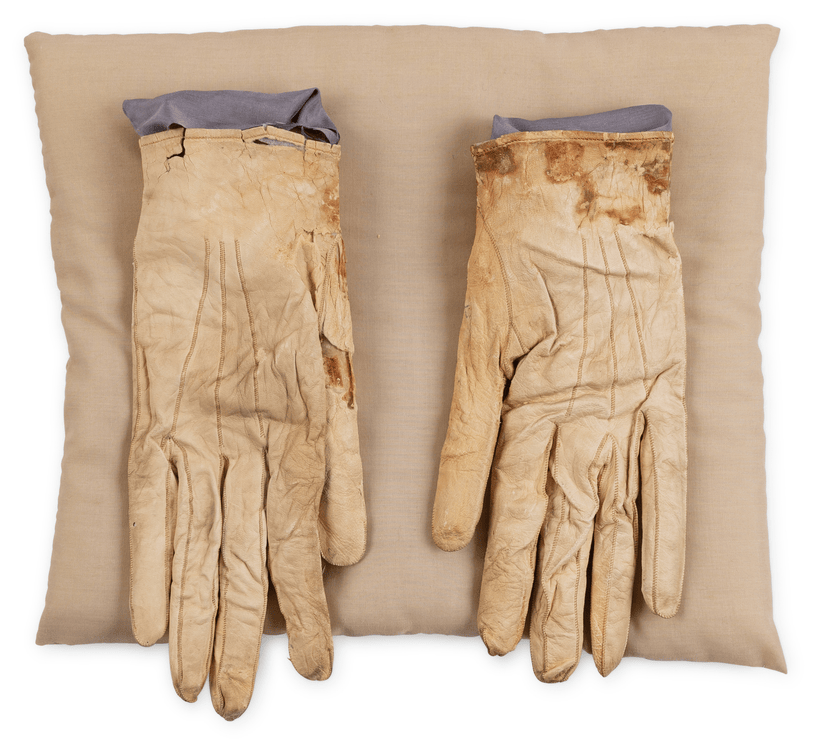
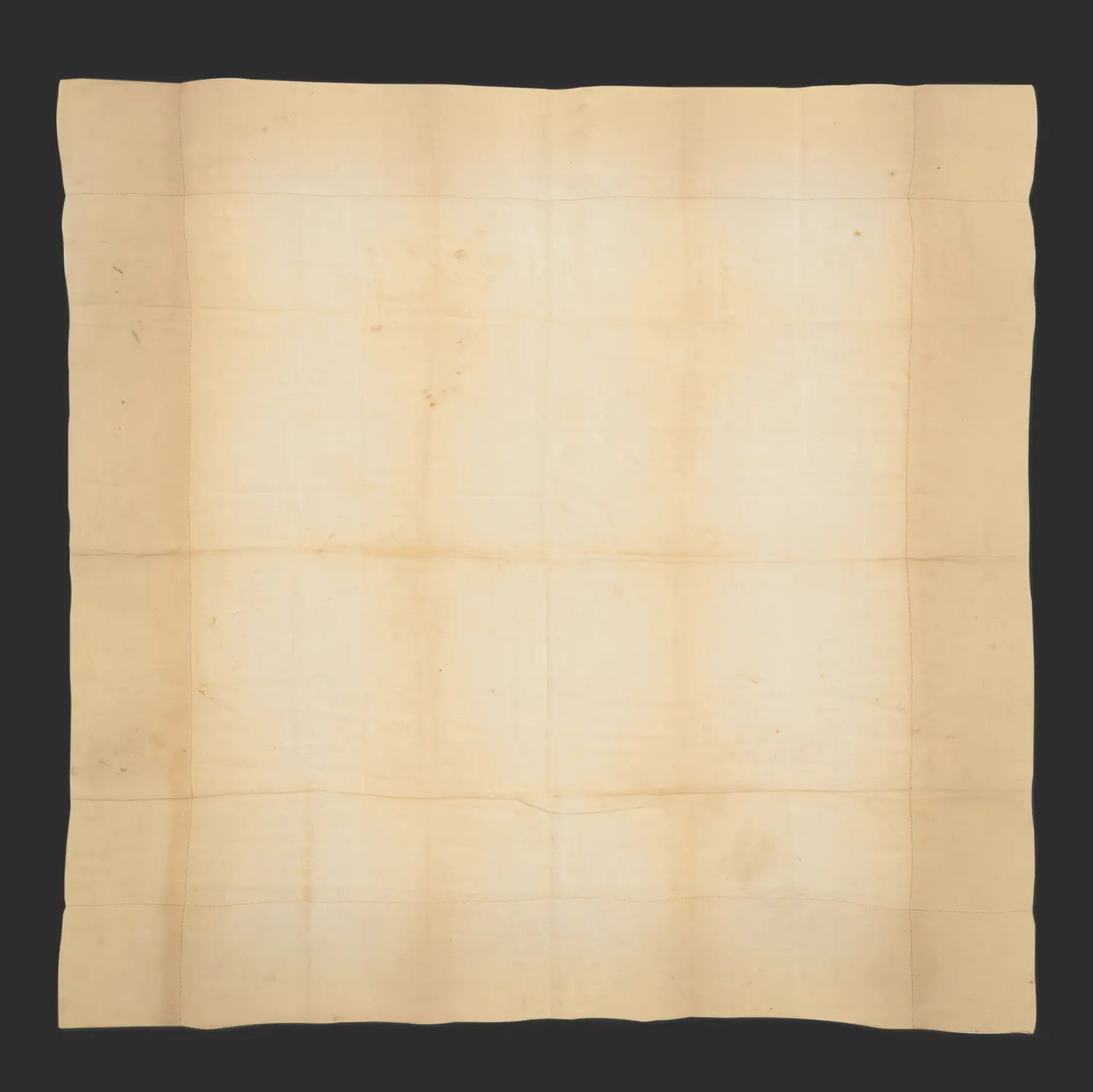
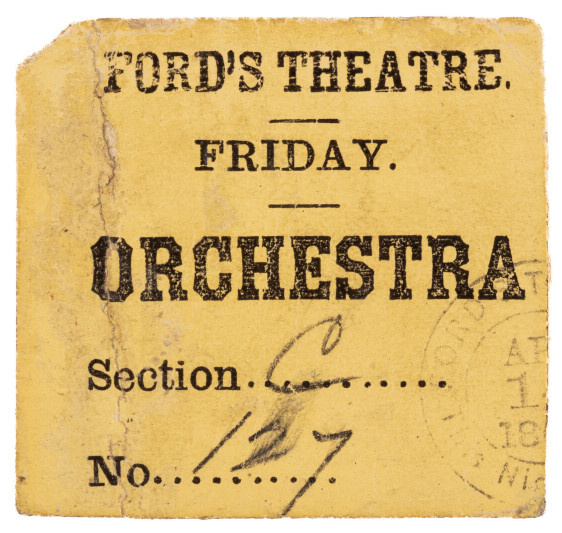
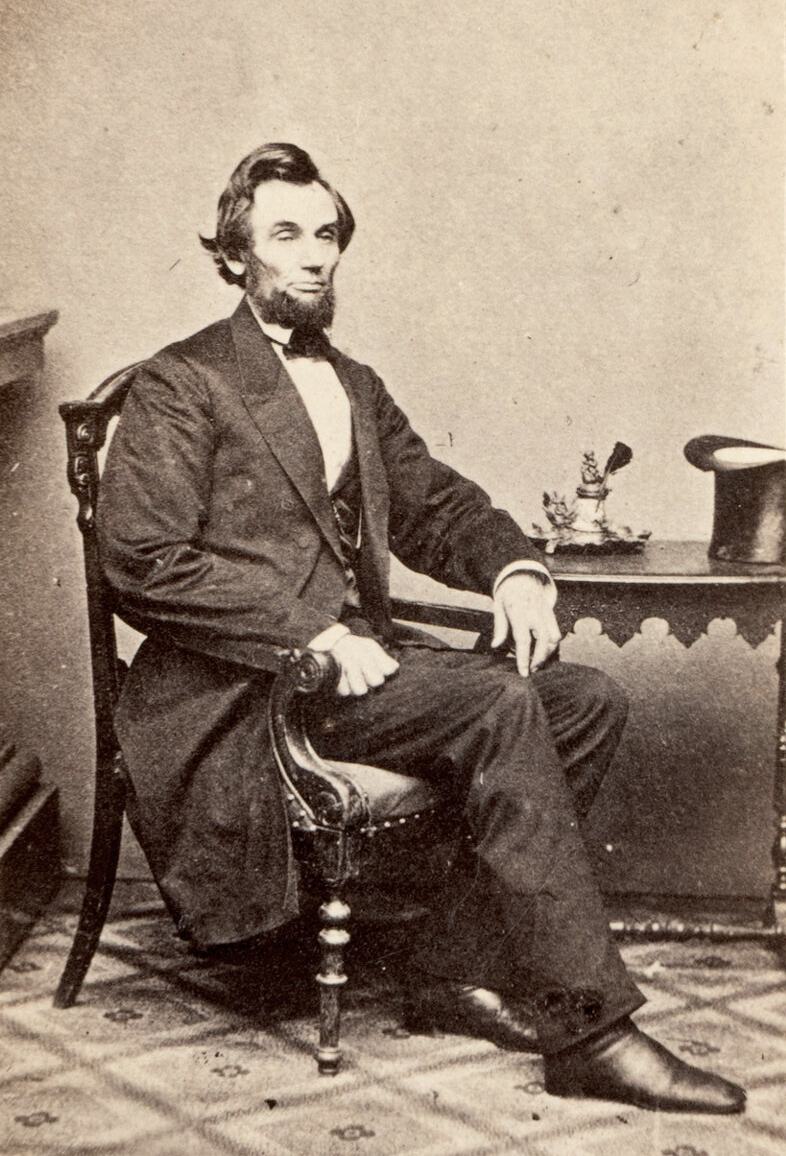
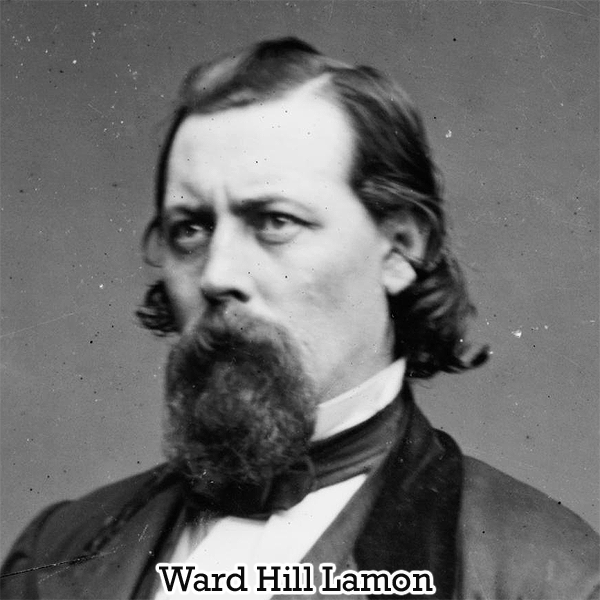

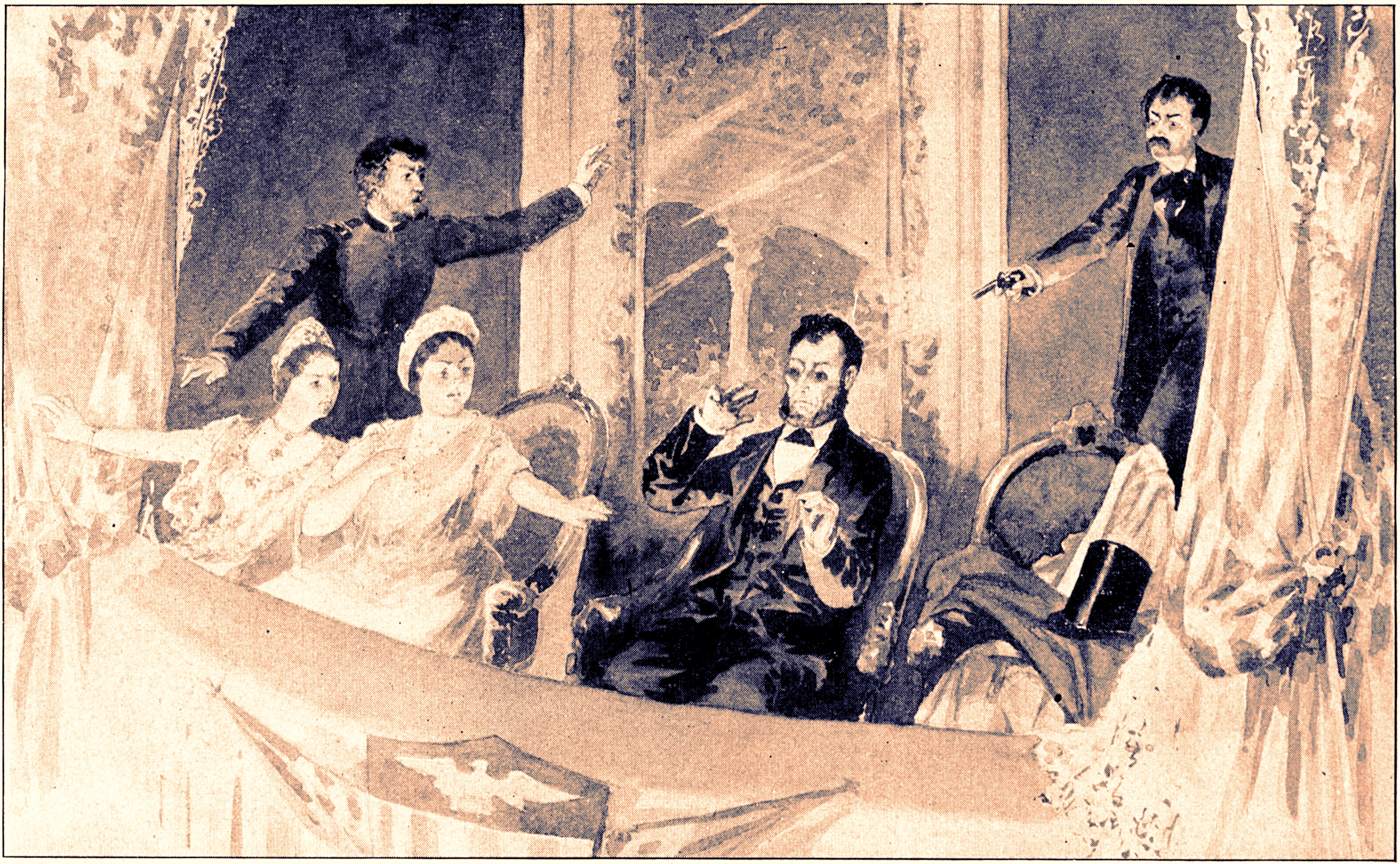
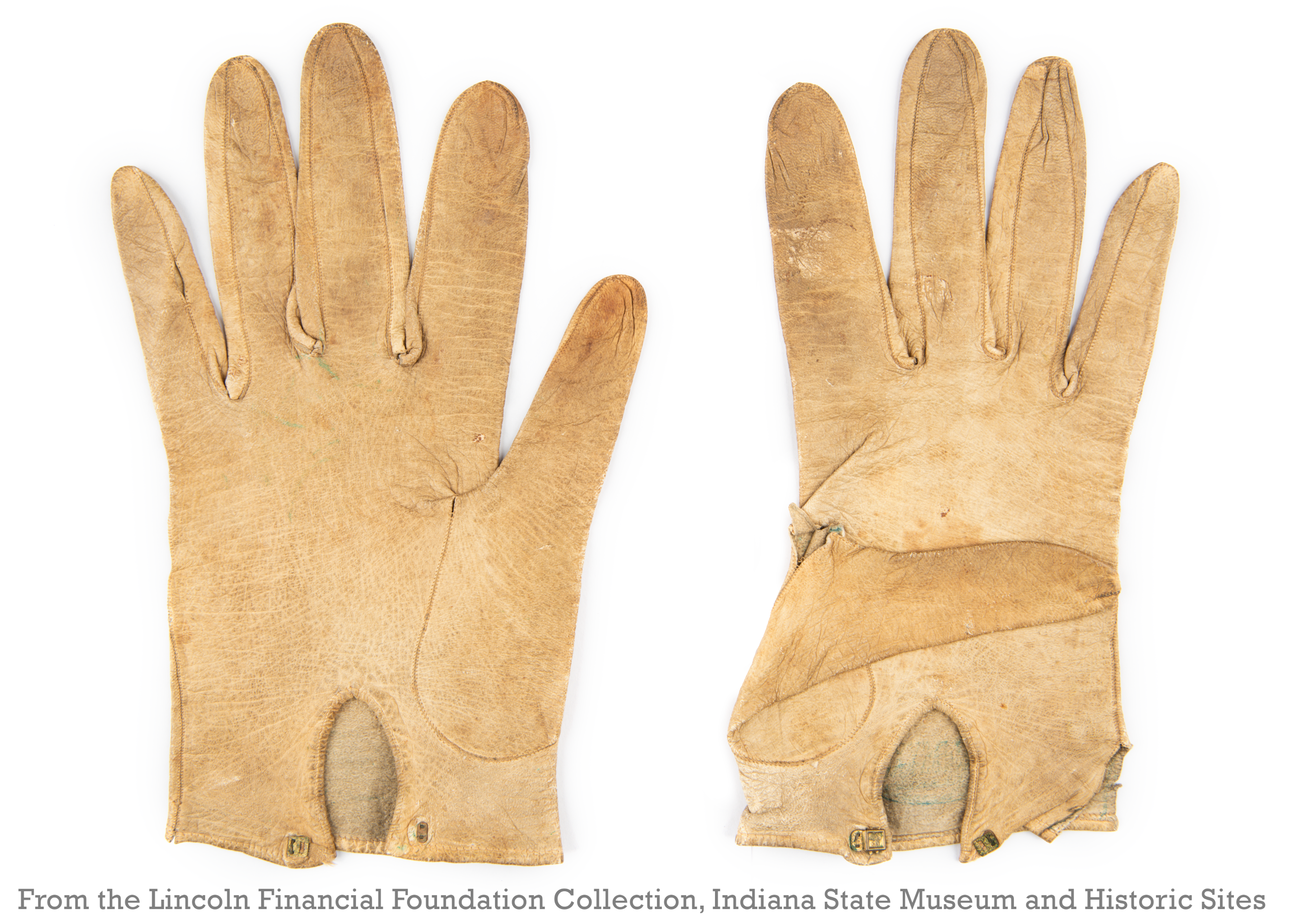

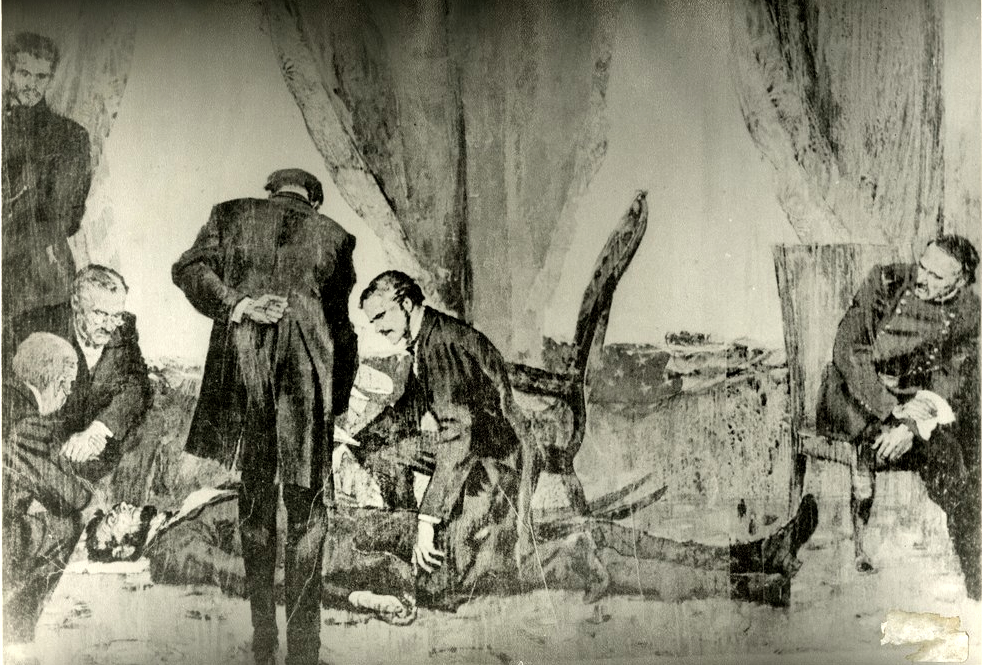
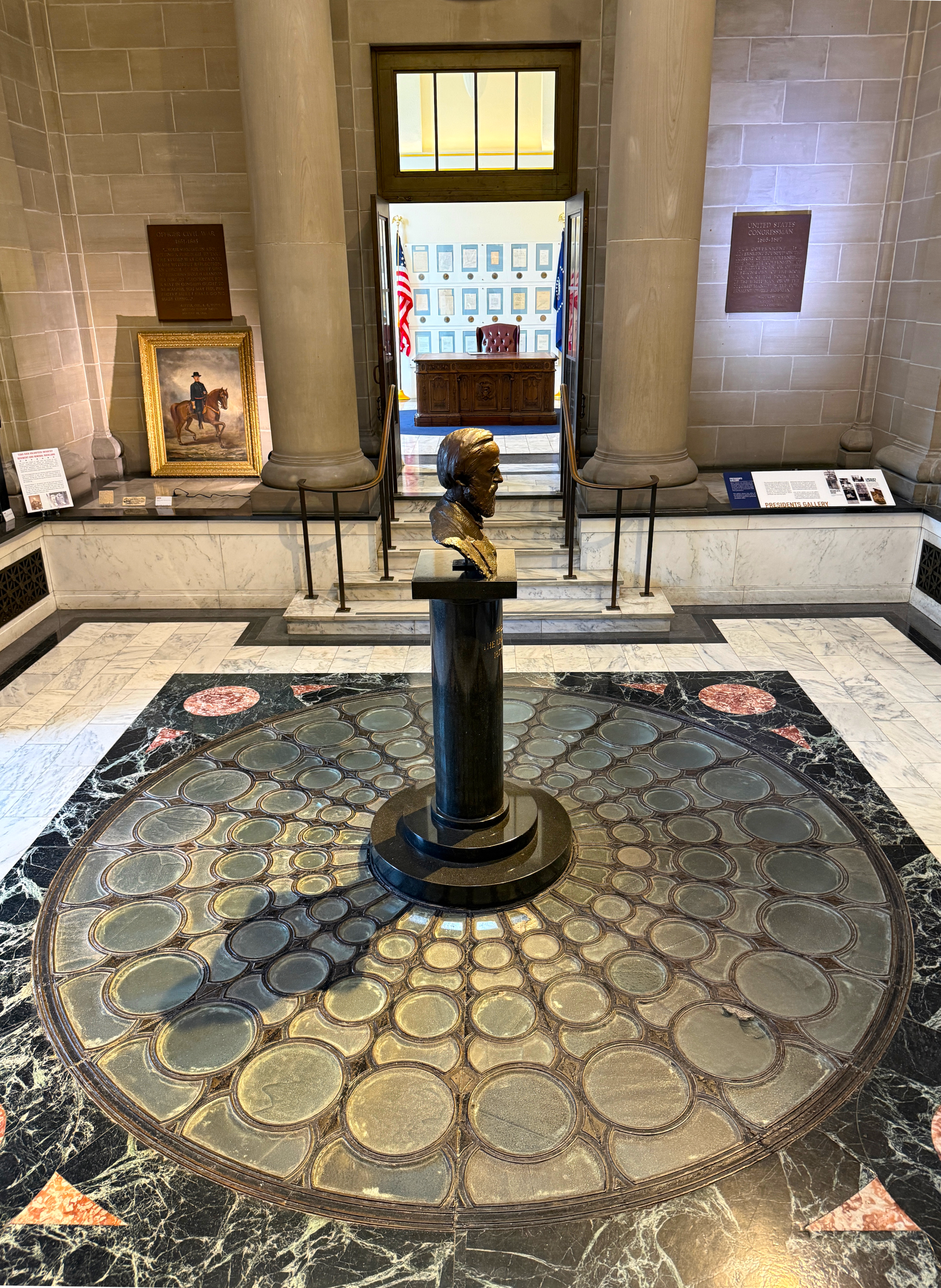
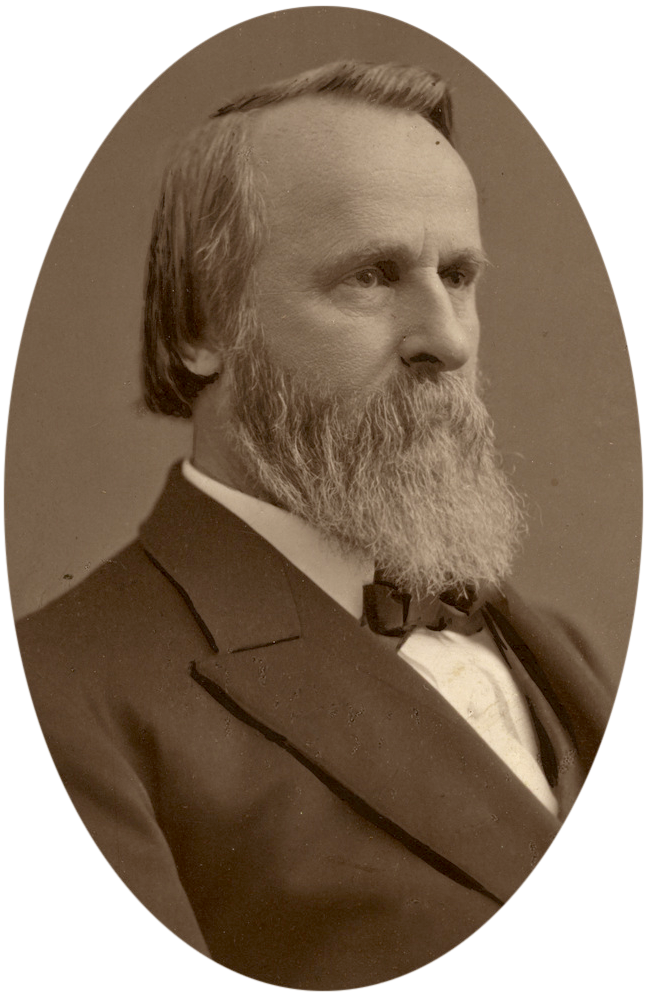
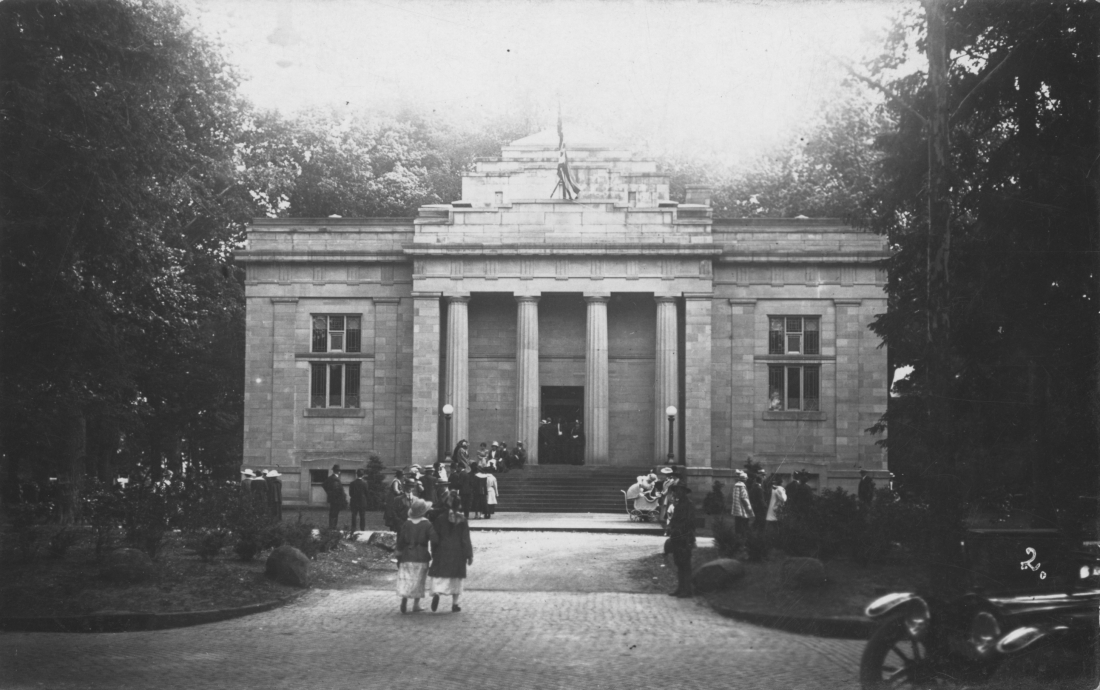
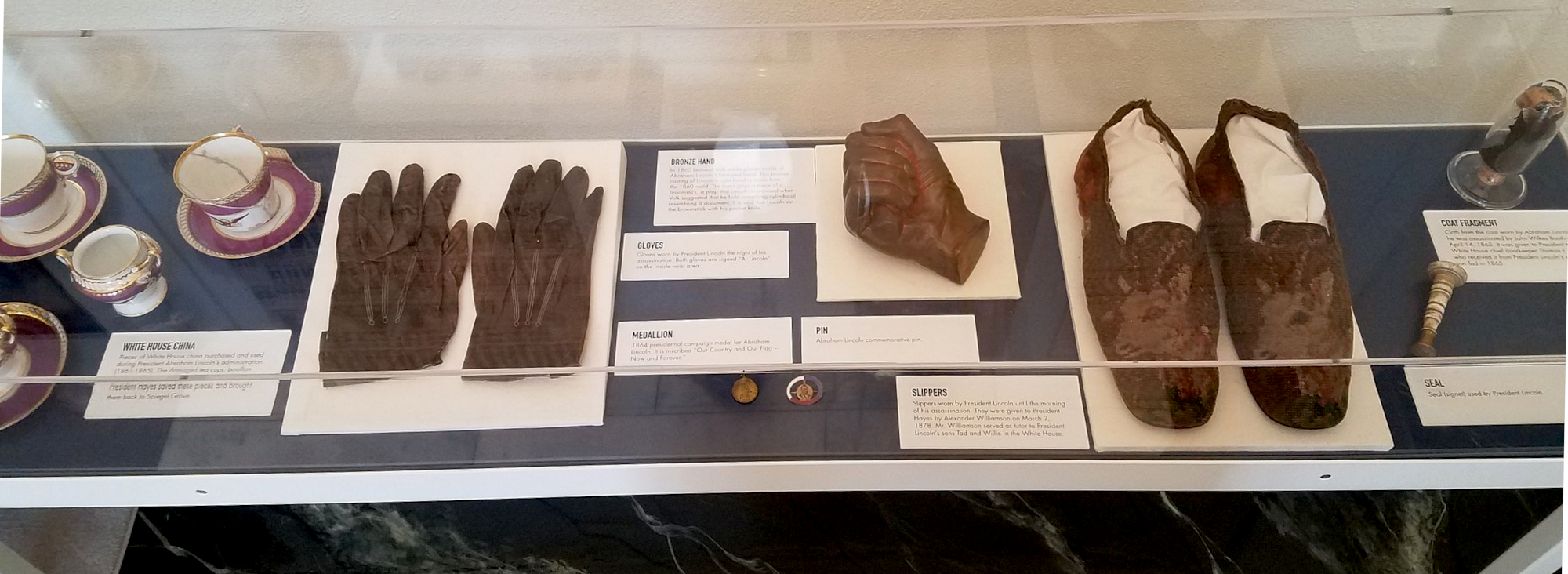
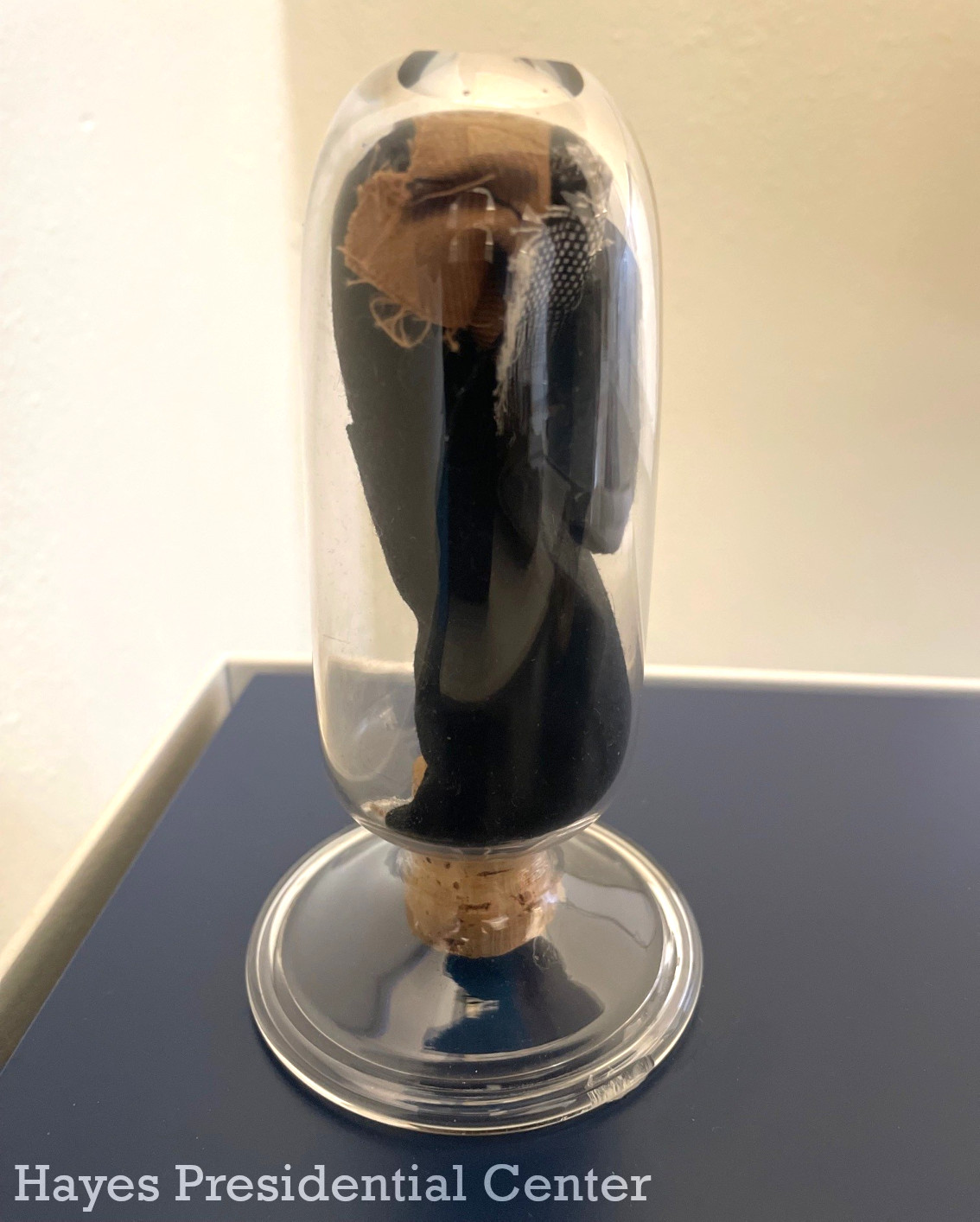
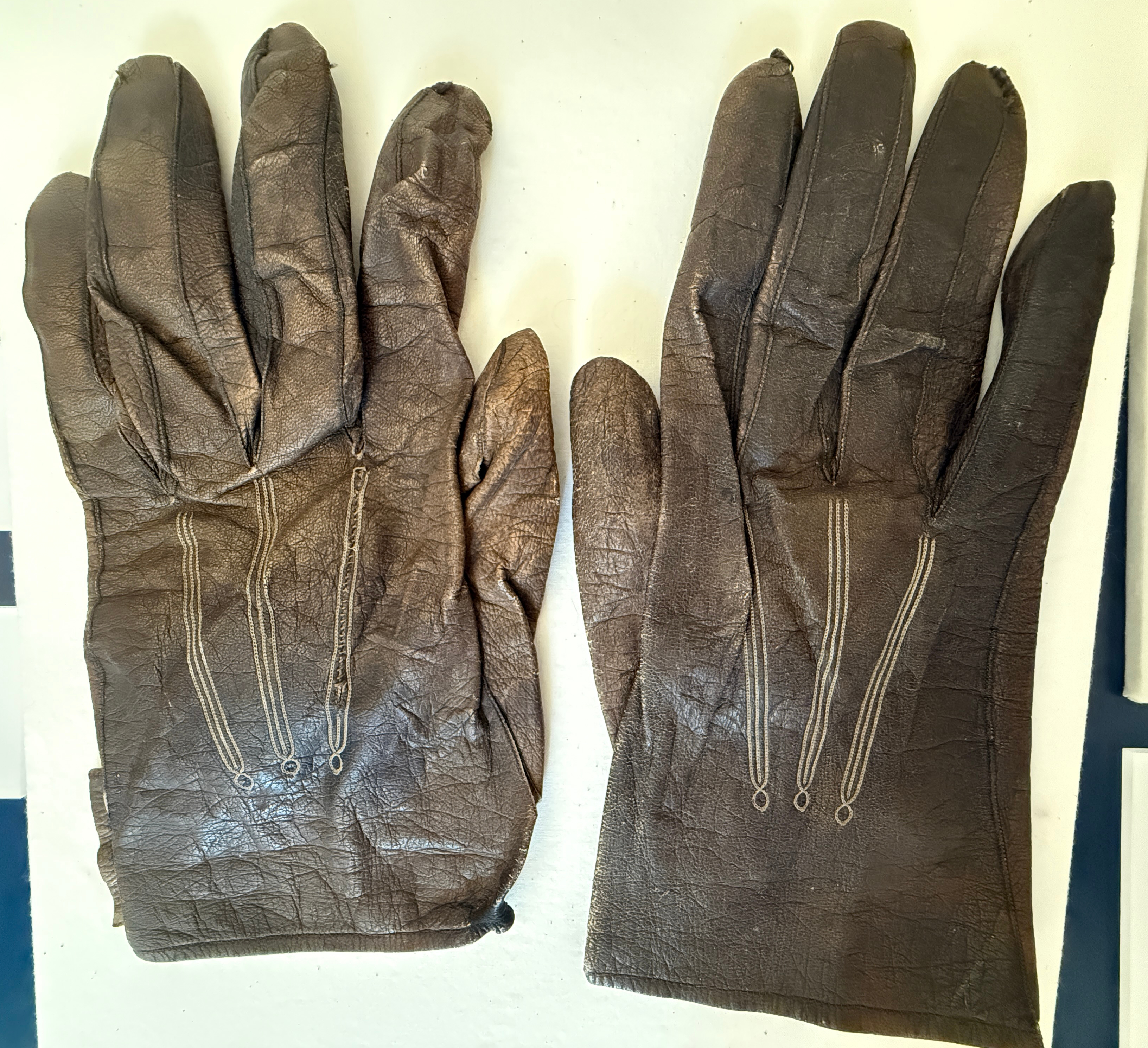
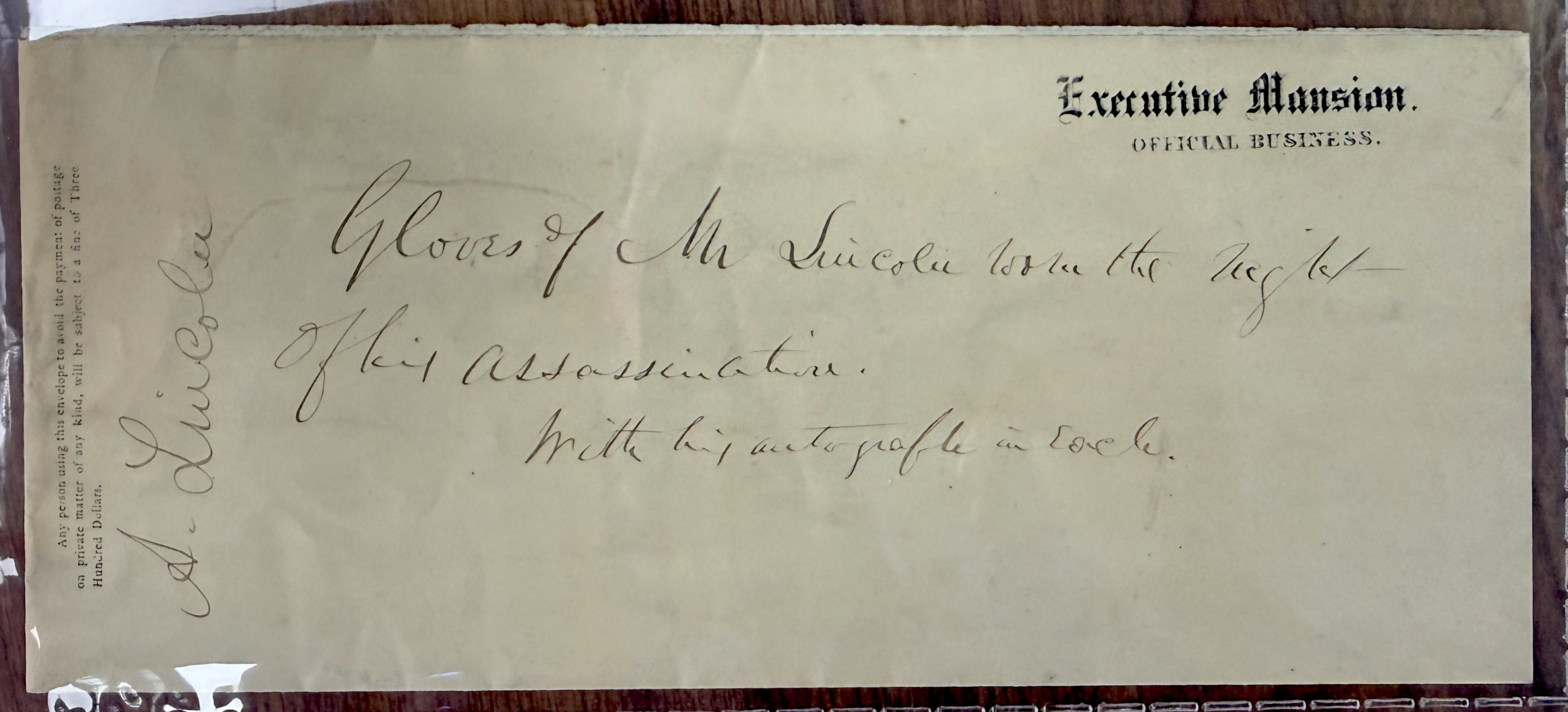
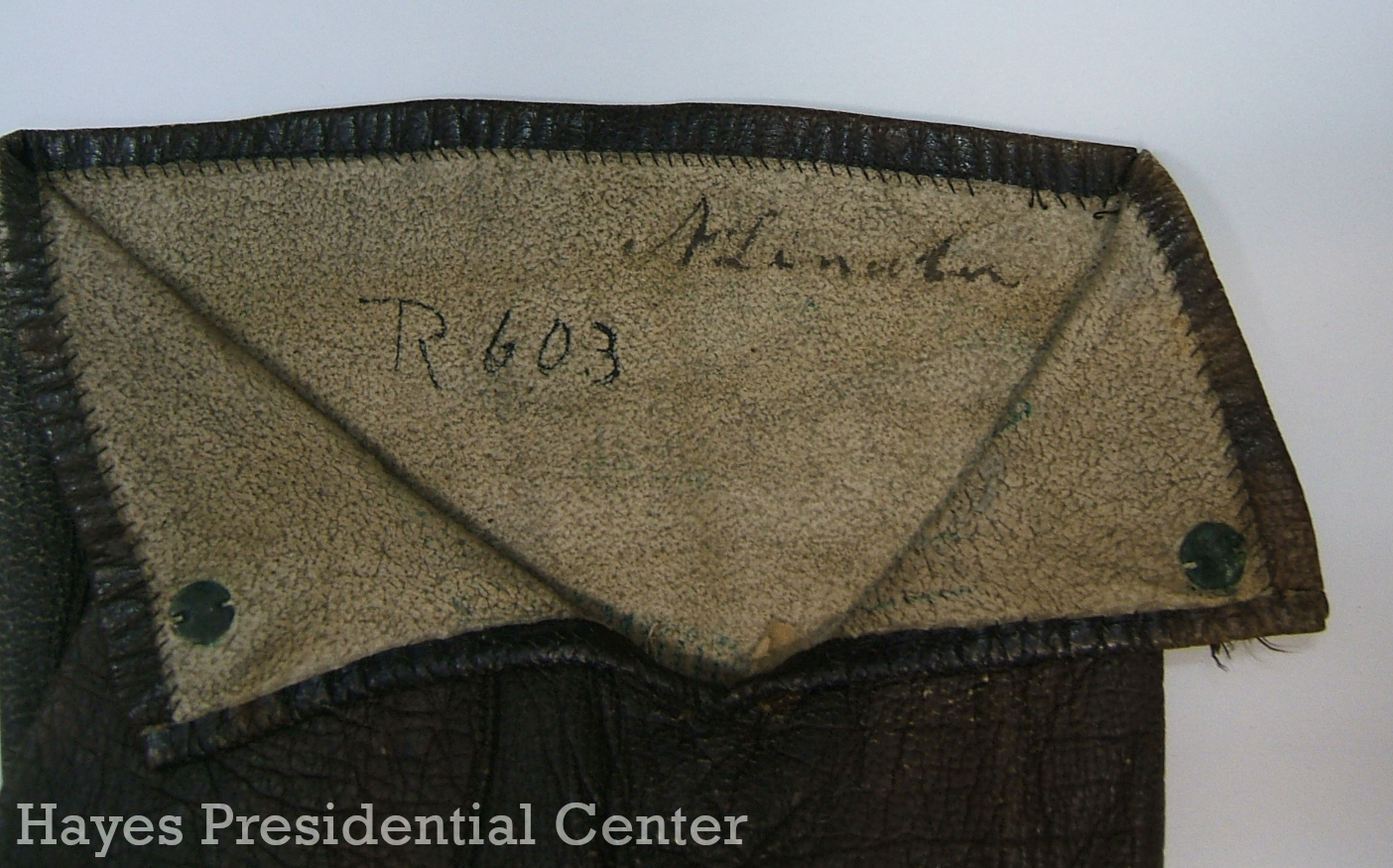
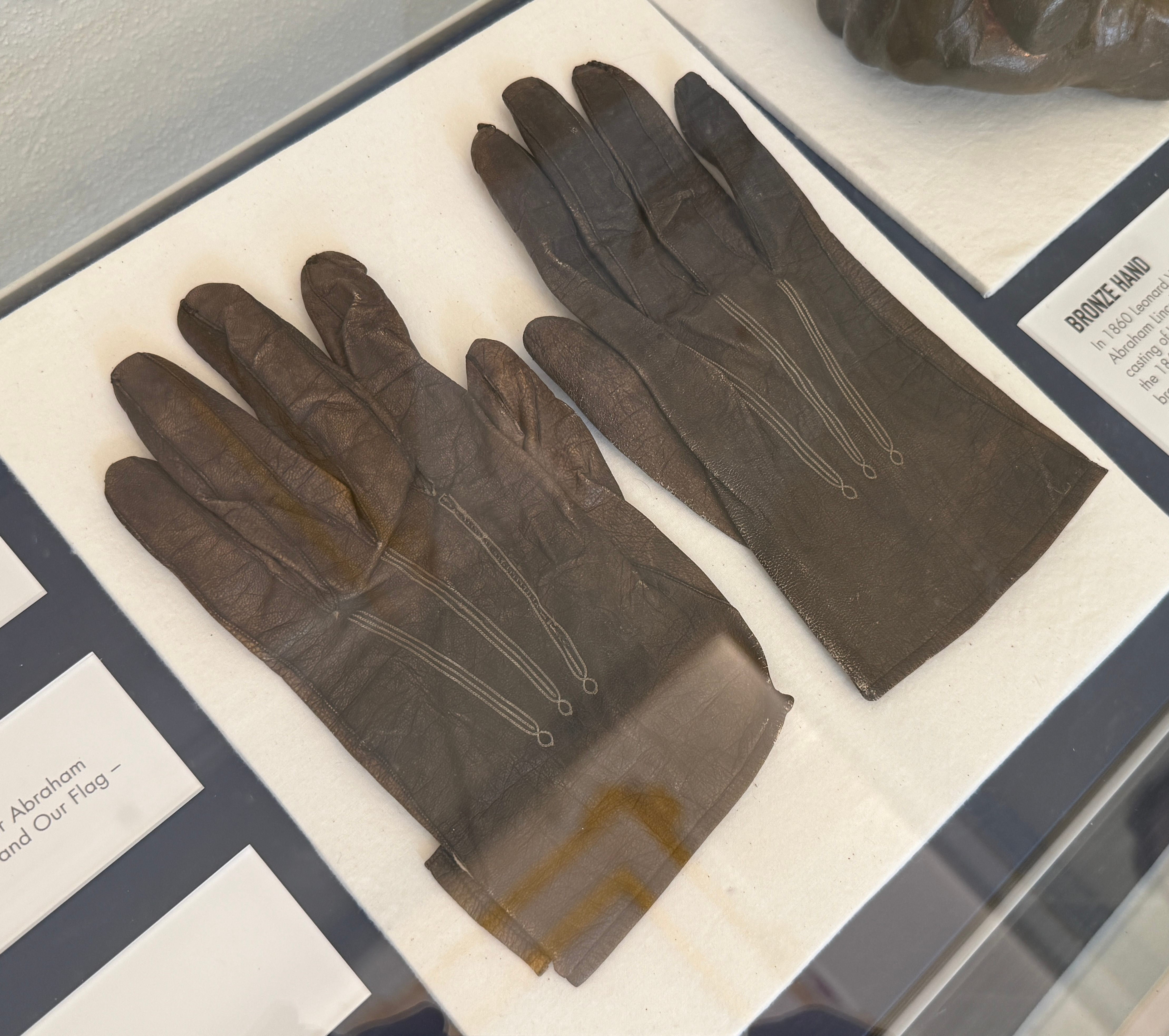
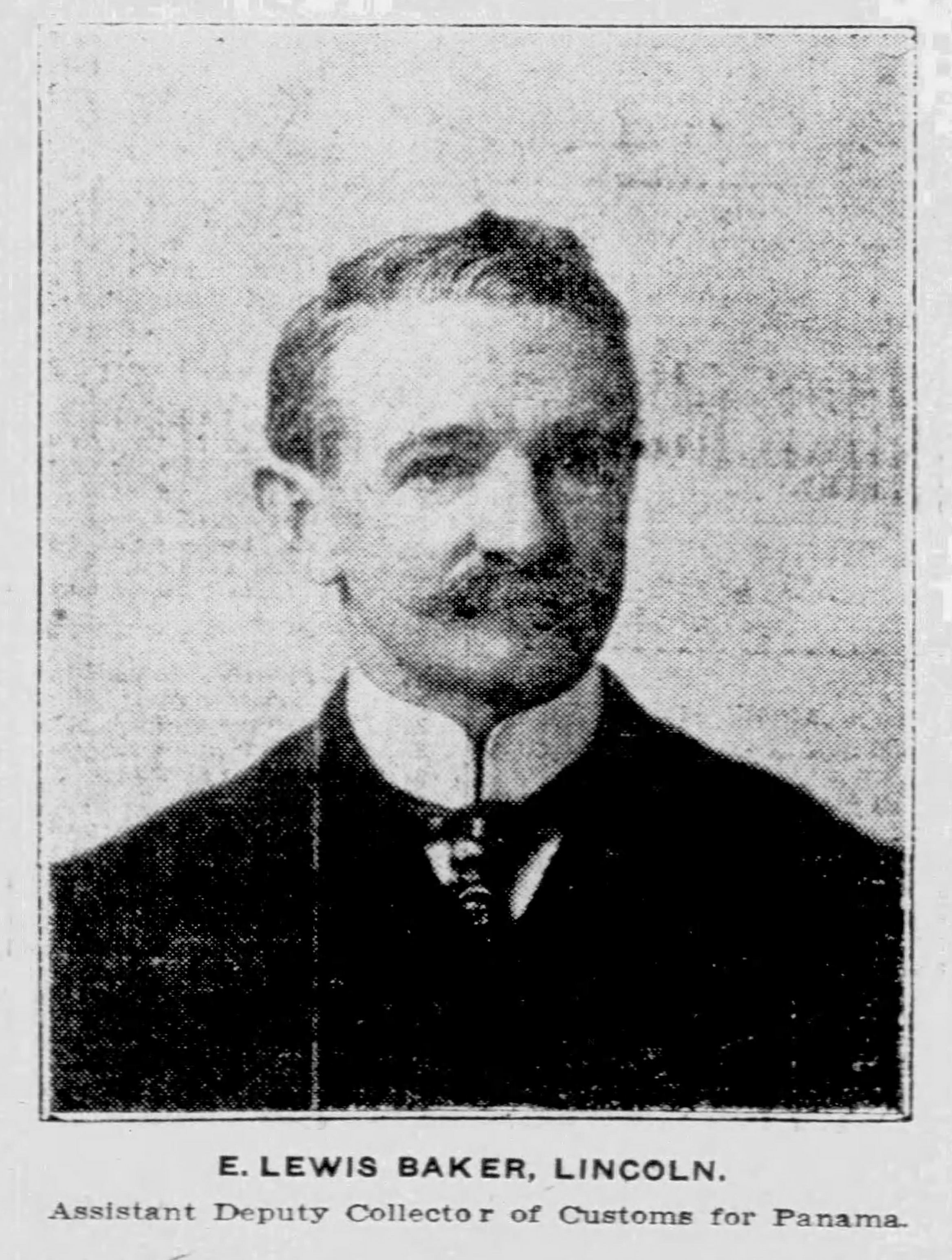
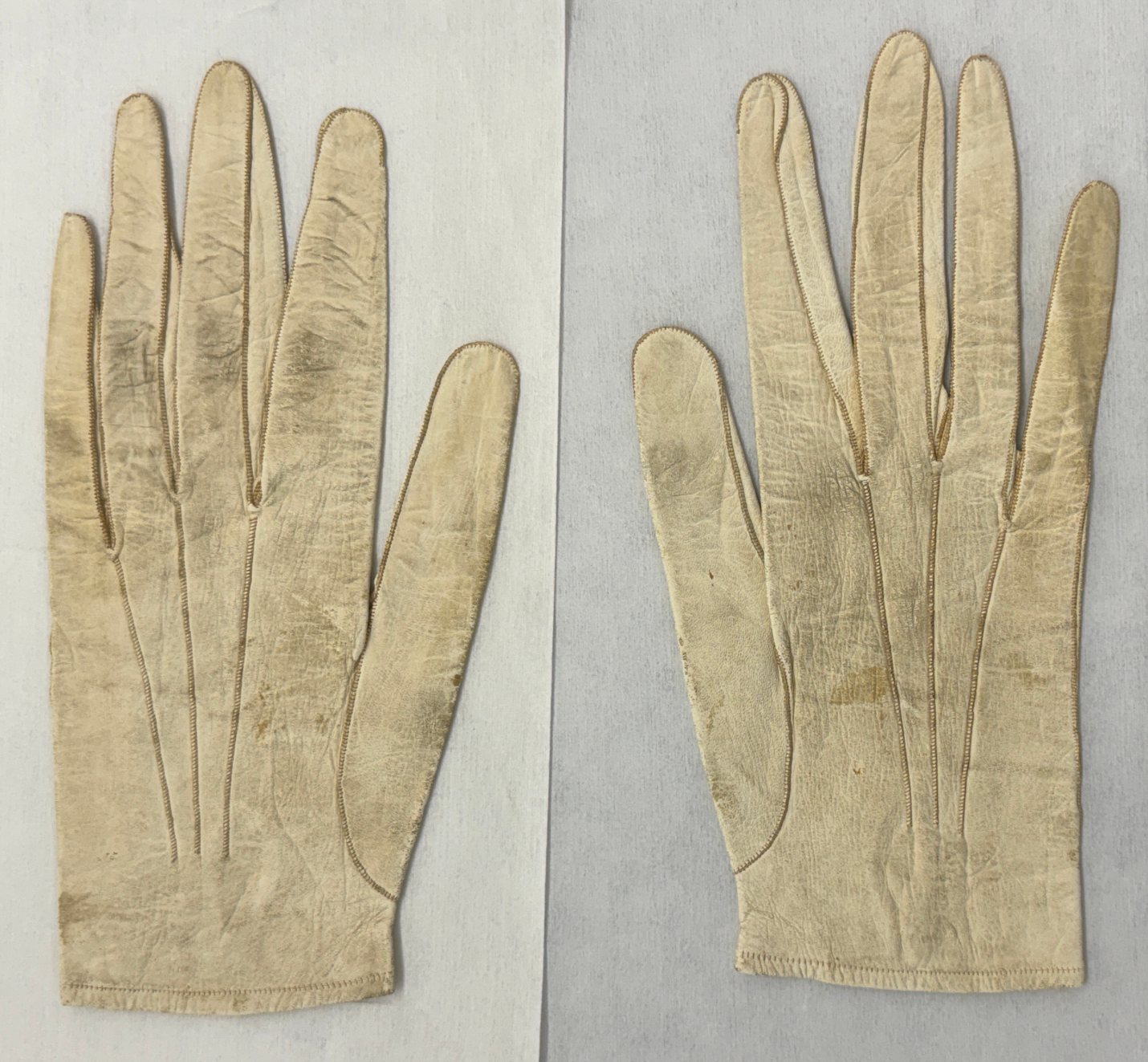
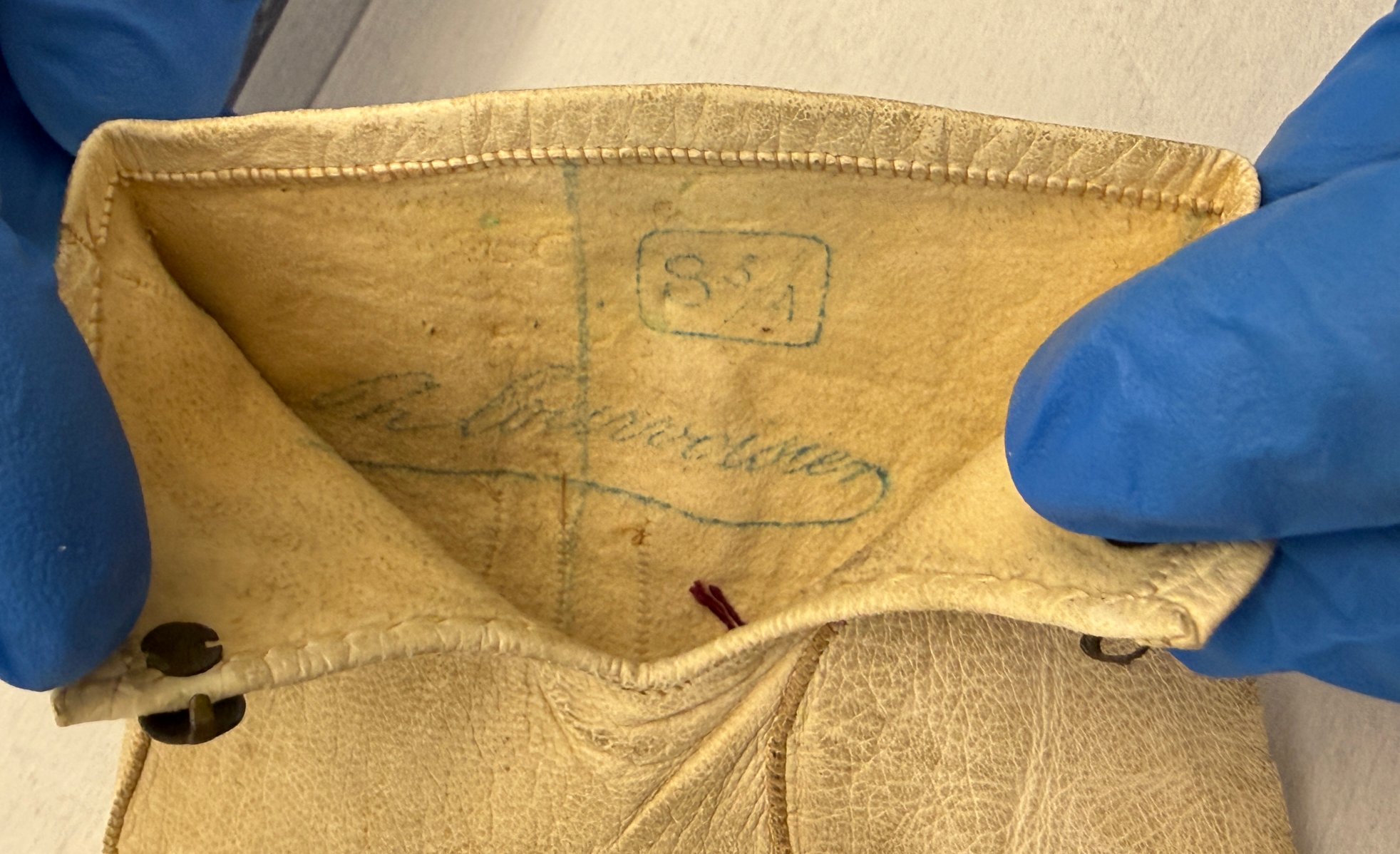
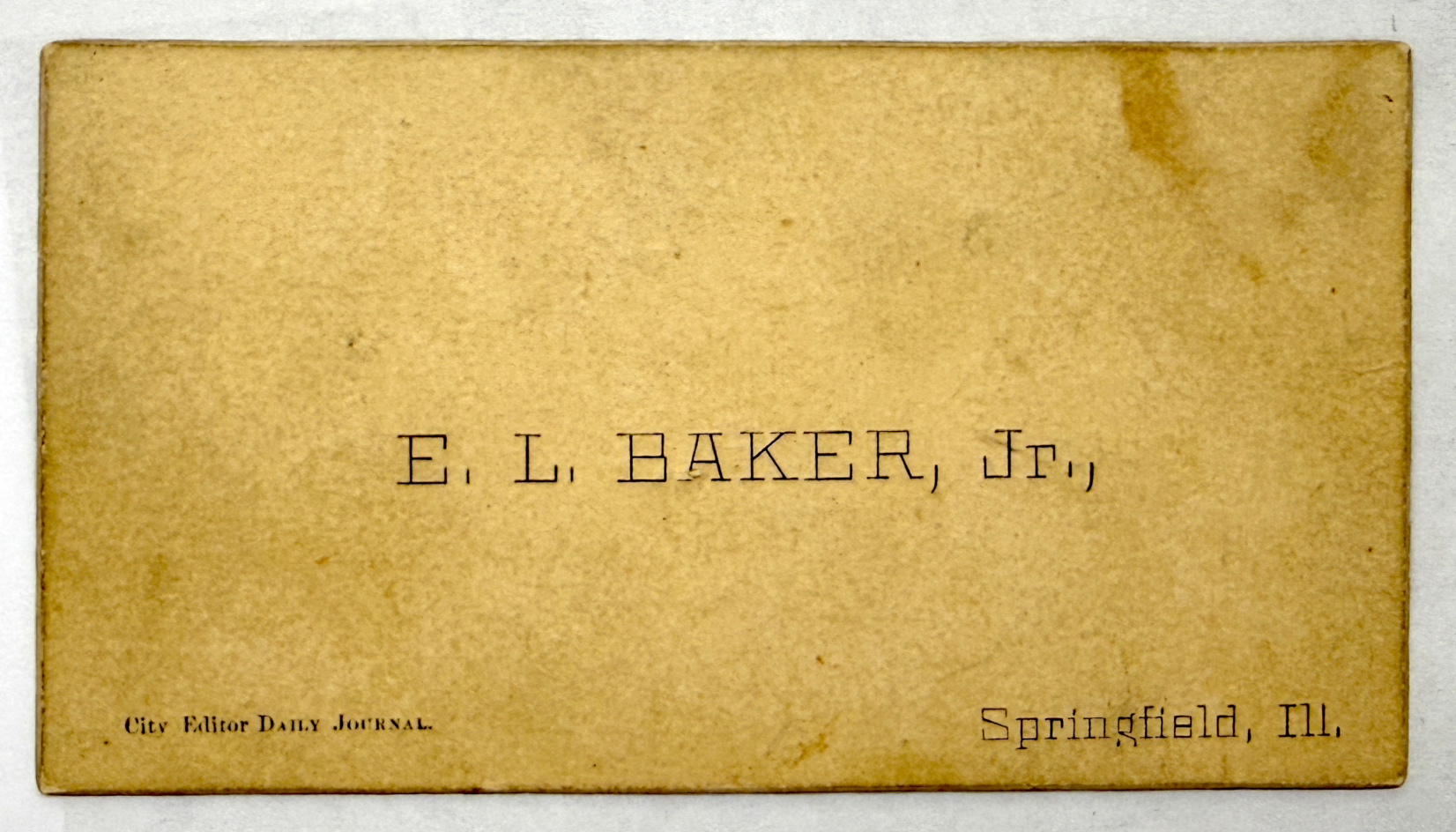
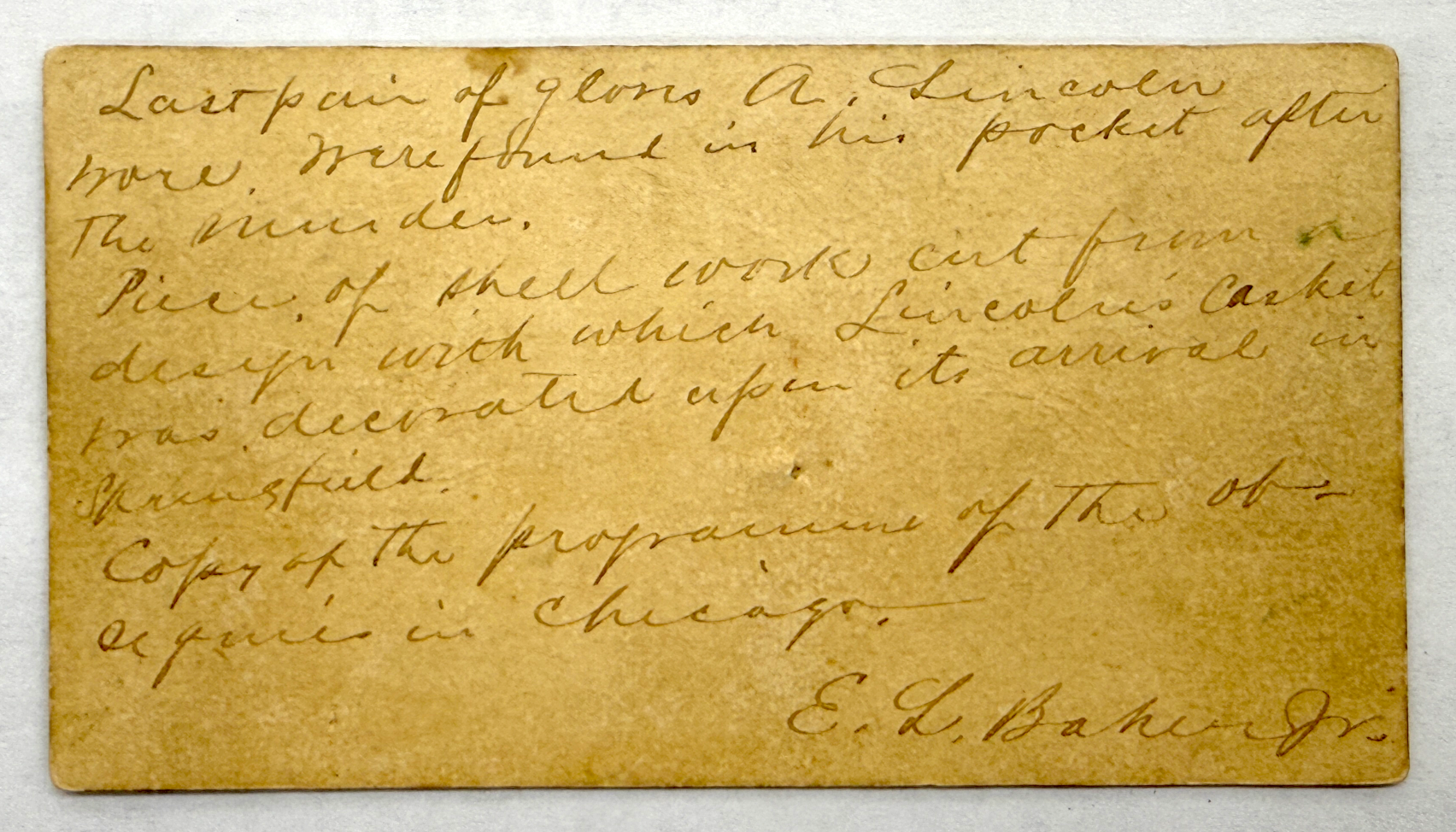
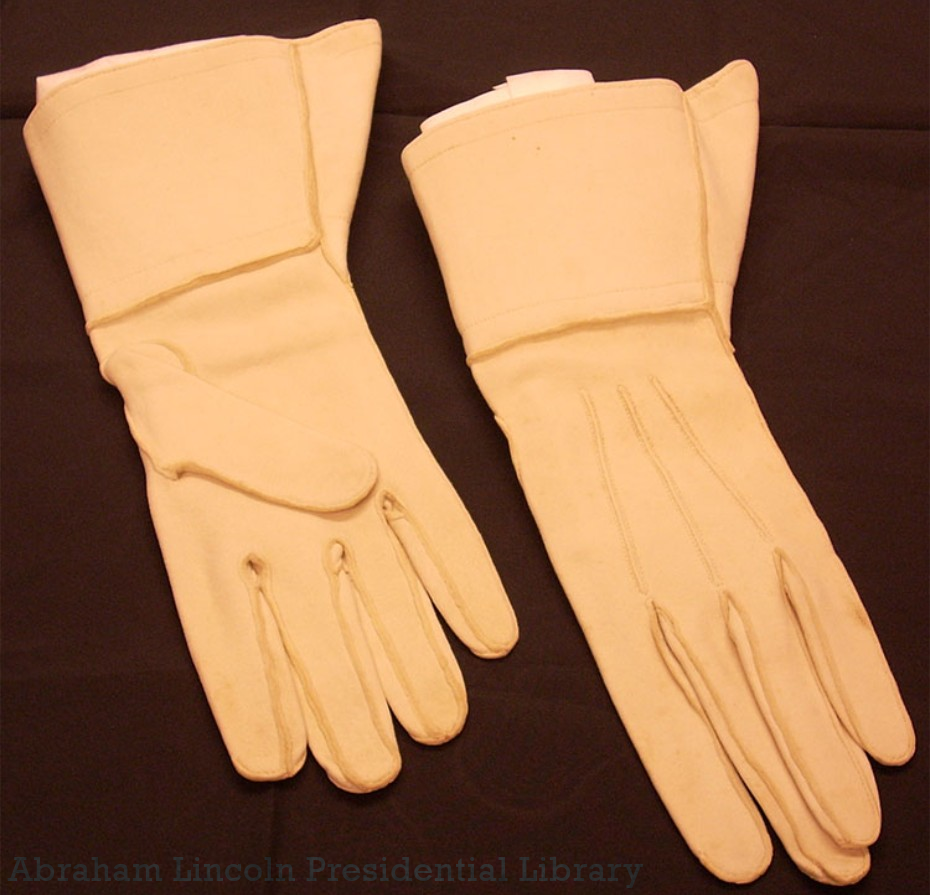
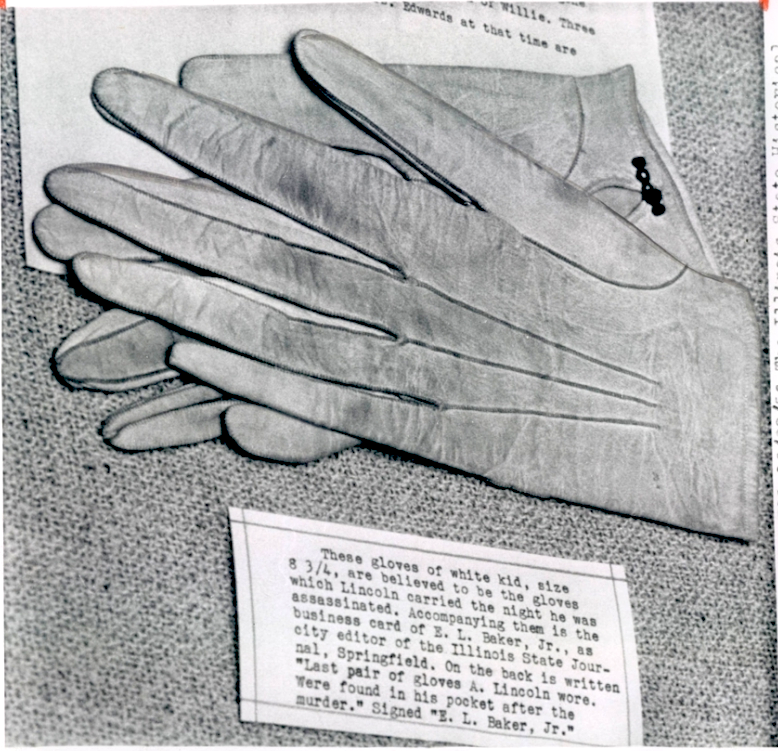
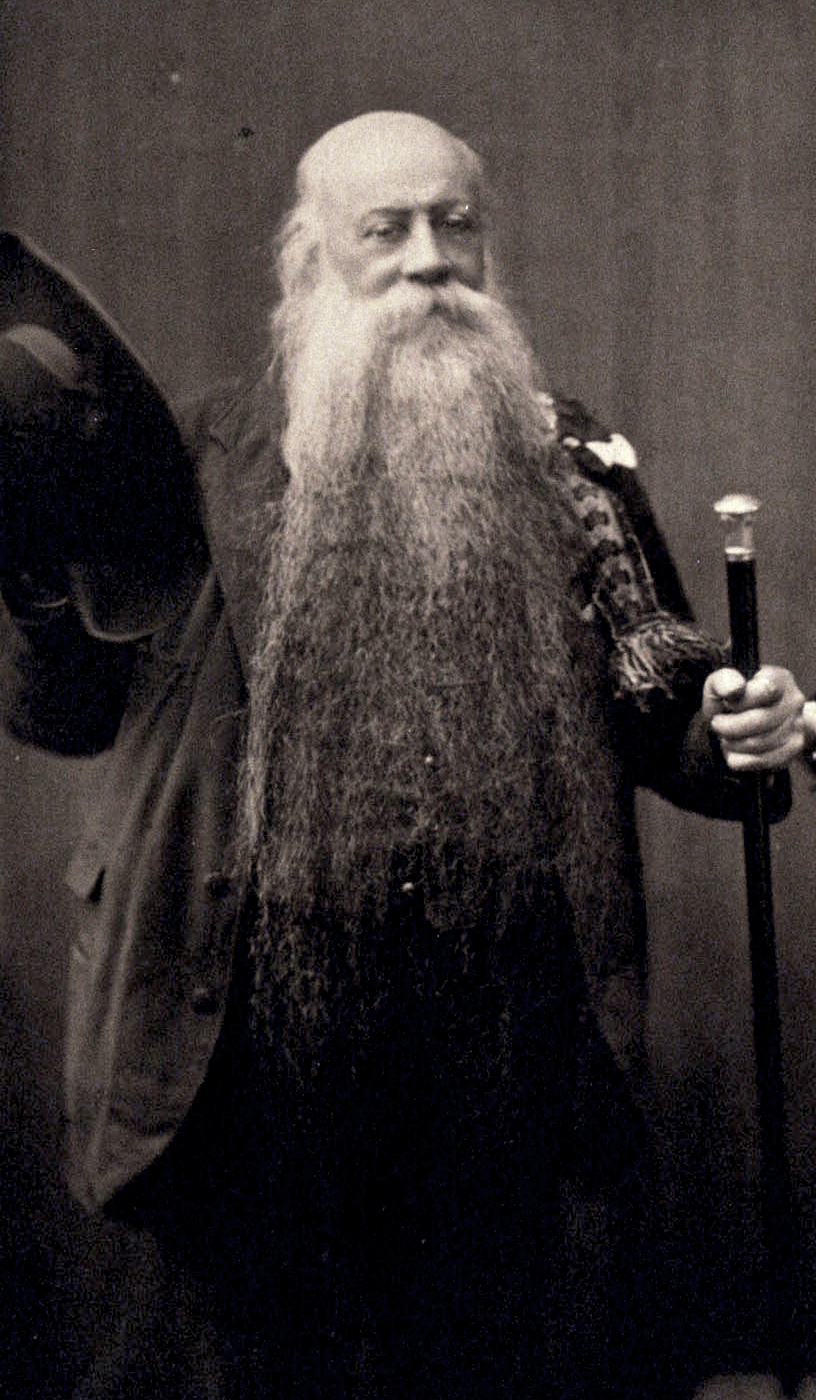
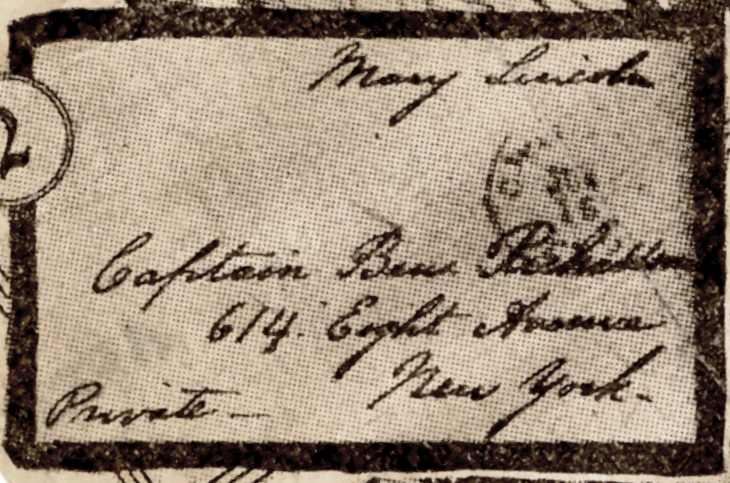
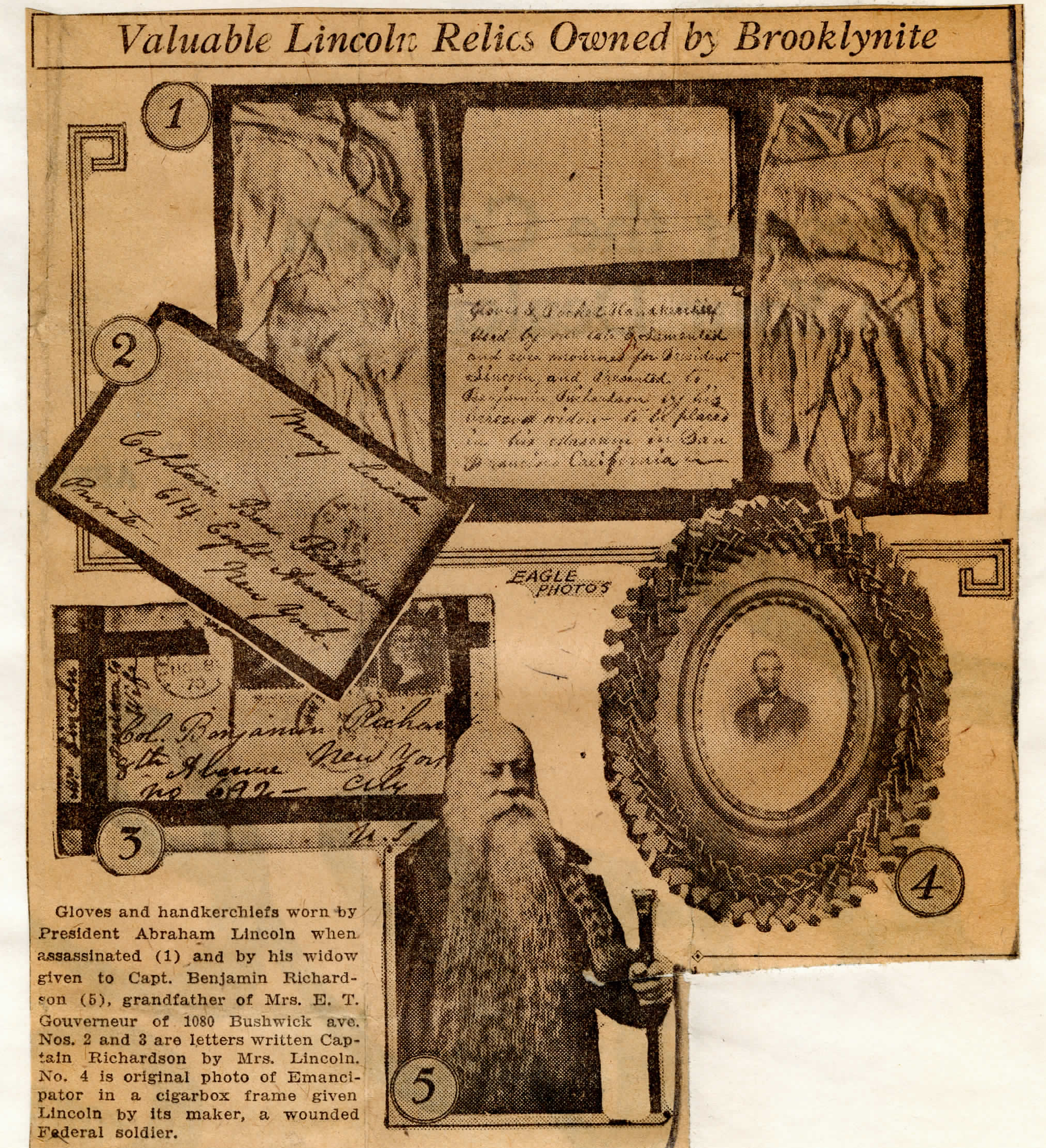
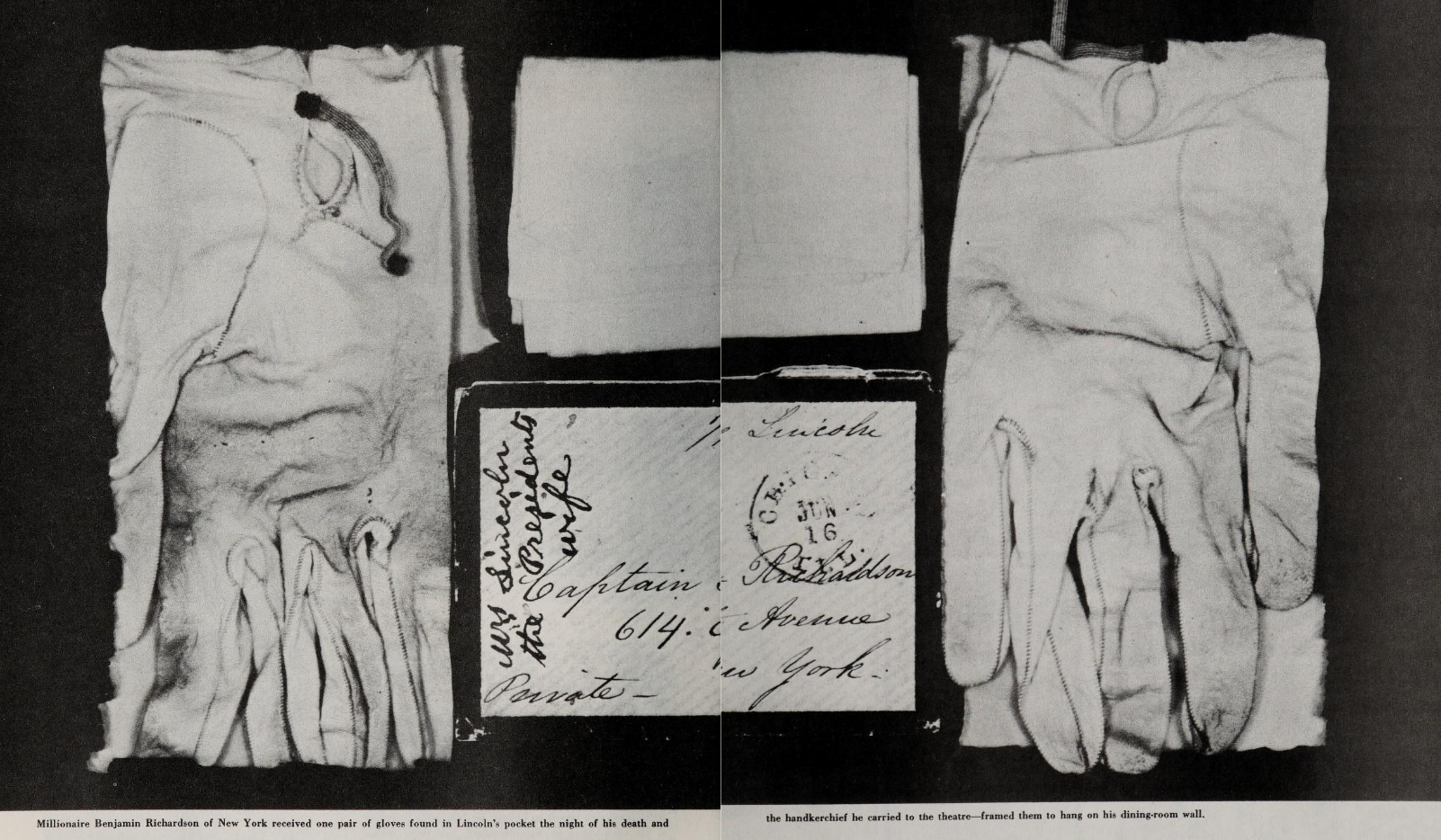
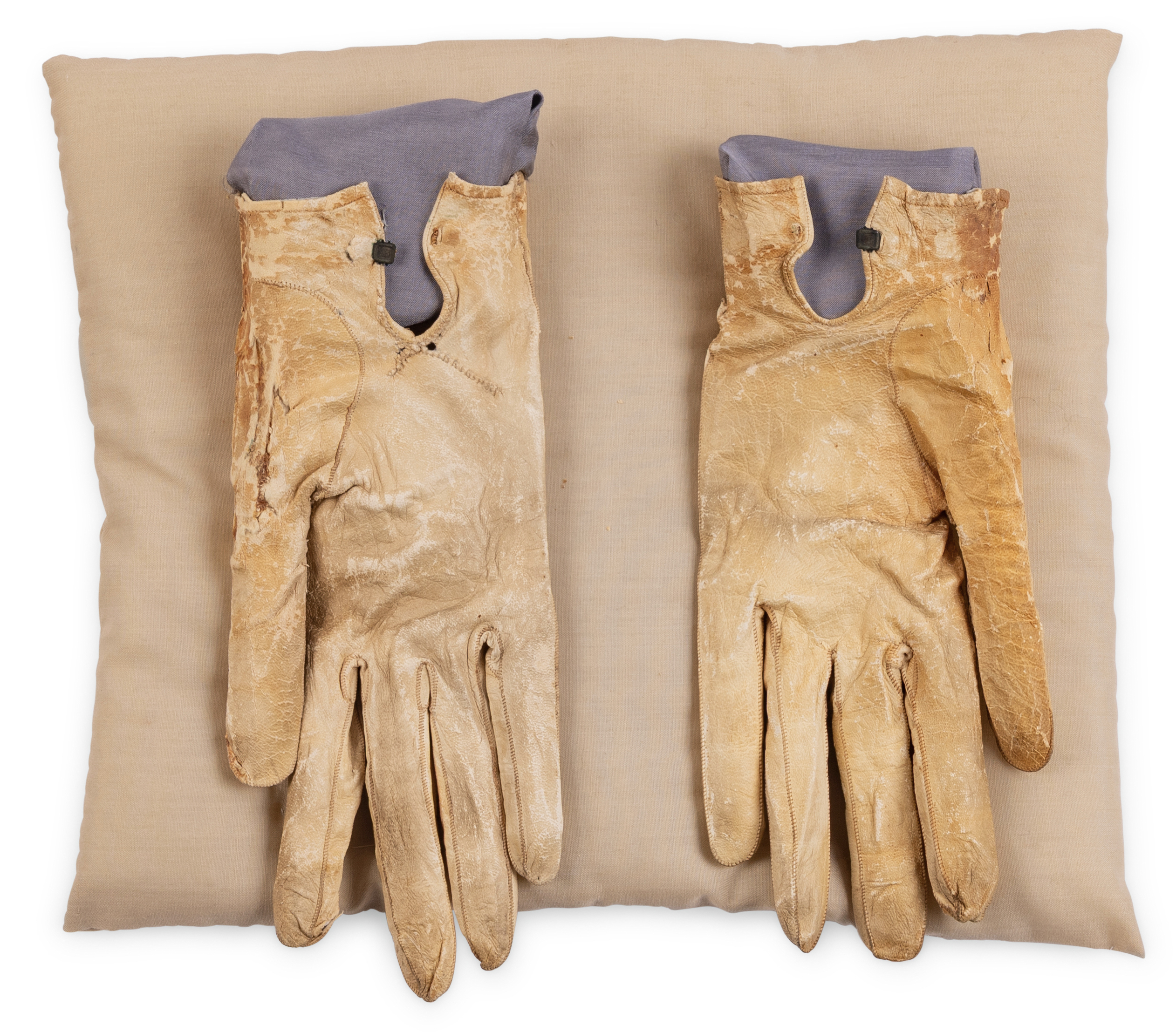
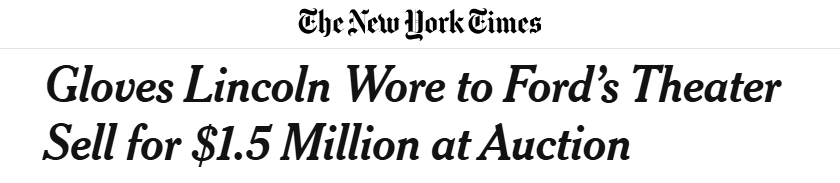
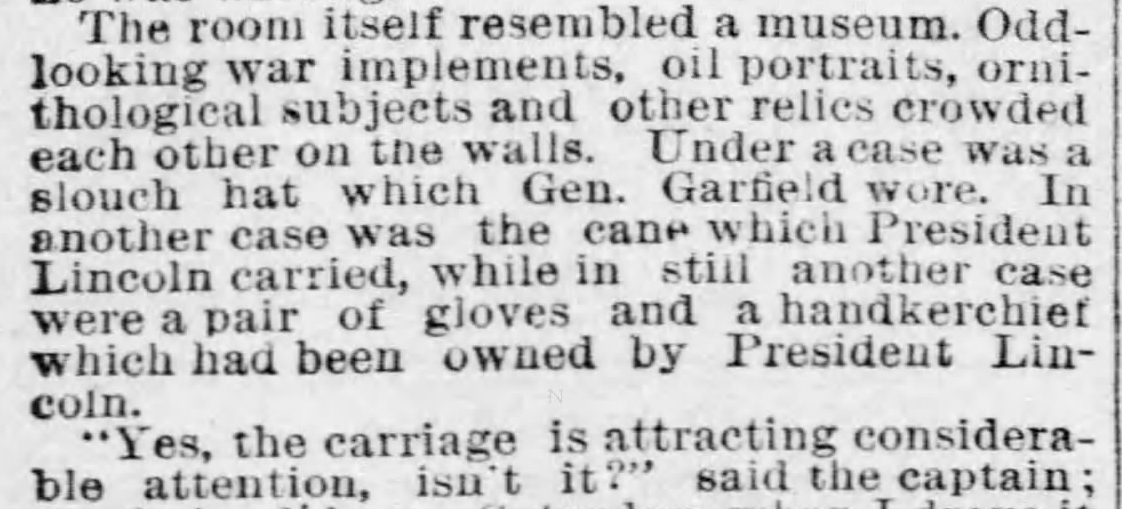
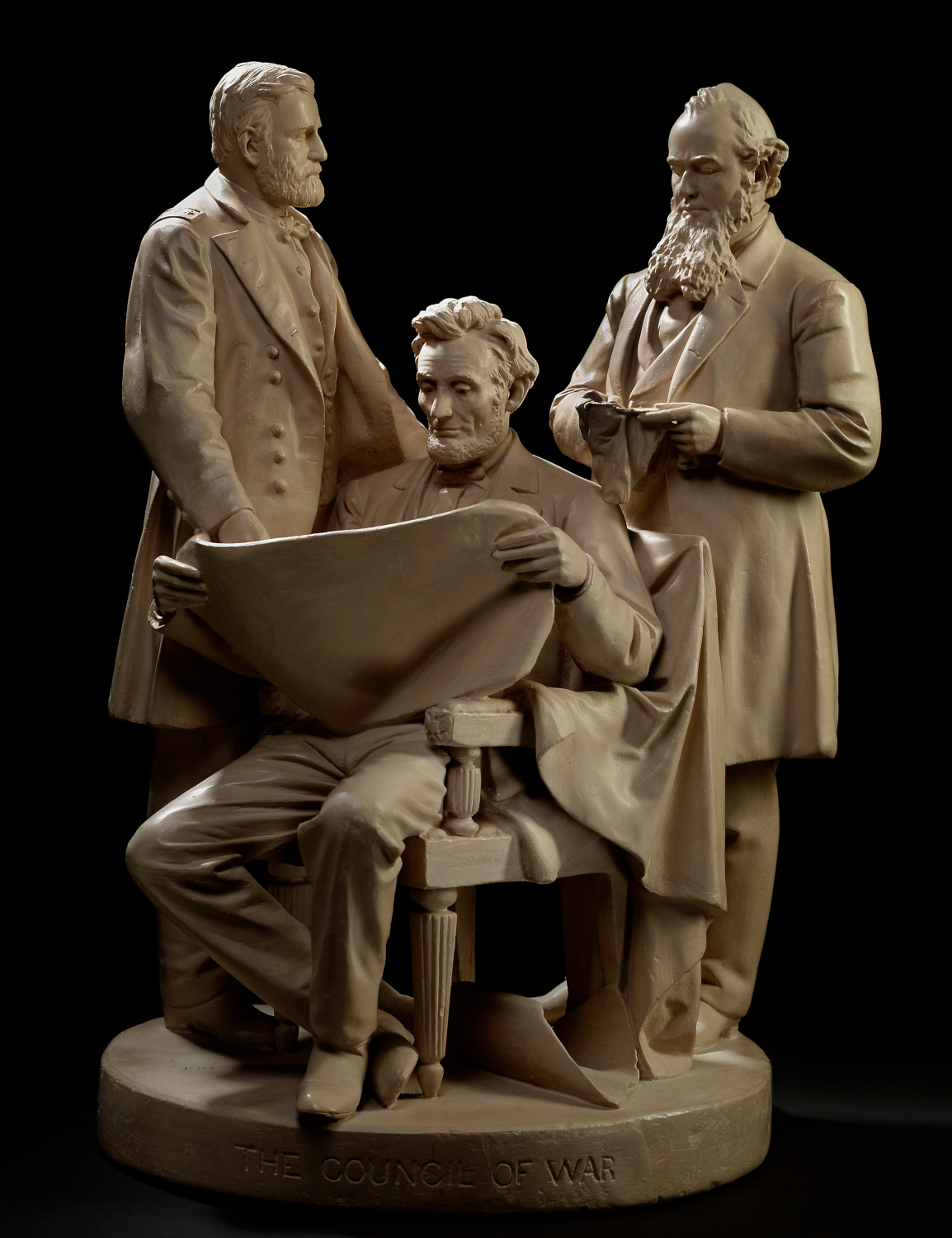
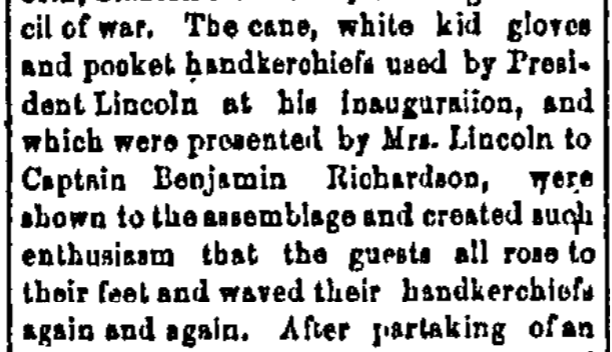
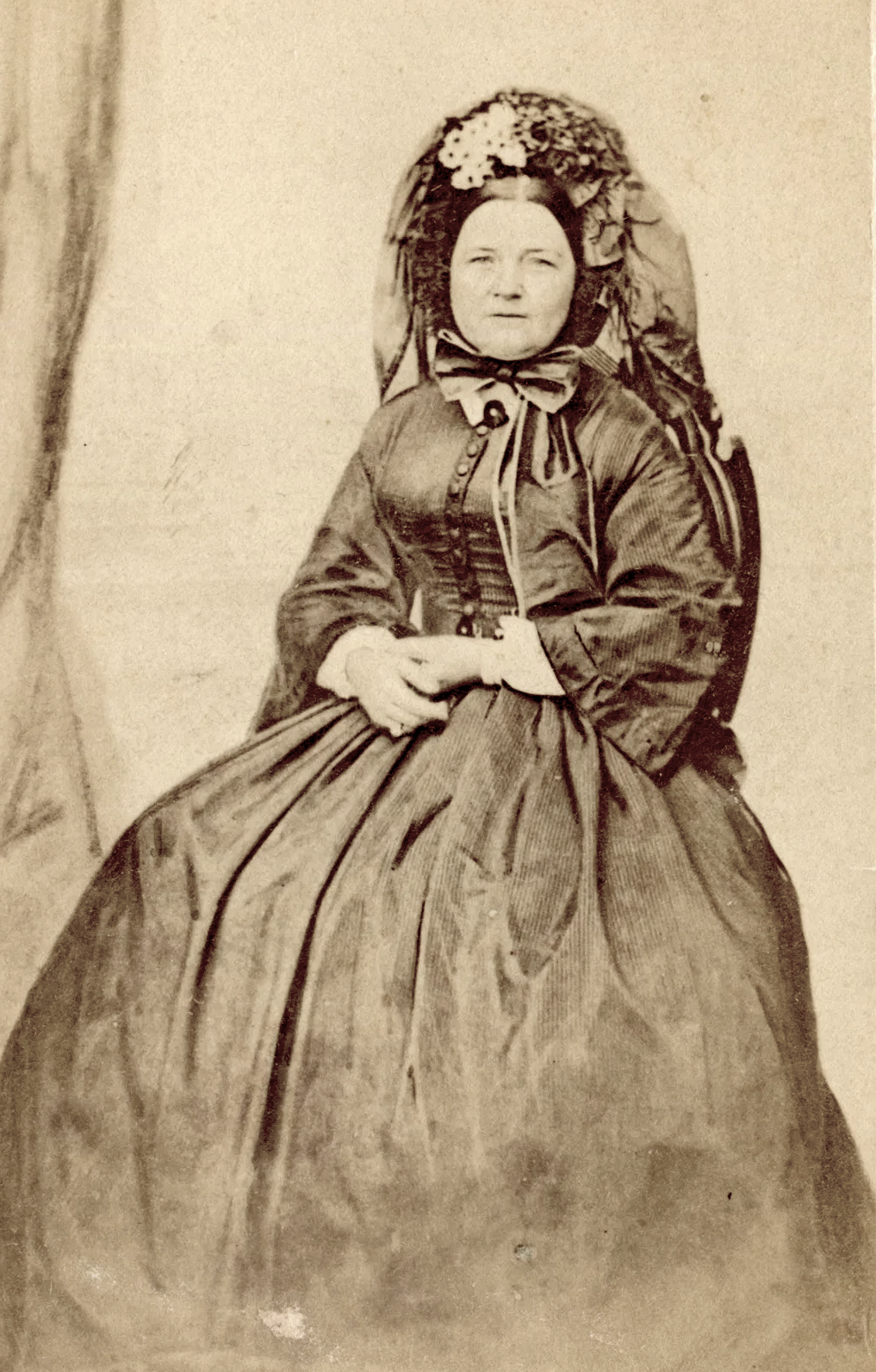
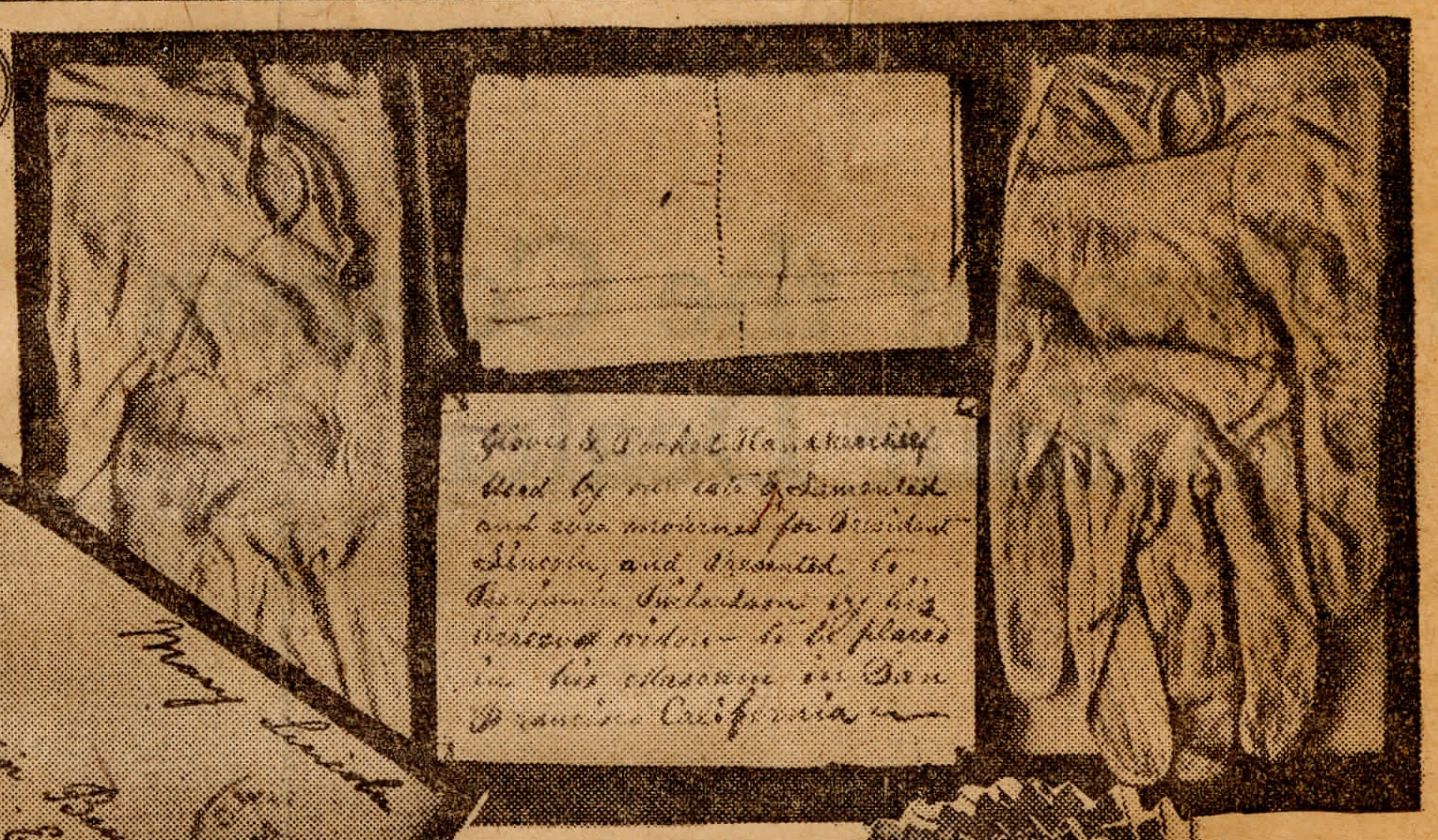
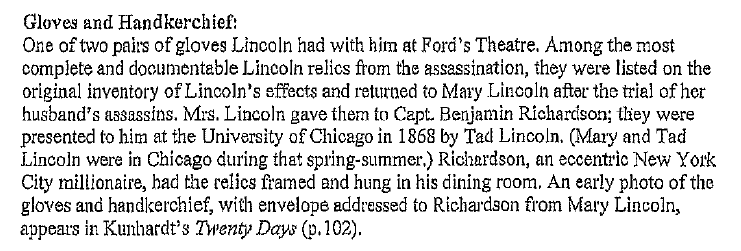
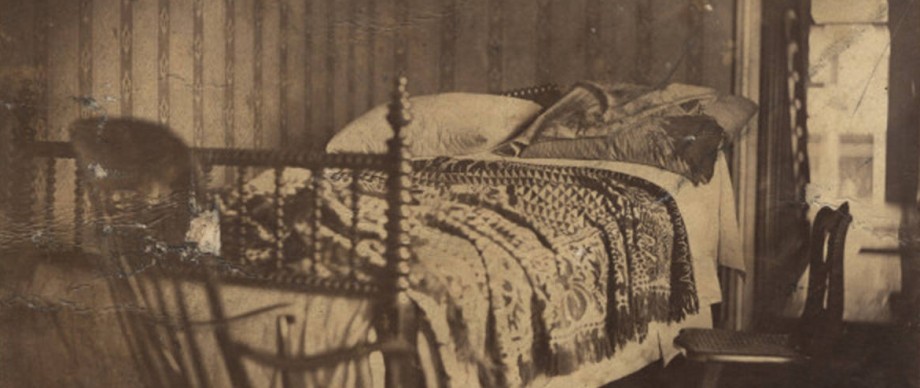
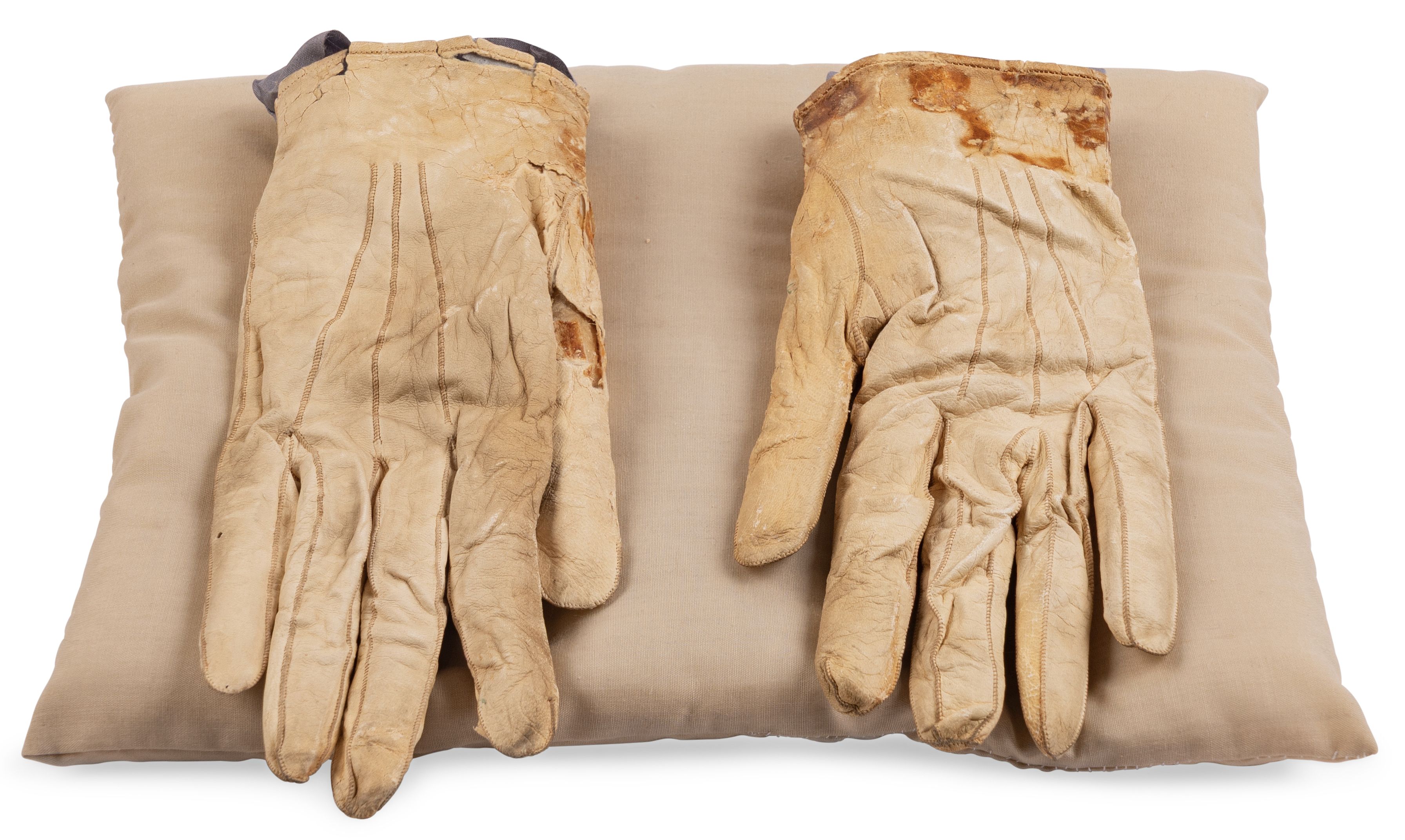
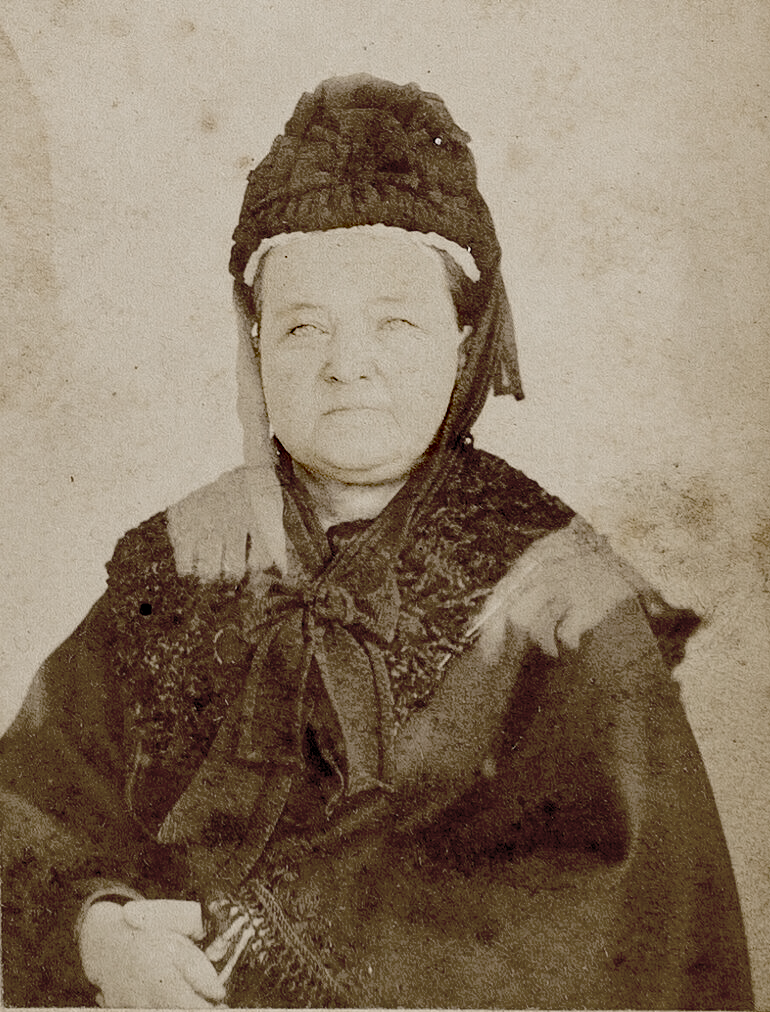

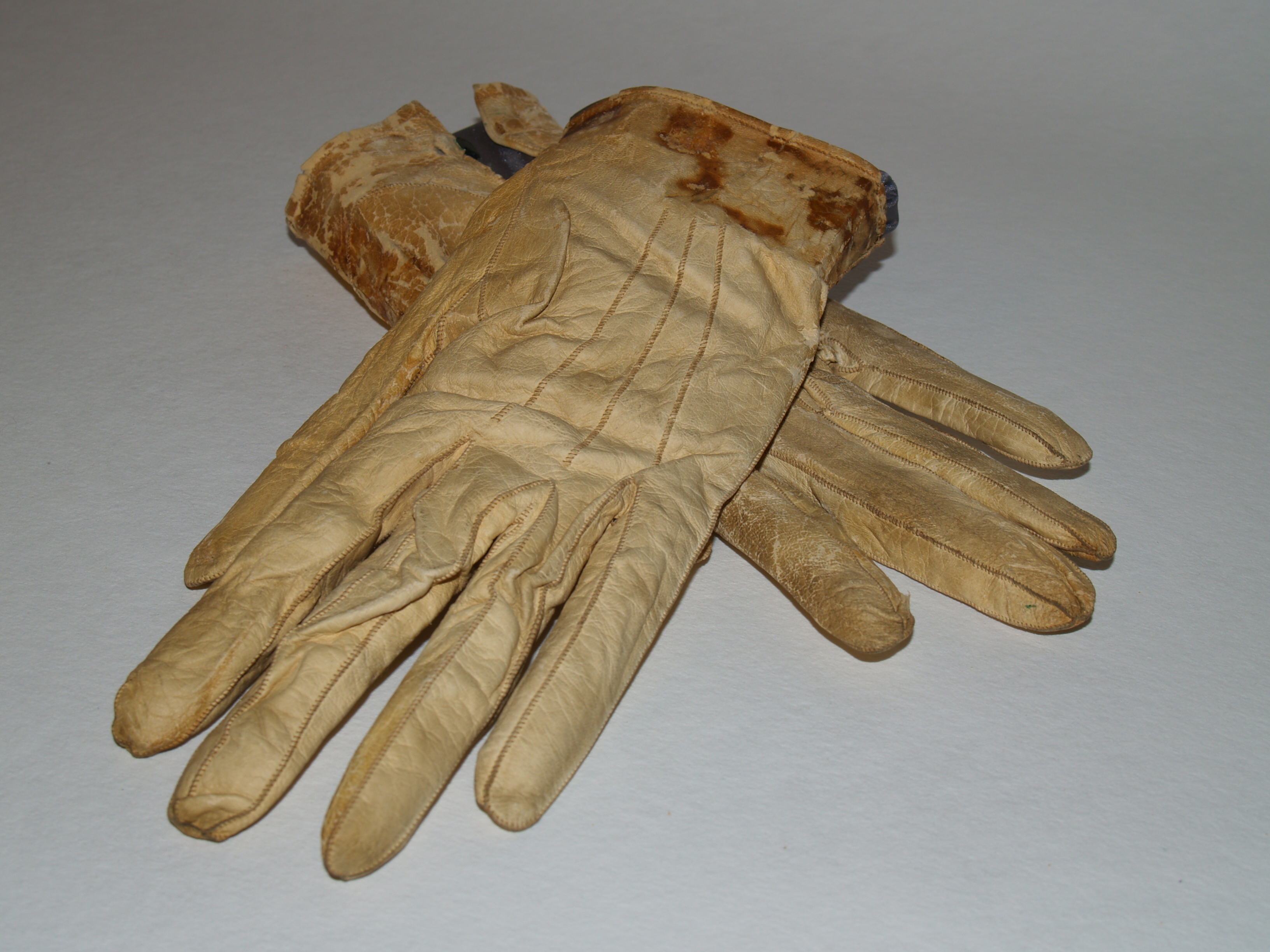
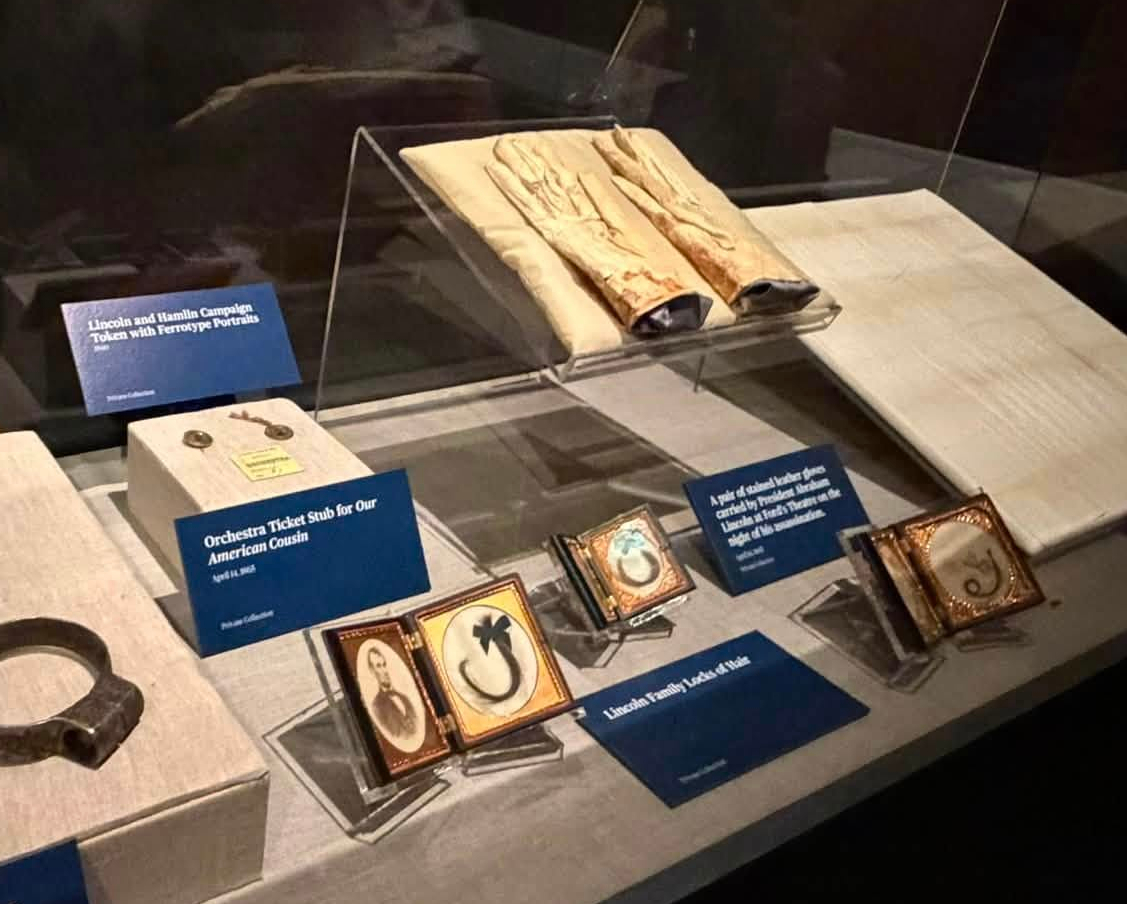
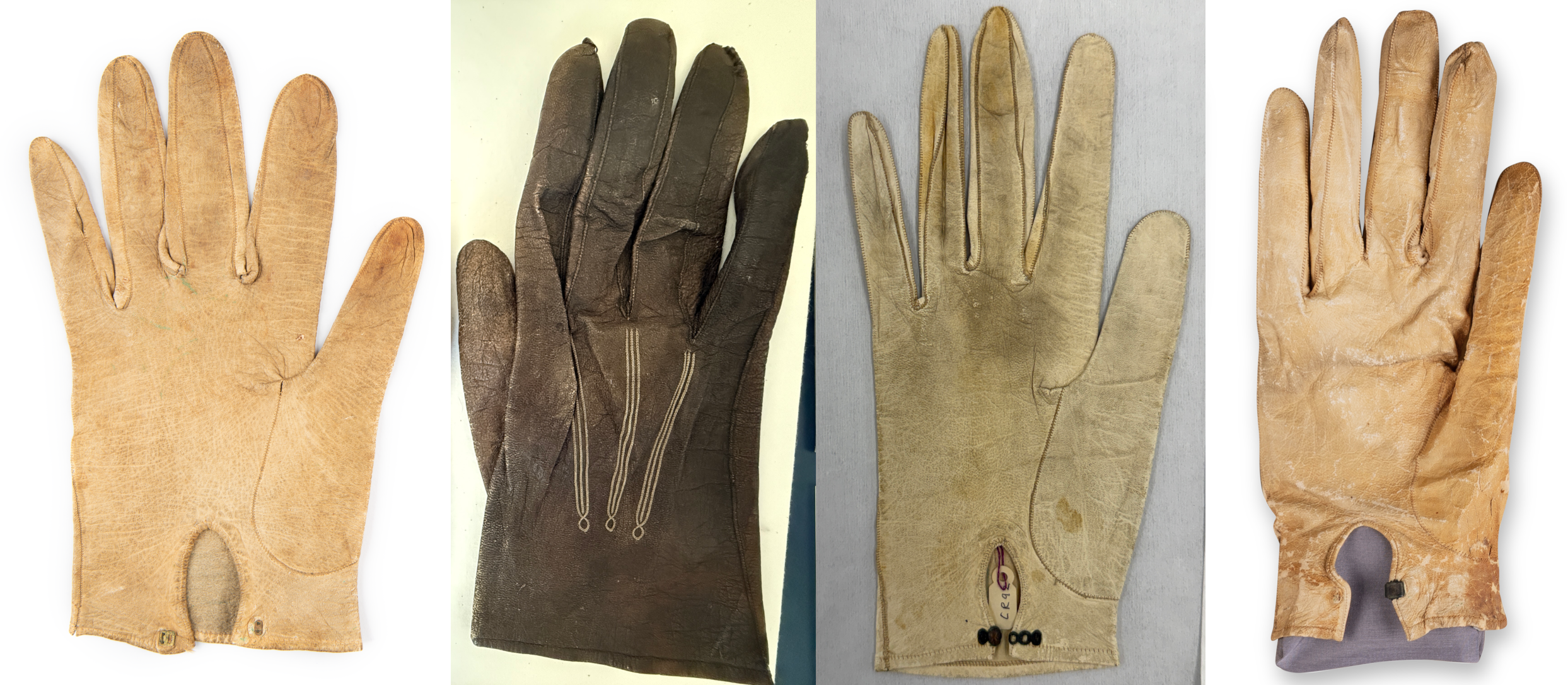
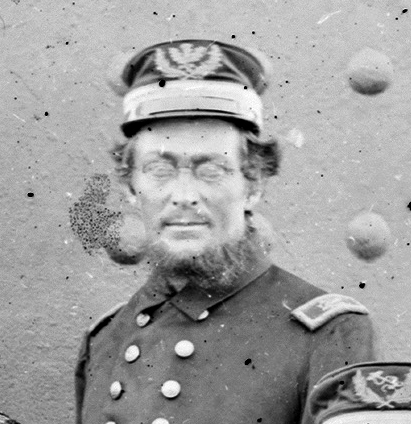
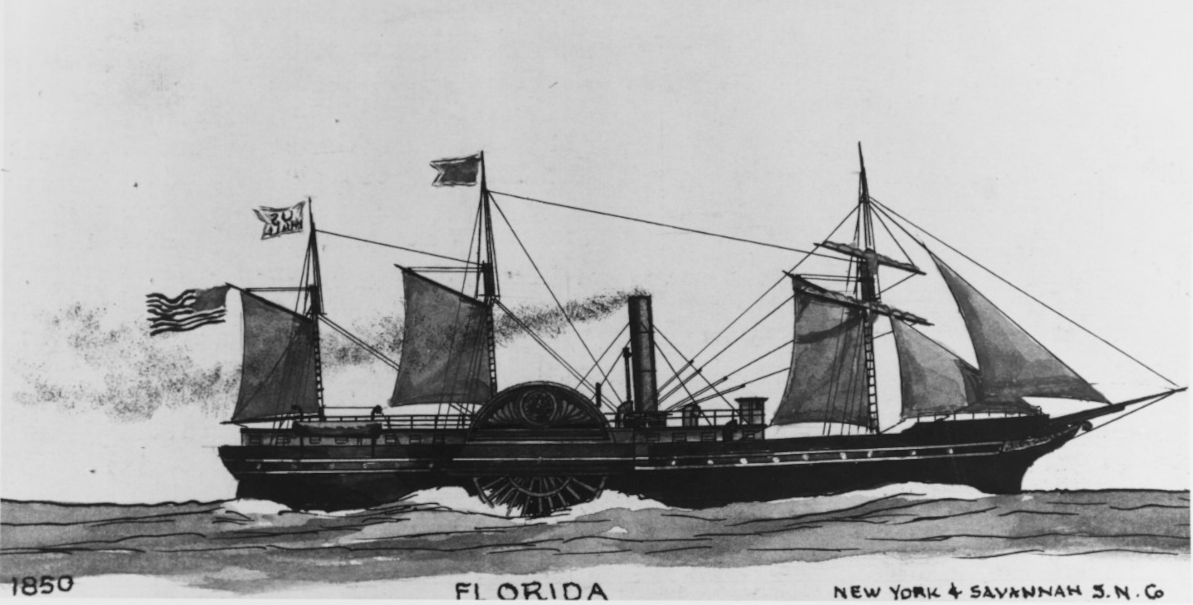


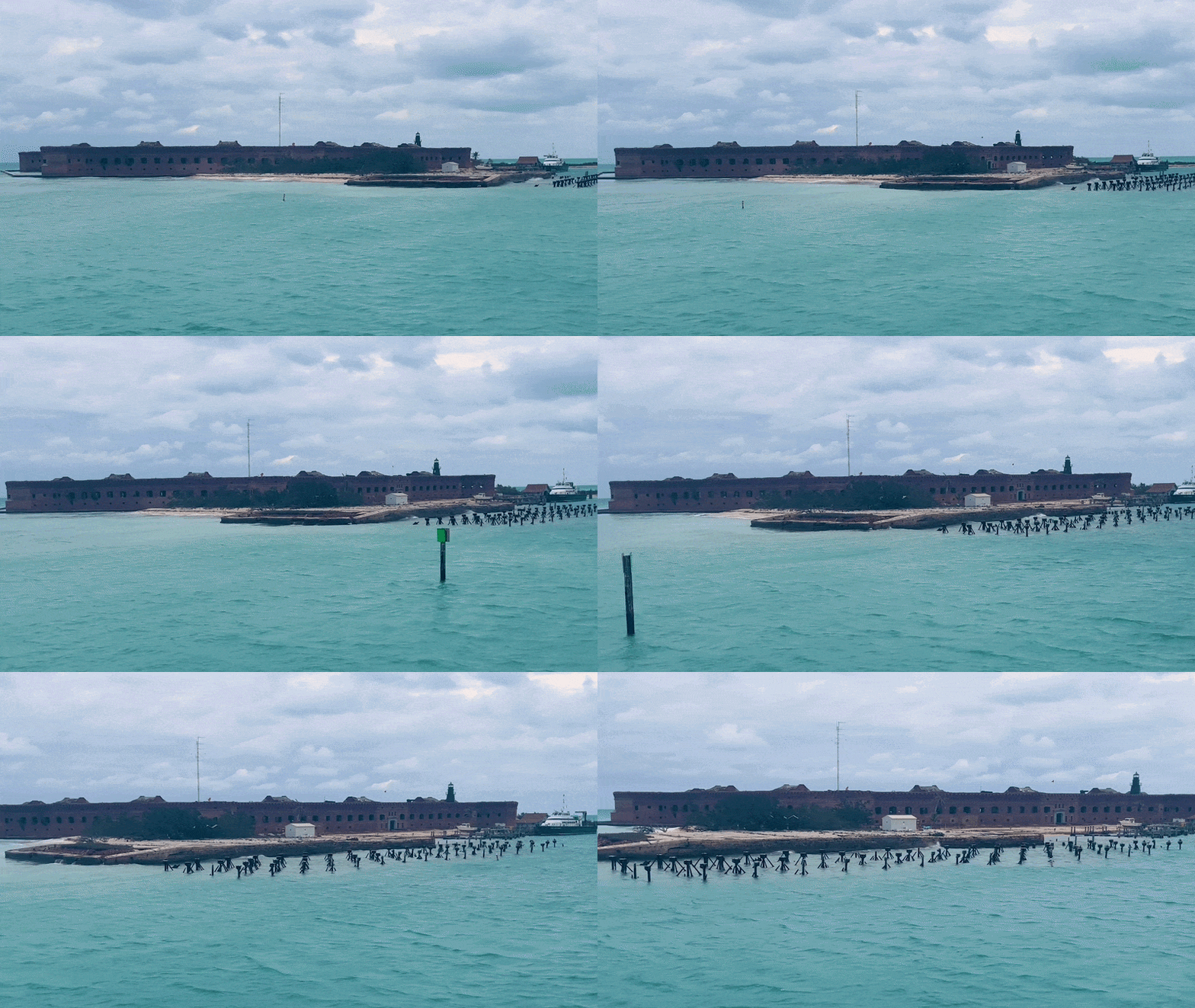
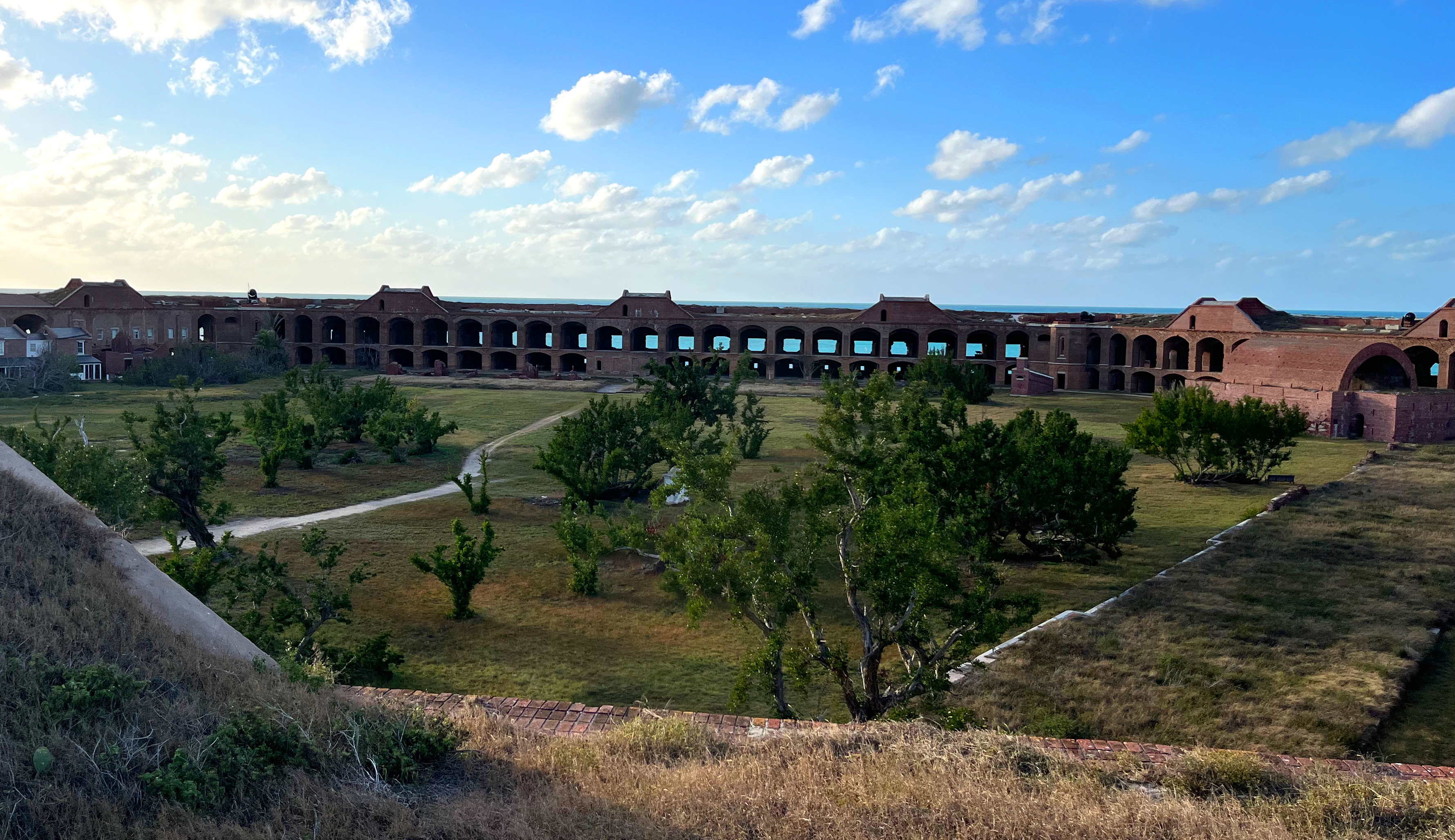
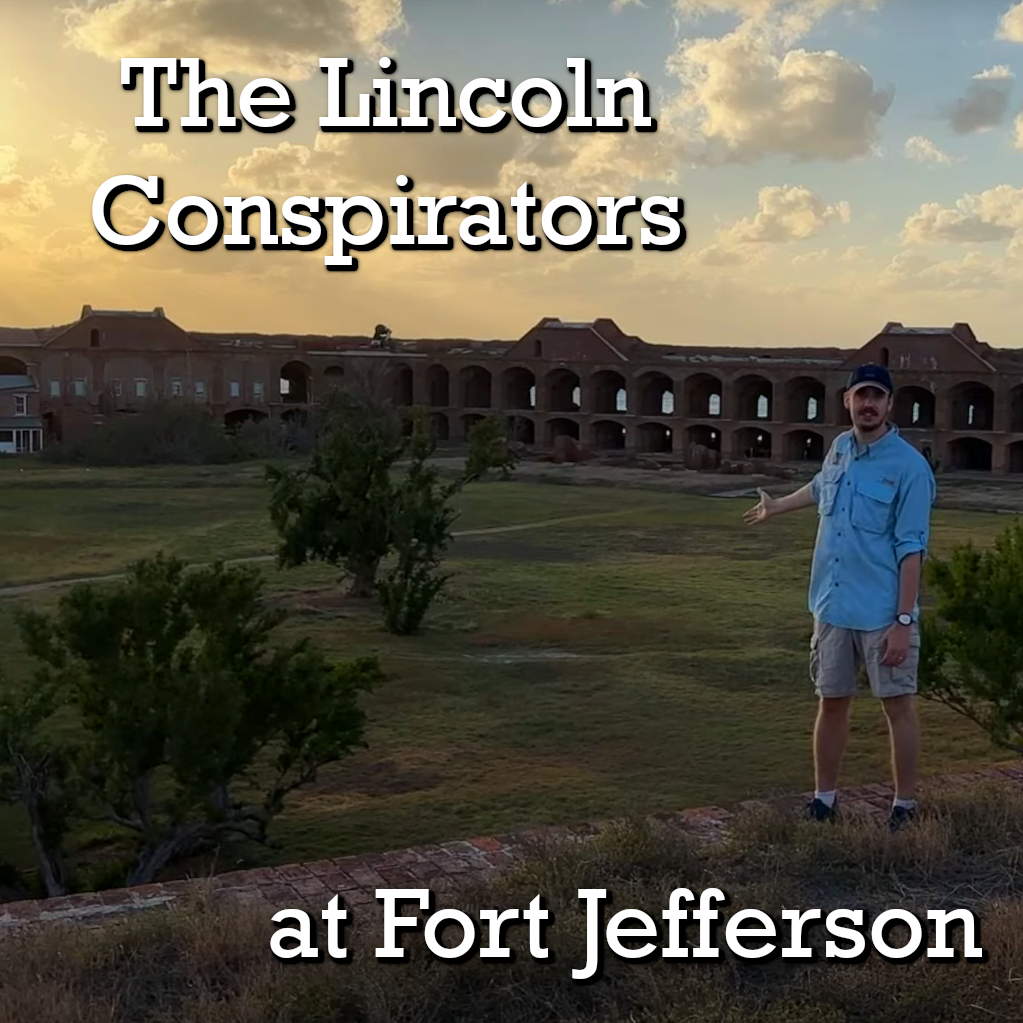

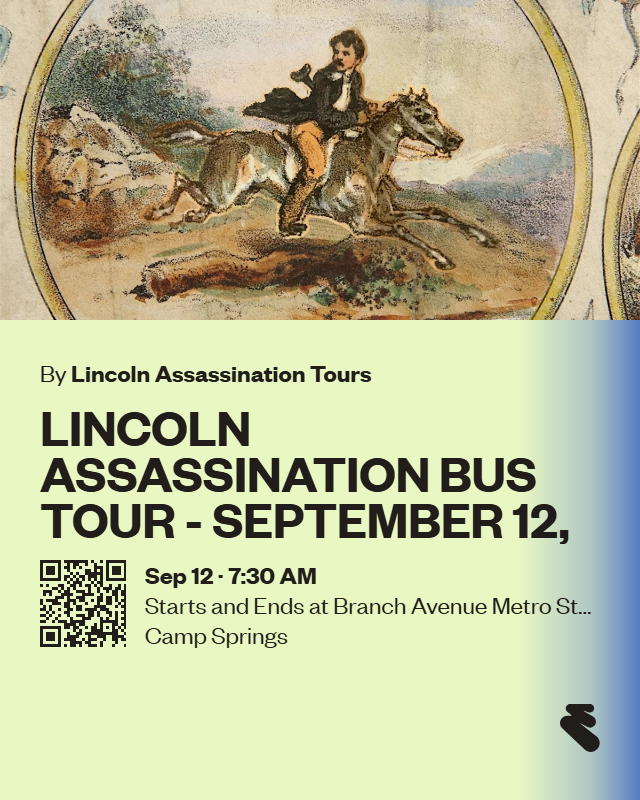


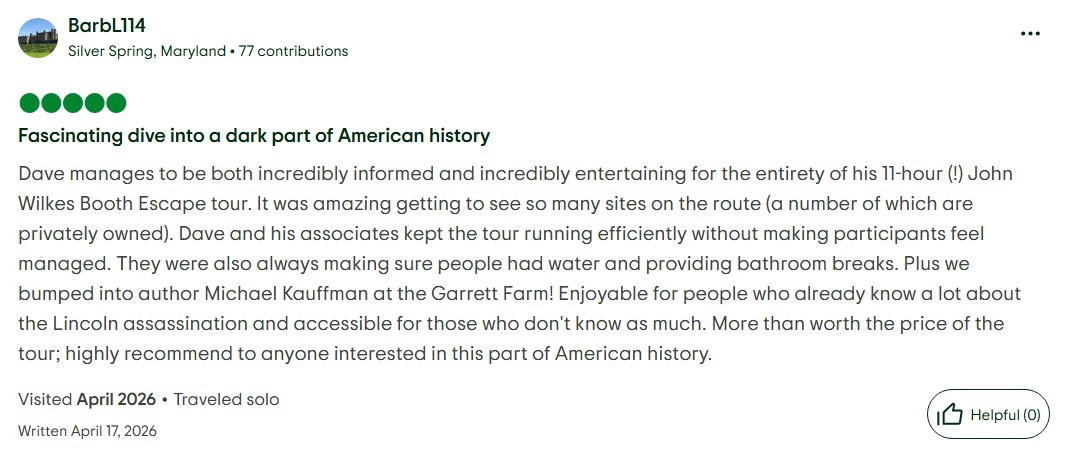

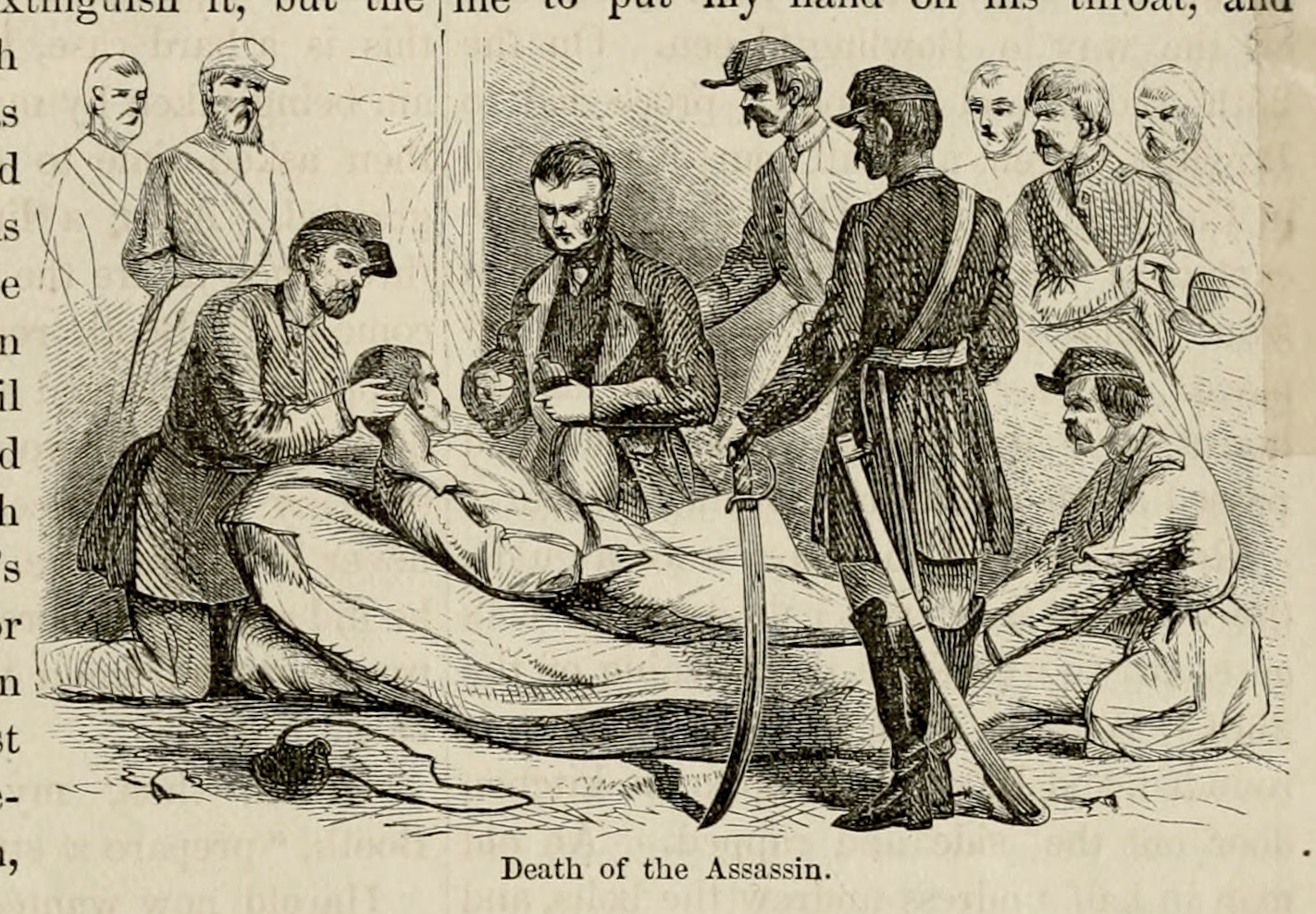
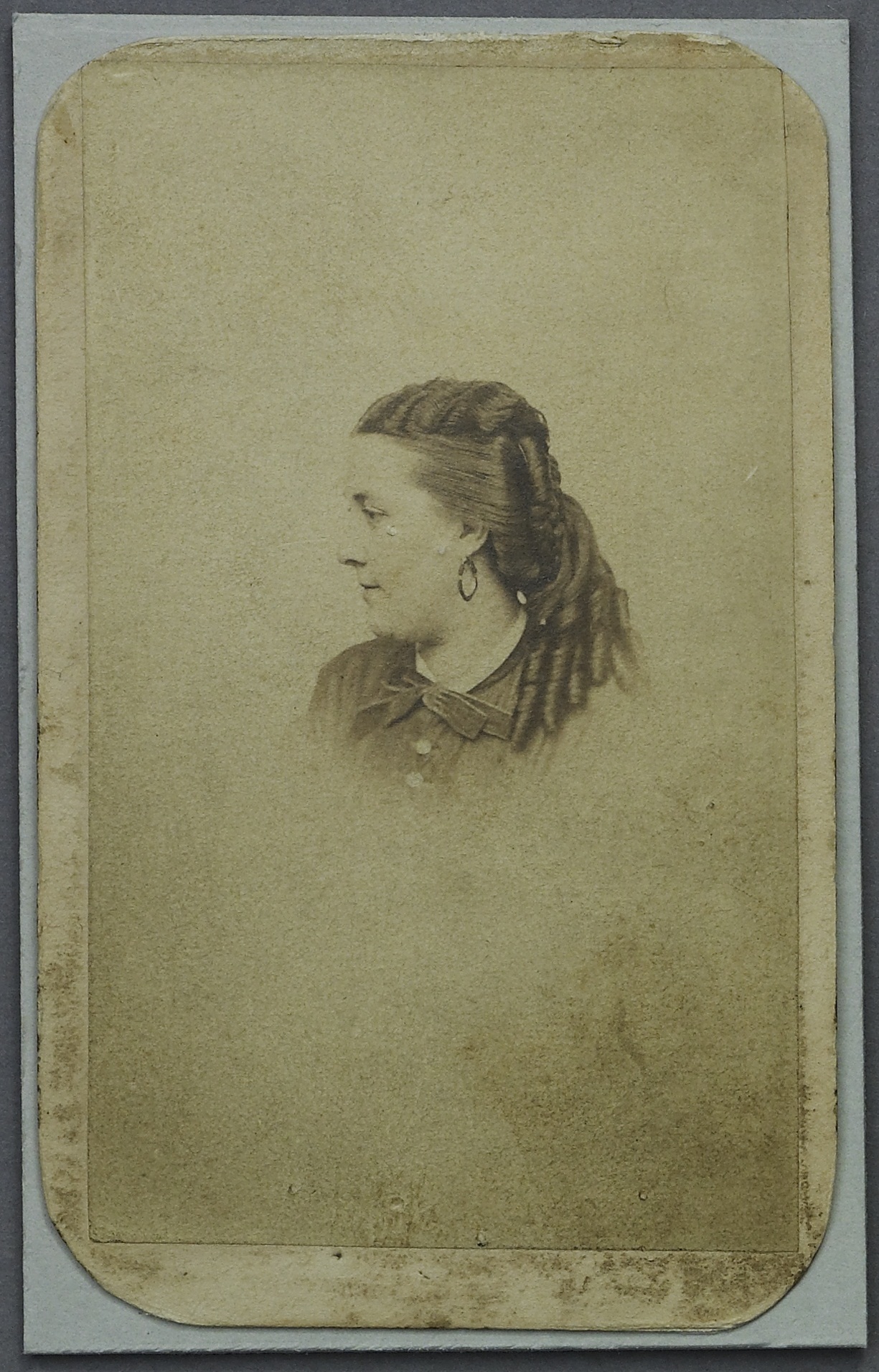
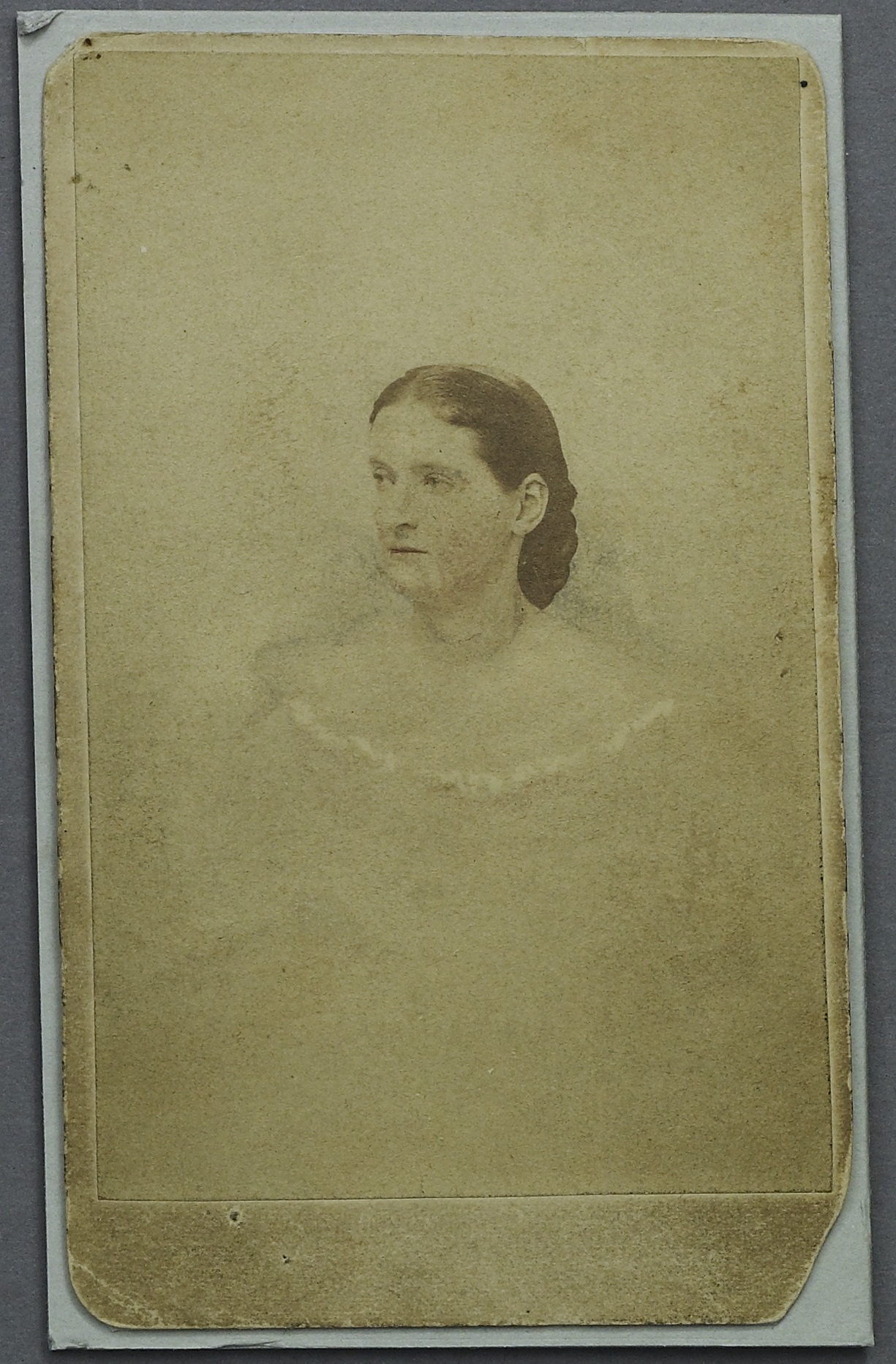
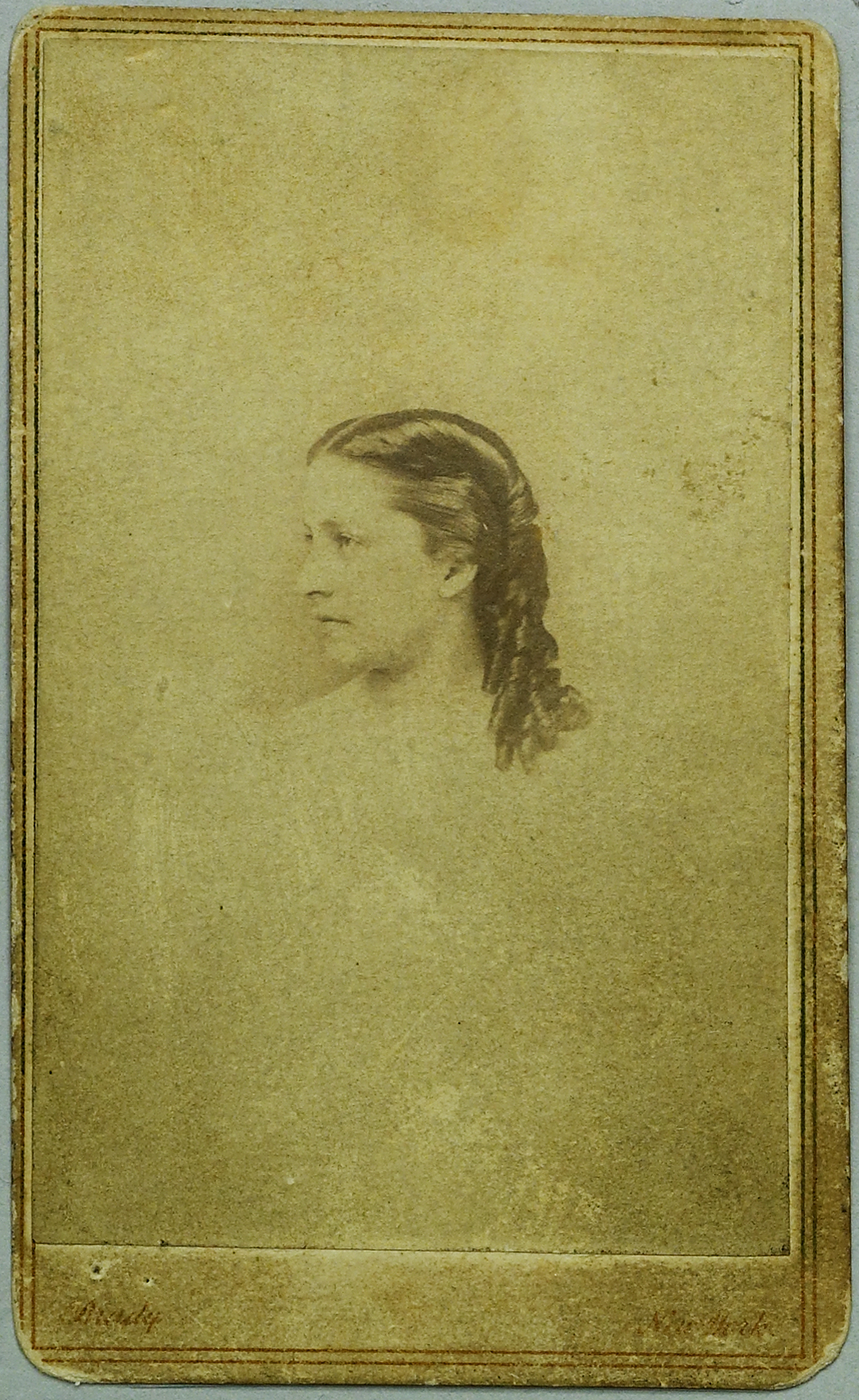

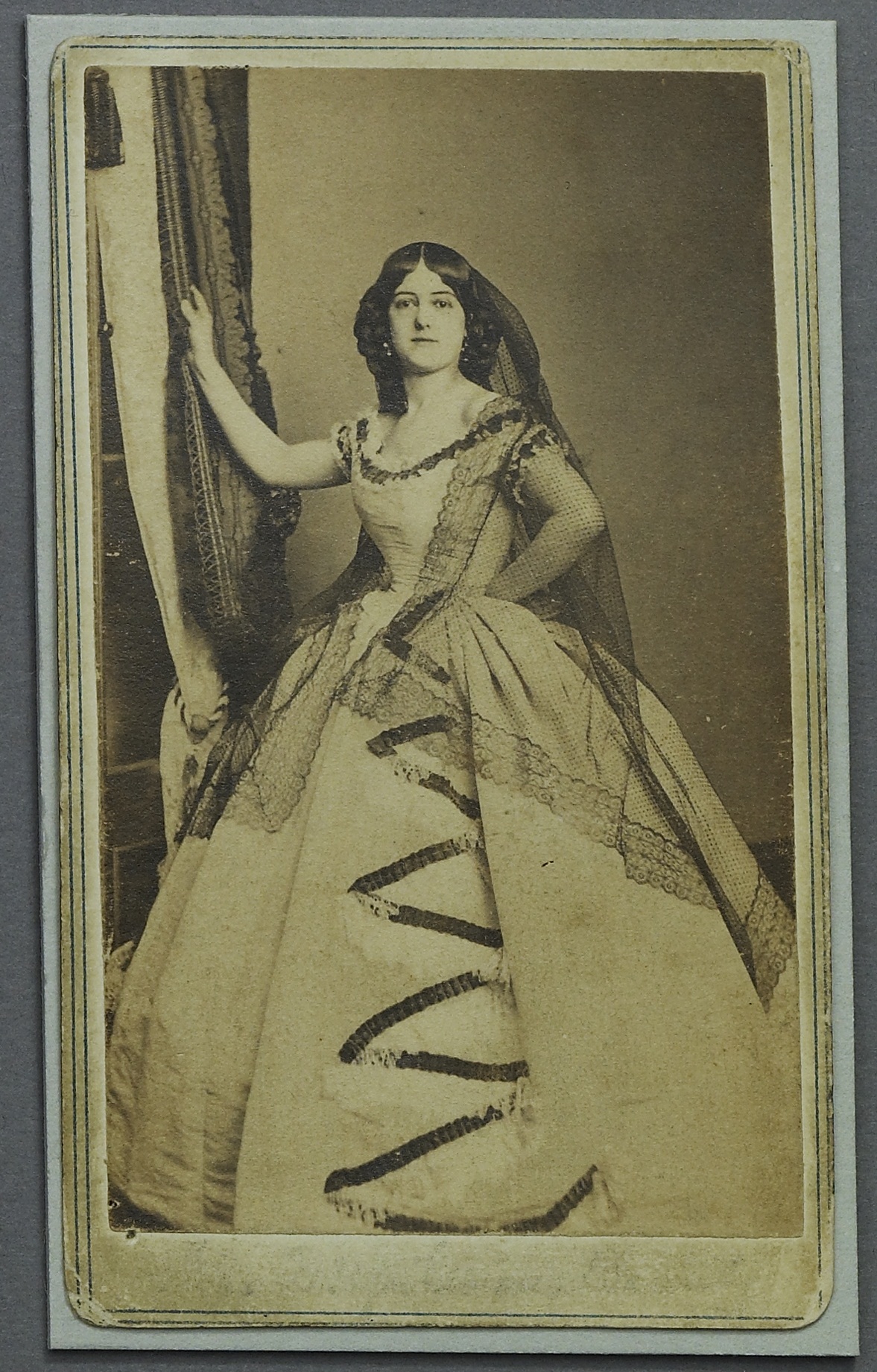
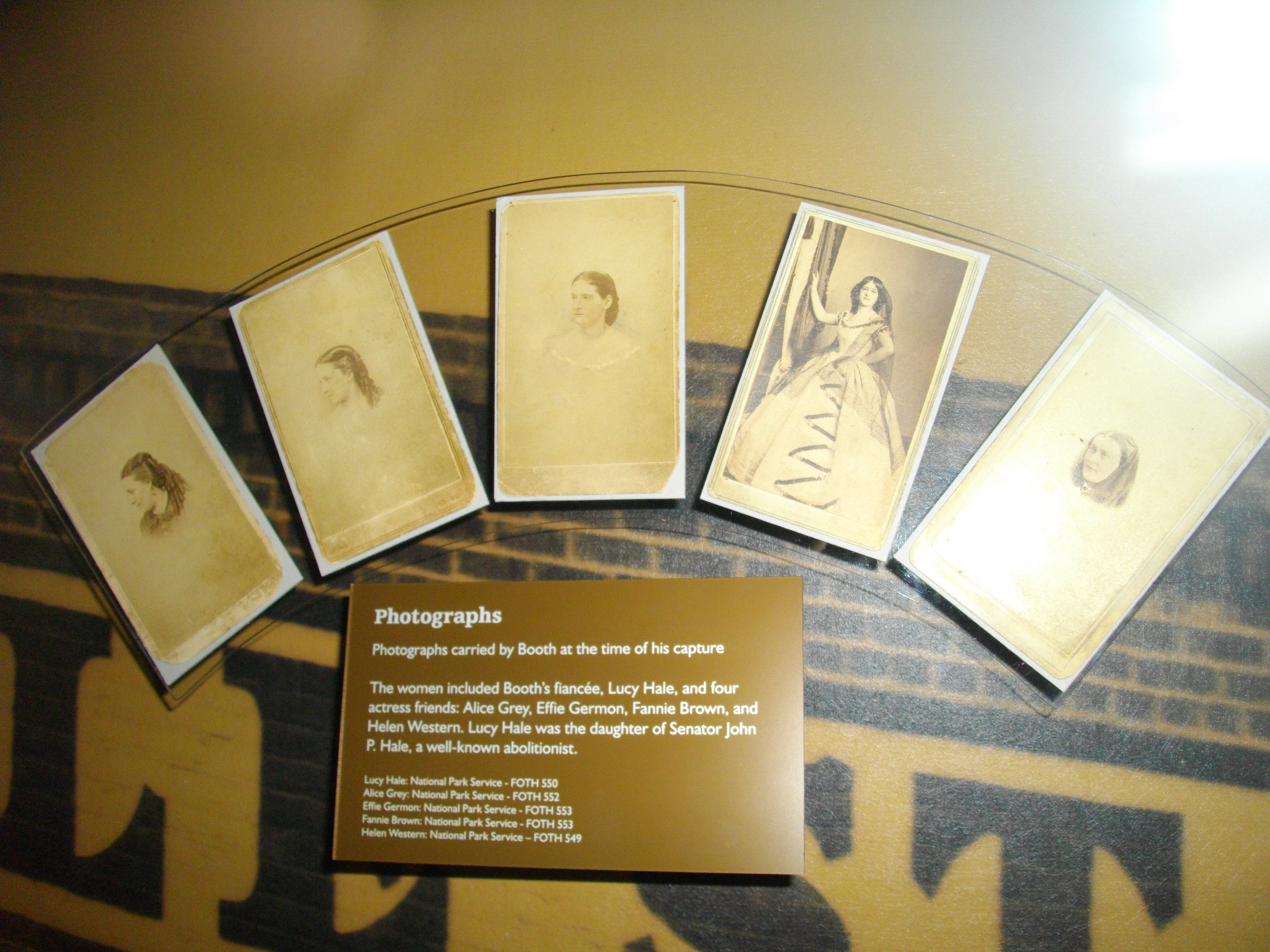

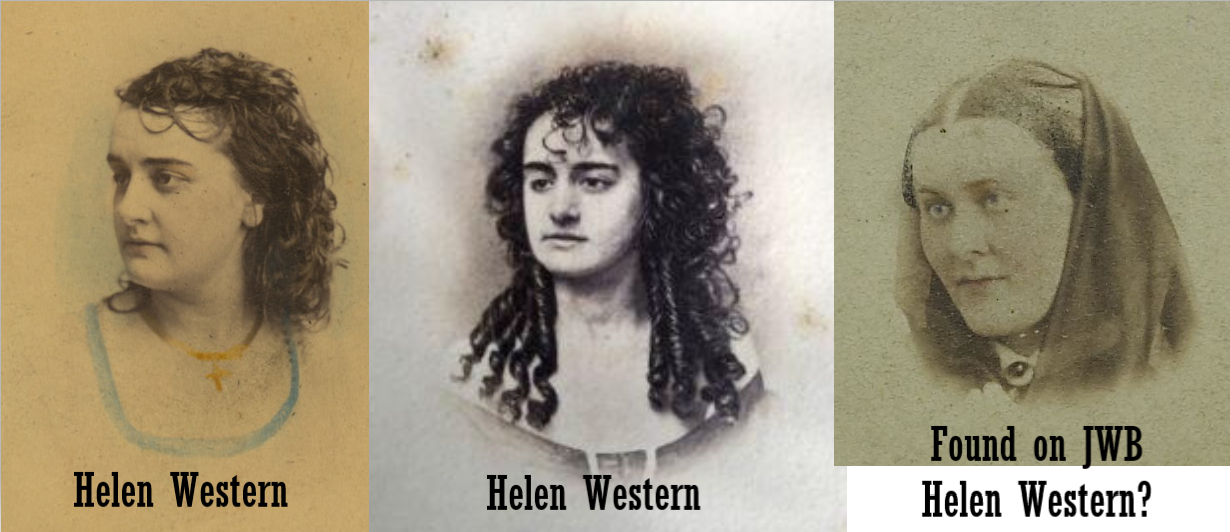
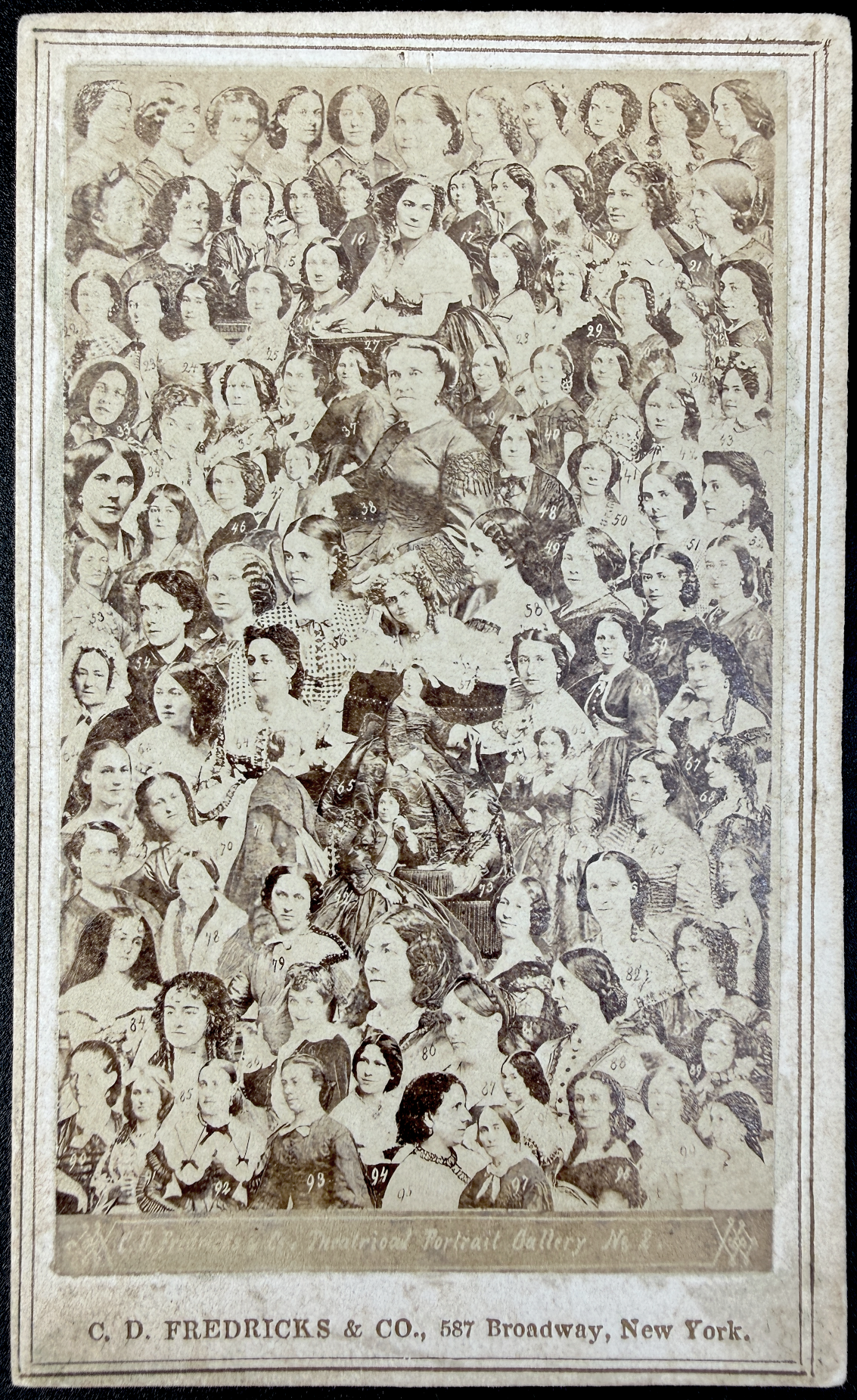


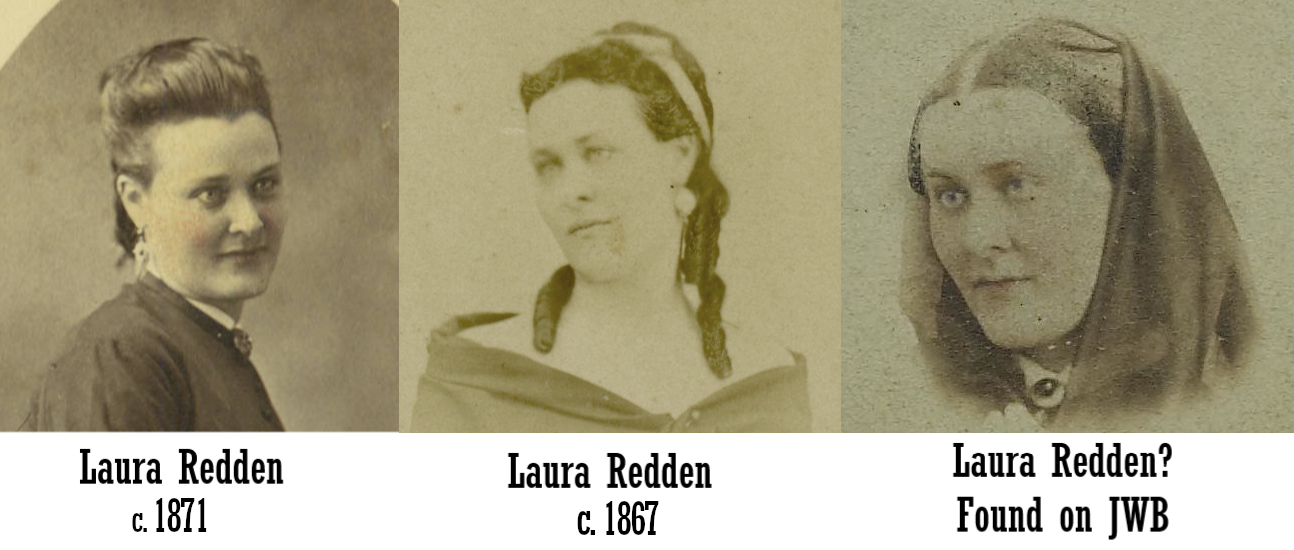

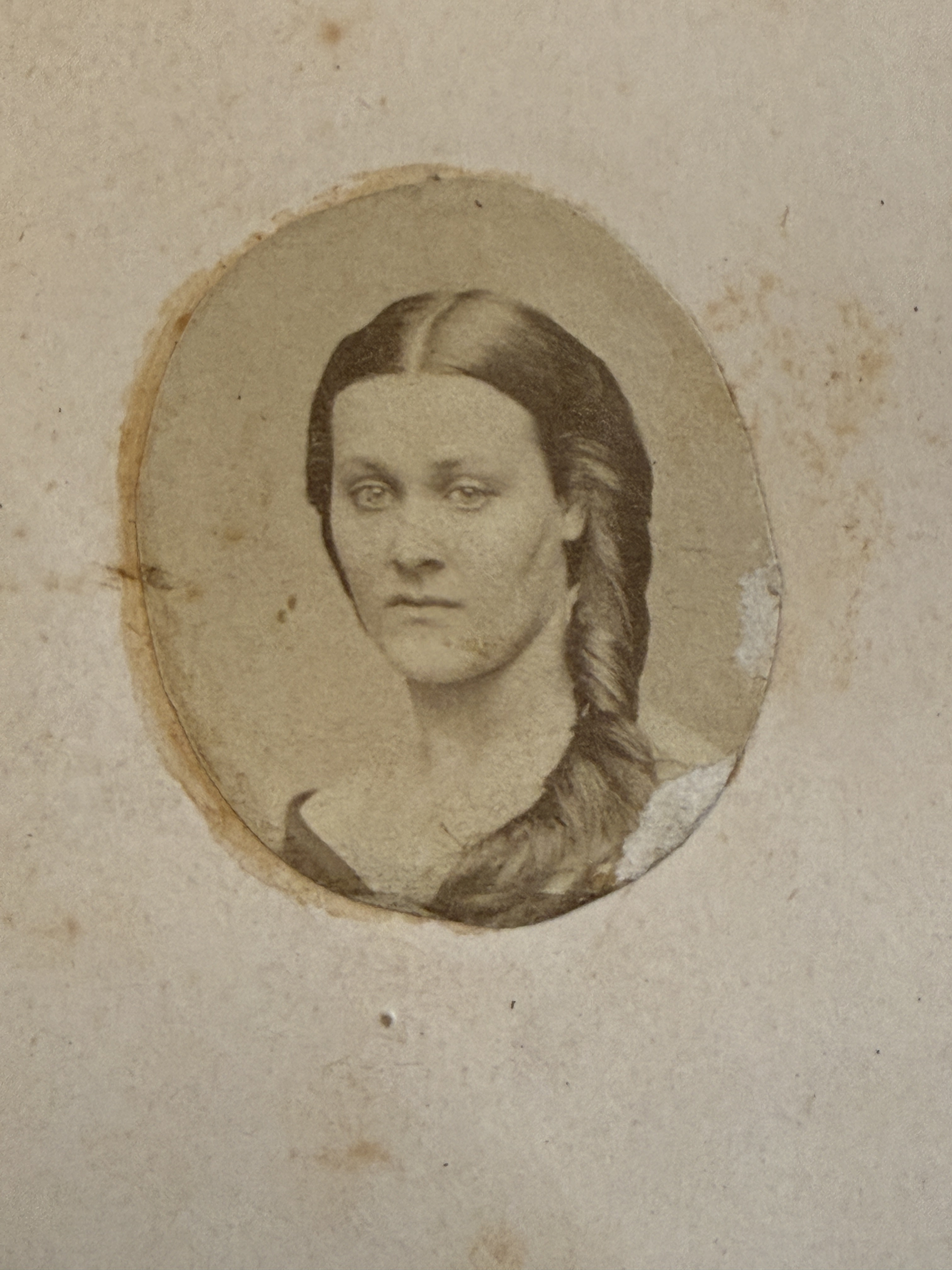



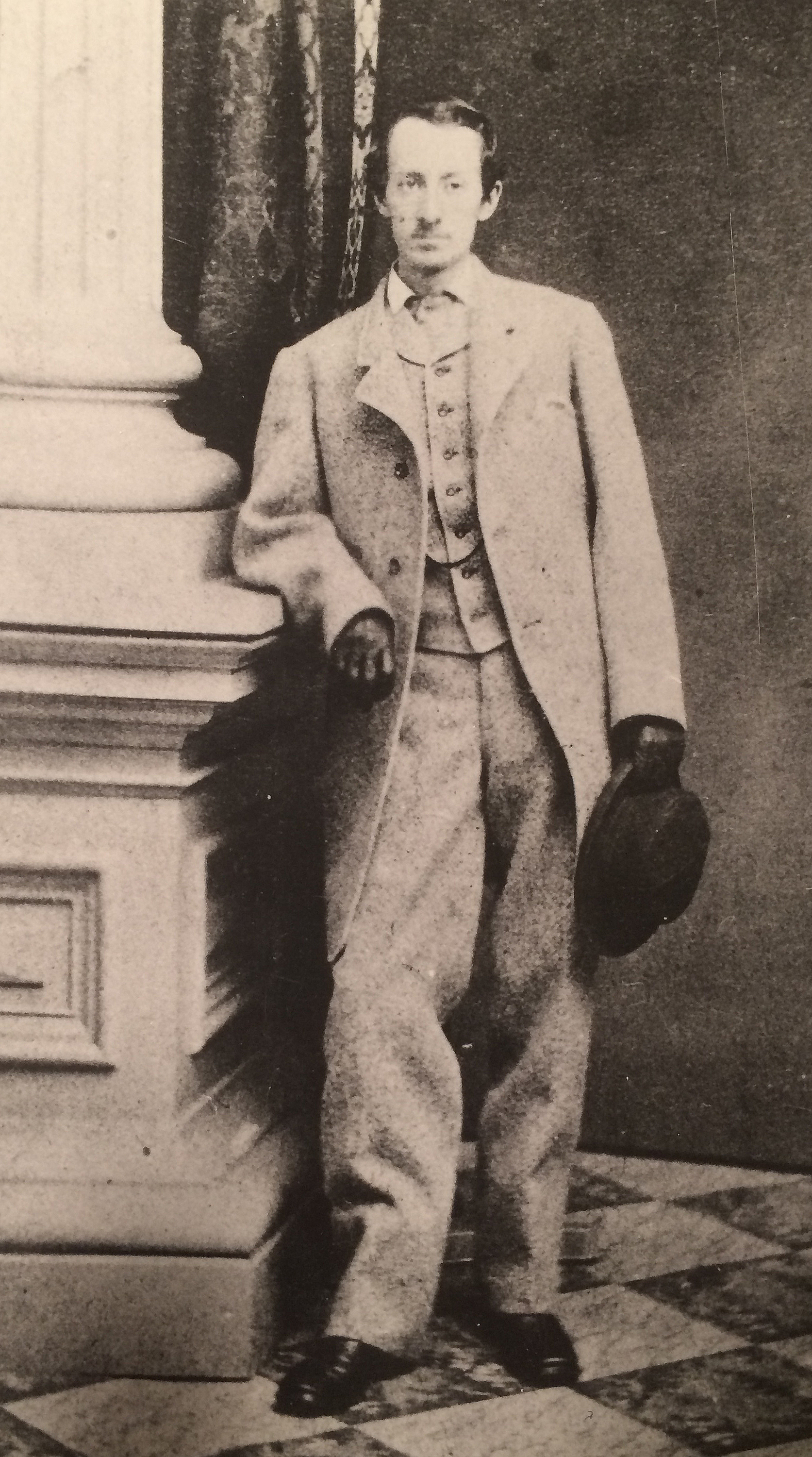
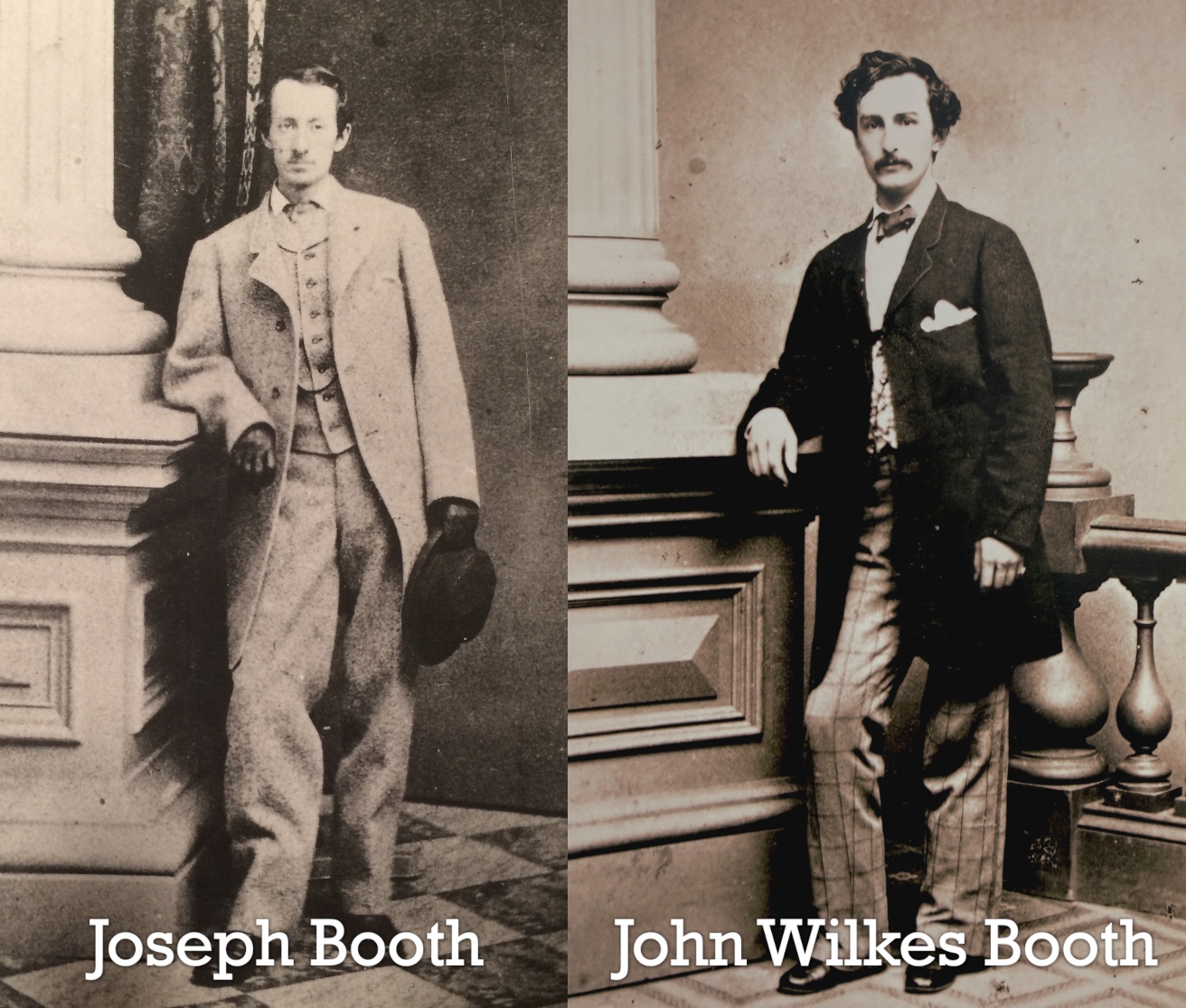
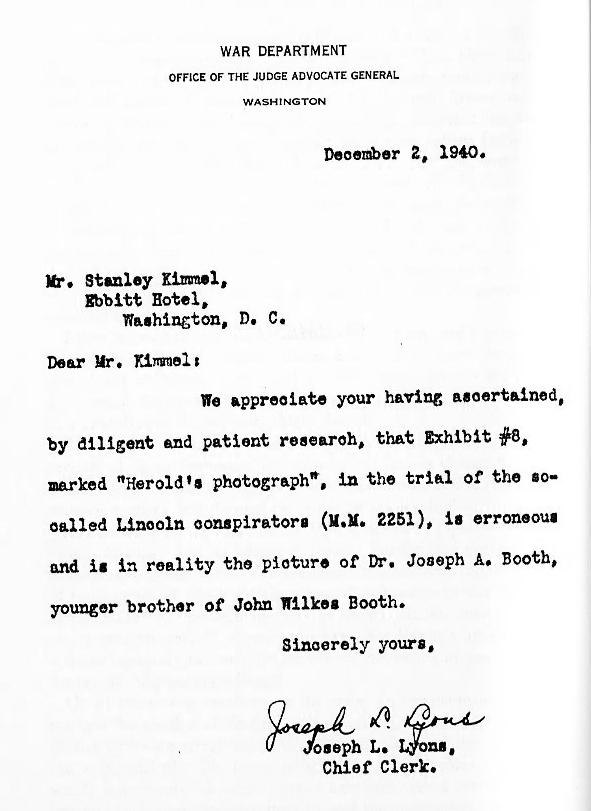
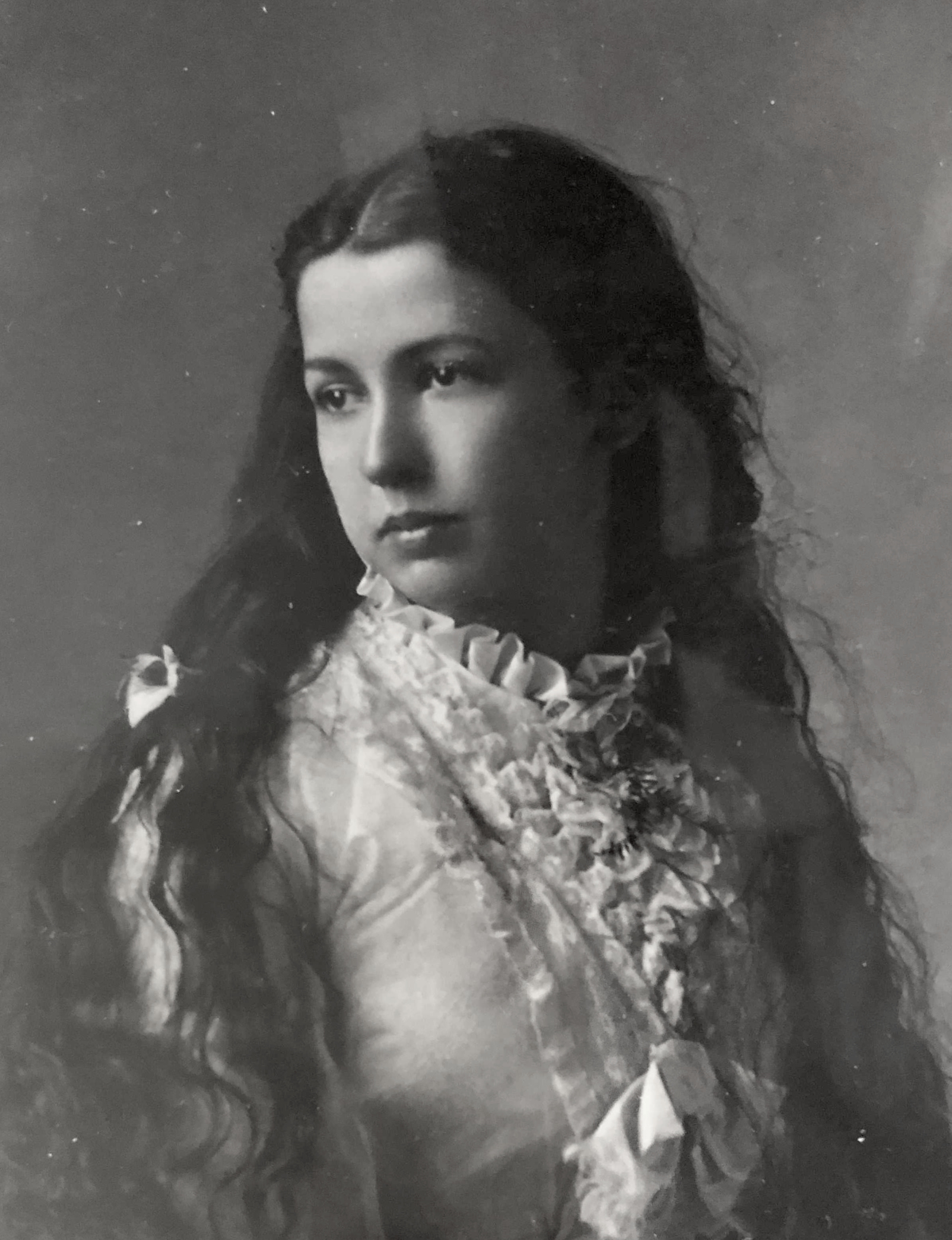
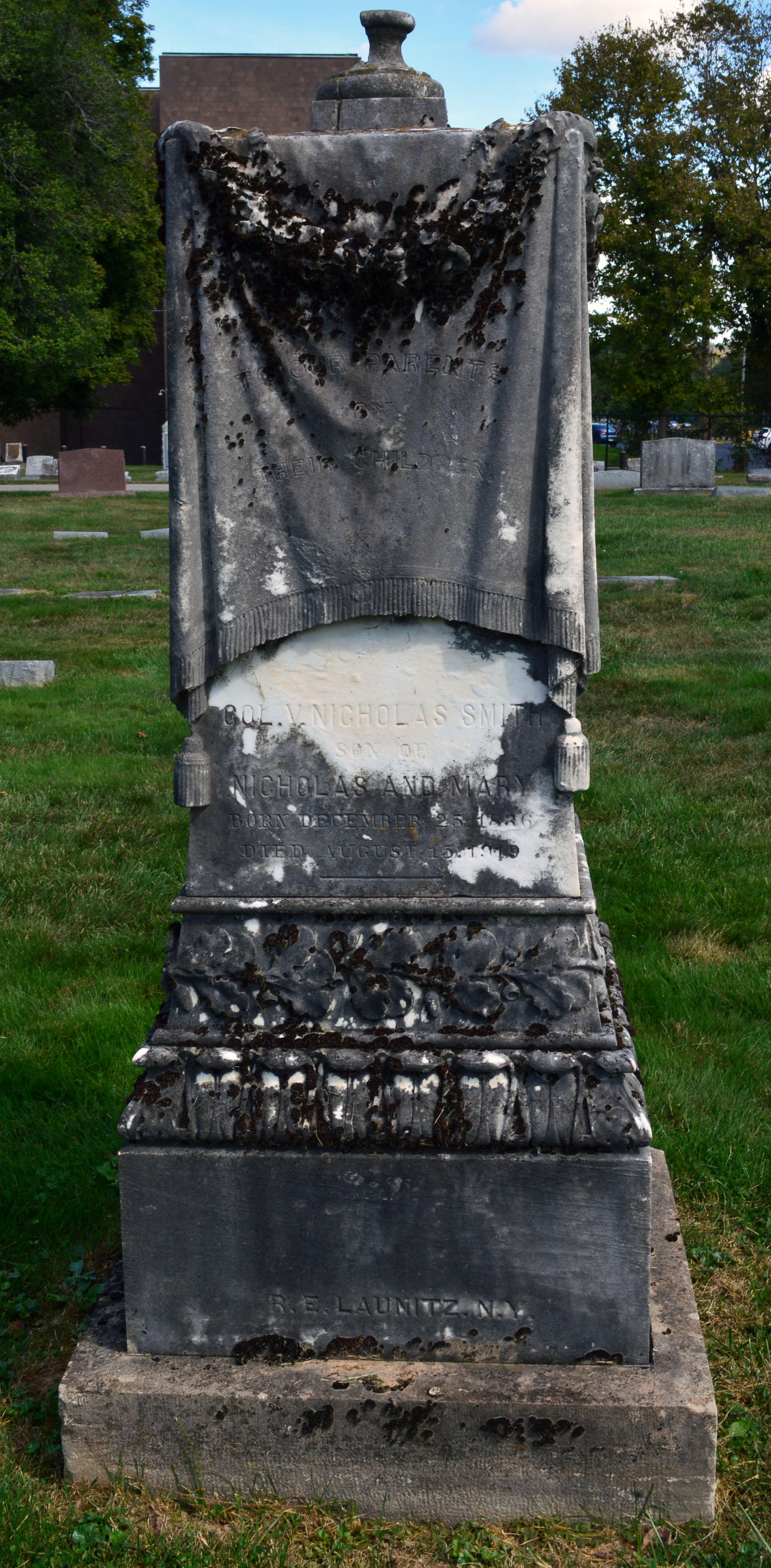
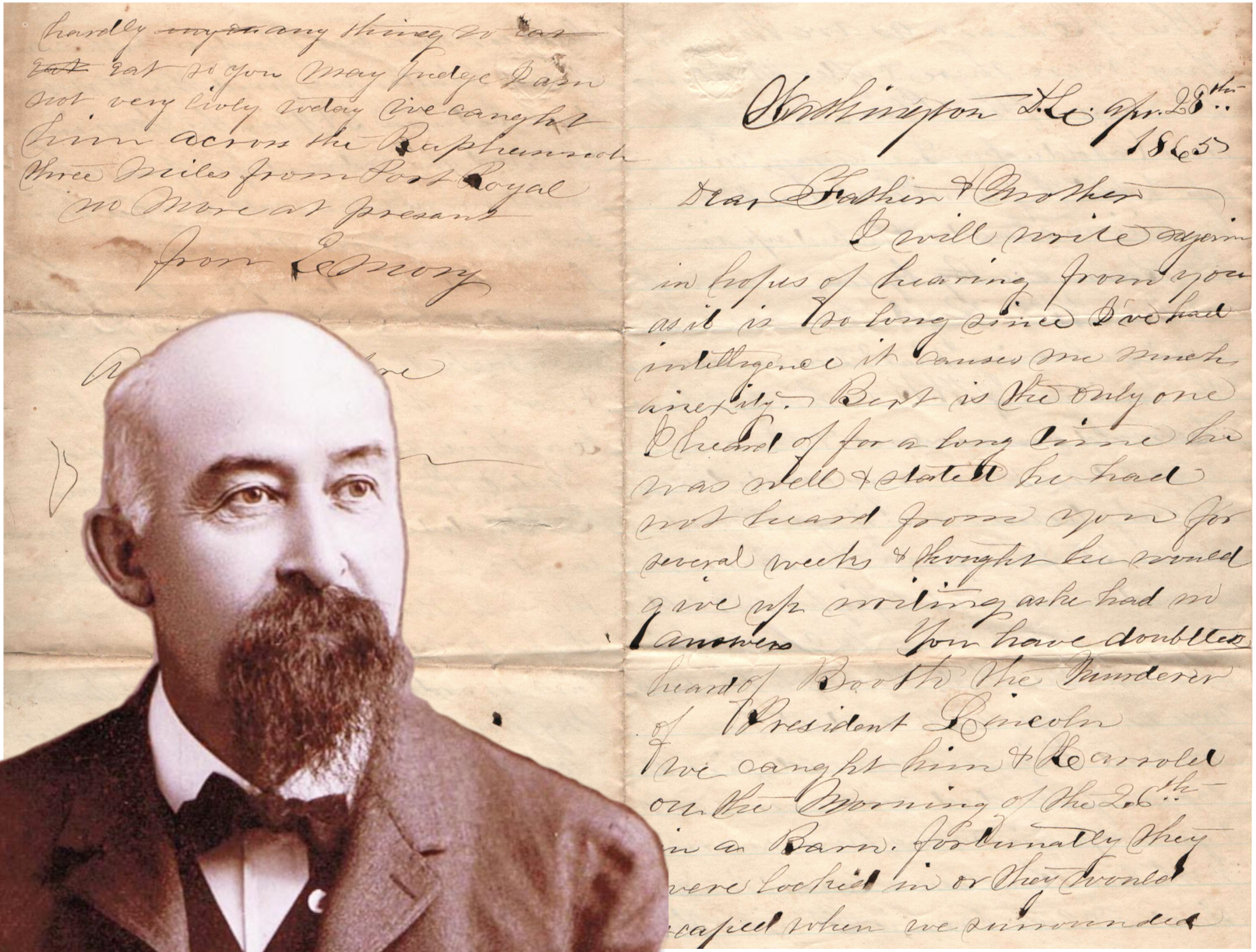
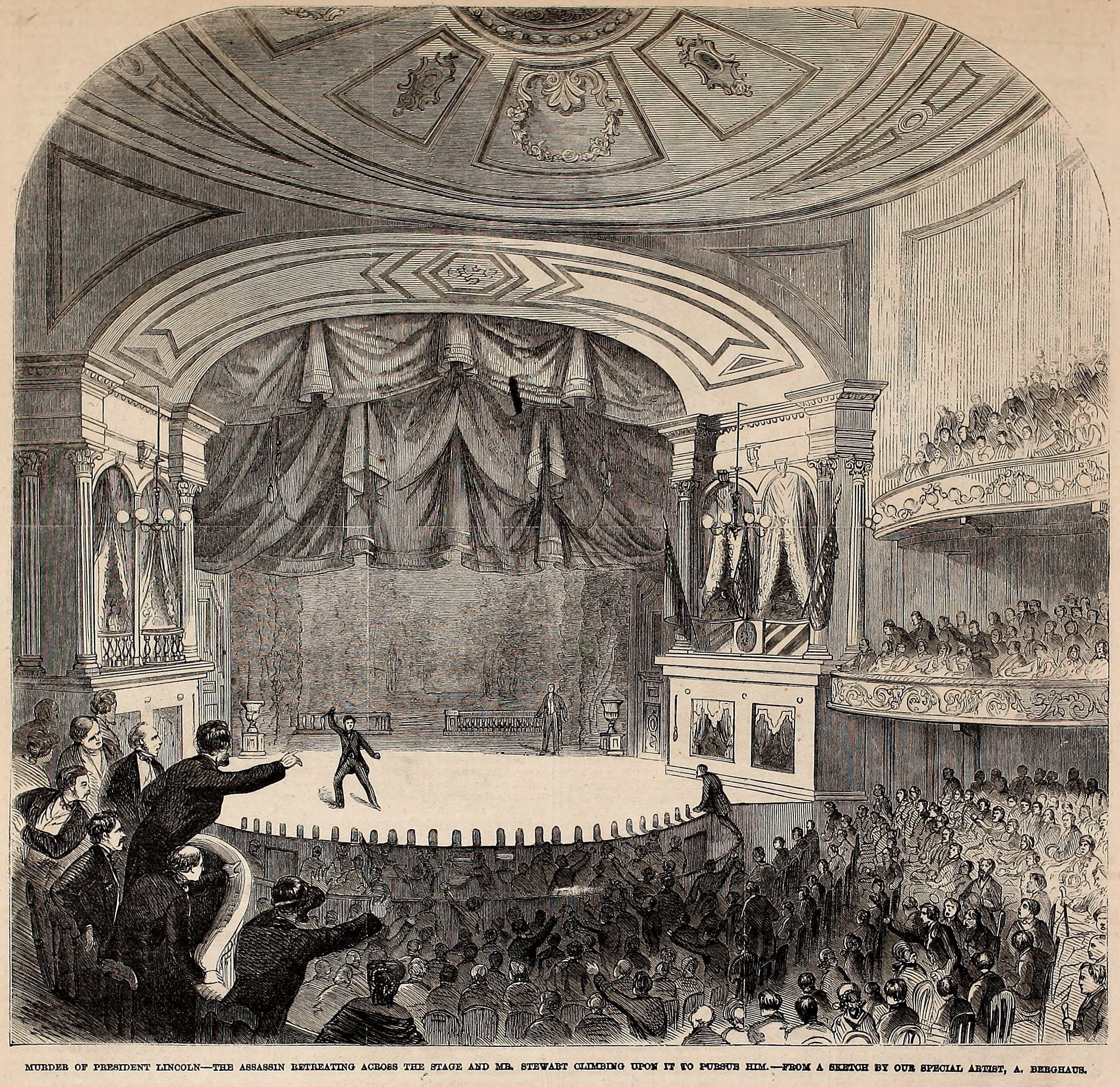
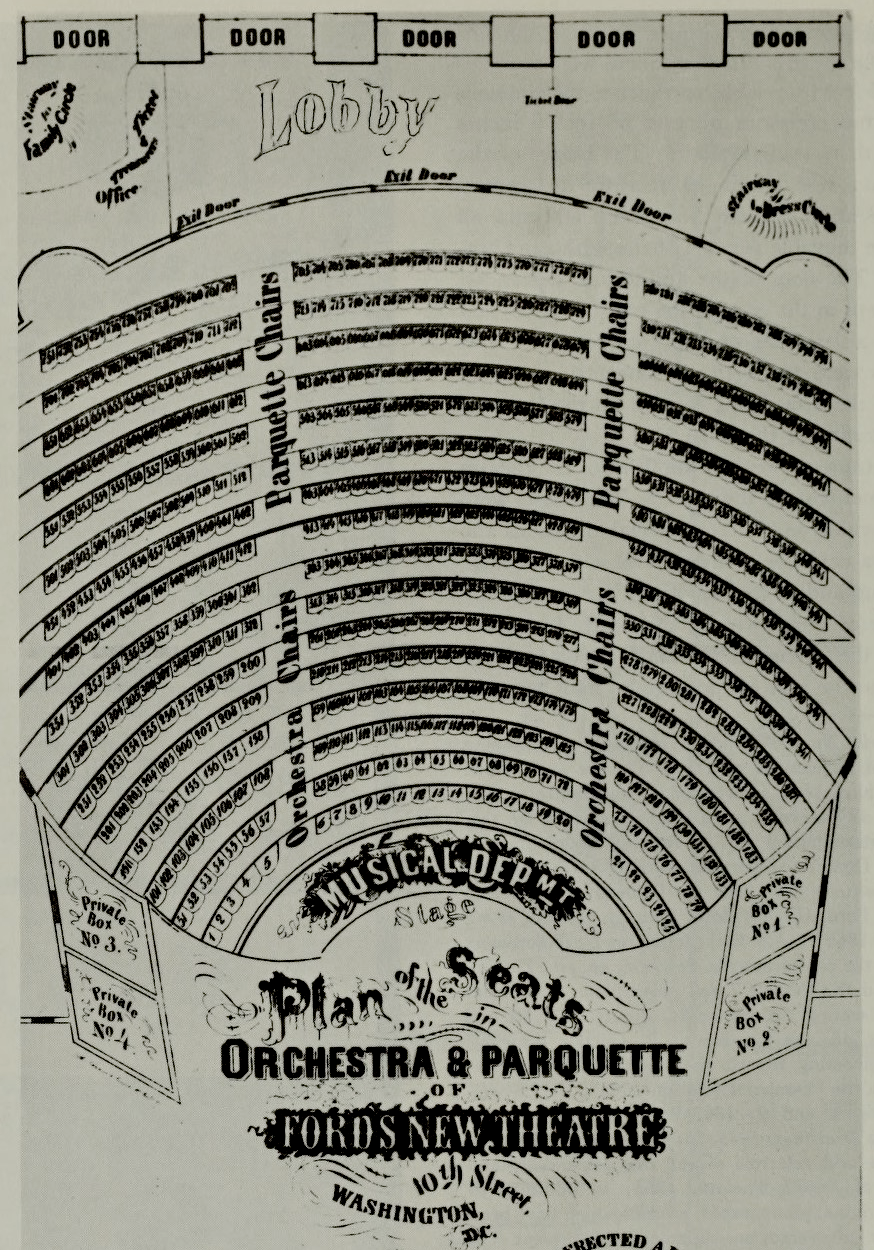
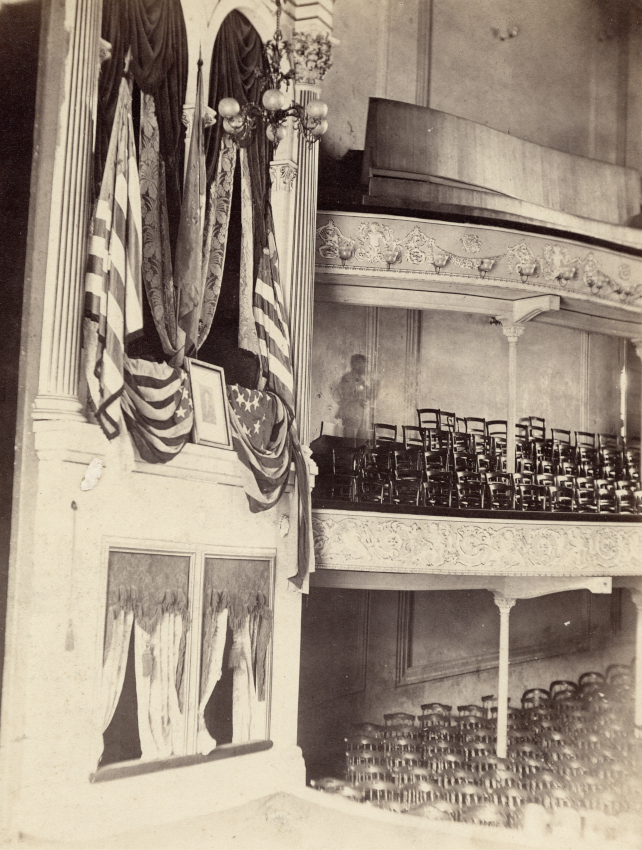
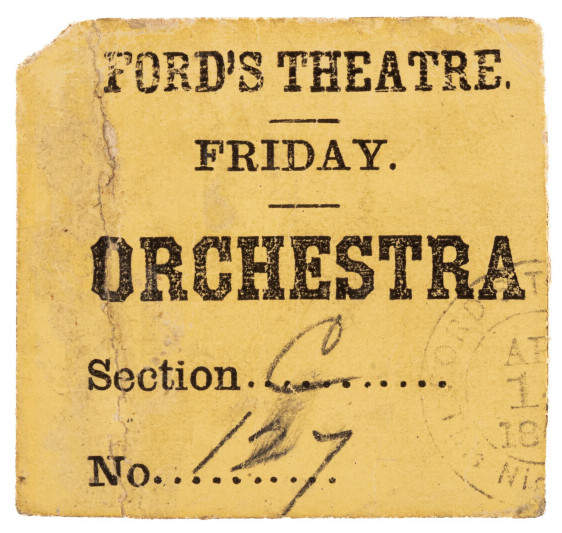
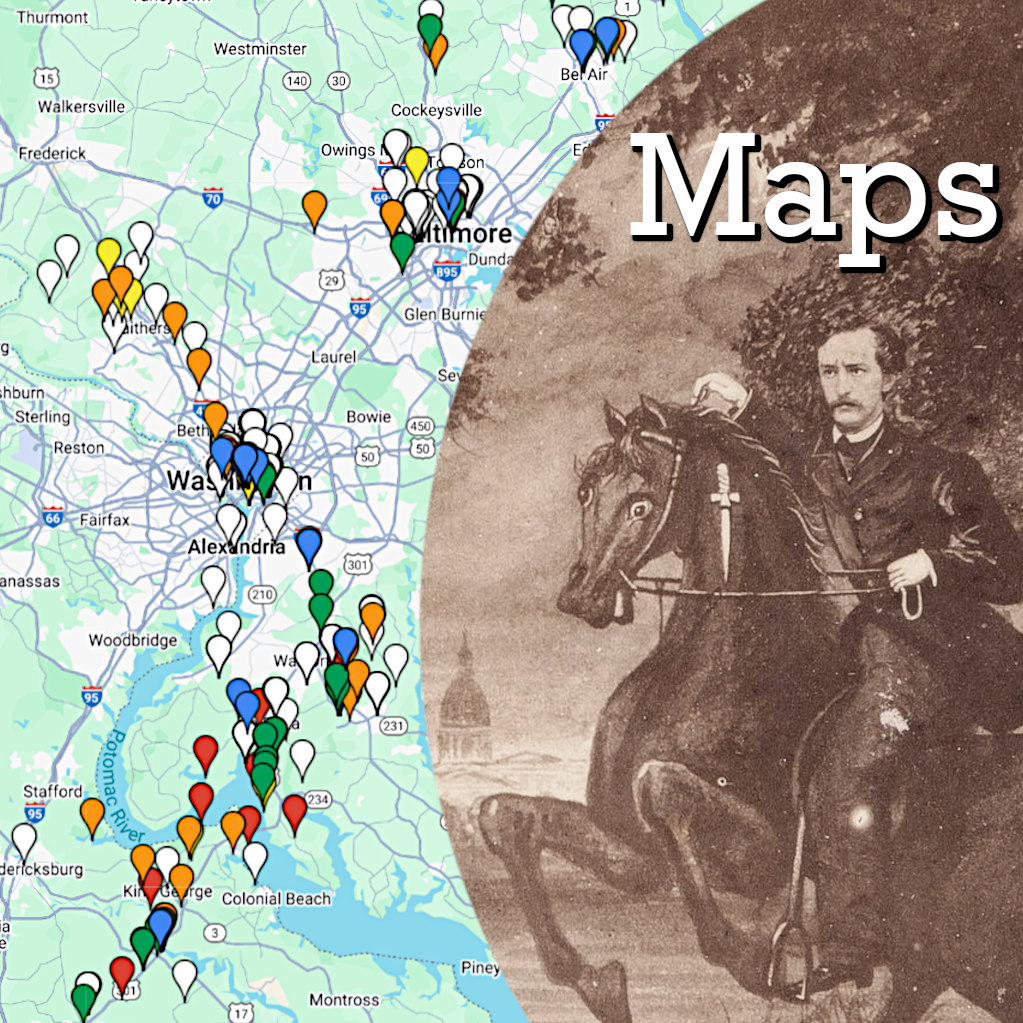


Recent Comments