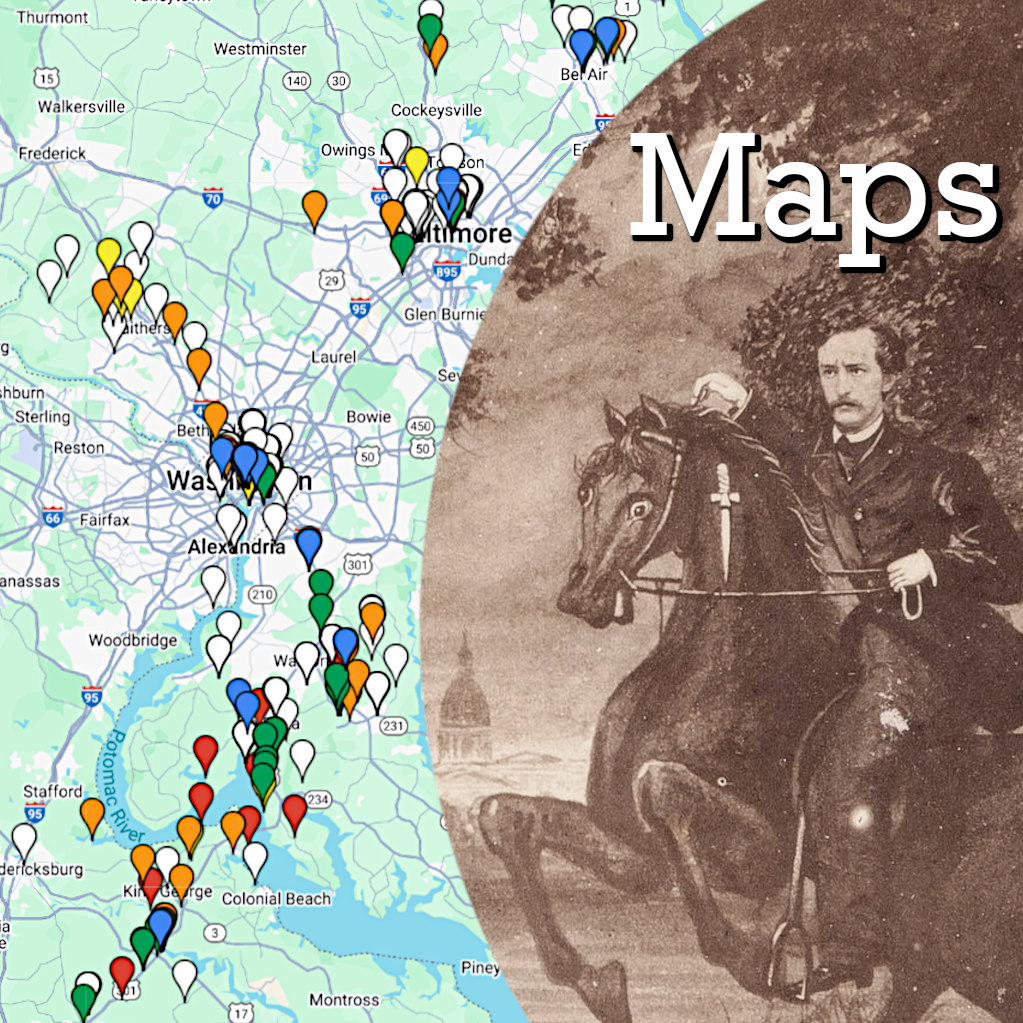
Epilogue: Booth Escape Route Tour

7:10 pm:
We are practically back to the Surratt House museum from which our journey began today. Even after recharging my phone twice during the trip, I’m back down to 15% battery life. For my first attempt at “live blogging” I’m quite happy with the result and I hope you enjoyed it.

The John Wilkes Booth Escape Route Tour put on by the Surratt House Museum is without compare. My few pictures are nothing compared to the thorough narration and wonderful experience of visiting these places firsthand. I hope you all have the opportunity to take this phenomenal tour in the future. You won’t regret it.

9:00 pm:

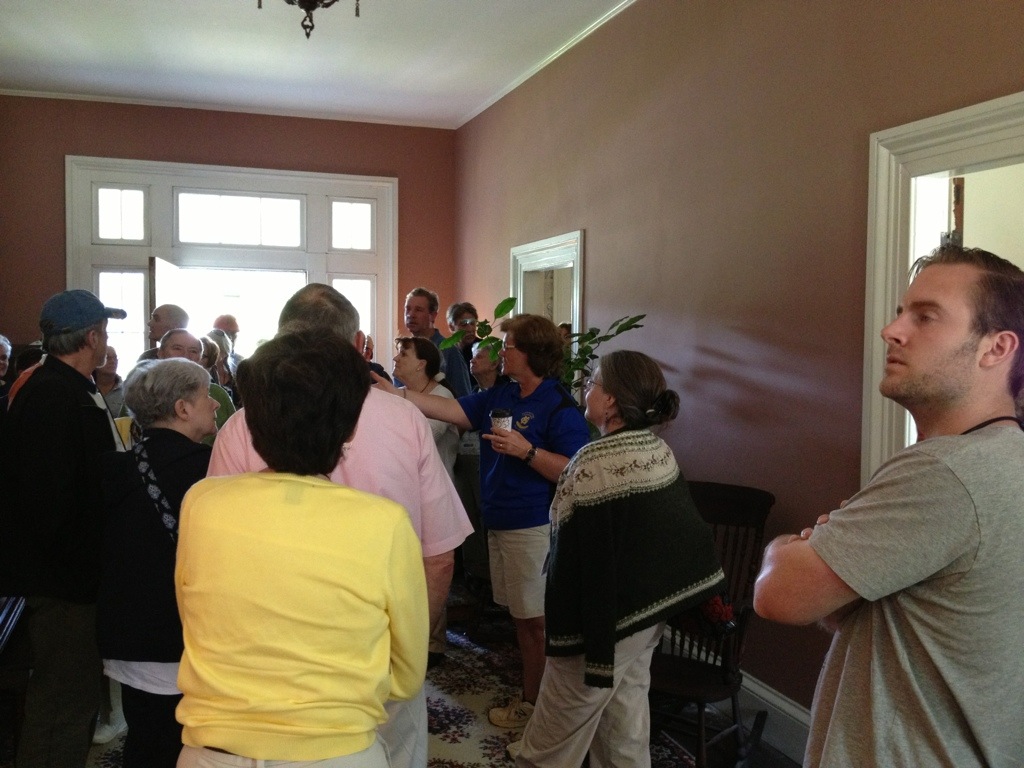
I’m back home now, and I want to share a touching story from today. On the tour with us were three people, an older couple and their daughter. They told me that they had been on the tour three times before this with their son, Rick. Rick loved Civil War history and taking the Booth tour. Last September, the couple told me, their son Rick died of cancer at the age of 48. They were wearing shirts with his face on them and going on this Booth tour in memory of him and how much he loved history.

IMG_2053

I thought that it was such a nice and touching tribute, and I think the Surratt House should be very proud of the fond memories this family has of their late son because of their tour.

‘Til next time,

Dave Taylor
April 27, 2013

Categories: Uncategorized | Tags: | 6 Comments

Live Blogging: Booth Escape Route Tour Part 2

My phone doesn’t want to add more pictures to my first “live blog” post, so I’m starting this second post to continue the tour.

3:35 pm:

20130427-154953.jpg

20130427-155034.jpg
Mathias Point, VA from the point where Booth and Herold set off from Maryland.

3:40 pm:

20130427-155208.jpg
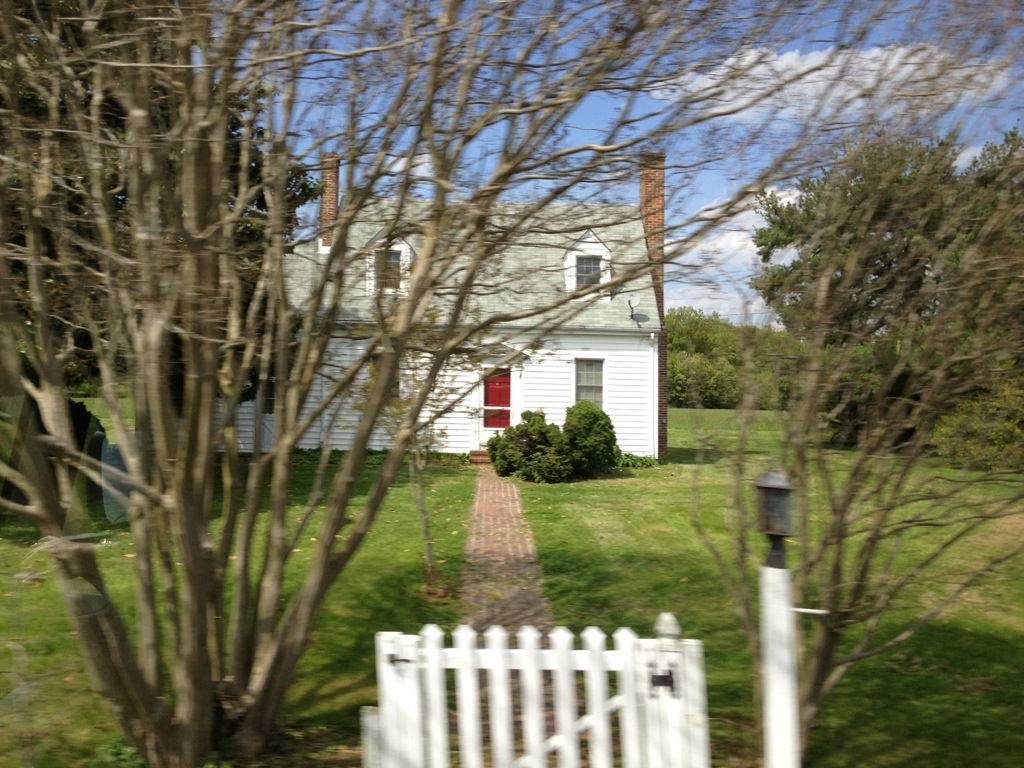
Drive by of Huckleberry, the home of Thomas Jones.

3:55 pm:

20130427-155757.jpg

20130427-155853.jpg
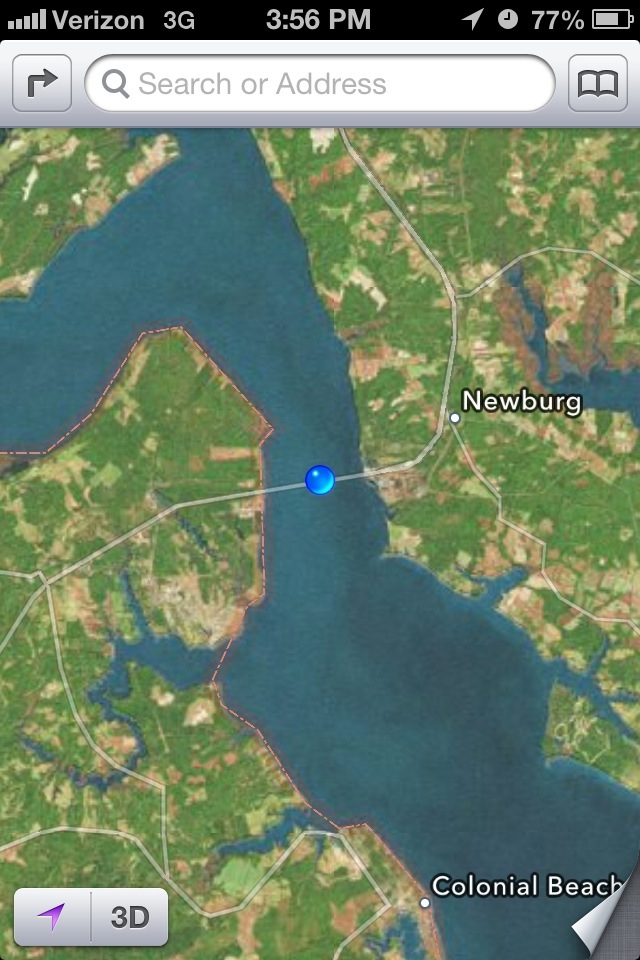
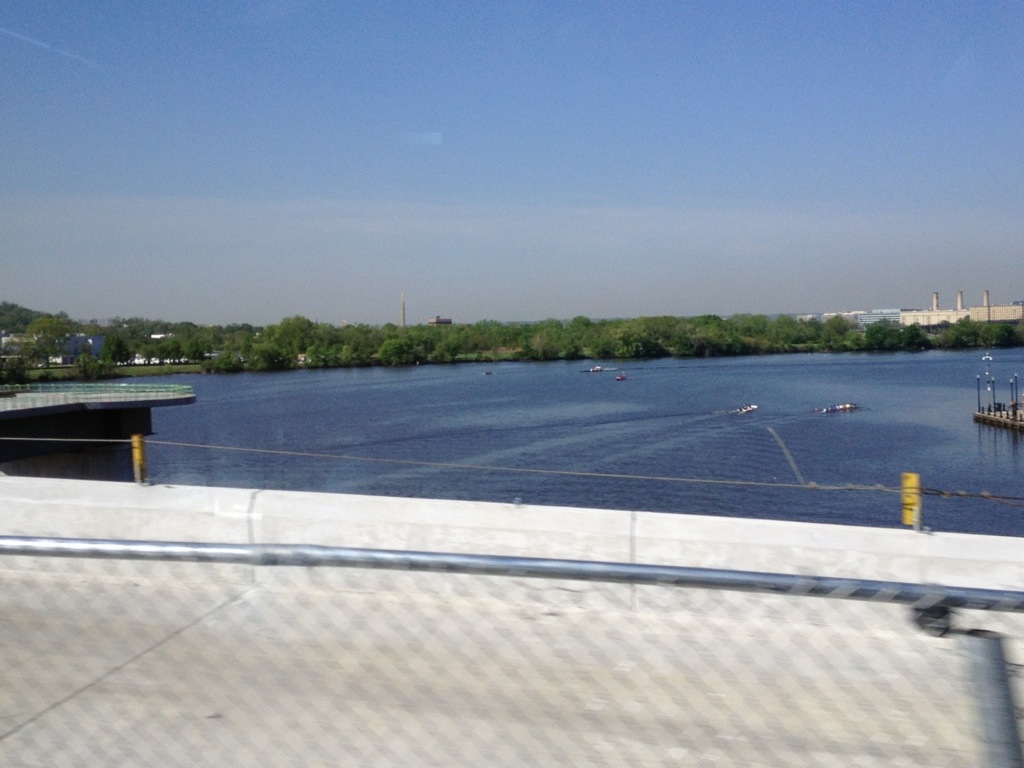
Crossing the bridge into Virginia.

4:05 pm:

20130427-160539.jpg

20130427-160633.jpg
Mrs. Quesenberry’s house.

4:30 pm:

20130427-163824.jpg

20130427-163856.jpg

20130427-164503.jpg

20130427-164522.jpg

20130427-164535.jpg

20130427-164633.jpg
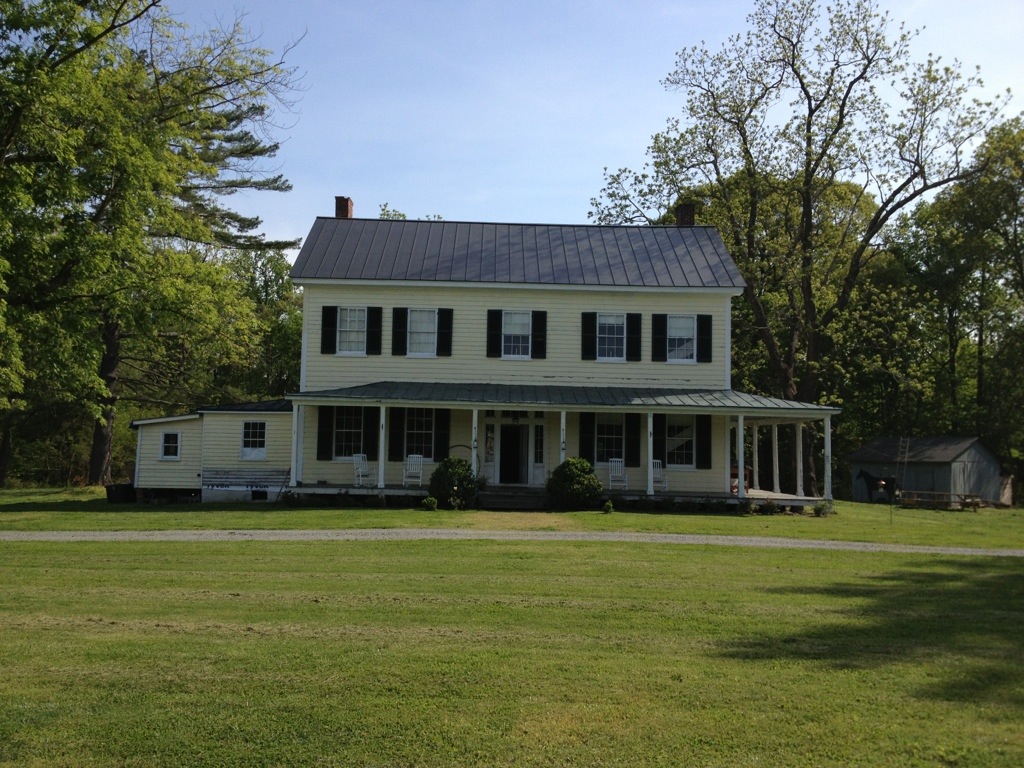
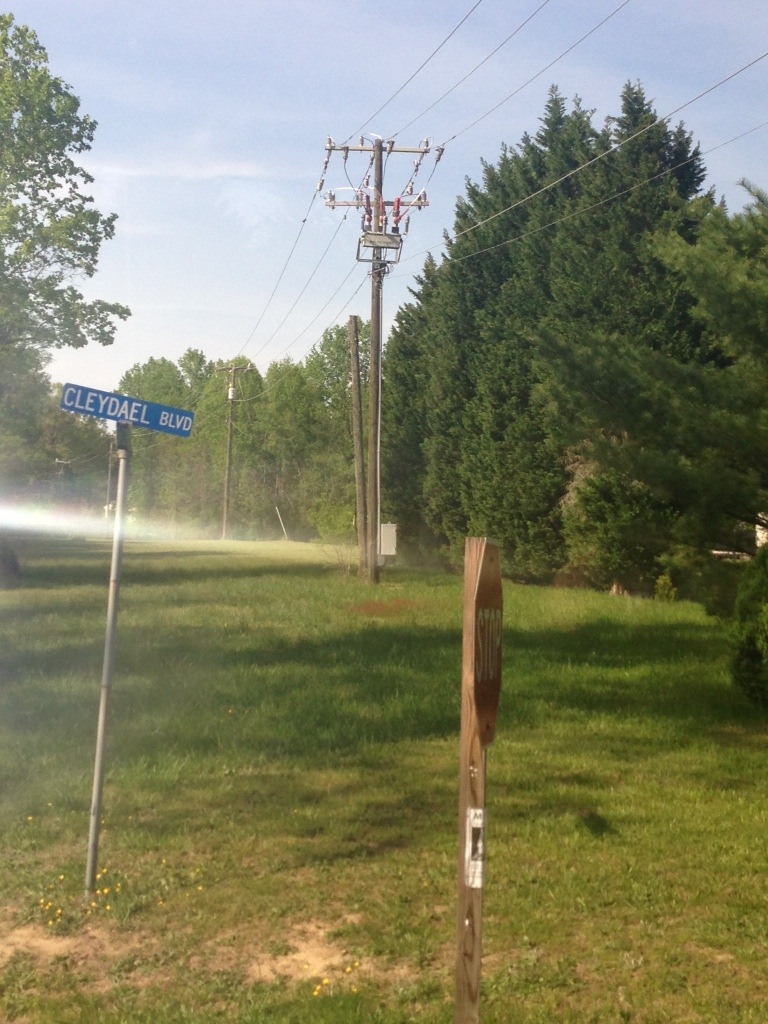
Cleydael, the home of Dr. Richard Stuart, who denied Booth and Herold aid excepting a meal.

4:50 pm:

20130427-165529.jpg
The telephone pole here marks the approximate location of the William Lucas cabin. Booth and Herold evicted the Lucases when they were denied by Dr. Stuart.

5:09 pm:

20130427-170932.jpg

20130427-170956.jpg
Drive by of where the ferry came into Port Royal, VA and the Peyton House where Booth and Herold attempted to find assistance.

5:20 pm:

20130427-174018.jpg

20130427-174042.jpg

20130427-174113.jpg

20130427-174204.jpg

20130427-174230.jpg
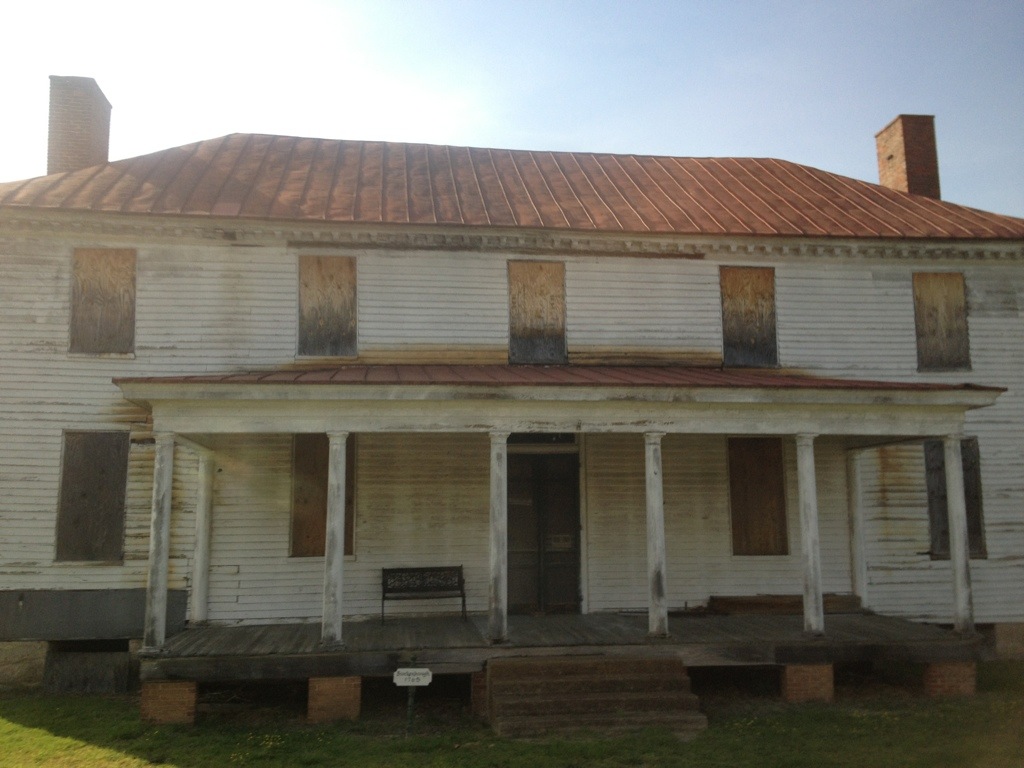
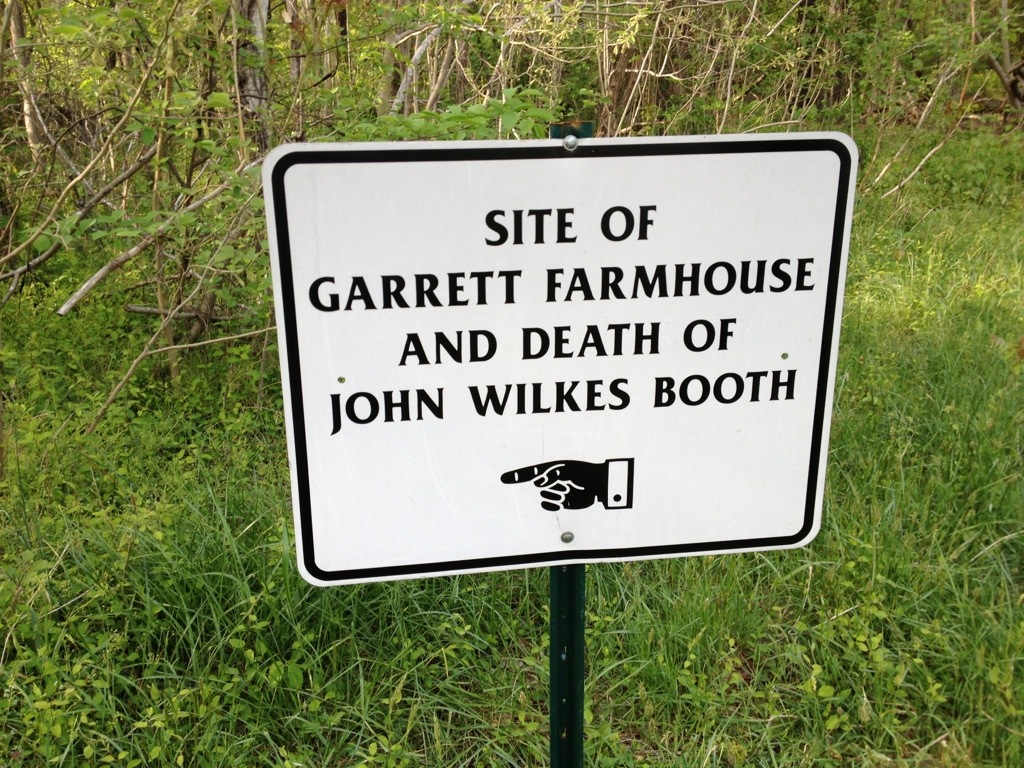
We made it. Booth’s last breath was taken here at Garrett’s farm 148 years ago yesterday.

5:45 pm:

20130427-180402.jpg
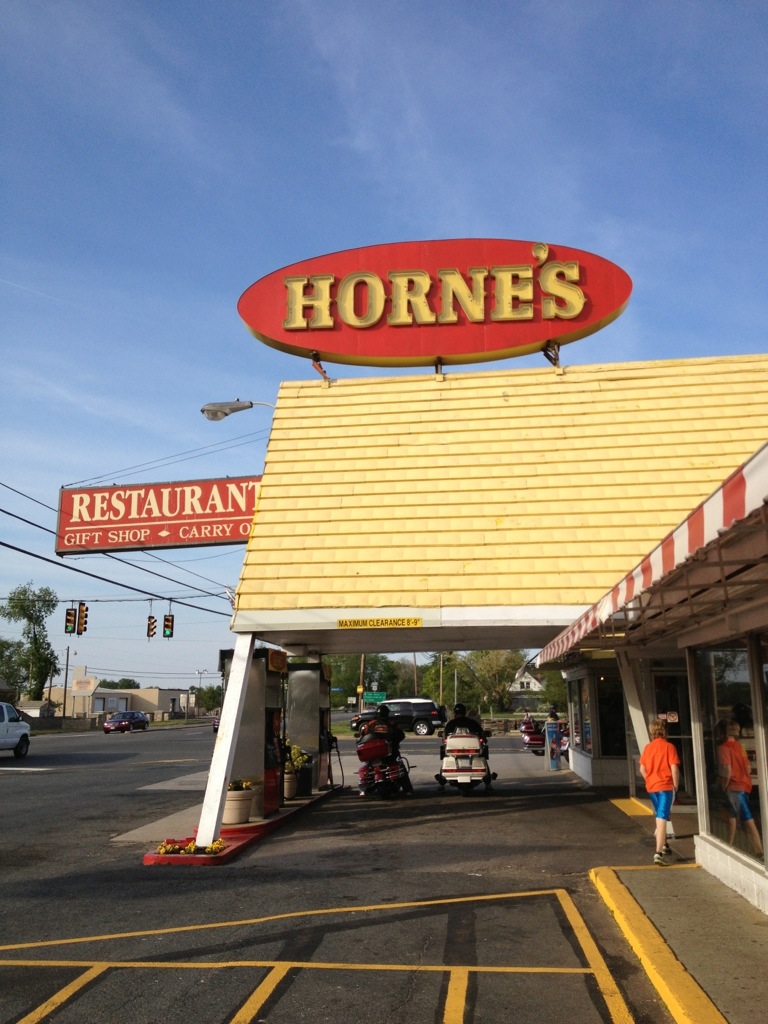
The last stop before we head back home to the Surratt House, Horne’s for ice cream and a bathroom break.

Categories: Uncategorized | Tags: | 14 Comments

Live Blogging: Booth Escape Route Tour

Today (4/27/13), I will be on the John Wilkes Booth Escape Route Tour put on by the Surratt House museum. I’ve decided to try my hands at “live blogging” the tour, which essentially means I will be adding pictures to this post throughout the day as we visit the different places. If there are any particular things you would like a picture of, comment below and I’ll be happy to oblige. I’m hoping my phone won’t run out of battery with all the picture taking and uploading, but it might happen. So if the tour just ends for awhile, you’ll know why. Check back periodically today for updates!

Here we go:

6:22 am: I am on my way to Surratt House early to await and facilitate the tour participants’ check in.

6:31 am:

20130427-063144.jpg
Two of the large bookshelves that line an office at the Surratt House Museum. If you need a book on the assassination, odds are the Surratt House gift shop has it.

7:23 am:

20130427-072201.jpg
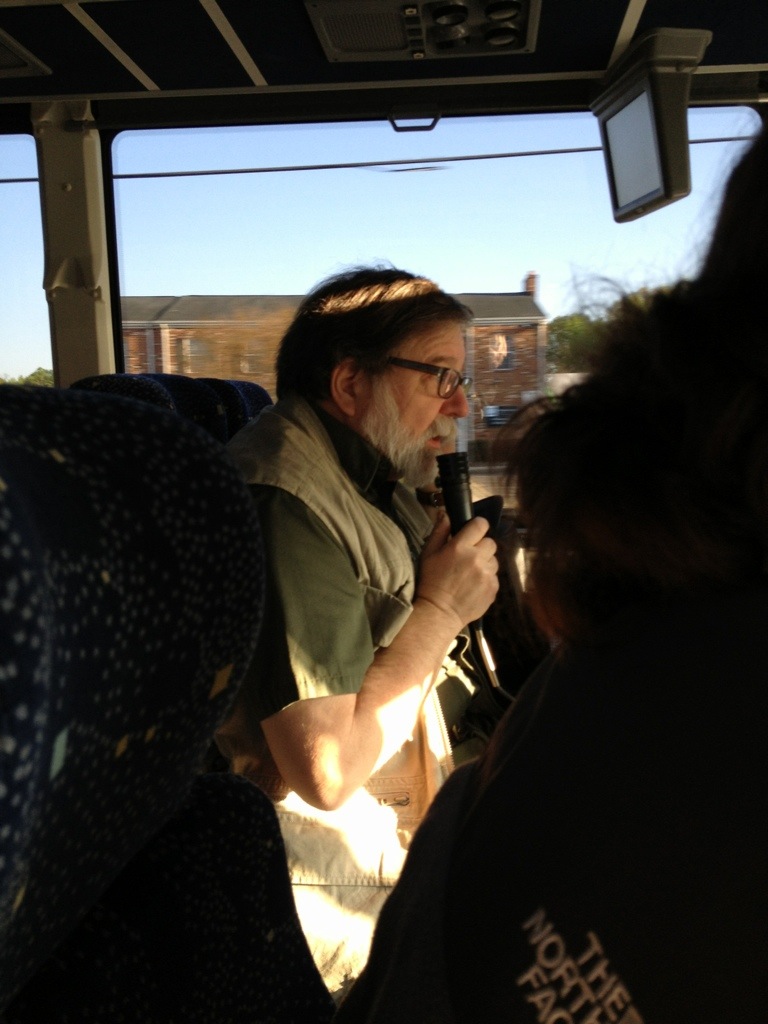
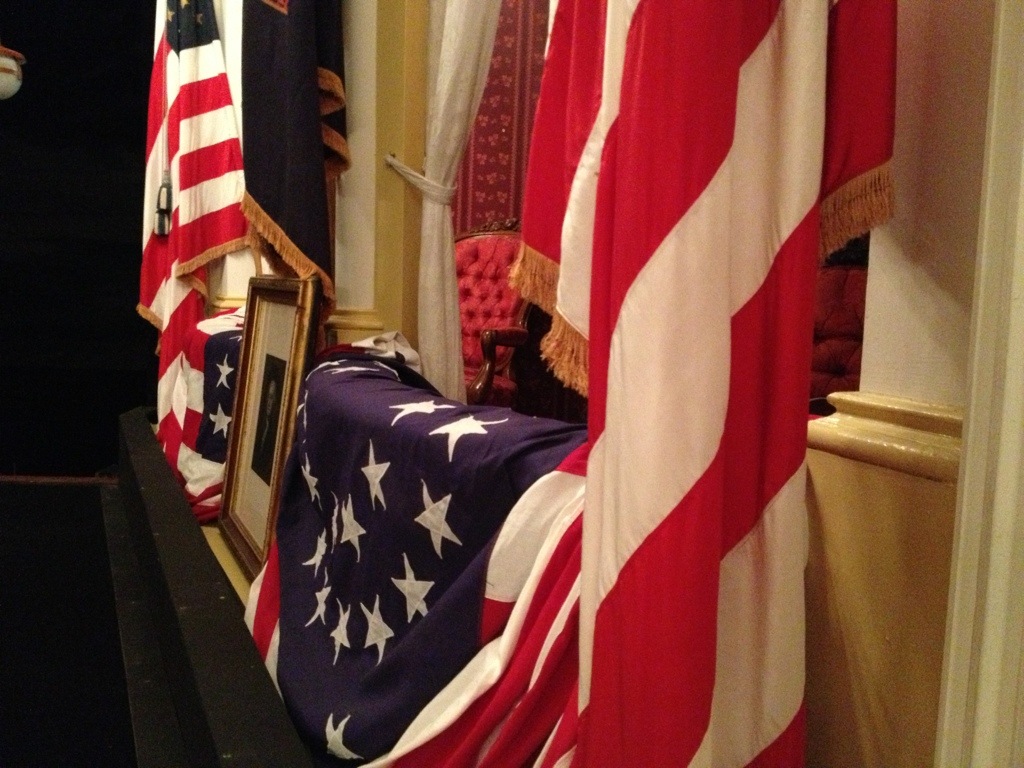
The bus has left Surratt House filled with the tour group and our esteemed tour guide, John Howard, sets the scene as we drive into DC.

8:00 am:

20130427-075938.jpg

We’re outside of Ford’s Theatre listening to Ranger Eric Martin give a speech about the history of the Theatre.

20130427-080225.jpg

8:15 am:

20130427-093137.jpg

20130427-093251.jpg

20130427-093322.jpg

20130427-093353.jpg
Inside the Ford’s Theatre Museum.

8:45 am:

20130427-093925.jpg

20130427-093941.jpg

20130427-093957.jpg

20130427-094014.jpg
In the theatre of Ford’s listening to Ranger Eric Martin give the account of the assassination and peering into the presidential box.

9:05 am:

20130427-092011.jpg
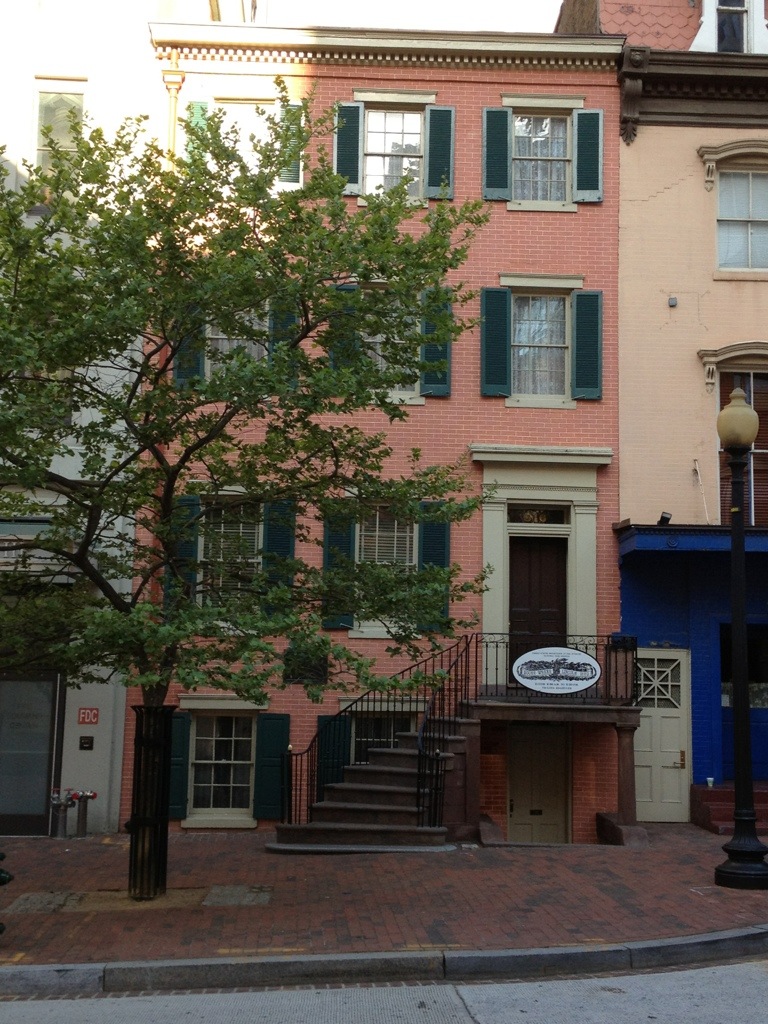
A quick walk through of Petersen House. I was helping some tour participants through so I didn’t take any pictures inside.

9:23 am:

20130427-092507.jpg

20130427-092525.jpg
Drive bys of Baptist Alley, the route Booth took out of Ford’s, and the former site of the Herndon House, where Lewis Powell stayed.

9:27 am:

20130427-092813.jpg
Drive by of the Surratt boarding house in D.C.

9:35 am:

20130427-094246.jpg

20130427-094345.jpg
Drive by of David Herold’s possible house in the Navy Yard and taking the bridge that runs parallel to the former Navy Yard bridge.

9:57 am:

20130427-100052.jpg
The approximate location of Sopher’s hill where Booth and Davy met up after fleeing DC separately.

10:10 am:

20130427-101633.jpg

20130427-101706.jpg

20130427-101718.jpg

20130427-101737.jpg

At the Mary Surratt House Museum in Clinton, MD, the organizers of this and countless other BERTs.

20130427-103003.jpg
Surratt House employee Kyle Mongan about to give a tour. No pictures of the inside of the house because I’m spending our time at Surratt charging my phone battery in my car otherwise I won’t make it much past Mudd’s.

11:27 am:

20130427-112906.jpg
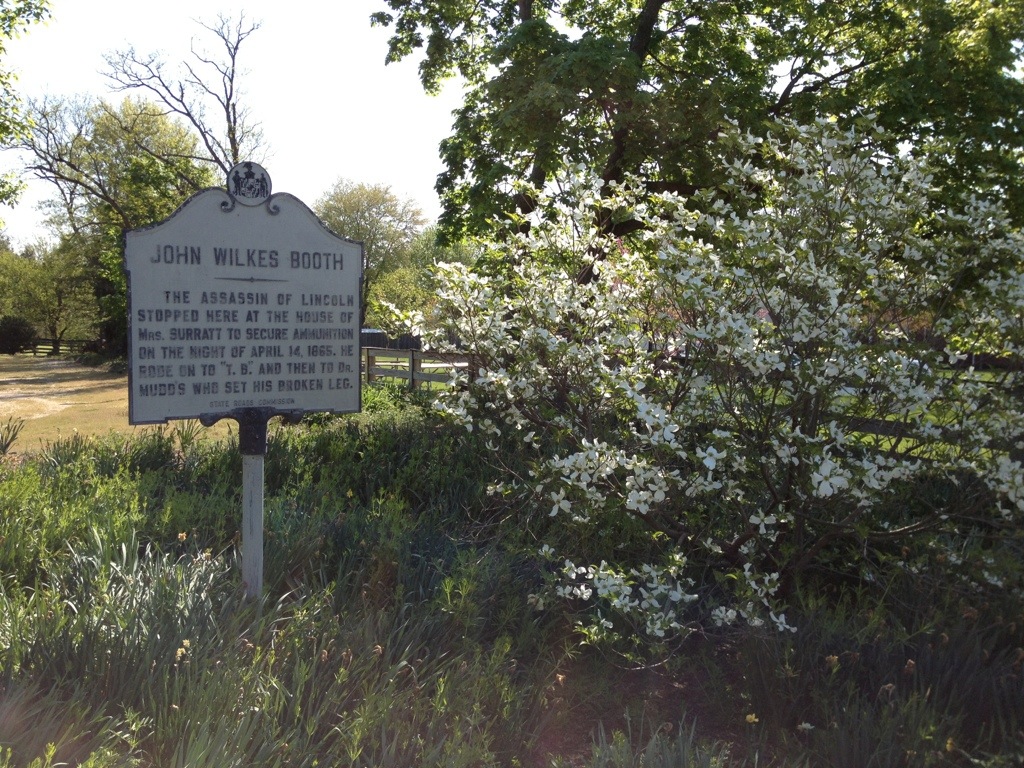
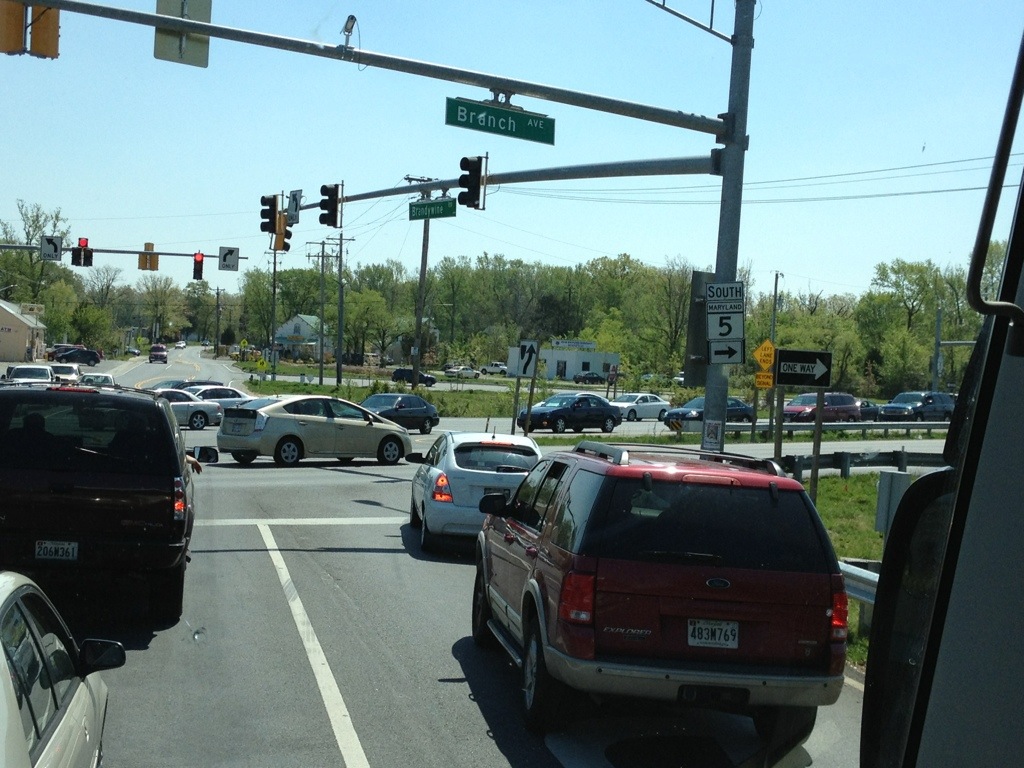
The small crossroad town of T.B. through which Booth and Herold rode through after leaving the Surratt Tavern.

11:46 am:

20130427-115314.jpg
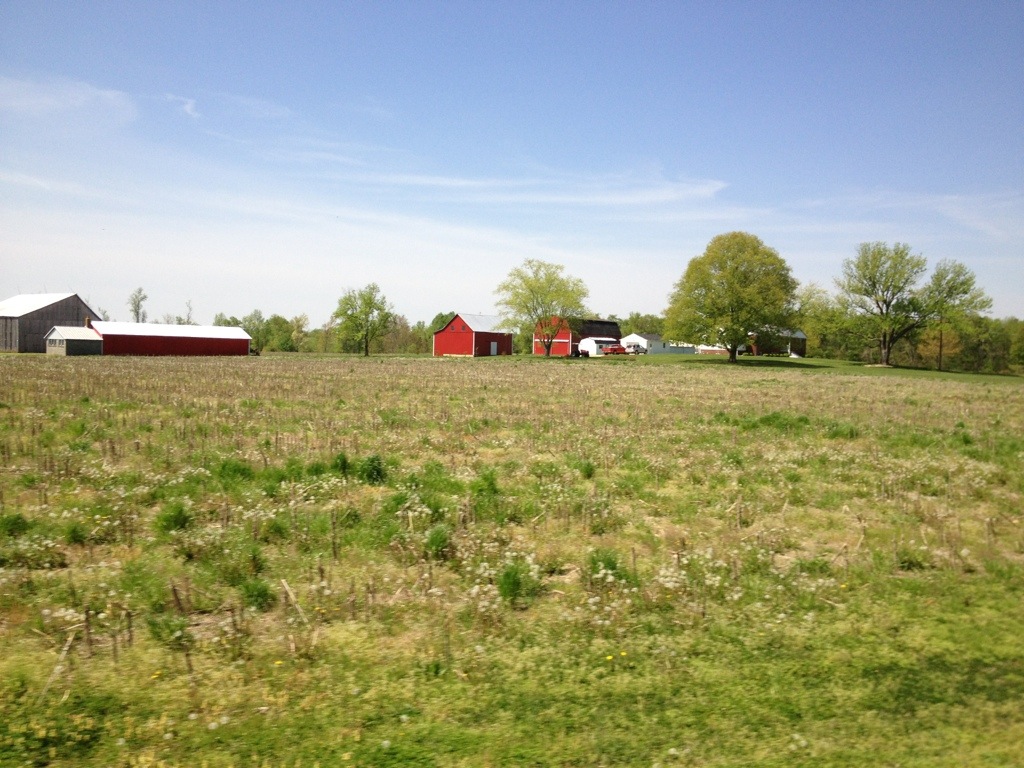
Farm of George Gardiner, next door neighbor of Dr. Mudd’s, from whom Booth bought a horse blind in one eye.

11:50 am:

20130427-125033.jpg

20130427-125135.jpg

20130427-125153.jpg

20130427-125210.jpg

20130427-125234.jpg

20130427-125241.jpg

20130427-125259.jpg

20130427-125309.jpg

20130427-125343.jpg

20130427-125355.jpg
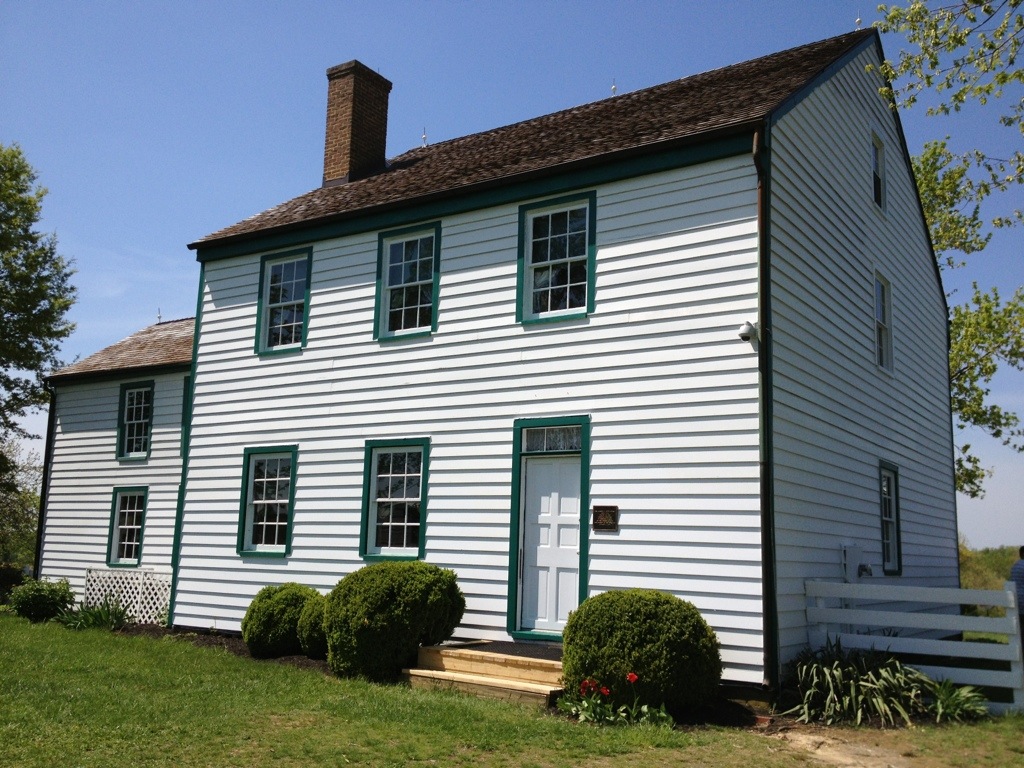
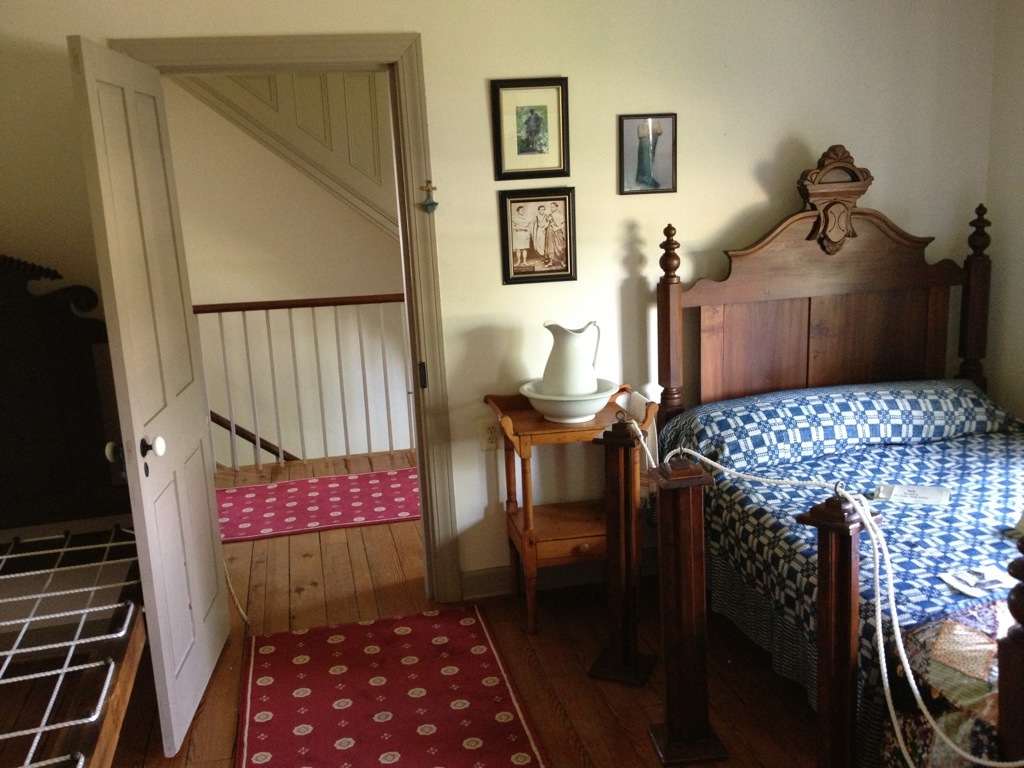
The Dr. Mudd House Museum in Waldorf, MD.

1:03 pm:

20130427-130414.jpg
Drive by of Bryantown Tavern, where Dr. Mudd came and learned of Lincoln’s assassination on April 15th while Booth was at his home.

1:07 pm:

20130427-130841.jpg
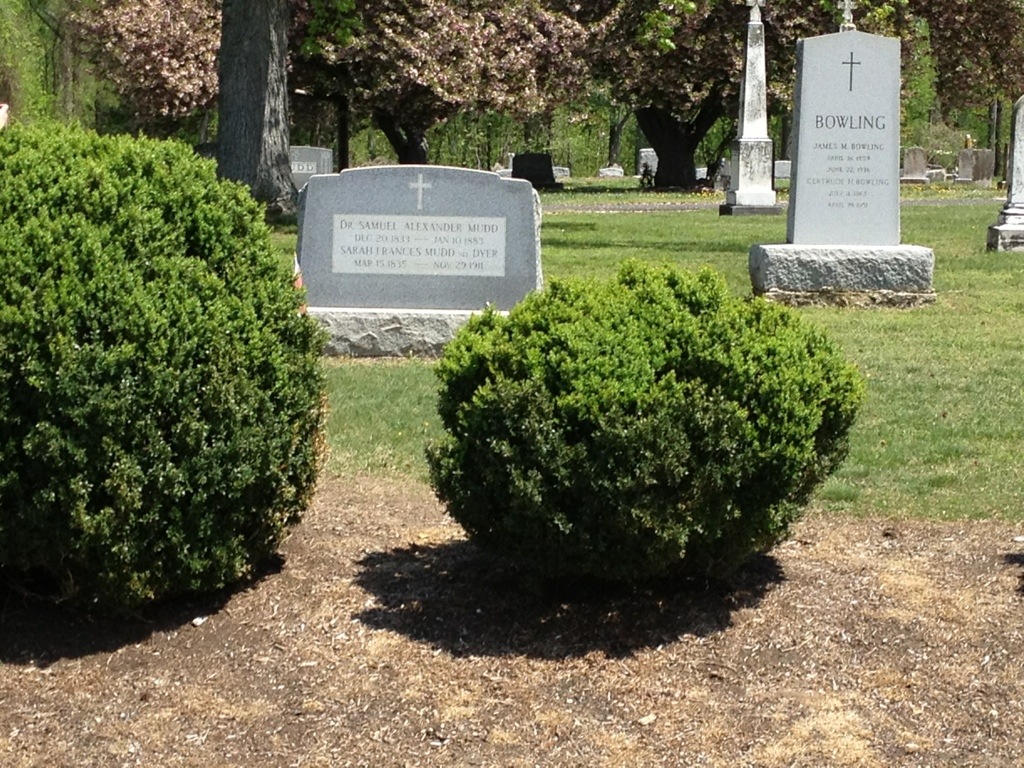
Drive by of Mudd’s grave at St. Mary’s church, where Mudd met Booth in 1864.

1:23 pm:

20130427-132747.jpg

20130427-132756.jpg
Drive by of Rich Hill, the home of Samuel Cox.

1:25 pm:

20130427-132948.jpg
Drive by of the pine thicket where Booth and Herold were hid by Thomas Jones.

1:34 pm:

20130427-133358.jpg
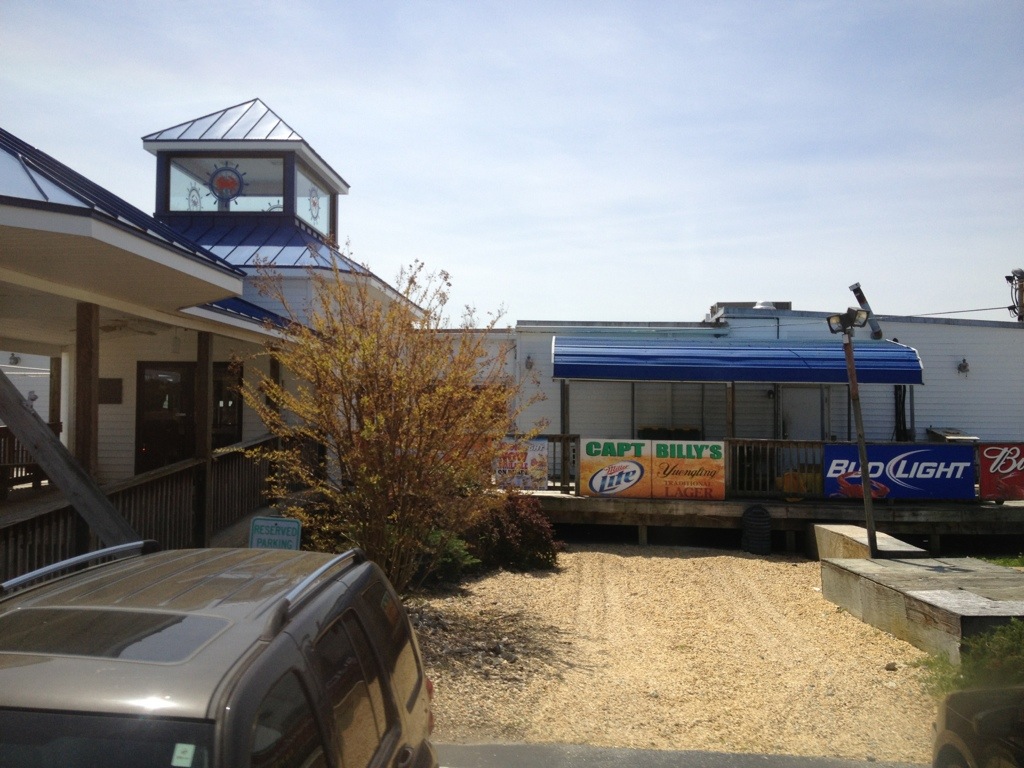
Time for lunch at Captain Billy’s. I’ll see you after.

3:15 pm:

20130427-152431.jpg

20130427-152516.jpg

After a short delay due to a broken broiler at Captain Billy’s, we’ve made it to Loyola Retreat, the location of where Booth and Herold set across the Potomac.

End of part 1. See part 2: http://boothiebarn.com/2013/04/27/live-blogging-john-wilkes-booth-escape-route-tour-part-2/

Categories: Uncategorized | Tags: | 28 Comments

The Case Against Dr. Mudd

While I take a sympathetic and pragmatic approach to Dr. Mudd when it comes to his knowledge of the assassination of Lincoln, from time to time I think it’s important to point out the fallacy of the “simple, country doctor” mystique that has crept up around him.  The following is an excerpt from Dr. Edward Steers, Jr.’s wonderful book, His Name is Still Mudd.  It succinctly states the evidence demonstrating Dr. Mudd’s involvement in John Wilkes Booth’s initial plot to abduct President Lincoln.  What follows after is an account written by George Alfred Townsend, GATH, in which the meeting between Dr. Mudd, Booth and Thomas Harbin is described.

dr-mudd-1-oldroyd

Mudd’s knowledge of, and acquaintance with John Wilkes Booth:

      1.  The meeting in November 1864, in which Booth is first introduced to Mudd at St. Mary’s Church in Bryantown.
          2.  The meeting at the Bryantown Tavern in mid-December 1864, (December 17-21) where Dr. Mudd introduced Booth to Thomas Harbin [see account of this meeting below], and when Booth spent the night at Mudd’s house and later purchased the one-eyed horse from his neighbor, George Gardiner

3.  The December 23, 1864 trip to Washington where Mudd meets Booth at the National Hotel and introduces him to Confederate agent John H. Surratt, Jr.

Whether Mudd knew that Booth murdered Lincoln, and when he knew it:

          1. Samuel Mudd’s statement that he heard of the assassination while in Bryantown on Saturday afternoon (April 15th)
          2. Francis R. Farrell’s testimony in which he states that Mudd told both himself, and John F. Hardy on Saturday afternoon that a man named Booth had murdered Lincoln.
          3. Samuel Cox, Jr.’s statement that Mudd told him, in 1877, that while in Bryantown on Saturday afternoon, April 15th, Mudd had heard of the assassination of President Lincoln, and that John Wilkes Booth was the assassin.
          4. Samuel Cox, Jr.’s statement that Mudd told him that when he learned Booth was the assassin he returned home and ordered Booth out of his house.
          5. Captain George W. Dutton’s affidavit that Mudd told him on July 22, 1865, that he knew it was Booth whose leg he had set at his home on Saturday, April 15th.

Evidence linking Mudd to Booth’s conspiracy to capture President Lincoln:

        1. Mudd’s introduction of Thomas Harbin to Booth.
        2. Mudd’s introduction of John H. Surratt, Jr. to Booth.
        3. Samuel Cox, Jr.’s statement which quotes Mudd as saying that he went into Bryantown on Saturday, April 15th, to mail contraband letters which he had received earlier.
        4. George Atzerodt’s “lost confession” in which Atzerodt states that Booth had sent provisions to Dr. Mudd’s house to be used for their flight to Virginia.
        5. Dr. Richard Stuart’s deposition which states that Herold had told him that Dr. Mudd had referred Booth and Herold to Dr. Stuart, implying that Booth would receive medical assistance.
        6. William Bryant’s statement that the two fugitives were referred to Dr. Stuart for medical assistance.”

 – Dr. Edward Steers, Jr. in His Name is Still Mudd

Thomas Harbin

Thomas Harbin

“After church that day Booth went into Bryantown, a mile or two distant, and in plain sight, and was introduced by Dr. Mudd at the village hotel to Mr. Thomas Harbin, the Marylander, who was the principal signal officer or spy with the lower Maryland counties.

Toward the close of the war rigorous policing of the lower Maryland country was relaxed or dispensed with, as the enemy had been pushed south of the James River and seldom molested the Potomac paris.  Harbin, whom I talked to at great length just before he died, about 1885, gave me particulars concerning Booth, which would now be past discovering.  He told me that in Bryantown, at the tavern, Dr. Mudd introduced him to Booth, and said that Mr. Booth wanted some private conversation with Harbin; they took a room on the second floor, where Booth went through the thespian motions of pacing and watching the hallways and escapements.  He then outlined a scheme of seizing Abraham Lincoln and delivering him up the same evening in Virginia.  He said that he had come down to that country to invite co-operation and partners, and intimated that there was not only glory, but profit in the undertaking.

Harbin was a cool man who had seen many liars and rogues go to and fro on that illegal border and he sat down Booth as a crazy fellow, but at the same time said that he would give his co-operation.”

GATH dispatch, Cincinnati Enquirer, April 18th, 1892

Categories: Uncategorized | Tags: | 16 Comments

The Attempt on Edwin Booth’s Life

As I wrote two days ago, Edwin Booth was the target of an assassination attempt on April 23, 1879 while he was performing Richard II at McVicker’s Theatre in Chicago. Since two days ago was the anniversary of the attempt, I wanted to put up a quick post highlighting what I considered a mere piece of historical trivia. The more I looked into it however, the more I found myself quickly engulfed in a huge amount of information that is available far beyond what I have read in books. My inspiration for this post was Nora Titone’s Edwin/John Wilkes biography, My Thoughts Be Bloody which devotes a paragraph to the incident. While looking for a bit more background I read about the incident in Eleanor Ruggles’ Prince of Players and Stanley Kimmel’s The Mad Booths of Maryland. These sources gave about a page to the incident. I decided to look at the newspaper sources of the day, and it is from those that I was deluged with information. This attempt on Edwin’s life was a national story. The coverage on it all quickly reminded me of how talented and celebrated Edwin Booth truly was. We all know that newspapers take liberties with the truth from time to time and that we cannot trust them with certainly. Nevertheless, what follows is a look at the aftermath of the attempt on Edwin’s life and the fate of his assassin.

First allow me to summarize the scene of the assassination ttempt, this time pulling from newspaper sources, rather than the books mentioned above.

McVicker's Theatre

In April of 1879, Edwin Booth was at McVicker’s Theatre in Chicago for an engagement. McVicker’s was owned by James H. McVicker, the step-father of Edwin’s second wife, Mary McVicker. She was backstage during that night’s performance. As always, the accounts of the day differ somewhat regarding what happened during the final act of Richard II. The last scenes of the act are set in the prison of Pomfret castle where King Richard is shown cut off from the world. The stage is darkened during this scene, with little more than a pale light masquerading as moonlight shining through a small grated window on the prison flat. Booth, as Richard, was sitting on stage soliloquizing of his isolation. Meanwhile, a man who sat in the second balcony about 30 feet from Booth, was removing a pistol he had concealed in his sleeve. In his left hand, he was said to be holding a copy of the play. He followed along with Booth’s soliloquy, waiting for the right time to act. While speaking onstage, Booth heard a shot ring out.

mark-gray-lyons-vs-edwin-booth-iannone

Booth and the audience remained unmoved; the audience thinking the anachronistic gunshot was the result of an error backstage and Booth thinking an accident prone cowboy had discharged his gun by mistake. When a second shot rang out about three seconds later, Booth arose (or was in the process of rising when the second shot happened) and proceeded to walk calmly towards the direction of the shots. Before walking off of the stage and into the audience, Booth pointed to the left hand upper gallery and men around the assailant grabbed at the man with the revolver, preventing him from firing again. Booth went into his dressing room to comfort his wife, Mary, who was in a state of great distress after hearing the shots.
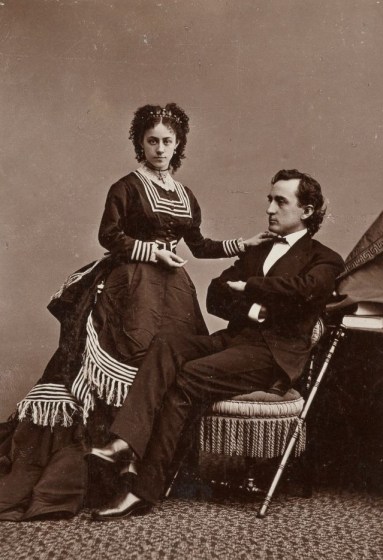
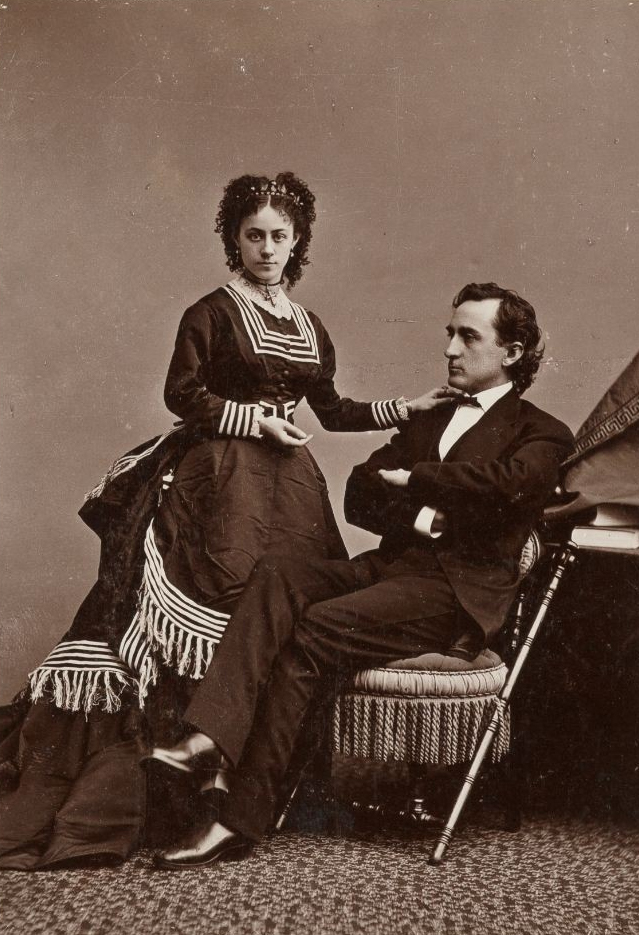
Edwin Booth and his wife Mary McVicker

Edwin Booth and his wife Mary McVicker

It was written that had it not been for the swift response from police officers the assailant would have been, “rather roughly handled” by the rest of the audience when they became aware of what had occurred. The man was seized by the officer of the theatre and James Morgan, a detective who was in the audience. Morgan put handcuffs on the man who gave him little resistance. As Morgan led the man to Chicago’s Central Station, he heard him say, “I don’t see how I happened to miss him,” and, “I am sorry that I didn’t take some lessons in pistol practice before I tried this thing.”
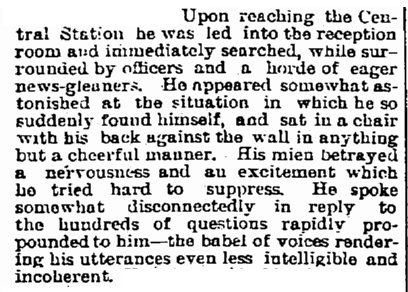
Nervous interrogationWhen searched at Central Station a .32 caliber “True Blue” revolver with three loaded chambers and two chambers containing exploded shells was found on him. Along with some trivial items (scissors,  pawn ticket, pocket knife) the man was found to have a stub for a seat at McVicker’s from the night before, April 22nd. In addition, the man had this letter on him:

“Chicago, April 22, 1879.

Dear Katie:

Forgive these brief but horrible lines, I left St. Louis Monday evening. The firm I was with would not increase my salary, so I made up my mind to return to Keokuk, but being a lover of fine acting I came to Chicago to see Booth, but I was sadly mistaken. It would take Booth one year of constant acting to compete with Lawrence Barrett’s  Richelieu. Tonight he plays Richard II. Katie, if I go tonight he will kill me or I will him. In all Shakespeare’s works I find but one man to compete with Booth, and that is Iago. My judgment ought to foretell me that since I call Booth Iago he could no more play Richelieu than the devil could be an angel. I don’t know what to do. Every line I write I prance the floor as though I was playing Hamlet. I’m sorry I came here, for I think the hangman has a rope for me. Remember me to your mother and sister.”

The man had seen Edwin Booth act before, and seemingly did not believe he was worthy of any of his accolades. The letter was signed, “Yours Truly, Mark Gray”. The name of the failed assassin was known.

When asked, he refused to state his reasons for wanting to kill Edwin Booth, but claimed that when they were made known, they would be deemed sufficient to all.

The next morning, April 24th, Edwin Booth was present when Mark Gray was taken before a judge:
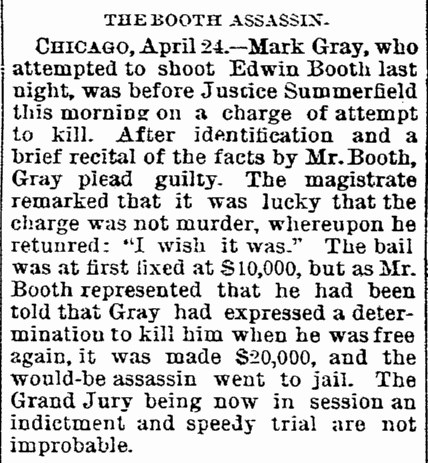
Bail hearing for Gray

It was found that Gray had purchased the revolver used in the shooting only the day before and clearly showed no skill as to its use. Mark Gray was a young man, 26 years of age (though he stated to police he was 23) and was said to bear a striking resemblance to Edwin Booth if not for his mustache.

Theories abounded regarding Gray’s motive behind his attempted assassination of Edwin. Gray’s own ambiguity when questioned only fueled the fire in the nation’s newspapers. Here are a few published theories for the attempt on Booth’s life, some serious, others humorous:

This slideshow requires JavaScript.

While people hypothesized about Gray’s motives, more information was being found regarding his background and character:
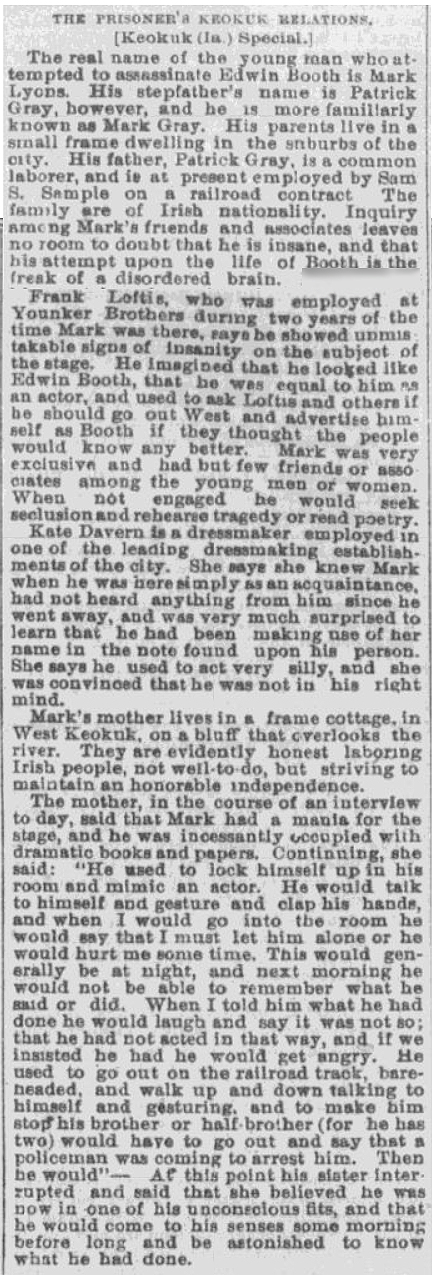

Background on gray

suicide attempt gray

Finding no answers in the newspaper accounts and the interviews others had with Gray, Edwin Booth decided to meet with Gray himself and ask him what drove his attempt on his life:

Edwin's chat with Gray

Perhaps desiring the attention for a longer period of time, Gray did not reveal his reasons to Booth at this time.

On May 6th, Mark Gray was brought into court for arraignment and gave a surprising plea:

Gray pleads guilty

Wanting to make sure Edwin Booth was present for the proceedings of the trial before departing Chicago for his next engagement, the pendulum of justice moved swiftly for Mark Gray. On May 10th his trial began, and it was here that he finally revealed his reasoning for attempting to kill Edwin Booth.

Gray's Trial

The mere word “mark”, recited by Edwin Booth as Richelieu and King Richard was the cause for the actor’s misery. The vocalization of this simple English word which is a homograph for a name, and the way in which Booth portrayed his characters, incensed Mark Gray to the point of madness. As stated, Gray was immediately sent to the Northern Illinois Hospital and Asylum for the Insane in Elgin, IL.

Though Gray was locked away, Edwin Booth kept a cautious eye on his would be assassin and wrote the following note to a Chicago attorney a month after Gray was put in the Elgin asylum:

“I trust that our friend Gray may become gray indeed – yea postiviely hoary-headed – in kind but careful confinement, or if earlier released, that his exit may be from this earthly stage of his dramatic exploits to that celestial scene where idiots cease from shooting and actors are at rest. If he be ever again at liberty my own life I shall not value worth a rush. But I hope the Elgin guardians will not be deceived by his seeming helplessness.”

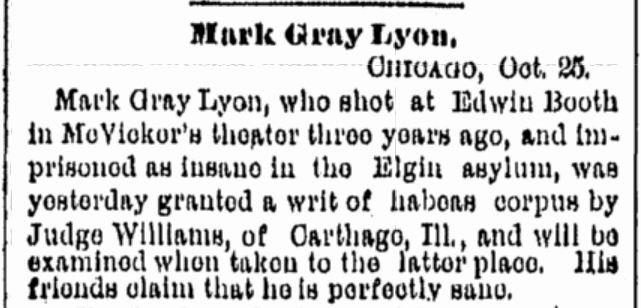
Edwin Booth would be able to sleep easy for a little over three years.  Then, in October of 1882, Mark Gray’s friends made a plea for his release:

Gray seeks release October 25 1882 Rockford, IL

On November 6, 1882, Gray was successful in his plea:
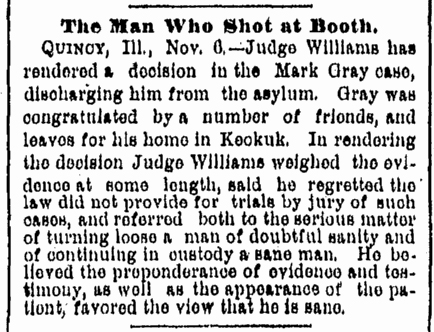
Gray set free November 6 1882 Rockford, IL

Though I have not been able to find an account of Edwin’s reaction to the release of his would be assassin, we can surmise that he was not pleased by the relatively short amount of time Mark Gray spent locked up.

In a worrisome sign of mental relapse, Gray jumped into the spotlight again trying to cash in on his infamy:

New Hamlet November 23 1882 Canton, OH

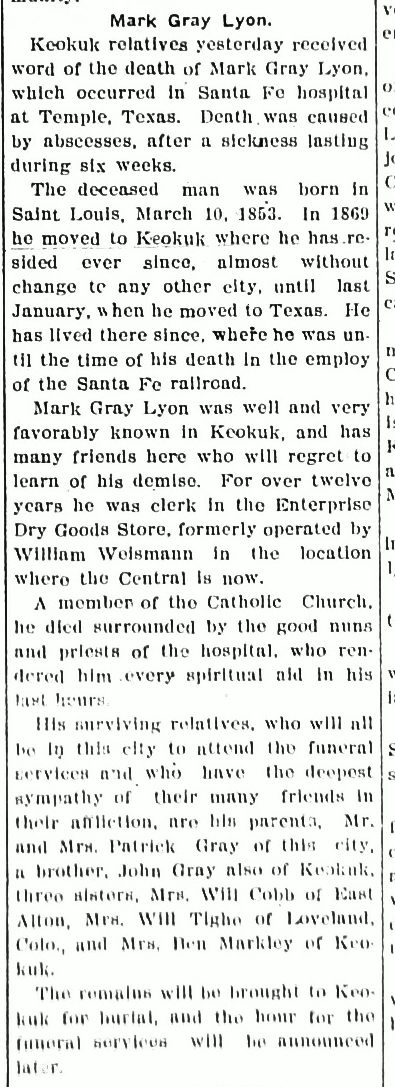
If Gray ever did play Hamlet, it was just to his neighbors in Keokuk, Iowa. For many years, Mark Gray was forgotten. When Edwin Booth died in 1893, Gray’s attempt was mentioned in a sentence on various newspaper biographies on his life. Just a little over 10 years later, in May of 1904, Mark Gray Lyons died at the age of 51. While Booth’s obituaries contained mentions of Mark Gray, there was a distinct lack of Booth in Mark Gray’s official obituary:

Gray's Obit

Unsurprisingly a bachelor his whole life, Mark Gray was buried with his sister and her husband in the Catholic section of Keokuk’s Oakland Cemetery.

To me Mark Gray Lyons is Edwin Booth’s Mark David Chapman. Gray wanted the fame and life of Edwin Booth. He tried to convince others and himself that he was Edwin Booth’s son. He wanted to be a star of the stage and resented Edwin for the success he had. After the shooting that night in 1879, Edwin Booth returned to the stage and finished Richard II. James McVicker found one of the bullets behind one of the stage flats it had passed through and he gave it to Edwin Booth. Booth later had it set in a gold cartridge and engraved upon it, “From Mark Gray to Edwin Booth, April 23, 1879.” Edwin was above all else, a devoted tragedian and, as history shows, nothing could keep him off that stage for long:

Scene in a theatre

References:
My Thoughts Be Bloody by Nora Titone
Prince of Players by Eleanor Ruggles
The Mad Booths of Maryland by Stanley Kimmel
The Staff of the Keokuk Public Library
Countless newspaper articles garnered from GenealogyBank.com

Categories: History | Tags: | 13 Comments

OTD: Edwin Booth Gets Shot At

On this date, April 23rd, in 1879, Edwin Booth performed Richard II at McVicker’s Theatre in Chicago.

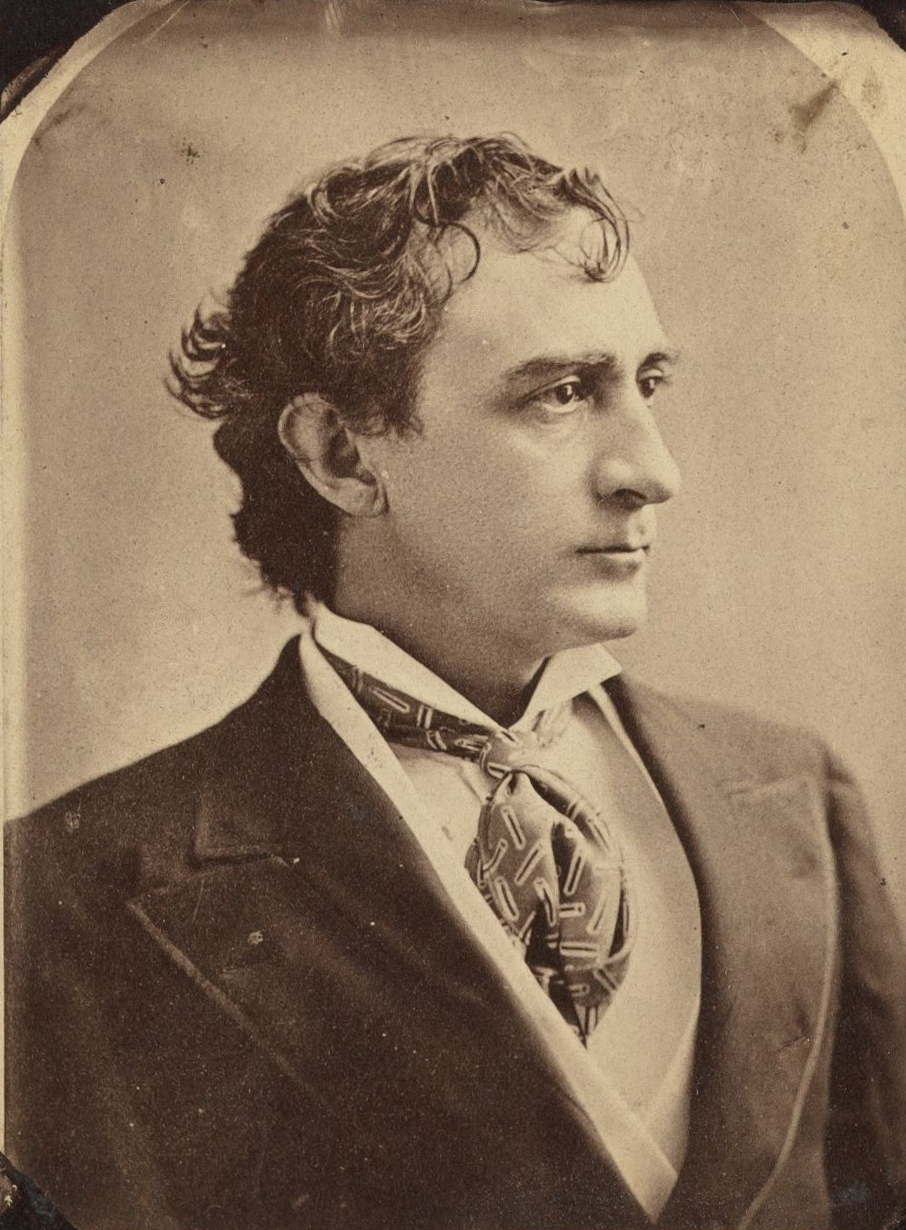
Edwin Booth in 1879

Edwin Booth in 1879

While performing the final solioquy of Richard II on Shakespeare’s birthday, Edwin altered his normal practice of sitting throughout the speech and for no clear reason felt compelled to stand.

“He leaned himself over to steady himself as he got up.  As he did so, a bullet whizzed over his head.  Another shot was fired, and looking up, he saw a man standing in the gallery, pistol in hand, ready to pull the trigger once more, had he not been prevented by several persons from behind who seized his arms.  Edwin walked calmly to the front of the stage, pointed him out, and cried, ‘Arrest that man!’  For a few moments, the audience was panic-striken, but was quieted after the would-be-murderer had been taken from the house.  Edwin addressed them, saying he wished to speak with his wife who was backstage and would then finish the performance.”

The Booth family was shaken by the events at McVicker’s and may have believed the attempt on Edwin’s life was a latent revenge act for Wilkes’ assassination of Lincoln.

Stay tuned for more to come about the culprit behind this attempt on Edwin Booth’s life…

References:
 The Mad Booths of Maryland by Stanley Kimmel

Categories: Uncategorized | Tags: | 8 Comments

Ugolino

Yesterday, April 20, marked the 188th anniversary of the debut of a new play on the American stage. Though practically forgotten today, the tragedy Ugolino debuted yesterday in 1825. The story is a dark one. The main character, Ugolino, is a passionate man who has lost all sense of reason due to his love for Angelica. When he finds that Angelica’s heart is desired by another man, the Marquis di Serassi, he kills this rival beau in a jealous rage. Overcome with madness, he slays his own beloved Angelica before regaining his senses. Ugolino, while clutching Angelica’s bleeding corpse to his chest, demands of the audience:

“Was it not well done? Look here! She loved me… and I killed her!”

While overwrought with his own grief and guilt, Ugolino is questioned by angry Venetians. “Accursed wretch,” they cry, “What moved thee to act?” Ugolino answers with:

“What mov’d me to it? To murder him who sacrificed my peace?

This was the crowning crime! This was Hell’s greatest triumph

…Dost thou not know me? Tis Despair

From the abyss of ever-burning Hell,

Where on the footstool of the great fiend’s throne,

I sit and form dark snares for wavering souls!”

Ugolino, in his final scene of this bloody drama, steps forward, his sword upraised, ready to plunge the blade into his chest, and shrieks, “Come my bride…to Hell’s center! In my heart I plunge this reeking sword!” The play ends with Ugolino’s suicide.

The original debut on April 20, 1825 was at Philadelphia’s Arch Street Theatre and was a benefit for Mr. Henry Wallack, with him and his wife playing Ugolino and Angelica.

Henry Wallack

Henry Wallack

Of the play, one critic wrote:

Ugolino,” [is] one of the best productions of the modern stage, a work possessing great poetry of diction and nervousness of style… This play is published, easily accessible, and worthy a place in every library.”

Though celebrated by some, Ugolino did not become a house hold name. From its initial April 20, 1825 debut onward, it was produced quite sparingly. In the years that followed, the actor John Randolph Scott seemed to be the only one who made it part of his repertoire.

John Randolph Scott

John Randolph Scott

Ugolino October 19th 1839 New York Evening Post

It was performed by Scott at the Bowery Theatre and Chatham Theatre in New York City. When J. R. Scott died in 1856, the play saw even less exposure.

Therefore when the young tragedian John Wilkes Booth decided to use Ugolino as his benefit piece for the end of his Boston Museum run in March of 1864, you can understand why this Boston Daily Evening reporter had never heard of it:

Wilkes in Ugolino March 27 1864 Boston Daily Evening

John Wilkes was not the first Booth to perform in Ugolino. In December of 1849, Clementine DeBar Booth, the first wife of Junius Brutus Booth, Jr., performed the play alongside J. R. Scott at Howard’s Athenaeum in Boston.

While John Wilkes did choose to perform Ugolino as a benefit due to a family connection, it was not this coincidental connection to his former sister-in-law. Rather, John Wilkes Booth decided to perform the little known play Ugolino because of his connection to the playwright. Ugolino was written by his father, Junius Brutus Booth, Sr.

Wilkes in  Ugolino Ad 1

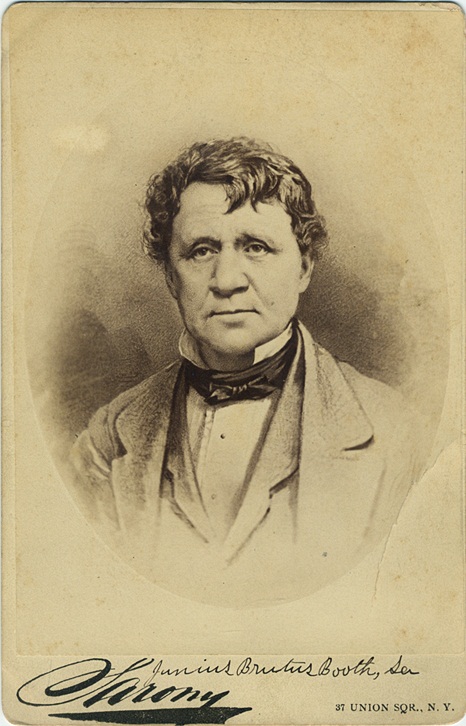
Junius Brutus Booth, Sr.

Junius Brutus Booth, Sr.

Ugolino is believed to be the only play that Junius Brutus Booth, arguably the best tragedian of his generation, ever wrote. What’s more, I have yet to find any source saying that Junius performed in or even had a chance to see his own work on stage. When Wallack put it on as a benefit in Philadelphia in 1825, Junius was performing in Baltimore. When Junius’ friend J. R. Scott was reviving it in New York during September of 1834, Junius was himself busy performing elsewhere. If Junius had the chance to attend one of the rare dramatizations of his work, it does not appear to be documented.

Despite the positive critiques of the play, I think it is safe to say that those reviewing Ugolino were more in awe of its creator than his product. In her book, My Thoughts Be Bloody, author Nora Titone describes Ugolino as a “blood bath”. Junius Brutus Booth’s biographer, Stephen Archer, stated that Ugolino, “was in the flamboyant tradition of the times,” but, “failed to win a lasting place on American stages.”

Despite its violence and bloodshed however, Junius Brutus Booth’s masterpiece still contains some touchingly poetic lines:

“Let us part,

Since part we must, like brothers and like friends,

Who bent on travel, thus dividing stray,

As Fortune or as Fancy leads the way,

Far off, yet not forgotten, though apart,

Dwelling together in each other’s heart.”

Though time robs us of experiencing Junius Brutus Booth’s true theatrical gifts first hand, these few lines are a fitting self-epitaph to his effect on theatre history.

References:
Junius Brutus Booth: Theatrical Prometheus by Stephen Archer (1992)
My Thoughts Be Bloody by Nora Titone (2010)
A Record of the Boston Stage by William W. Clapp, Jr. (1853)
Genealogybank.com
Categories: Uncategorized | Tags: | 5 Comments

Petersen House Damages

Aftermath Petersen House

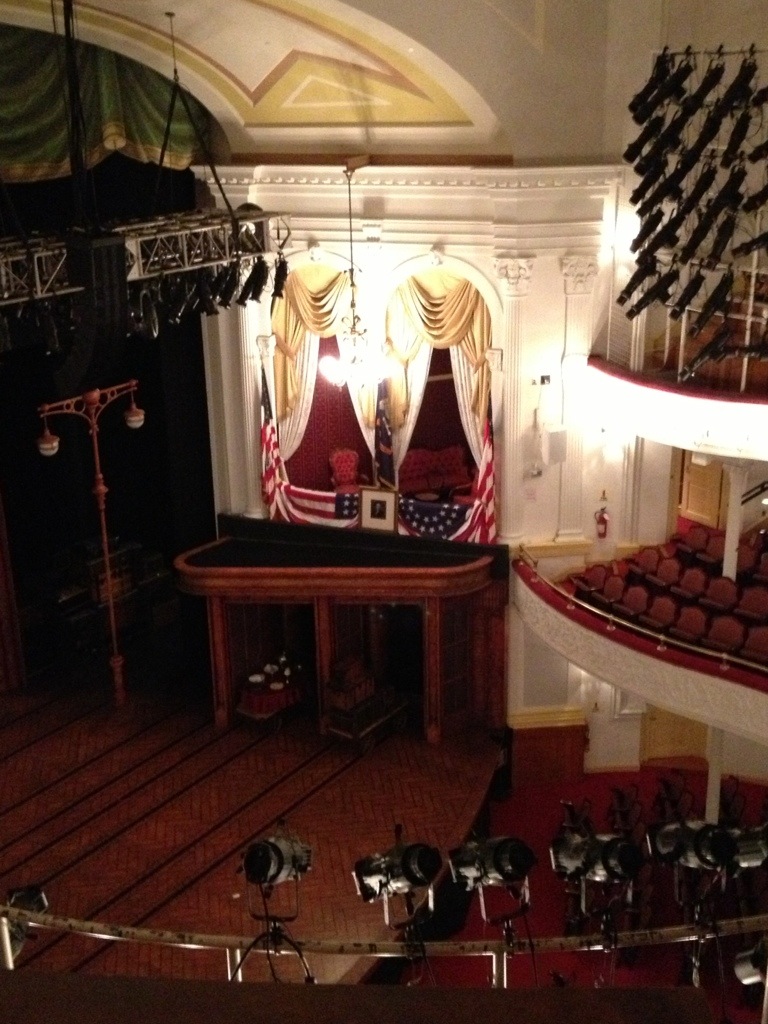
There are several blood relics associated with Abraham Lincoln’s assassination: swatches of Laura Keene’s bloodied dress, playbills and misc papers dipped in Lincoln’s blood as he was carried from Ford’s, and the remnants of the physicians’ cuffs and clothing at Lincoln’s death-bed.  The most intact blood relics, however, come from the Petersen House itself.  From pillows, to sheets, to towels, the Petersens sacrificed a great deal of their household furnishings for the dying President.  In the aftermath, they experienced more loss as relic hunters seized upon their boarding house.  As William Clark, the man who was renting the room in which Lincoln died but was absent the nightof the 14th, wrote to his sister on April 19, 1865:
“Everybody has a great desire to obtain some momento from my room so that whoever comes in has to be closely watched for fear they will steal something.”

The number of items we have today regarding Lincoln’s last moments demonstrates that there was considerable loss on the part of the Petersens. After a few months had passed for national grieving, the Petersens appealed to the government:
Petersen's claim Pacific Commerical Advertiser 9-16-1865
Adjusted for inflation, $550 in 1865 is equal to about $8,000 today. Michael Kauffman, author of American Brutus, states in his book that he could find no record that the Petersens were ever awarded compensation for their claim.   Part of me feels sorry that the Petersens gave so much for the dying President and got nothing in return, while the other part of me feels that the eternal preservation of their former home and name as a part of a national park may be compensation enough.

References:
American Brutus by Michael Kauffman
Pacific Commerical Advertiser 9-16-1865

Categories: Uncategorized | Tags: , | 10 Comments

Blog at WordPress.com.