Uncategorized

The Seward Site: Then and Now

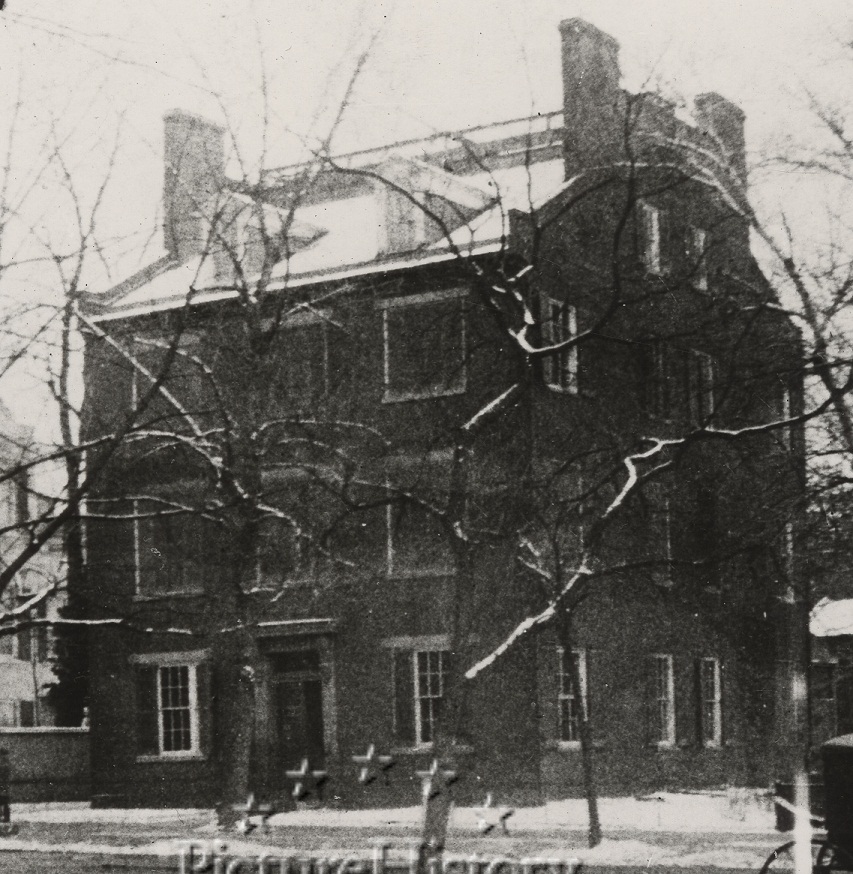
When Booth was committing his deed at Ford’s Theatre on 10th Street, Lewis Powell was simultaneously entering a residence in Lafayette Square with malevolent intent.  His mark was Secretary of State William H. Seward, an integral member of Lincoln’s cabinet and political team.  Powell’s house-wide knife attack would wound five but none fatally.

The house the Secretary of State occupied was a stone’s throw from the White House.  Commissioned by Commodore John Rodgers, the building would serve as the home of many important politicians like James Blaine, James Paulding, Roger Taney, and William Worth Belknap.  When the White House was being renovated in 1845, President Polk used the house for his temporary residence.

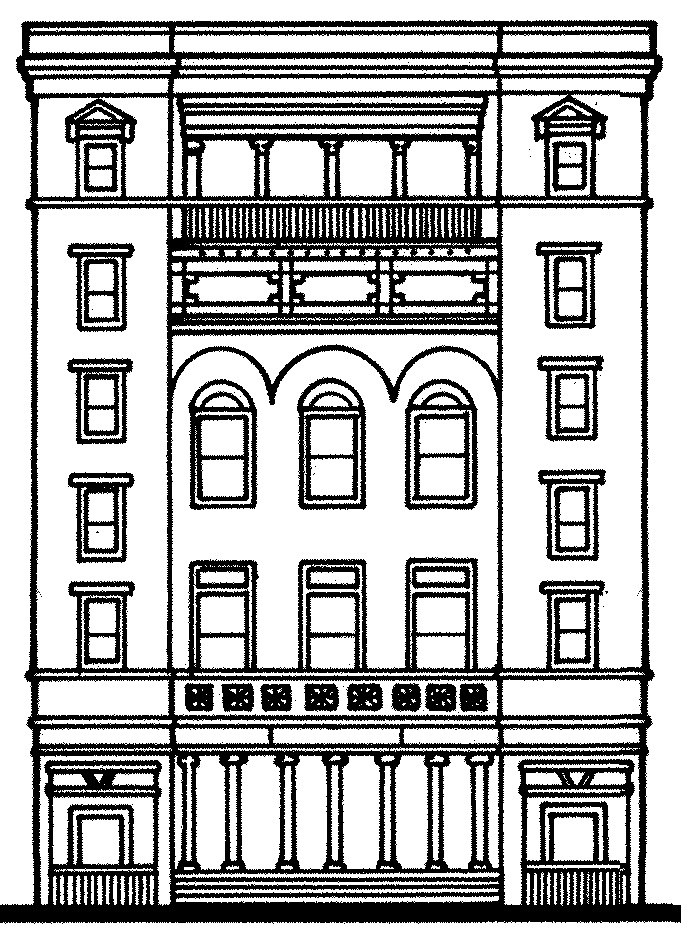
In 1894, the Rodgers House was sadly demolished.  The Lafayette Square Opera House was built on the house’s site.

In 1906, the theater was bought by new owners and became The Belasco Theater.  The theater saw the likes of Al Jolson and Will Rodgers perform within its walls.  As times changed, the Belasco converted into a movie theater, but its career as such was short lived.  In 1940, the federal government bought the Belasco and nearby buildings.  The inside of the theater was remodeled and used as office and storage space, not unlike Ford’s Theatre had been.  During WWII, the building was reopened as a social club for Armed Forces members called The Stage Door Canteen.  Aside from a temporary revival as a military club during the Korean War, the building was used as offices for the USO.

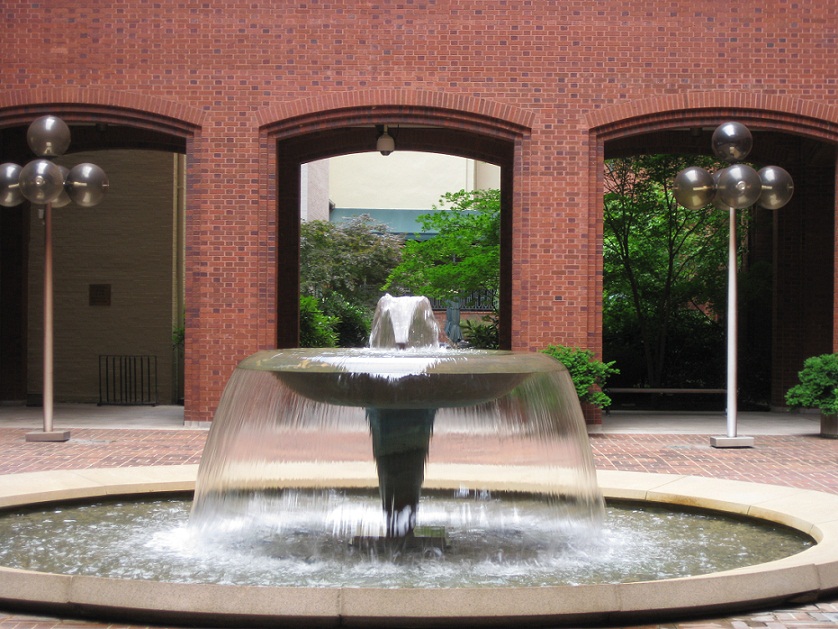
Finally, in the 1964, the end came for the old Belasco building.  The old theater was razed in order to create the Federal Court of Claims building.  The Court of Claims still resides on the property.

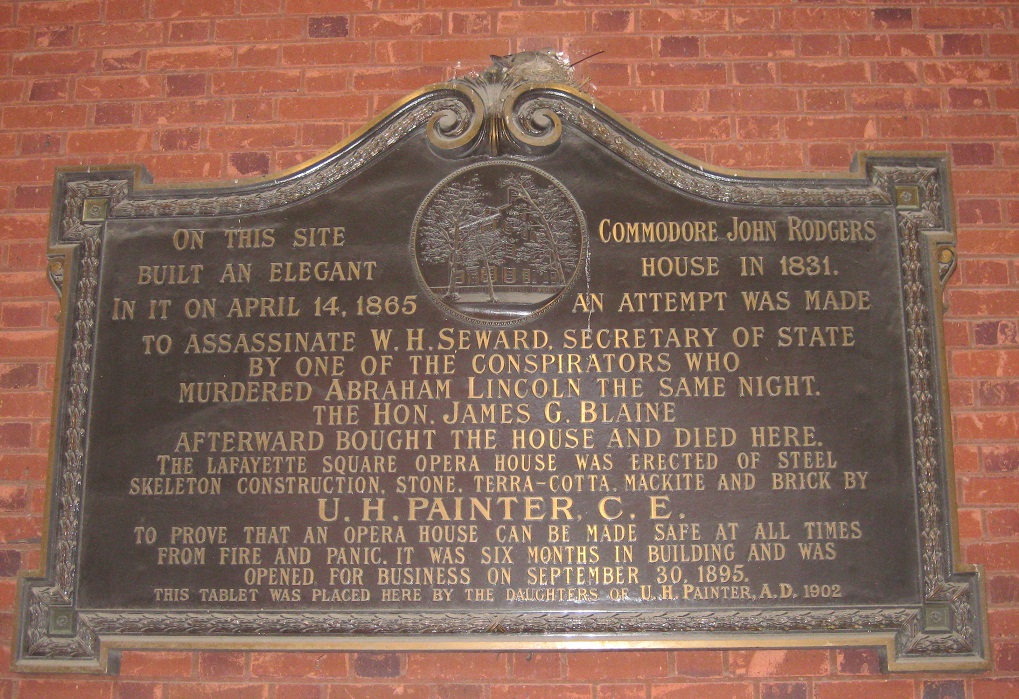
While the house that was a silent witness to the assault of Secretary of State Seward is long gone from Lafayette Park, the history of the site is not forgotten.  While slightly hidden within the courtyard of the Federal Court of Claims building, there is a plaque to remember not only Lewis Powell’s presence on the site, but the other individuals and businesses that were once the President’s neighbors.

References:
Library of Congress

Categories: Uncategorized | Tags: , | 12 Comments

Viewing Junius’ Body

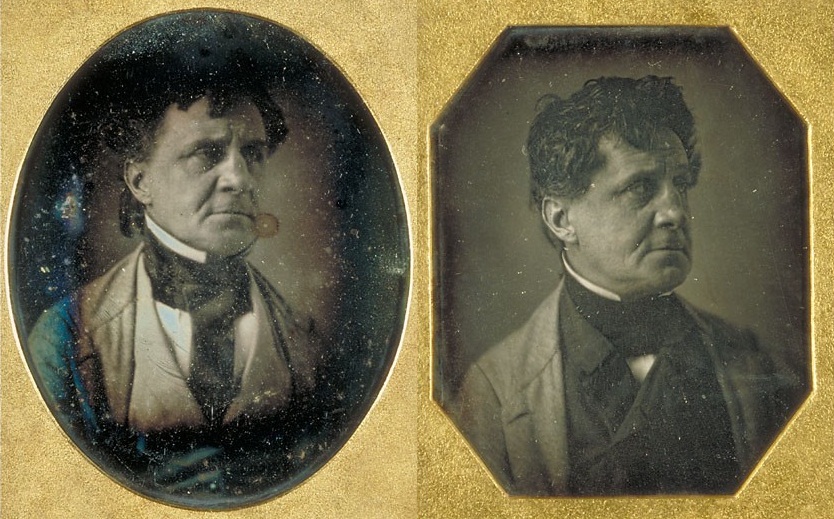
Two images of Junius Brutus Booth from the Harvard Theatre Collection

“On reaching Cincinnati, the masons had the body embalmed in a metallic coffin and deposited in the Baptist vault. My mother was telegraphed for and arrived in Cincinnati expecting to find my father very ill, — the second dispatch, announcing his decease not reaching Baltimore until her departure from that city. She returned home as soon as possible, bringing the body with her for interment. For three days the house where the body lay was thronged with people of every class. The walls of the parlors were draped with white, covering pictures and mirrors, and all ornaments removed excepting a marble figure of Shakespeare, which was placed near the coffin, and seemed gazing down at the form beneath. The face, under the glass plate, was very calm and beautiful, and the brown hair more thickly strewn with white than when we saw it last; the gray eyes were partly visible between the half-shut lids; and the lips, retaining their life-like color, were smilingly closed. Such a placidity and repose pervaded the whole countenance that we felt how easy the transition must have been from suffering life to this calm sleep. How often we had found him at rest with just this look upon his face, and had stepped softly not to disturb him! Now its perfect naturalness occasioned doubt in many minds, and physicians were sent for to satisfy us whether this w as really death or a trance. The hope was futile and vain, but while it animated the hearts that suffered, it had become as powerful as life.”

-Asia Booth Clarke on her father’s death in Booth Memorials:Passages, incidents, and anecdotes in the life of Junius Brutus Booth

Categories: Uncategorized | Tags: | 3 Comments

Variations on Booth’s Photos

In 1979, Richard and Kellie Gutman published their compendium of known Booth photographs. John Wilkes Booth Himself contains over 40 images of the assassin. Since the book’s publication, several other images of Booth have been discovered, demonstrating the idea that treasures are still out there waiting to be found.

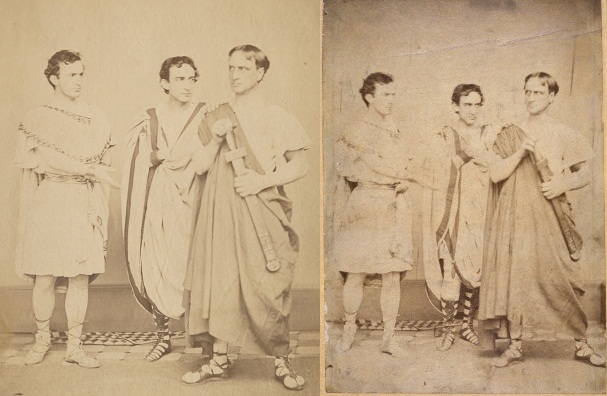
Due to space constraints, the Gutmans were not able to include all the variations that exist for their numbered photographs of John Wilkes Booth. The following are two such examples of the minor variations that exist in even the well-known photos of Booth. See if you can spot the differences:

This first image was probably taken with a multi-lens or stereograph camera. The stereograph image would be used to create a 3-D image when developed as a stereoview card and viewed with a stereoscope. The second image of the Booth brothers preparing for their Shakespeare statue benefit, is a different, but similar, pose from the original.

John Wilkes Booth loved having his picture taken and by taking notice of the specific details in his pictures we can learn more about his self image and vanity.

References:
John Wilkes Booth Himself by Richard and Kellie Gutman

Categories: Uncategorized | Tags: , | 17 Comments

Photo: Holding Booth’s Gun Part 2

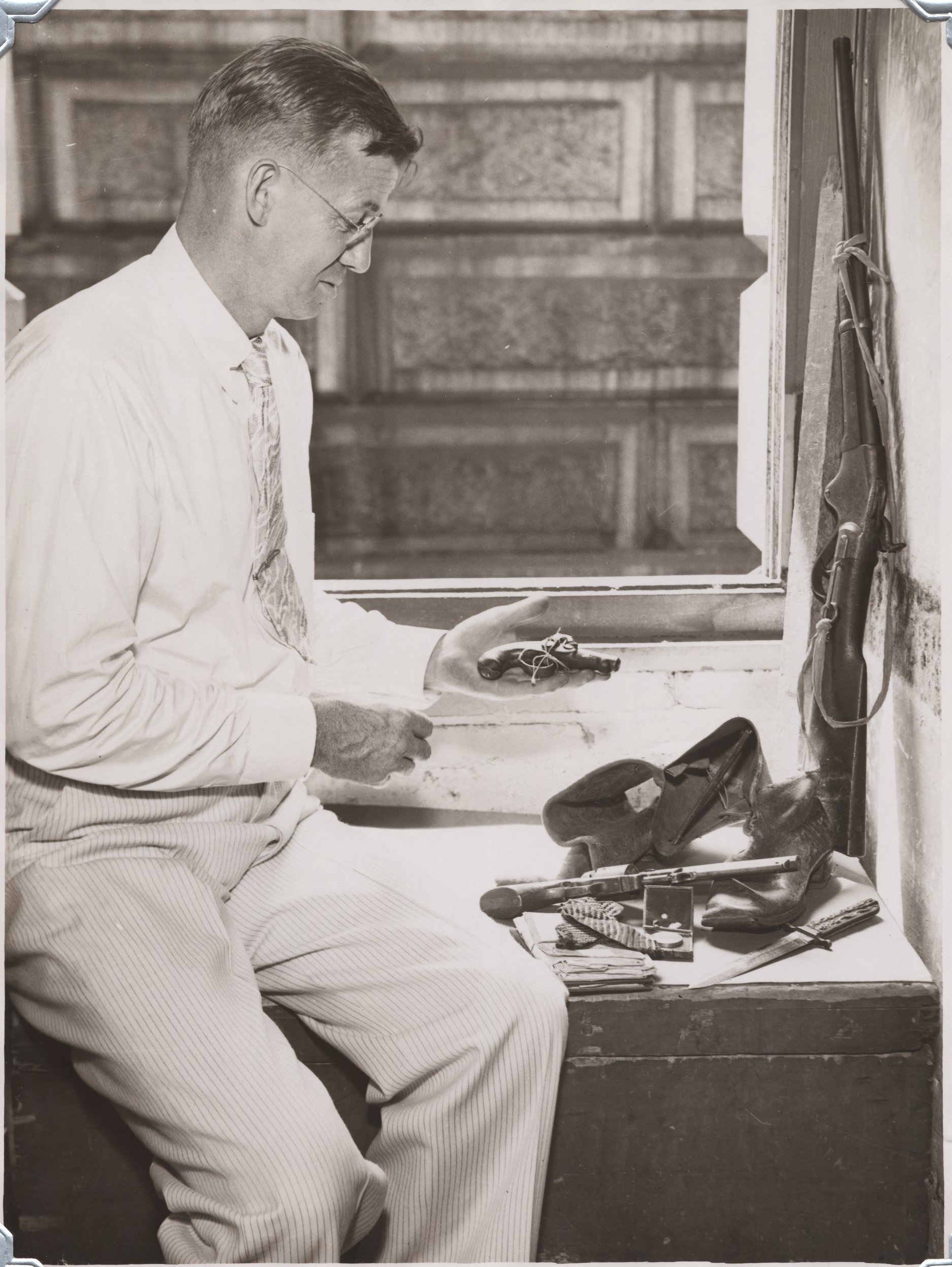
A couple of weeks ago, I posted this 1937  photograph of Edwin B. Pitts, Chief Clerk of the Judge Advocate General’s Office, posing with John Wilkes Booth’s gun:

Today, I stumbled upon another image of Edwin Pitts with Booth’s derringer:

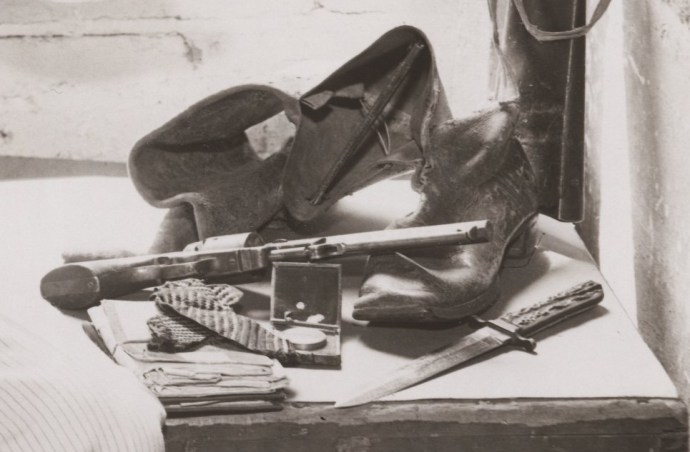
This image of Edwin Pitts also provides a nice look at some of the other assassination related artifacts.

The above portion of the image shows the Spencer carbine retrieved by Booth and Herold at the Surratt Tavern and the wooden bar used to block the door into the box at Ford’s Theatre.

Among the items shown above are Booth’s boot and compass. There is also the tie attributed to George Atzerodt and a pack of papers that looks like it could be Booth’s diary.  I’m not sure which pistol that is, but it could be one of Booth’s.  The knife shown is the etched “Liberty” knife that, while currently on display at Ford’s Theatre as Booth’s knife, was not recovered from his body at Garrett’s farm.

After finding two different images of Edwin Pitts holding Booth’s gun, I’m wondering how often Mr. Pitts took the relic out of storage to pose with it for curious photographers.

Categories: Uncategorized | Tags: , | 18 Comments

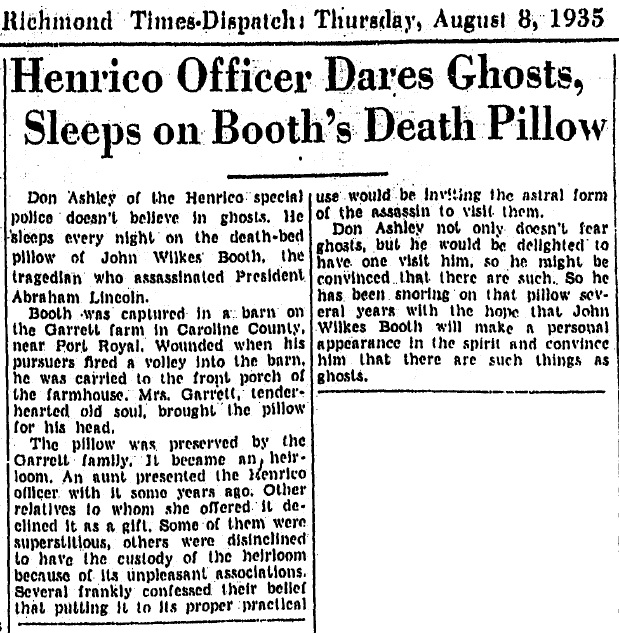
Booth’s Pillow

This is one of those relics that I would love to get my hands on today:

In case you were wondering, the chain of custody on this relic is good. Don Ashley was married to Louise “Ruddy” Garrett. Ruddy was the daughter of Robert Clarence Garrett, who was seven years old when Booth died on his father’s farm. Don and Ruddy never had children so what happened to the pillow after their deaths remains a mystery.

Categories: Uncategorized | Tags: , , | 10 Comments

Sic Semper Muppets!

John Wilkes Booth hadn’t planned on killing Abraham Lincoln at all. When he entered the balcony box at Ford’s, he was really hoping to put an end to two of the worst hecklers in the business:

Happy Friday!

Categories: Uncategorized | Tags: | 6 Comments

The End of Edwin

After a long career on the American stage, Edwin Thomas Booth retired from the acting in 1888. He spent his declining years in his private room above The Players club that he founded. By 1893, his health had worsened considerably. The events of his life had aged him far beyond his 59 years, with insomnia and lifelong tobacco use taking their toll as well.

A photo of Edwin Booth taken in 1892. This is probably one of the last ever taken of him.

In the days prior to his death, Edwin was visited by many of his acting contemporaries. One such visitor was the comedian Joseph Jefferson who found early fame by debuting as Asa Trenchard in the play “Our American Cousin” in 1858. The actor (who was actually 3 years older than Edwin) visited Booth two days before his death:

On June 7th, 1893, Edwin fulfilled his New Year’s Eve prediction that, “You drink tonight to my health. A year from tonight you will drink to my memory.” He passed away at around 1:00 o’clock in the morning – a time he had witnessed often in his solitude. Edwin Booth died during his own “vulture hours” and the world lost the greatest actor of the day. Joseph Jefferson was elected president of The Players following Booth’s death and would serve until his own demise.

References:
My Thoughts Be Bloody by Nora Titone
The article was found through Genealogybank.com
The image of Booth in 1892 comes from the Harvard Theatre Collection

Categories: Uncategorized | Tags: | 17 Comments

Photographing the Conspirators

Reader littlecoco7 posed the following question under the Quesenberry post:

“This has nothing to do with this topic, but I would like to know out of all the conspirators who had their picture taken from Alexander Gardner, how come there was no photo of Mary Surratt taken?”

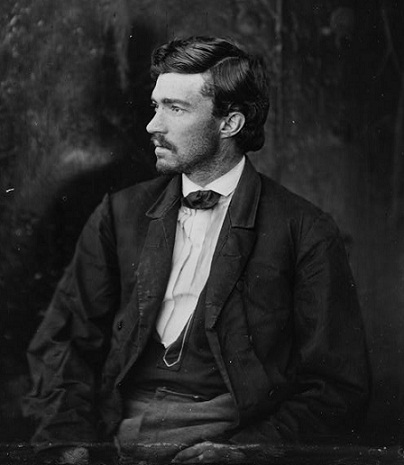
Thanks so much for the question littlecoco7.  The mug shots of the conspirators are very valuable resources to us now.  For George Atzerodt, Michael O’Laughlen, and Edman Spangler, these few shots consist of our entire photographic record of their lives.  While engravings and drawings were made of them during their time in the court room, we have yet to find other photographs of these individuals.  Even those who we do have additional images of, the mug shots are unique in showing them as they were almost immediately after the crime was committed.  Before delving into your question as to why Mary Surratt (and Dr. Mudd for that matter) were not photographed with the rest, let’s look into how and when the conspirators were photographed.

The best resource for information about the images of the conspirators is the team of Barry Cauchon and John Elliott.  These talented gentlemen are in the process of writing a highly anticipated book regarding the incarceration of the Lincoln conspirators.  One of my links on the side of this blog is to Barry Cauchon’s blog, “A Little Touch of History” while the pairs’ Facebook page about their book, “Inside the Walls” is here.  Barry and John presented some of their findings at the 2011 and 2012 Surratt Society Lincoln Assassination Conferences.  Their research was remarkable to say the least.  To keep their excited fan base content while waiting for the final publication of their book, they produced two supplementary booklets about their talking points.  The most recent one that they sold at the 2012 conference was entitled, “13 Days Aboard the Monitors” and delved into the mug shot photo sessions and the hoods worn by the conspirators.   All the information in this post can be found in this terrific booklet and is currently available for purchase through Barry and John and the Surratt House Bookstore.

Through the research of Barry Cauchon and John Elliott we believe that three photograph sessions occurred while the conspirators were imprisoned aboard the monitors Saugus and Montauk.  The first set of images were all taken of a standing Lewis Powell wearing the clothes he was found in and the clothes he was wearing when he attack Secretary Seward.  There were a total of six pictures taken on this day, April 18th.
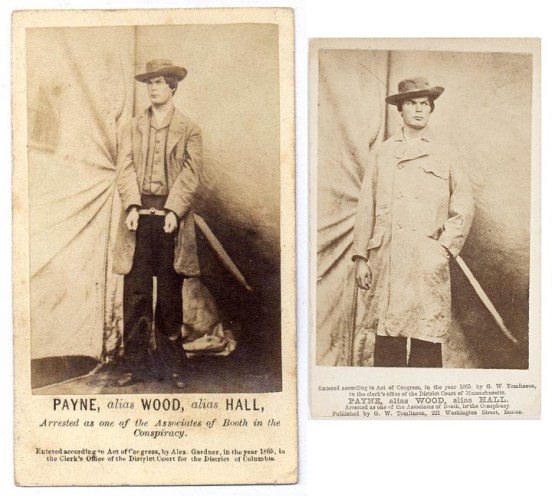
Carte-de-visites of two of the six photographs taken of Powell on April 18th.

At this point in time, only two of the conspirators were being housed on the monitors; Michael O’Laughlen and Lewis Powell.

Gardner came back to photograph the conspirators on April 25th.  By this point all of the main conspirators except for Booth and Herold had been arrested.  Gardner photographed Powell again, along with Michael O’Laughlen, George Atzerodt, Edman Spangler, Sam Arnold and Hartman Richter.  Richter was a cousin of George Atzerodt’s and was hiding George in his house when the authorities caught up with him.  While Richter would be cleared of any involvement in the conspiracy to kill Lincoln, in these early days of the investigation he was locked up and photographed with the main gang.

One of two O’Laughlen photographs from April 25th

One of two Spangler photographs from April 25th

One of four Powell photographs from April 25th

One of two Arnold photographs from April 25th
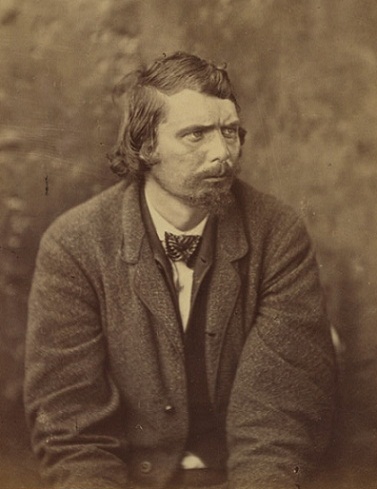
One of two Atzerodt photographs from April 25th

One of two Richter photographs from April 25th

Finally, on April 27th, Gardner returned for his last photograph session.  Here he took pictures of the recently captured Davy Herold and another conspirator Joao Celestino.  Celestino was a Portuguese ship captain with an intense hatred for William Seward.  It was thought he was involved with the attempt on the Secretary’s life but was later released as no evidence existed to connect him to Booth’s plan.

One of three Herold photographs from April 27th

One of three Celestino photographs from April 27th

It has also been written that Gardner and his assistant took one photograph of the autopsy of John Wilkes Booth.  The single print of the event was apparently turned over the War Department but has never been found.  If it was taken, it was either destroyed shortly thereafter, or still remains undiscovered somewhere today.

In the wee hours of April 29th, the conspirators on were transferred off of the monitors and into the Old Arsenal Penitentiary.

So, why didn’t Mary Surratt and Dr. Mudd get their pictures taken?  In short, they were not photographed because they weren’t there and their complicity in the affair had yet to be determined.  Though Mary Surratt had been arrested when Powell showed up at her boardinghouse at the most inopportune time, she was not imprisoned on the iron clads.  Instead, she and her household were sent to the Old Capitol Prison merely as questionable suspects.  The same held true for Dr. Mudd who joined others involved in Booth’s escape like Colonel Samuel Cox, Thomas Jones, and Thomas Harbin, at the Old Capitol Prison.  In the initial stages of the investigation, Mary Surratt and Dr. Mudd were not seen as conspirators.  It was not until more and more evidence arose pointing towards their foreknowledge and association with the assassin that they were treated less like witnesses and more like accomplices.

References:
A Peek Inside the Walls – “13 Days Aboard the Monitors” by Barry Cauchon and John Elliott

Categories: Uncategorized | Tags: , , , , , , , , | 10 Comments

Blog at WordPress.com.