
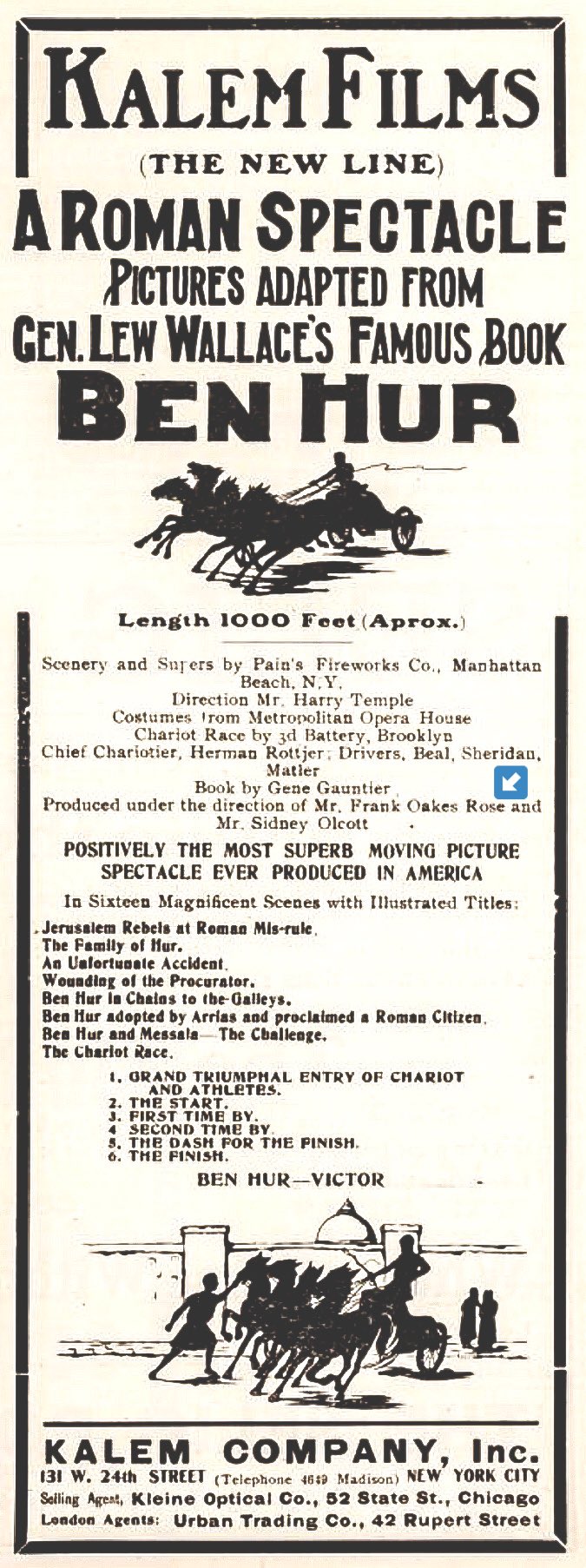
In 1907, the first film adaptation of Ben-Hur was produced. Author Lew Wallace had written the highly successful book 15 years after he had served on the commission that tried & convicted the Lincoln assassination conspirators. Wallace had died in 1905 & early filmmakers usually ignored copyright laws anyway, so Kalem Company made their silent film without any approval or permission. While less than 15 minutes long, the film was a big success, largely due to the book’s ongoing popularity. You can watch it here:
The Wallace estate and the book’s publishers sued Kalem for copyright infringement. Surprisingly, the estate won their suit. This set the precedent still in place today that producers must acquire the film rights to copyrighted material before producing a movie.
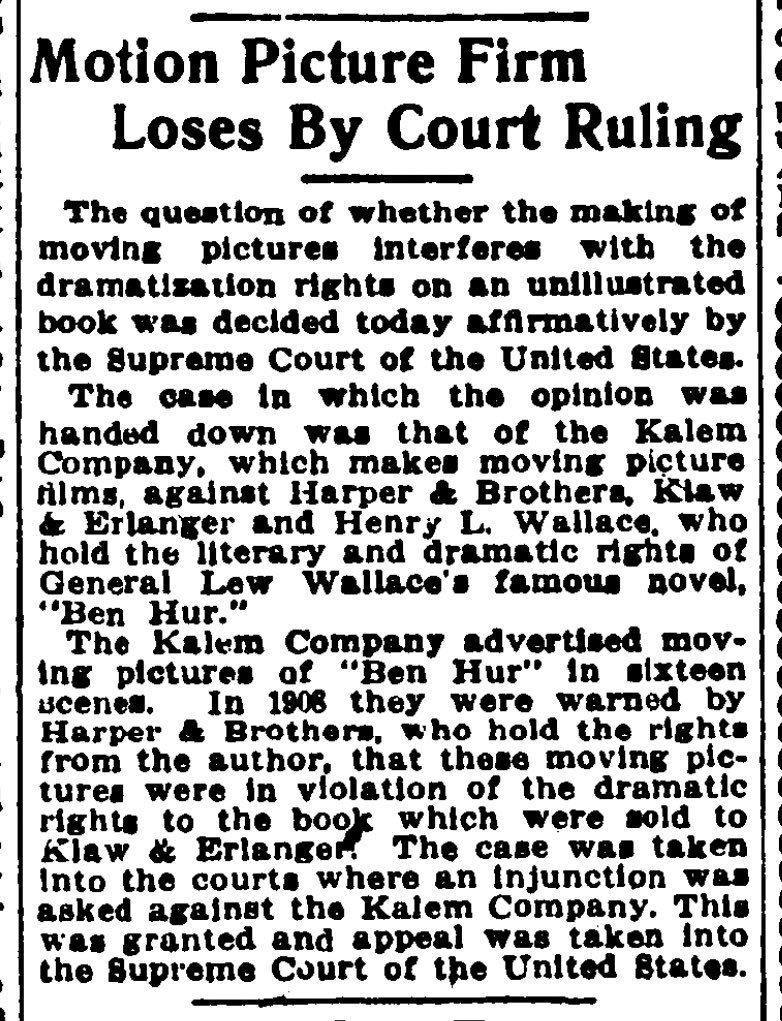
But commissioner Lew Wallace as the source material is not the only connection the 1907 Ben-Hur film has to the Lincoln assassination. One of the co-directors of the film was a man named Frank Oakes Rose.
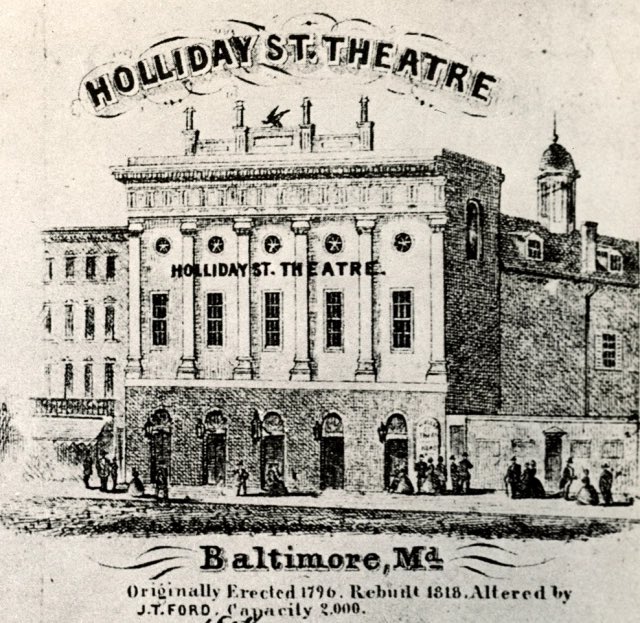
In 1869, a young Rose was a stock actor for John T. Ford in Baltimore. On Feb. 17, 1869, John T. Ford closed rehearsal early, beckoning a select few to follow him to an establishment behind the Holliday St. Theatre. While not invited, Frank Oakes Rose, along with fellow actor William Burton, scaled a fence and followed Ford & the others.
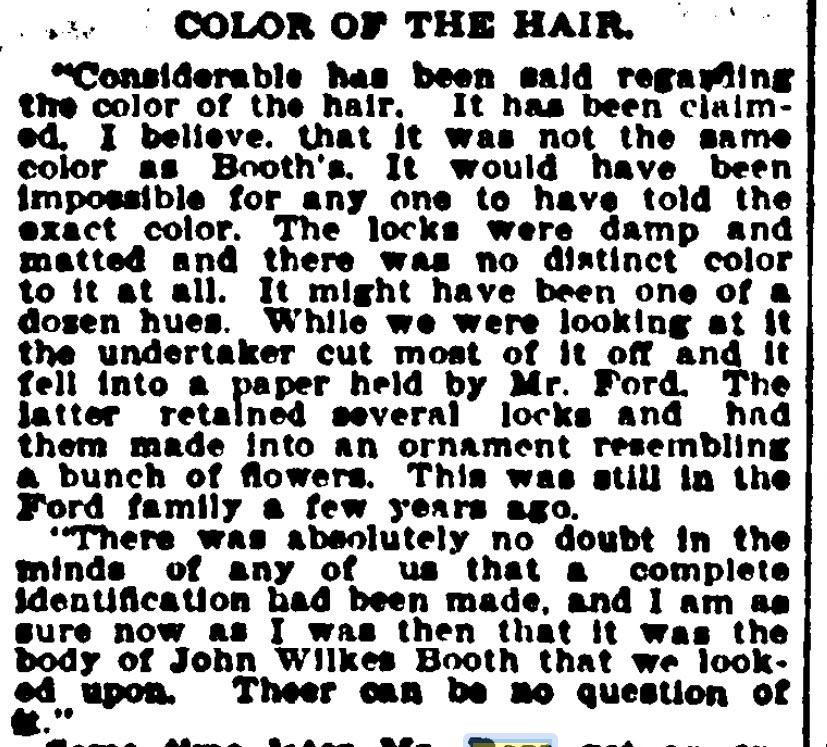
Rose & Burton found themselves among a group of about 25. They were all standing in Weaver’s undertaker shop, which was located behind the theater. There, the actors witnessed the final identification of John Wilkes Booth’s body which had just been shipped to Baltimore from D.C.

Rose observed as Joseph Booth helped to identify his brother using a gold plugged tooth in the skull of the remains. William Burton also volunteered that he had gone ice skating once with JWB. An investigation of the boot on the corpse’s foot had the same screw holes from the ice skate’s mounting. The same holes have been noted on the bottom of the boot on display at Ford’s Theatre.
Frank Oakes Rose never forgot the experience. Years later, when charlatans like Finis Bates tried to pass off an itinerate painter named David E. George as John Wilkes Booth, Rose told his story and his certainty the body he saw in 1869 was JWB.
Most of the Booth family found claims that JWB escaped his death at the Garrett farm to be ridiculous. Sydney Barton Booth, the son of Junius Brutus Booth, Jr. and Wilkes’ nephew, heard about Rose. In 1905, Sydney wrote to Rose, asking for his help in countering Bates & his lies.
I think it’s interesting that the movie that established the precedent for film rights was produced with stolen material from one the judges of the Lincoln conspirators and co-directed by a man who hopped a fence & stole a glance at the final identification of John Wilkes Booth.





 LincolnConspirators.com
Recent Comments