Posts Tagged With: Booth Family

OTD: Edwin Booth Gets Shot At

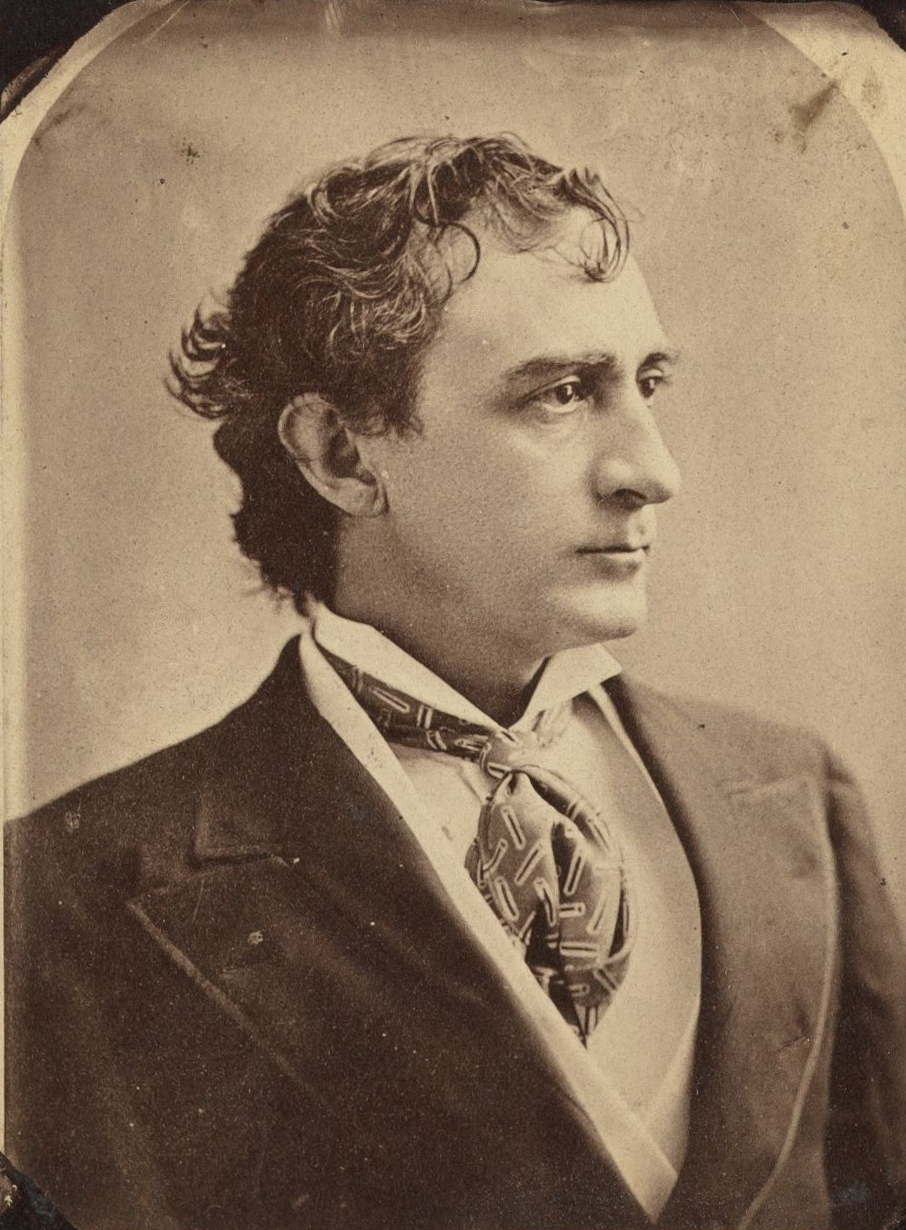
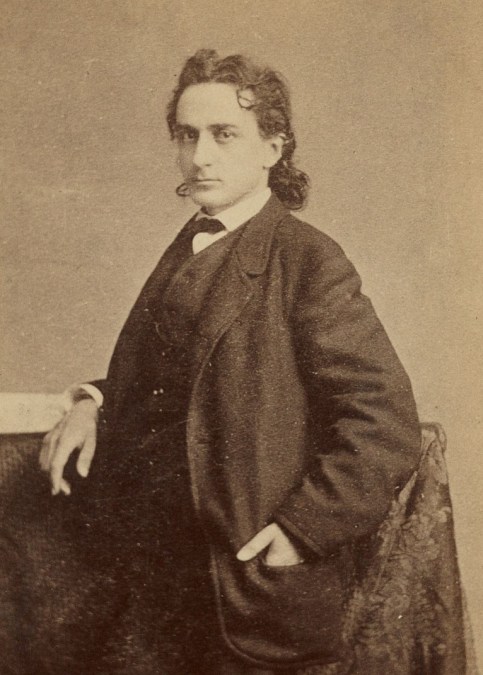
On this date, April 23rd, in 1879, Edwin Booth performed Richard II at McVicker’s Theatre in Chicago.

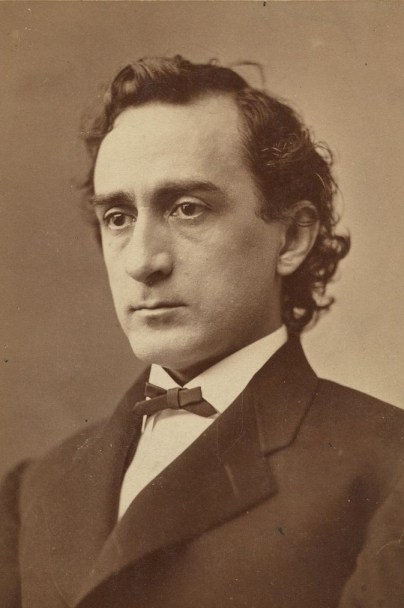
Edwin Booth in 1879

Edwin Booth in 1879

While performing the final solioquy of Richard II on Shakespeare’s birthday, Edwin altered his normal practice of sitting throughout the speech and for no clear reason felt compelled to stand.

“He leaned himself over to steady himself as he got up.  As he did so, a bullet whizzed over his head.  Another shot was fired, and looking up, he saw a man standing in the gallery, pistol in hand, ready to pull the trigger once more, had he not been prevented by several persons from behind who seized his arms.  Edwin walked calmly to the front of the stage, pointed him out, and cried, ‘Arrest that man!’  For a few moments, the audience was panic-striken, but was quieted after the would-be-murderer had been taken from the house.  Edwin addressed them, saying he wished to speak with his wife who was backstage and would then finish the performance.”

The Booth family was shaken by the events at McVicker’s and may have believed the attempt on Edwin’s life was a latent revenge act for Wilkes’ assassination of Lincoln.

Stay tuned for more to come about the culprit behind this attempt on Edwin Booth’s life…

References:
 The Mad Booths of Maryland by Stanley Kimmel

Categories: Uncategorized | Tags: | 8 Comments

Ugolino

Yesterday, April 20, marked the 188th anniversary of the debut of a new play on the American stage. Though practically forgotten today, the tragedy Ugolino debuted yesterday in 1825. The story is a dark one. The main character, Ugolino, is a passionate man who has lost all sense of reason due to his love for Angelica. When he finds that Angelica’s heart is desired by another man, the Marquis di Serassi, he kills this rival beau in a jealous rage. Overcome with madness, he slays his own beloved Angelica before regaining his senses. Ugolino, while clutching Angelica’s bleeding corpse to his chest, demands of the audience:

“Was it not well done? Look here! She loved me… and I killed her!”

While overwrought with his own grief and guilt, Ugolino is questioned by angry Venetians. “Accursed wretch,” they cry, “What moved thee to act?” Ugolino answers with:

“What mov’d me to it? To murder him who sacrificed my peace?

This was the crowning crime! This was Hell’s greatest triumph

…Dost thou not know me? Tis Despair

From the abyss of ever-burning Hell,

Where on the footstool of the great fiend’s throne,

I sit and form dark snares for wavering souls!”

Ugolino, in his final scene of this bloody drama, steps forward, his sword upraised, ready to plunge the blade into his chest, and shrieks, “Come my bride…to Hell’s center! In my heart I plunge this reeking sword!” The play ends with Ugolino’s suicide.

The original debut on April 20, 1825 was at Philadelphia’s Arch Street Theatre and was a benefit for Mr. Henry Wallack, with him and his wife playing Ugolino and Angelica.

Henry Wallack

Henry Wallack

Of the play, one critic wrote:

Ugolino,” [is] one of the best productions of the modern stage, a work possessing great poetry of diction and nervousness of style… This play is published, easily accessible, and worthy a place in every library.”

Though celebrated by some, Ugolino did not become a house hold name. From its initial April 20, 1825 debut onward, it was produced quite sparingly. In the years that followed, the actor John Randolph Scott seemed to be the only one who made it part of his repertoire.

John Randolph Scott

John Randolph Scott

Ugolino October 19th 1839 New York Evening Post

It was performed by Scott at the Bowery Theatre and Chatham Theatre in New York City. When J. R. Scott died in 1856, the play saw even less exposure.

Therefore when the young tragedian John Wilkes Booth decided to use Ugolino as his benefit piece for the end of his Boston Museum run in March of 1864, you can understand why this Boston Daily Evening reporter had never heard of it:

Wilkes in Ugolino March 27 1864 Boston Daily Evening

John Wilkes was not the first Booth to perform in Ugolino. In December of 1849, Clementine DeBar Booth, the first wife of Junius Brutus Booth, Jr., performed the play alongside J. R. Scott at Howard’s Athenaeum in Boston.

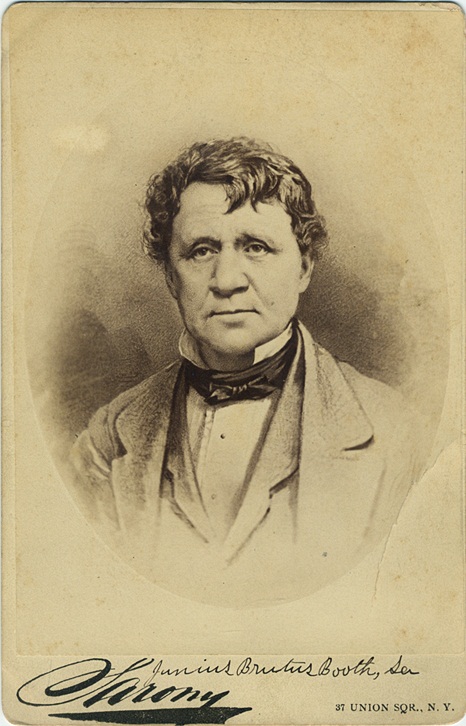
While John Wilkes did choose to perform Ugolino as a benefit due to a family connection, it was not this coincidental connection to his former sister-in-law. Rather, John Wilkes Booth decided to perform the little known play Ugolino because of his connection to the playwright. Ugolino was written by his father, Junius Brutus Booth, Sr.

Wilkes in  Ugolino Ad 1

Junius Brutus Booth, Sr.

Junius Brutus Booth, Sr.

Ugolino is believed to be the only play that Junius Brutus Booth, arguably the best tragedian of his generation, ever wrote. What’s more, I have yet to find any source saying that Junius performed in or even had a chance to see his own work on stage. When Wallack put it on as a benefit in Philadelphia in 1825, Junius was performing in Baltimore. When Junius’ friend J. R. Scott was reviving it in New York during September of 1834, Junius was himself busy performing elsewhere. If Junius had the chance to attend one of the rare dramatizations of his work, it does not appear to be documented.

Despite the positive critiques of the play, I think it is safe to say that those reviewing Ugolino were more in awe of its creator than his product. In her book, My Thoughts Be Bloody, author Nora Titone describes Ugolino as a “blood bath”. Junius Brutus Booth’s biographer, Stephen Archer, stated that Ugolino, “was in the flamboyant tradition of the times,” but, “failed to win a lasting place on American stages.”

Despite its violence and bloodshed however, Junius Brutus Booth’s masterpiece still contains some touchingly poetic lines:

“Let us part,

Since part we must, like brothers and like friends,

Who bent on travel, thus dividing stray,

As Fortune or as Fancy leads the way,

Far off, yet not forgotten, though apart,

Dwelling together in each other’s heart.”

Though time robs us of experiencing Junius Brutus Booth’s true theatrical gifts first hand, these few lines are a fitting self-epitaph to his effect on theatre history.

References:
Junius Brutus Booth: Theatrical Prometheus by Stephen Archer (1992)
My Thoughts Be Bloody by Nora Titone (2010)
A Record of the Boston Stage by William W. Clapp, Jr. (1853)
Genealogybank.com

Categories: Uncategorized | Tags: | 5 Comments

A Brother’s Sorrow

Parker House, Boston, 7 o’clock, a.m.
Saturday, April 15, 1865.

Edwin Booth, Esq.
My Dear Sir: A fearful calamity is upon us. The President of the United States has fallen by the hand of an assassin, and I am shocked to say suspicion points to one nearly related to you as the perpetrator of this horrid deed. God grant it may not prove so! With this knowledge, and out of respect to the anguish which will fill the public mind as soon as the appalling fact shall be fully revealed, I have concluded to close the Boston theatre until further notice. Please signify to me your co-operation in this matter.

In great sorrow, and in haste,
I remain, yours very truly,
Henry C. Jarrett.

Edwin Booth

Franklin Square, Boston, April 15,1865.

Henry C. Jarrett, Esq.
My Dear Sir: With deepest sorrow and great agitation, I thank you for relieving me from my engagement with yourself and the public. The news of the morning has made me wretched indeed, not only because I have received the unhappy tidings of the suspicions of a brother’s crime, but because a good man, and a most justly honoured and patriotic ruler, has fallen, in an hour of national joy, by the hand of an assassin. The memory of the thousands who have fallen in the field, in our country’s defence, during this struggle, cannot be forgotten by me, even in this, the most distressing day of my life. And I most sincerely pray that the victories we have already won may stay the brand of war and the tide of loyal blood. While mourning, in common with all other loyal hearts, the death of the President, I am oppressed by a private woe not to be expressed in words. But whatever calamity may befall me and mine, my country, one and indivisible, has my warmest devotion.

Categories: Uncategorized | Tags: | 3 Comments

The Debate Over Gutman #1

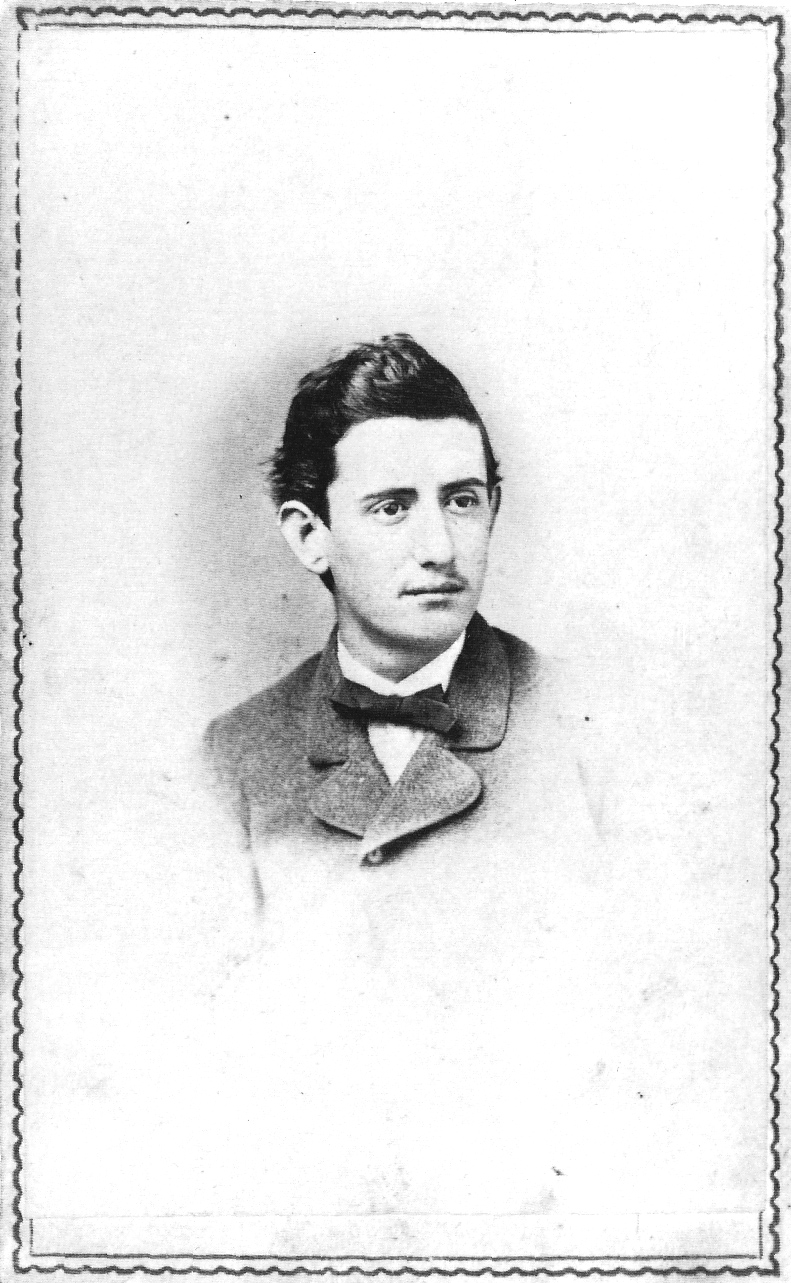
Yesterday morning, friend and frequent commenter on the site, Carolyn Mitchell, posted a new picture to the Spirits of Tudor Hall Facebook page. The image came from the book John Wilkes Booth Himself by Richard and Kellie Gutman. In this 1979 publication limited to just 1,000 books, the Gutmans compiled all the images of John Wilkes Booth that were known at the time. Their first one, labeled Gutman #1, is as follows:
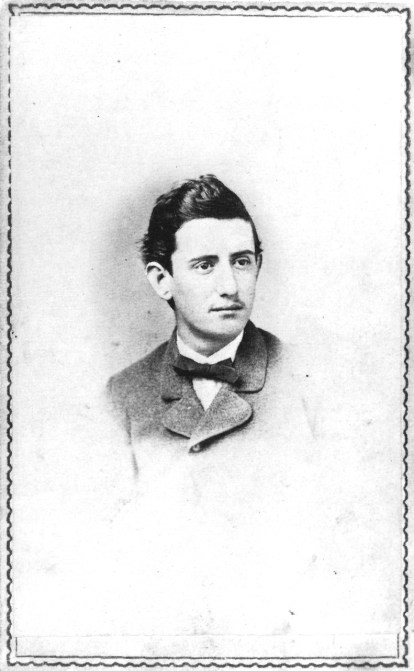
Gutman #1

Gutman #1

This image is captioned in John Wilkes Booth Himself with the following: “The earliest known photograph of John Wilkes Booth is a head and shoulders vignette, depicting him at age 18. One copy exists as a carte de visite done by Mansfield’s City Gallery, St. Louis, Missouri. In all likelihood, this is not the original photographer or photograph. John Wilkes Booth turned 18 on May 10, 1856-and that year is a bit early for a carte de visite in the United States. This may have been copied from another form of photograph (daguerreotype, ambrotype or tintype) or a larger paper print. In any event, copies of this picture are very rare. It has been published only one time, in Album of the Lincoln Murder (Harrisburg, PA.: Stackpole Books, 1965).”

Armed with this information, Carolyn posted the photograph like so many other rare and unique views of the Booth family she has come across.

Very quickly though, people started to express their doubts that this was a picture of Booth.  Some said it could be of one of the other Booth brothers like Edwin or Joseph.  I long ago questioned the identity of the young man in this particular photo, too. At the time of writing this, there were 15 responses to this photo on the Facebook page. After receiving an email from a colleague trying to remember a previous discussion regarding this photo, I decided to post here about it.

As far as I know, part of the description from the Gutmans is correct in that there is only one copy of this carte-de-visite known to exist. It is in the National Archives in their Lincoln Assassination Suspects file. Here is the microfilmed quality version of this CDV:
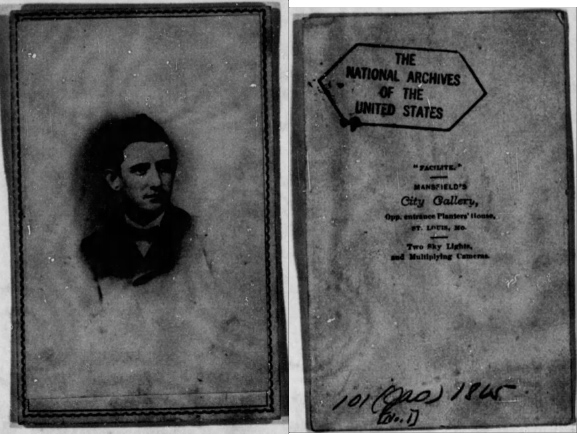
Gutman 1 NARA

The CDV itself was found among Booth’s papers and files in the National Hotel after the assassination. It was deemed not relevant to the investigation but still retained in the government’s files. This probably explains the Gutman’s desire to include this picture in their collection of Booth photos. It was found with his things, does not bear any writing precluding it from being Booth, and has some similarities to the young tragedian turned assassin. Stating it is of a young Booth makes it easier to ignore some of the discrepancies in appearance.

Not everyone, however took the identification by the Gutmans at face value on this one. In the book, The Lincoln Assassination: The Evidence by William Edwards and Edward Steers, Jr., and in Steers’ The Lincoln Assassination Encyclopedia, this photograph is identifed as being Benedict “Ben” DeBar. Ben Debar was a theatre owner and actor. Junius Brutus Booth, Jr., JWB’s brother, married Ben’s sister, Clementine DeBar and they had a daughter together Blanche. June abandoned Clementine and Blanche, running off to California with a prostitue named Harriet Mace. Ben filed for a divorce on behalf of his sister and adopted Blanche as his own. John Wilkes assumedly still cared for his niece, as in his papers at the National, there is a letter from Ben DeBar extolling young Blanche’s early success as an actress. Attaching newspaper clippings and a playbill bearing the name “Blanche DeBar”, Ben brags to JWB, “I have sent June a bill to prove to him I have no wish that the girl should have any other than my name.”

The reason Steers and Edwards claim that this image, Gutman #1, is of Ben DeBar is because this image is microfilmed right alongside of the materials from Ben DeBar. Sandwiched right next to a newspaper clipping of Blanche’s success and a playbill announcing her performance in the comedy “Love Chase”, is this image. While the letter from Ben does not mention a photograph, its placement with the other materials seems to point that is from him.

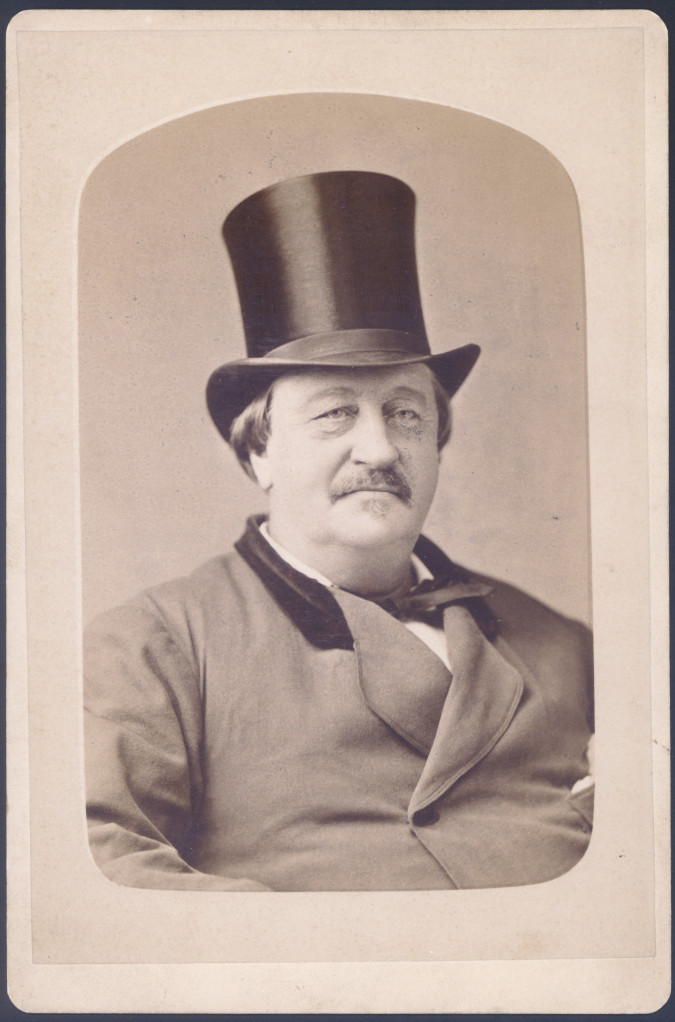
The problem is, however, that Ben DeBar was quite a bit older than the young lad in the picture. DeBar was born in 1821 and at the time of his writing in March of 1865 would have made him about 44 years old. Here’s a picture of Ben Debar taken around 1870 for comparison:

Ben DeBar

Ben DeBar

So while Steers and Edwards’ theory that Gutman #1 is Ben DeBar makes sense in the context of the image’s placement in the microfilmed files, the difference in ages and appearances makes it as unlikely as the photograph being of Booth.

Thus far, the most logical and probable explanation of who this individual is comes from the authors John Rhodehamel and Louise Taper who edited the book, “Right or Wrong, God Judge Me”: The Writing of John Wilkes Booth. They put forward that the man on this CDV was a young clerk working for General Grant’s office named Richard Marshall Johnson.

From Booth’s papers at the National we find that he did have a letter from Richard M. Johnson. Dated February 18th, 1865, Johnson writes in part, “I may be vain in presuming that our brief Memphis acquaintance has made us friends, but on my part it has…” Johnson recounts their initial meeting during which Johnson was drinking away his sorrows over the death of a friend. Booth befriended the young Union officer and evidently made quite the impression on him. Johnson asks Booth about his oil ventures and gives him the “riot act” for not acting this season. “You have too fine a reputation in this part of the country to let a winter pass away without giving us a call,” Johnson explains. The remaining part of the letter is of a request Johnson has of Booth:

“By the way, send me another of your photographs with your autograph on it. The one you sent me from New Orleans was disposed of rather strangely. A young lady of rare accomplishments and talent asked me for it. I refused the gift. She insisted and I proposed to get her a fine picture of you, but she wanted the one with your autograph. She has seen you frequently and was deteremined to have it. After much persuasion, I concluded to let her have it intending to write you for another. I gave it to her with the promise that when you visited this city I would take you to call on her. Today she sleeps in Bellefontaine Cemetery having died shortly after I gave her the picture. When I visit her family and see her album I see the name of J. Wilkes Booth written at the bottom of your photograph and think of the unfulfilled promise that she should know you. Your picture will always remain in the album as the touch she gave it in placing it there is now considered sacred. She was a woman of rare and beautiful excellence.”

While, as you can see, there is much talk in this letter of Booth’s photograph, Johnson never mentions sending one of himself to Booth. The evidence for that lies in a letter from Booth to Johnson that is housed at the Huntington Library. In the portion of letter above, Johnson mentions the photograph Booth sent him, “from New Orleans”. The letter from Booth to Edward Johnson is dated almost a year before the above letter on March 28th, of 1864 and states the following:

“Dear Johnson

Yours of the 12th; recd:. I am glad to find that you have not forgotten me, and hope I may ever live in your generous remembrance. I enclose in this a picture of myself, better (I think) than the one I gave you.

This of you I will ever keep among my very few and chosen friends. Excuse the shortness of this, am in haste. I am your’s

J. Wilkes Booth”

It is in this letter that Booth attached a photograph of himself – the same one that Richard Johnson later gave to the lady mentioned before.

The most interesting thing about this letter from the Huntington Library however, is the second paragraph which starts, “This of you”. Booth is speaking of his receipt of a picture from Richard Johnson. This, according to Rhodehamel and Taper, is the photograph found in Booth’s papers at the National Hotel.

According to his newspaper obituary, upon his in 1922 Richard Marshall Johnson was, “about 80” years old. This would put his year of birth about 1842, making him around 22 years old when he was corresponding with Booth in 1864 and 1865. This age range better matches the age of the young man in the photograph more than a 44 year old Ben DeBar does.

The paper evidence is strong for this picture to be of Richard M. Johnson. We know the following facts: Booth corresponded with Johnson and sent him photographs of himself. In turn, Booth received a photograph from Johnson in 1864. Booth had a more recent letter from Johnson in his papers when he assassinated Lincoln in 1865. Richard Johnson’s age during the time of his interactions with Booth match the apparent age of the man in the photograph. Based on this documentary evidence alone, I’m confident this picture is of Richard M. Johnson. But I’m not through yet.

Richard Johnson had an interesting life as this short bio will demonstrate:

“RICHARD M. JOHNSON was born in Illinois in the city of Belleville. He received his early education in McKendree College. Coming to St. Louis in 1858, he read law in the office of his brother, Governor [Charles P.] Johnson. In 1861 he was appointed a clerk in the Postoffice Department, and in 1862 was tendered a position as chief corresponding clerk in General Grant’s headquarters, under Quartermaster Colonel Chas. A. Reynolds. In 1865 he was appointed Superintendent of the State Tobacco Warehouse by Governor Fletcher. He was married to Miss Annie Blow, daughter of Taylor Blow of St. Louis, in 1866. Appointed by General Grant in 1867 as Post Trader at Fort Dodge, Kan., and in 1869 he accepted an appointment tendered him by General Grant as Consul to Han Kow, China, which office he held with credit for eight years. Two of Colonel Johnson’s children were born in China. He returned to the United States and resumed the practice of law in 1877. He was elected Assistant Prosecuting Attorney in 1894, and was again elected in 1898, and while he has always been active in politics as a Republican, he numbers among his friends, regardless of political affiliations, as many Democrats as Republicans.”

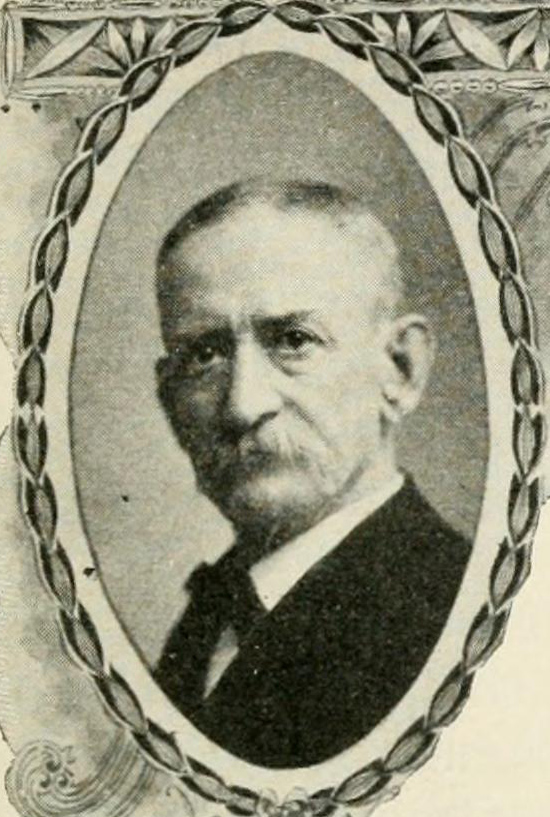
In 1904, Johnson provided a chapter for the book, “Reminiscences by Personal Friends of Gen. U. S. Grant” recounting his friendship and experiences with General Grant. His stories of Grant are very interesting ones and can be read in full here. In addition to the biography from above, the book also features a picture of Richard M. Johnson:
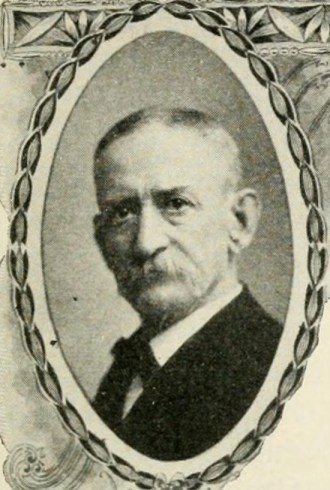
Richard M. Johnson

Richard M. Johnson

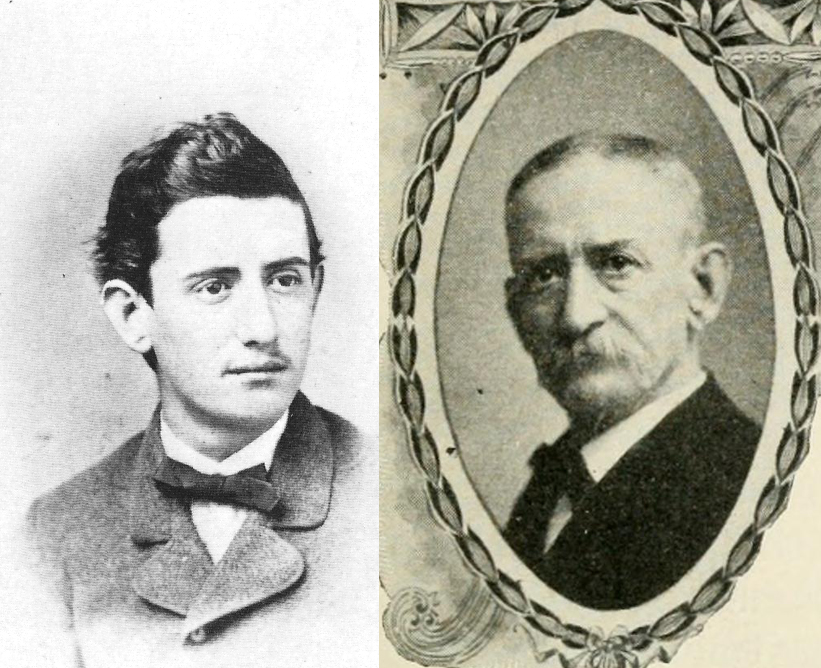
We all know photographs are subjective to the viewer. The Gutmans wanted this picture of a young man to be Booth and so they saw Booth in it. It could just be that I want this photo to be of Johnson because there is so much paper evidence supporting it, but I say these images show the same man, 40 years apart.
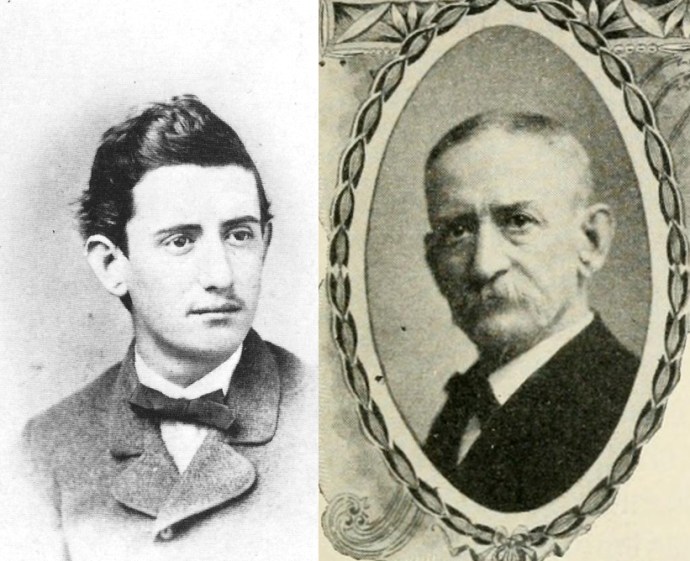
Gutman 1 and Johnson

As far as Gutman #1 is concerned, I support Rhodehamel and Taper and say it is Richard Marshall Johnson.

References:
The Evidence by Edwards and Steers
John Wilkes Booth Himself by Richard and Kellie Gutman
“Right or Wrong, God Judge Me” by Rhodehamel and Taper
Reminiscences by Personal Friends of Gen. U. S. Grant
Fold3.com
Note: There may be more images of Richard Johnson for compariosn contained in the Missouri History Museum. They have a collection of diaries and scrapbooks attributed to R. M. Johnson.
Note: R. M. Johnson is buried in the same cemetery as the lady who wanted Booth’s photograph, Bellafontaine Cemetery in St. Louis.

Thanks for the great topic starter, Carolyn!

Categories: Uncategorized | Tags: , , | 27 Comments

“John’s body”

“The box was taken into Harvey and Marr’s workshop by assistants, among whom was a volunteer, James Croggon, reporter for the Star. Harvey had said to Croggon: ‘Don’t ask any questions, but be at our place at six o’clock this evening as one of my assistants, and you will get a good item.’ Croggon was there, helped to lay the box on trestles, and watched as the body was identified for the third time. He saw Weaver lift the head and examine it- it still had the ‘fine suit of hair,’ distinctive as in life. He saw a man enter from the office and intently study the teeth, heard him  announce with emphasis: ‘This is Wilkes Booth, for this is some of my work.’ It was a dentist from Baltimore, whose opinion had been sought in the case. The reporter also saw a high boot on one  leg and on one a rough shoe which he mistakenly thought had been improvised by cutting away the other boot’s long top. He understood that a brother of John’s was in Harvey and Marr’s front room. It was not Edwin, as he supposed, but ‘Doc’ Booth, awaiting the reports of Weaver and the dentist.

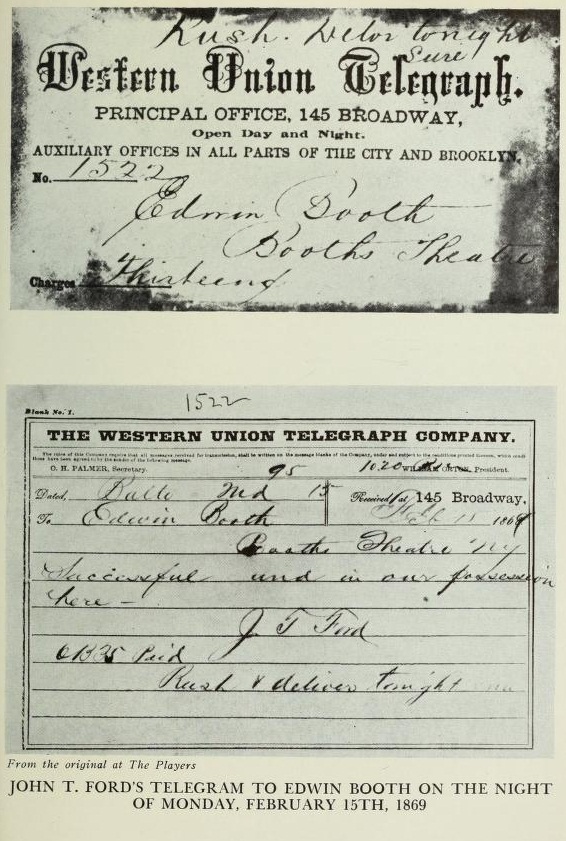
Shifted to a plain deal coffin, the body was conveyed to the train leaving Washington at seven-thirty and reaching Baltimore at nine. From the train it was removed to Weaver’s on Fayette Street, and that night John T. Ford, who had been keeping general oversight of the matter, sent a telegram marked ‘Deliver tonight sure.’ It read (as delivered):

Balto Md Feb 15 1869

Edwin Booth
Booths Theatre N Y

Successful and in our possession here —

J T Ford

Edwin saved this message in his files, and on the reverse of the blank he penciled: ‘John’s body.'”

John Ford's Telegram to Edwin

References:
The Great American Myth by George Bryan

Categories: Uncategorized | Tags: , | 3 Comments

OTD: Edwin Booth Returns to the Stage

On this date, January 3rd, in 1866, famed tradegian Edwin Booth returns to the stage for the first time since his brother’s crime.

Edwin Booth Returns

After Lincoln’s assassination Edwin had vowed to end his theatrical careeer forever. However, the allure of the stage was too much for the actor. Edwin’s return appearance as Hamlet at the Winter Garden Theatre envoked an ovation of applause and cheers that lasted four full minutes. The theater going public never blamed him for his brother’s act, and continued to support him for the next twenty five years.

Edwin Booth reciting part of Othello Act I, Scene III:

“Most potent, grave, and reverend signiors,
My very noble and approved good masters,
That I have ta’en away this old man’s daughter,
It is most true; true, I have married her:
The very head and front of my offending
Hath this extent, no more. Rude am I in my speech,
And little bless’d with the soft phrase of peace:
For since these arms of mine had seven years’ pith,
Till now some nine moons wasted, they have used
Their dearest action in the tented field,
And little of this great world can I speak,
More than pertains to feats of broil and battle,
And therefore little shall I grace my cause
In speaking for myself. Yet, by your gracious patience,
I will a round unvarnish’d tale deliver
Of my whole course of love; what drugs, what charms,
What conjuration and what mighty magic,
For such proceeding I am charged withal,
I won his daughter.”

Then Booth skips some dialog from other characters
and finishes with:

“Her father loved me; oft invited me;
Still question’d me the story of my life,
From year to year, the battles, sieges, fortunes,
That I have passed.
I ran it through, even from my boyish days,
To the very moment that he bade me tell it;
Wherein I spake of most disastrous chances,
Of moving accidents by flood and field
Of hair-breadth scapes i’ the imminent deadly breach,
Of being taken by the insolent foe
And sold to slavery, of my redemption thence
And portance in my travels’ history:
Wherein of antres vast and deserts idle,
Rough quarries, rocks and hills whose heads touch heaven
It was my hint to speak,–such was the process;
And of the Cannibals that each other eat,
The Anthropophagi and men whose heads
Do grow beneath their shoulders. This to hear
Would Desdemona seriously incline:
But still the house-affairs would draw her thence:
Which ever as she could with haste dispatch,
She’ld come again, and with a greedy ear
Devour up my discourse: which I observing,
Took once a pliant hour, and found good means
To draw from her a prayer of earnest heart
That I would all my pilgrimage dilate,
Whereof by parcels she had something heard,
But not intentively: I did consent,
And often did beguile her of her tears,
When I did speak of some distressful stroke
That my youth suffer’d. My story being done,
She gave me for my pains a world of sighs:
She swore, in faith, twas strange, ’twas passing strange,
‘Twas pitiful, ’twas wondrous pitiful:
She wish’d she had not heard it, yet she wish’d
That heaven had made her such a man: she thank’d me,
And bade me, if I had a friend that loved her,
I should but teach him how to tell my story.
And that would woo her. Upon this hint I spake:
She loved me for the dangers I had pass’d,
And I loved her that she did pity them.”

References:
My Thoughts Be Bloody: The Bitter Rivalry Between Edwin and John Wilkes Booth that Led to an American Tragedy by Nora Titone (2010) Page 374
Sound recording of Edwin Booth and transcript from Archive.org

Categories: Uncategorized | Tags: , , | 11 Comments

Associated Ads

The assassination of Abraham Lincoln manifested into countless front page headlines in newspapers across the country. From the details of the assassination, the hunt for Booth and his conspirators, and the trial that followed their arrests, nary a day went by between April 15th and July 7th, 1865, that aspects of Lincoln’s death were not “today’s top stories”. While significant and valuable text space was attributed to the big items of the assassination story, minor details had played out in the classified sections of various newspapers before the tragedy occurred. For a long time after the events as well, echos of the crime at Ford’s Theatre popped up in the most innocuous area of the newspaper – the advertisements. Here are a few examples of period advertisements associated with the death of Abraham Lincoln.

April 14th, 1865
Evening Star, Washington, D.C.
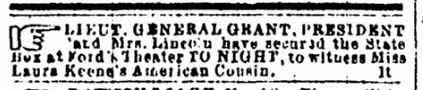
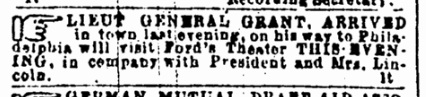
Advertisement for Lincoln at Our American Cousin 1 Advertisement for Lincoln at Our American Cousin 2

On page two of the Evening Star, the attendance of the Lincolns and General Grant is announced for that night’s performance of Our American Cousin at Ford’s Theatre.

November 25, 1864
New York Herald, New York City, NY
Booth Shakespeare Benefit 1864 advertisement

The New York Herald announces that night’s performance of the brother’s Booth in their benefit towards the construction of a statue of Shakespeare in Central Park.

August 18, 1869
Sun, Baltimore, MD
JJSellingTeas1869

After being released from prison for the final time, John Harrison Surratt, Jr. made his way down into South America for about six months. Upon his return to America he tried his hand at the mercantile life with his own business selling tobacco and other commodities like the “slightly damaged” tea above. This business did not last long and about 18 months later, John Surratt would be a teacher in Rockville, MD.

January 3, 1871
Richmond Whig, Richmond, VA
JJLecture1871

Attempting to cash in on his story and connection to John Wilkes Booth, John Surratt underwent a lecture tour. His lecturing was as short-lived as his mercantile business due to public outcry.

CHALLENGE
June 15, 1864
Evening Star, Washington, D.C.
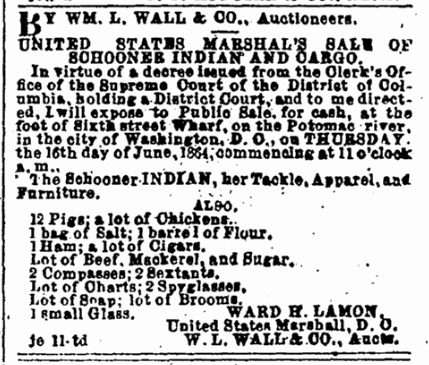
SchoonerIndianAuction1864

Here’s a good challenge for you all. Can any of you tell me how this sale of a schooner by the federal government is involved in the story of Lincoln’s assassination. Show me your skills by replying in the comment section below.

References:
The Last Lincoln Conspirator by Andrew Jampoler

Categories: Uncategorized | Tags: , , , , | 7 Comments

Happy Birthday, Edwin Booth

“When Mary Ann’s labor pangs started November 13, 1833, the birth did not progress as expected. More concerned than usual after the bereavements of the past year, her midwives may have advised sending for a doctor. June, Mary Ann’s oldest boy, was the chosen messenger. As he headed out on the back of a mule hours before daybreak with Joe Hall as his companion, June recalled that in the darkness above, thousands of meteors started raining downward. Baltimore’s papers reported the next morning that many people believed the world was coming to an end. Others were certain the meteors ‘prognosticated some dreadful war.’ Only astronomers seemed unafraid, ‘viewing the phenomenon wonderful.’ The Shower lasted for a full hour. One meteor exploded with a bang over northwest Baltimore, lighting the clouds like a sunrise and leaving a fiery, thirty foot trail.” – My Thoughts Be Bloody by Nora Titone

Edwin Booth entered the world on this day to the fanfare of a great celestial event. It seems only fitting then that on this, the 179th anniversary of his birth, another spacial phenomenon occurred:

On this day, I’d also like to give a continued congratulations to Carolyn Mitchell of The Spirits of Tudor Hall and the Edwin Booth Society for her wonderful work on these websites.  Carolyn is a wealth of knowledge about the Booth family and I check her sites everyday to see what’s new with Edwin and the rest of the Booths.  I certainly wish I could have been in New York today to visit The Players during the celebration of their Founder.

Categories: Uncategorized | Tags: | 7 Comments

Blog at WordPress.com.