Uncategorized

Our American Cousin

On this night, 147 years ago, Lincoln was assassinated.  As a blog committed to the study of Lincoln’s assassination, attention to this fact must be paid.  However, instead of writing about the events of the day or the reaction from the public about the news, I’d like to give some attention to the event that drew the Lincolns out that night.  Ford’s Theatre is not the only thing that will forever be linked with the death of Abraham Lincoln.  Such an association is also shared by the play that was performed on this night so long ago: Our American Cousin.

Our American Cousin was written by English playwright Tom Taylor in 1852.
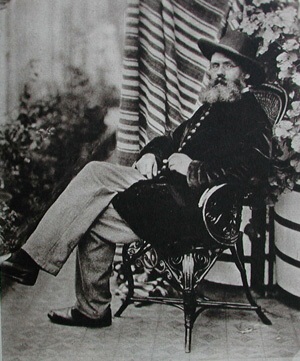
Playwright Tom Taylor

Taylor and many other Brits at the time were fascinated with the American way of life and the unique differences that had developed between the two countries since the Revolutionary days.  Taylor picked up on new American vernacular like, “guess” instead of the British “suppose”, and slang like “skedaddle”.  While his American character, Asa Trenchard, spoke and acted in a stereotypically un-English way, the character also had a strong sense of morality that conquered these “faults”.  The play tells the story of the culture clash between the Trenchard family of England and one of their distance American relatives.  A thorough synopsis of the play can be found here.

While Taylor was known for creating popular plays – and would go one to write more than 75 during his lifetime – at first he was concerned how well this play would be performed.  After finishing the play, Taylor sold it to producer Benjamin Webster for 80 pounds.Webster was the theatrical manager and producer for the Adelphi Theatre in Westminster.  During this time the Adelphi Theatre was hosting the American actor Joshua Silsbee.
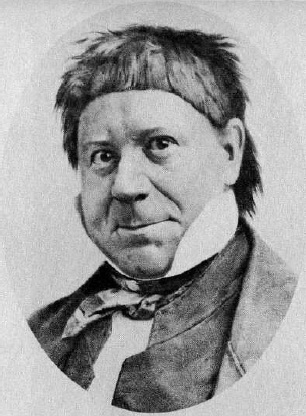
Joshua Silsbee
(from http://rjbuffalo.com/silsbee.html)

Known as the “Yankee” Silsbee, British audiences enjoyed watching him portray American characters.  Somehow, Silsbee got a copy of Taylor’s play and began studying the Asa character in preparation to perform it.  Both Webster and Taylor did not feel Silsbee could accurately portray the title character.  As time went on, Webster and Taylor both decided that the play was not going to work well at that theatre.  It was never produced.  In 1855, Webster traded the play and its rights back to Taylor in return for another piece.   At this point, Taylor made a few changes to the piece.  Most noticeably Taylor moved some text around to change it from a two act play to a three act play.

In autumn of 1858, Taylor was once again looking to sell his play.  He enlisted the help of a London Times correspondent posted in New York to help him sell the rights in America.  Through another intermediary, the play got into the hands of British-born actress and theatrical manager, Laura Keene.  Though relatively unimpressed with the melodrama, Keene ended up purchasing the play for $1,000 from Taylor.  She received Taylor’s new three act manuscript, taken down by his wife, in September of 1858.
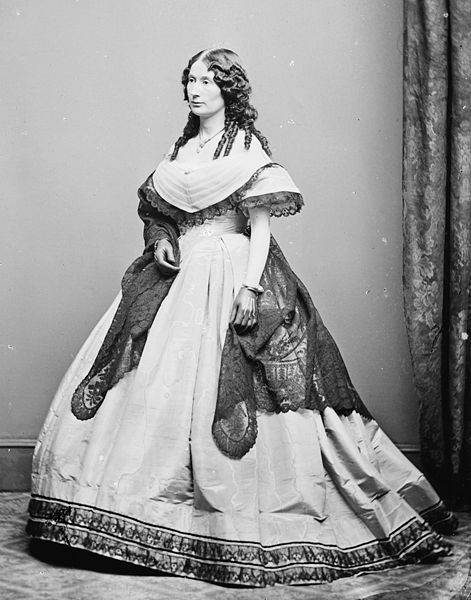
Laura Keene

Keene casted the roles of the play with actors she knew well from her company.  Actor Joseph Jefferson was given the lead actor role of the American, Asa Trenchard.  Laura Keene took the lead actress role of Florence Trenchard, Asa’s kind English cousin who is the object of the villain’s affection.  Laura had to practically beg a young British actor in her troupe, Edward Askew Sothern, to take the small role of Lord Dundreary.  At first he refused the minor role with only 47 lines, but later agreed when Keene agreed he could add gags to his performance.  Even though he agreed, he still thought the role and play were pretty bad.  Together, Keene and Jefferson made many changes to Taylor’s manuscript.  Considerable dialogue was removed and edited.  In addition, they changed the hometown of Asa Trenchard from Pontiac, Michigan to Brattleboro, Vermont.
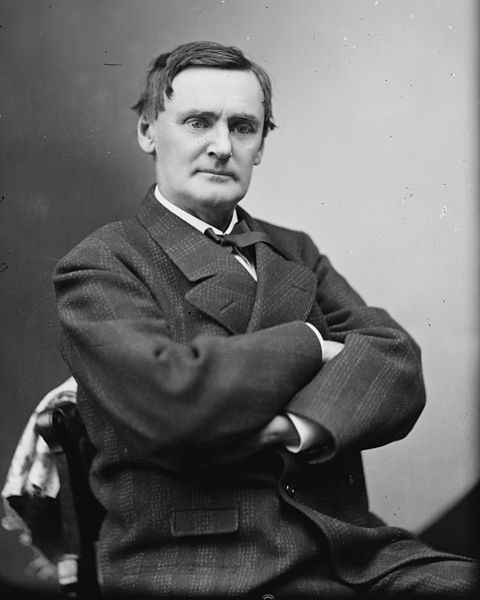
Joseph Jefferson

The debut of Our American Cousin occurred on October 15, 1858 in Laura Keene’s Theatre in New York City.  The play proved a success.  The alterations made by Jefferson and Keene, along with the ever increasing gags of E. A. Sothern, altered the play from a melodrama, to a comedy.  Instantly it became one of the most popular plays in New York and ended up running for 150 nights.
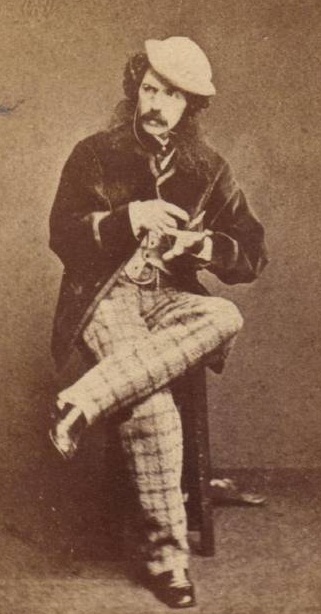
E. A. Sothern as Lord Dundreary

The success of the play, however, was not without its downside.  On November 22, 1858, the Arch Street Theatre in Philadelphia began performing Our American Cousin.  Just like today, theatre producers in the 1850’s could license their plays to others theatres for a price.  The ongoing success of the play allowed Laura Keene to do just so years after its debut.  These performances in Philadelphia, however, were not sanctioned by her and so she brought a suit against the two managers of the theatre, William Wheatley and John Sleeper Clarke.  John Sleeper Clarke would marry Asia Booth, John Wilkes Booth’s sister, in April of 1859.
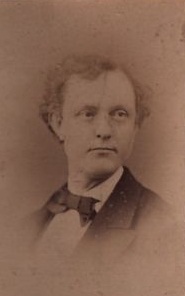
John Sleeper Clarke

Keene filed a sanction against Clarke and Wheatley to stop them from performing her play.  But, just like it was in New York, the play was a success in Philadelphia.  Clarke and Wheatley denied any wrong doing and, to avoid having to halt performing the play during the ensuing litigation, they paid Keene a licensing fee and set aside a court fund from which to pay Keene if they lost the suit.  The case was a very drawn out affair and actually caused unique challenges to Laura Keene’s ownership of the play.  At this point and for several years after in fact, the play had not been published.  Keene’s troupe worked off of the handwritten manuscript she had received from Taylor.  Taylor, himself, had sold the rights to Keene and so never published it either.  Had Keene published the play, she would have had a case under copyright but this did not happen.  Not only that, but the play was written by a non U.S. citizen and, at the time of the suit, Laura Keene had not yet gained her own American citizenship further complicating matters.   The main problem for Keene, however, was where Clarke and Wheatley got the play.

Remember Josh Silsbee, the American actor in England?  When Silsbee returned to American, he brought Taylor’s original version of Our American Cousin with him.  This copy of the play is the one that he mysteriously got his hands on, even though both Webster and Taylor denied giving him one.  He wanted to perform it (and may even had rehearsed it a couple of times in the States) but it never happened.  Silsbee died in 1855 and his estate, along with the copy of the play went to his wife.

Somehow, after Our American Cousin became such a hit in October of 1858, Clarke and Wheatley learned of the widow Silsbee’s copy.  They entered into a deal with the widow’s new husband, a Mr. Chapman, from which they purchased the play and rights to it.  According to their side of the story, Josh Silsbee was actually given the American rights to the play when he left England by Mr. Taylor himself.  Moreover, Silsbee helped Taylor write the play based on his knowledge of “Yankee” characters.  Silsbee’s widow testified that the play and the rights to it were turned over to her late husband by Benjamin Webster as partial compensation for Silsbee’s time at the Adelphi Theatre.  Clarke and Wheatley held on to their side of the story maintaining that, while Keene did purchase the rights from Taylor, at that point in time Taylor did not have the rights to the play anymore having sold them to Webster who gave them to Silsbee.  The suit was an ordeal that lasted years.  In the end, Keene was saved by her own alterations to the play.

Clarke and Wheatley, while owning a copy of the original play, copied Keene’s performance to the letter.  The original play was in two acts, the main character was from Michigan, and the laughable gags of Lord Dundreary were nowhere to be found.  Clarke and Wheatley stole the unique features of Keene’s version (the ones that made it a success) and ending up losing the suit.  However, due to the difficulties regarding actual ownership, the judge only required Clarke and Wheatley to pay $500 to Keene for taking her specific alterations and for her court expenses.  The judge never actually decided on Keene’s ownership of the play.  This would come back to bite her later.

Keene continued to license Our American Cousin to various theatres during the Civil War and it continued to draw in patrons.  On April 3, 1865, Keene and her troupe arrived in Washington, D.C. for an engagement at Ford’s Theatre.  They put on many different shows, with the last one being scheduled as a benefit for Laura Keene.  For this April 14th benefit, Keene presented her big show, Our American Cousin.  Though a nearby theater was presenting a new play, Aladdin, Abraham Lincoln chose Ford’s Theatre instead.  On today specifically, we are all aware of the ramifications of that choice.  The play at Ford’s was halted that night, never moving beyond Asa’s lines in Act 3, Scene 2, “Don’t know the manners of good society, eh?  Well, I guess I know enough to turn you inside out, old gal – you sockdologizing old man-trap.”
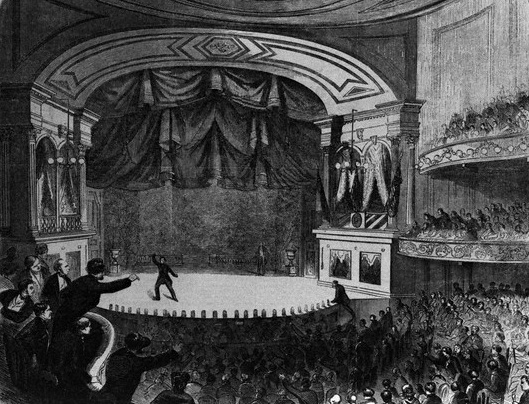
After the events of April 14th, you would think John Sleeper Clarke, John Wilkes Booth brother-in-law, would have wanted to avoid any connection with the assassination.  Instead, in September of 1865, he was up to his old tricks, this time producing Our American Cousin without a license in the Winter Garden Theatre in New York.  Keene, once again, filed a suit against Clarke and his new compatriot theatre owner William Stuart.  She attempted to use the verdict from the 1858 case as proof of her ownership and that Clarke was forbidden from producing Our American Cousin.  She even dropped the suit against William Stuart so that she could more effectively go after Clarke.  Again the idea of the play’s ownership came up with the stalemate occurring between Keene and Clarke’s copies of the play.  Clarke, in a desperate move, attempted to convince the judge that the $500 paid earlier gave him the right to license the play.  The judge then found in favor of Keene stating that, if that was the case, then producing the play at this different theatre in New York would have required Clarke to purchase a new license.  Clarke left for England, never to return, shortly thereafter.

Our American Cousin was both a success and a tragedy for Laura Keene.  It was a popular play that enjoyed a period of profitable longevity rare for plays of the day.  However, the popularity of it not only led Laura Keene into lawsuits, but also compelled the Lincolns to Ford’s Theatre on this night 147 years ago.  For this reason, Our American Cousin lives on.

References:
The 1858 suit is discussed at length in the book: Cadwalader’s cases: Being decisions of the Hon. John Cadwalader, Judge of the District Court of the United States for the Eastern District of Pennsylvania, between the years 1858 and 1879

There are many articles about the suits Keene raised against Clarke available through the New Times Archives.  Here are some of the ones consulted: A, B, CD, E, F

Our American Cousin: The Play that Changed History by Welford Dunaway Taylor
Categories: Uncategorized | Tags: , , | 12 Comments

Resurrecting Gravestones

April 14th is the 147th anniversary of Lincoln’s assassination.  Several generations have passed in that time.  Most recently, we mourned the passing of the last of Dr. Mudd’s grandchildren, succinctly showing the time that has elapsed since the great crime.  As has been done for ages, we mark our lost generations with gravestones.  They are a reminder of their time on earth and their influence on others.  Unfortunately the stones on which names are placed are not impervious to time’s unceasing march.  Water, wind, heat and cold, erase names and dates.  Markers stand as unreadable, phantom reminders of people and lives unknown.  Along with the elements, humans, both directly and inadvertently damage stones.  Markers are chipped, broken or fallen by human hands.  For many of these stones, this is the end.  Without families aware of their destruction, they remain broken, fallen, and forgotten.

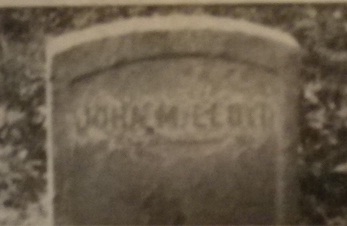
For some related to the Lincoln assassination this is the case.  John M. Lloyd is one example.  Lloyd was Mrs. Surratt’s tenant occupying her Tavern in Surrattsville (then Robeysville), MD.  One the day of the assassination, Lloyd testified that Mary told him, “I want you to have those shooting irons ready: there will be parties here to-night who will call for them.”  The shooting irons referred to were Spencer Carbines that were hidden at the Surratt Tavern during the proposed kidnapping plot.  In addition Mary gave Lloyd a package wrapped in paper later found to be field glasses.  Later that night, Booth and Herold stopped by the Tavern, took one of the carbines and the field glasses.  Lloyd was a key witness against Mary Surratt at the Conspiracy trial.  Lloyd would later die an accidental death in 1892:

“He was in the construction business and died of an accident that occurred on one of his building projects. He wasn’t satisfied with some work that had been done and went up on a scaffold to inspect it. Near the other end of the scaffold flooring a load of bricks had just been deposited. As he reached the scaffold and stood on it, the boards gave way, and he fell to the ground. The bricks tumbling down upon him crushed his head, kidneys, and other parts of his body.”

John M. Lloyd's gravestone circa January 1969. Courtesy of the Surratt House Museum

Lloyd was laid to rest in Mount Olivet Cemetery in D.C.  This is same cemetery in which Mary Surratt is buried.  He was buried in December of 1892 and his marker was standing until it fell some time in 1969.  Today, his plot is unmarked – a shining example of the many who have fallen and have been forgotten. Correction: I have been informed by gravestone expert Richard Smyth that, as of 2008, Lloyd’s marker was still on his grave.  When Rich visited Mount Olivet, he had to dig the stone out and remove the dirt and grass that had grown over it.  The current condition of the stone is unknown.

There are also those to whom, markers were never created.  In these instances we are sometimes fortunate to have cemetery records to tell us who has been placed where.  This is the case of the Surratt Society’s current drive to place a marker on the grave of Frederick Aiken.  Aiken was one of the lawyers who defended Mary Surratt at the Conspiracy trial.  A tremendous amount of research into Mr. Aiken’s life was done by researcher Christine Christensen.  Her 28 page biography about this man’s extraordinary life is available through the Surratt House Museum and has been the catalyst for soliciting donations to mark his grave.  He is currently unmarked in Georgetown’s Oak Hill Cemetery:

A stone bearing his name, dates and a quote given by him at the trial will be put up once enough donations are received.

Finally, there are grave stones that have been resurrected so to speak.  These are stones that have been broken or worn, but have been fortunate enough to have been replaced.  Mary Surratt and Dr. Mudd are two examples of resurrected gravestones.

May Surratt was originally buried next to the gallows on which she died, in the yard of the Old Arsenal prison.  Eventually, her body was released to her family and she was interred at Mount Olivet.  For almost 100 years she was marked by this stone:

Then, around the 1970’s, this headstone was broken.  The original headstone is currently in pieces in storage at the Surratt House Museum.  They received the remnants from Boothie researcher John Brennan who asked and was permitted to have the broken gravestone.  Mary’s stone was replaced and this is the one that stands there today:

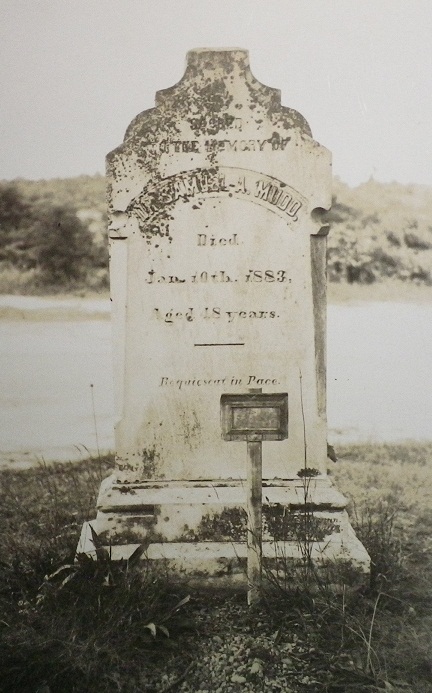
Dr. Mudd’s grave has a similar story.  Dr. Mudd died in 1883 at the age of 49.  He was buried at St. Mary’s Catholic Church in Bryantown, MD.  From this point until 1940, Dr. Mudd had this gravestone:

As you can see, over time, part of the stone became moss covered.  In addition, this stone mistakenly puts the doctor’s age as 48 when he was truly 49.  Lastly, this stone originally had a cross at the top that was broken off.  In 1940, Mudd descendants placed a new gravestone on Dr. Mudd’s:

Dr. Mudd’s old stone is currently on display behind the Dr. Samuel Mudd House in one of the stables:

There are many individuals related to the Lincoln assassination who are without markers.  For the key conspirators, this was done to avoid either vandalism against them or reverence for them.  It was smart then, as retribution against their final resting place was a true worry.  But 147 years have passed since their actions.  The trot of time allows us to see them as people, and all people deserve to be recognized for their time on Earth.  Hopefully, with the help of organizations like the Surratt Society and private history-minded individuals, more Lincoln assassination figures will have their final resting places marked or resurrected.

References:
“That Man Lloyd” by Laurie Verge, April 1988, Surratt Courier
Finding Frederick by Christine R. Christensen

Categories: Uncategorized | Tags: , , , , | 5 Comments

On this date: April 7th, 1865

Booth had a meeting with Samuel Knapp Chester.

While in New York, Booth met with his fellow actor and friend Samuel Knapp Chester for drinks.  Earlier in the conspiracy, Booth consistently tried  to involve Chester in the kidnapping plot.  Chester continually refused to participate.  Booth went as far as to send Chester $50 as a demonstration of the money to be had in the endeavor, but Chester returned it.  During this meeting, a week before the assassination, Booth lamented his previously missed chance, “What an excellent chance I had to kill the President, if I had wished, on inauguration-day!”  Samuel Knapp Chester would be arrested and used as a witness for the prosecution during the conspiracy trial.

References:
The Conspiracy Trial for the Murder of the President…(Vol 1) edited by Benjamin Perley Poore (1865)

Categories: Uncategorized | Tags: , | 4 Comments

A jaunt through Congressional Cemetery

Congressional Cemetery is a beautiful cemetery located in Washington D.C. along the coast of the Anacostia River.  This 35 acre cemetery is a National Historic Landmark and contains over 22,000 interments.  On a walk through the cemetery today, here are some of graves of people related to the Lincoln assassination:

Emerick Hansell:

Hansell was a State Department messenger whose main duties were ferrying messages between the State department and the Secretary of State, William Seward.  After the Secretary’s carriage accident, Hansell was helping to keep an eye on the wounded Seward.  On the night of April 14th, Hansell was lodging at the Seward house.  The noise from Powell’s assassination attempt awoke him, and, as he was heading down the stairs to raise the alarm, Powell overtook him and stabbed him in the back.  Hansell was one of the five wounded victims from that night.  He is buried here at Congressional with his first wife, Elizabeth.

Peter (Pedro) Taltavull:

A Spanish immigrant, Taltavull co-owned The Star Saloon.  The Star Saloon was the tavern adjoining Ford’s Theatre and was one of the places where Booth had a drink before shooting Lincoln.  While he did not serve during the Civil War, Taltavull was also in the US Marine Corp Band for over 20 years.

Charles Forbes:

Forbes was a footman for Lincoln’s carriage.  As the stone states, Forbes was the only one sitting outside of the President’s box during his time at Ford’s Theatre.  Forbes was not a bodyguard and had no instructions against letting people into the President’s box.  In fact, he let a messenger in to see the President prior to Booth’s arrival.  Booth presented Forbes with a card, and Forbes easily allowed the famous and innocently looking actor into the President’s box.

There is a wonderful story from Thomas Pendel’s book, Thirty-Six Years in the White House, demonstrating Lincoln’s sense of humor and relationship with Forbes:

“On one occasion, President Lincoln, when riding near the Soldiers’ Home, said to his footman, named Charles Forbes, who had but recently come from Ireland, “What kind of fruit do you have in Ireland, Charles?” To which Charles replied, “Mr. President, we have a good many kinds of fruit: gooseberries, pears, apples, and the like.” The President then asked, “Have you tasted any of our American fruits?” Charles said he had not, and the President told Burke, the coachman, to drive under a persimmon tree by the roadside. Standing up in the open carriage, he pulled off some of the green fruit, giving some of it to Burke and some to Charles, with the advice that the latter try some of it. Charles, taking some of the green fruit in his hand, commenced to eat, when to his astonishment he found that he could hardly open his mouth. Trying his best to spit it out, he yelled, “Mr. President I am poisoned!” Mr. Lincoln fairly fell back in his carriage and rolled with laughter.

This story was afterward told by the coachman, justifying himself upon the grounds that it was too good to keep.”

Hester A. Butler:

Ms. Butler’s connection to the Lincoln assassination is a relatively distant one.  Butler is her maiden name which she and her children reverted back to after the death of her husband.  At the time of Lincoln’s assassination, Hester’s husband, John, was a detective on the staff of Maryland provost marshal James L. McPhail.  Before that he was in the carriage business in the city of Port Tobacco.  John owned his carriage business with his brother, George Atzerodt.  This made Hester Atzerodt nee Butler, the sister-in-law of the would be assassin of Andrew Johnson.  After the death of her husband John, Hester and her children freed themselves from the stigma of the Atzerodt name by changing back to Butler.  Hester, along with two of her children are buried at Congressional.

David Herold:

The only conspirator buried at Congressional is Davy Herold.  After being executed on July 7th, 1865, Davy, the other conspirators, John Wilkes Booth, and Andersonville Prison commander Henry Wirtz, were all buried on the Arsenal grounds.  Eventually, the Herold family received permission to retrieve Davy’s body from the Arsenal.  He was reburied in the Herold family plot in Congressional in February of 1869.  His specific grave is unmarked, but his unmarried sister, Elizabeth Jane, was buried right on top of him in 1903.  The rightmost headstone in this picture is Elizabeth Jane’s, and is therefore the only marker for Davy.  At least for now…

References:
Congressional Cemetery Website
Thirty-six years in the White House by Thomas F. Pendel

Categories: Uncategorized | Tags: , , | 3 Comments

John St. Helen

Today, I visited the Lauinger Library at Georgetown University.  The bulk of my research was in the David Rankin Barbee papers contained in the library’s Special Collections.  As an aside, I also looked at the Earl H. Swaim collection located in the library’s holdings.  The Swaim collection contains many of the papers and correspondences of Finis Bates, W. P. Campbell, and Dr. Clarence Wilson regarding Booth’s postmortem wanderings.  While a plethora of evidence disproves their claims of Booth’s escape, the theories nevertheless continue to survive.

The most interesting item located in the Swaim collection, is one of the cornerstones of the “Booth escaped” doctrine.  According to Finis Bates’ book, The Escape and Suicide of John Wilkes Booth, a man known to him as John St. Helen called upon him in Granbury, TX when the latter believed he was on his deathbed.  He informed the attorney that his real name was not St. Helen, but that he was, in fact, John Wilkes Booth.  A few days later, St. Helen survived his illness and freely told Bates his whole story.  He also presented Bates with a damaged tintype of himself so that someday, if he should choose to, he could substantiate his story as the truth.  Then St. Helen left town.  This tintype given to Bates by St. Helen was taken in Glenrose Mills, Texas in June of 1877.  Bates would have several paintings done of the conspirators in preparation for his book and his traveling showcase of St. Helen’s body.  In addition, he had the tintype painted as a complete portrait.

The original, damaged tintype, however, is in the Swaim collection:

In my opinion, John St. Helen does not even look like John Wilkes Booth.

John St. Helen

John Wilkes Booth

Similar to so many eBay auctions claiming to be unseen images of Booth, St. Helen is merely a mustachioed man with wavy hair.  He lacks Booth’s distinctive Roman nose and has different eyebrows and face shape than the real McCoy.

While this picture has been the reason for so many years of historical malpractice, it was still an interesting experience to view and handle it firsthand.

Epilogue: Right before posting this I saw (via the Lincoln-Assassination forum) that a new indie movie will be coming out with the John St. Helen story as plot line.  I found the timing eerily appropriate.

References:
The Legend of John Wilkes Booth: Myth, Memory, and a Mummy by C. Wyatt Evans

Categories: Uncategorized | Tags: , | 4 Comments

Ford’s New Center

The Ford’s Theatre Center for Education and Leadership opened on February 12th of this year.  The building, adjacent to the Petersen House where Lincoln died, continues the message of Lincoln’s legacy after his death.  The Center has four floors open to the public.  The first floor is the lobby and gift shop while the second holds space for temporary exhibits.  The third floor is deemed the “Legacy Gallery” which shows the many ways in which Lincoln has become ingrained in our culture and how his words affect us today.  While very nice and good, as a person interested in the Lincoln assassination, it is the 4th floor, named the “Aftermath Gallery” that I wish to discuss.

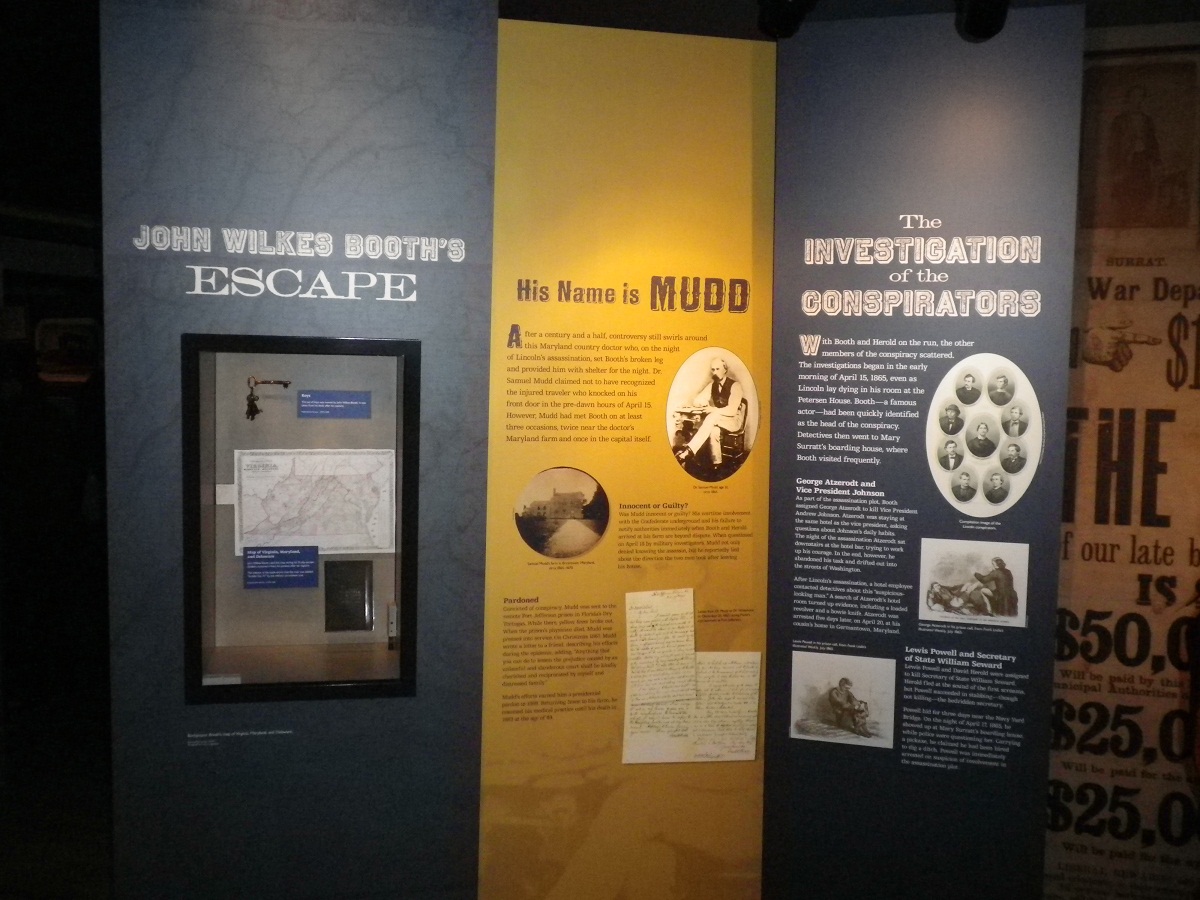
Visitors exit the Petersen House and travel via elevator to the 4th floor of the Center and work their way down.  On this floor you begin by viewing the turmoil that occurred on the morning of April 15th when the nation woke to the news of Lincoln’s death.  There is a recreation of the train car that took Lincoln’s body back to Springfield as well as an interactive map of the route.  Past this, are several wall displays recounting the manhunt for Booth and the imprisonment, trial, and execution of the conspirators:

Before approaching the stairs down to the next level, there is a recreation of the tobacco barn with audio and visual effects to show Booth’s last few moments before being shot.

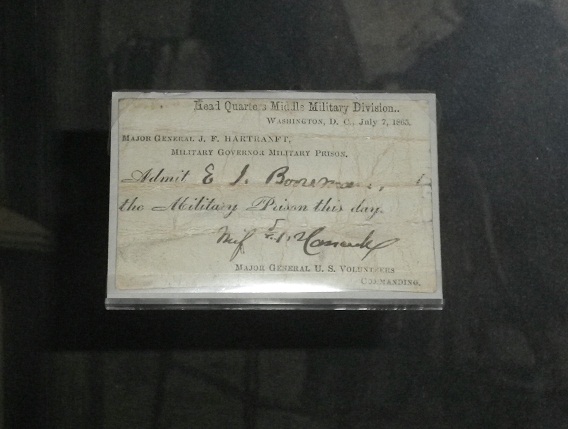
As always, it is the artifacts and relics of the assassination that draws my interest.  They have a pass to witness the execution of the conspirators on July 7th, 1865:

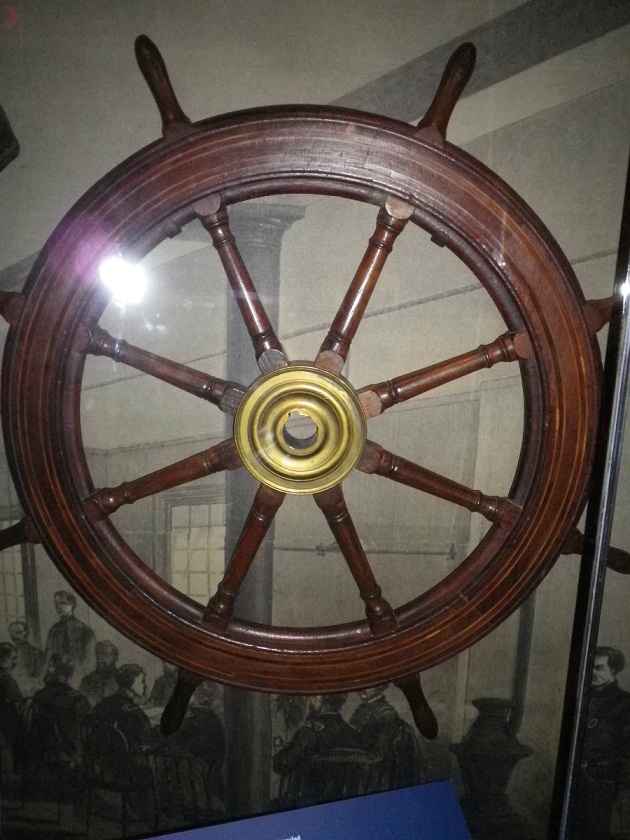
A steering wheel from the USS Montauk:

The USS Montauk and the USS Saugus were ironclad monitors which housed the conspirators during the initial investigation and arrests.  The Montauk held George Atzerodt, Edman Spangler, David Herold, John Wilkes Booth’s body, and Joao Celestino, an unrelated Portuguese sea captain.

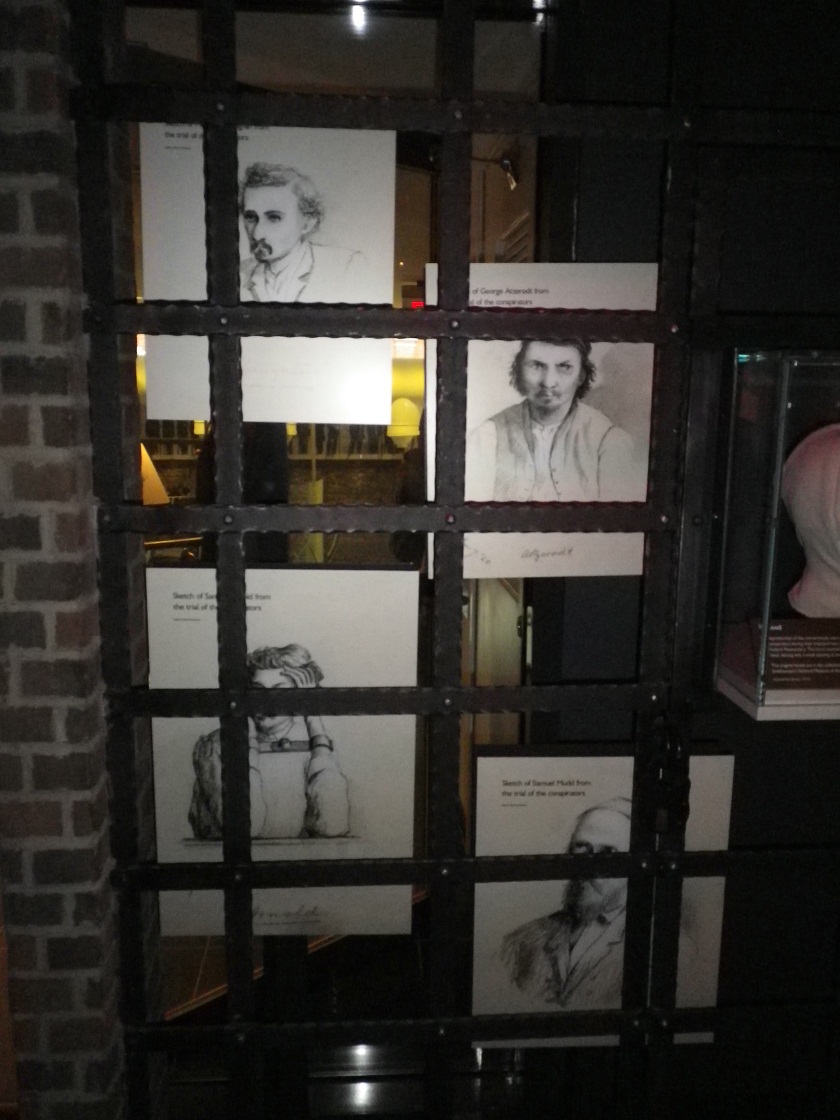
The gallery also has a nice display of the sketches military commission member Lew Wallace drew of the conspirators during the trial:

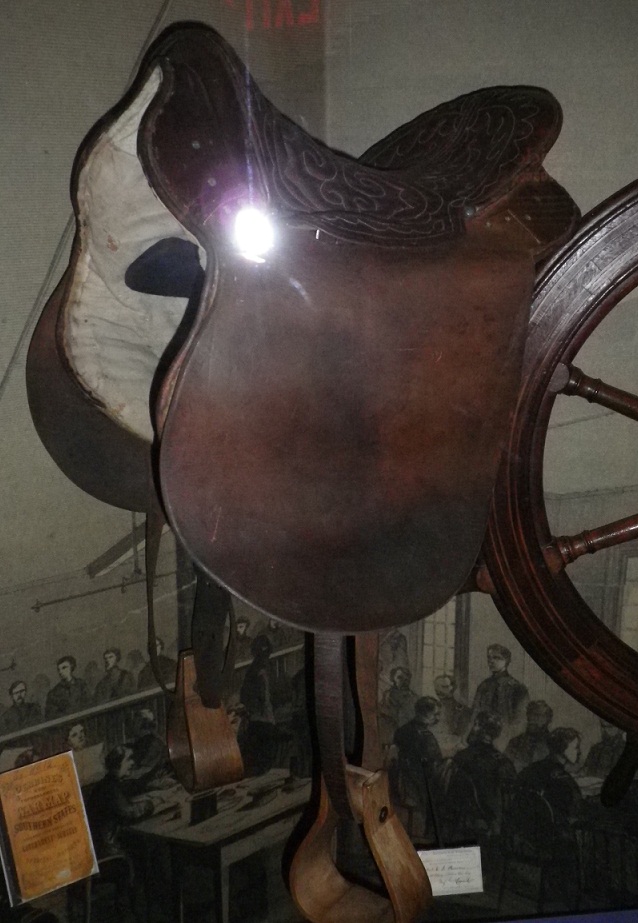
The Center also has on display Lewis Powell’s saddle:

Powell used this saddle on the night he attacked Secretary of State William Seward.  Powell biographer, Betty Ownsbey, was the first to see that this item was mislabeled as being owned by Booth (it was owned by George Atzerodt) and that it was improperly displayed.  The stirrups were shown under the saddle flap instead of over them, which would make a very uncomfortable ride for the horse.  After being made aware of the mistake, Ford’s has gladly fixed this and is now correctly displaying the beautiful saddle
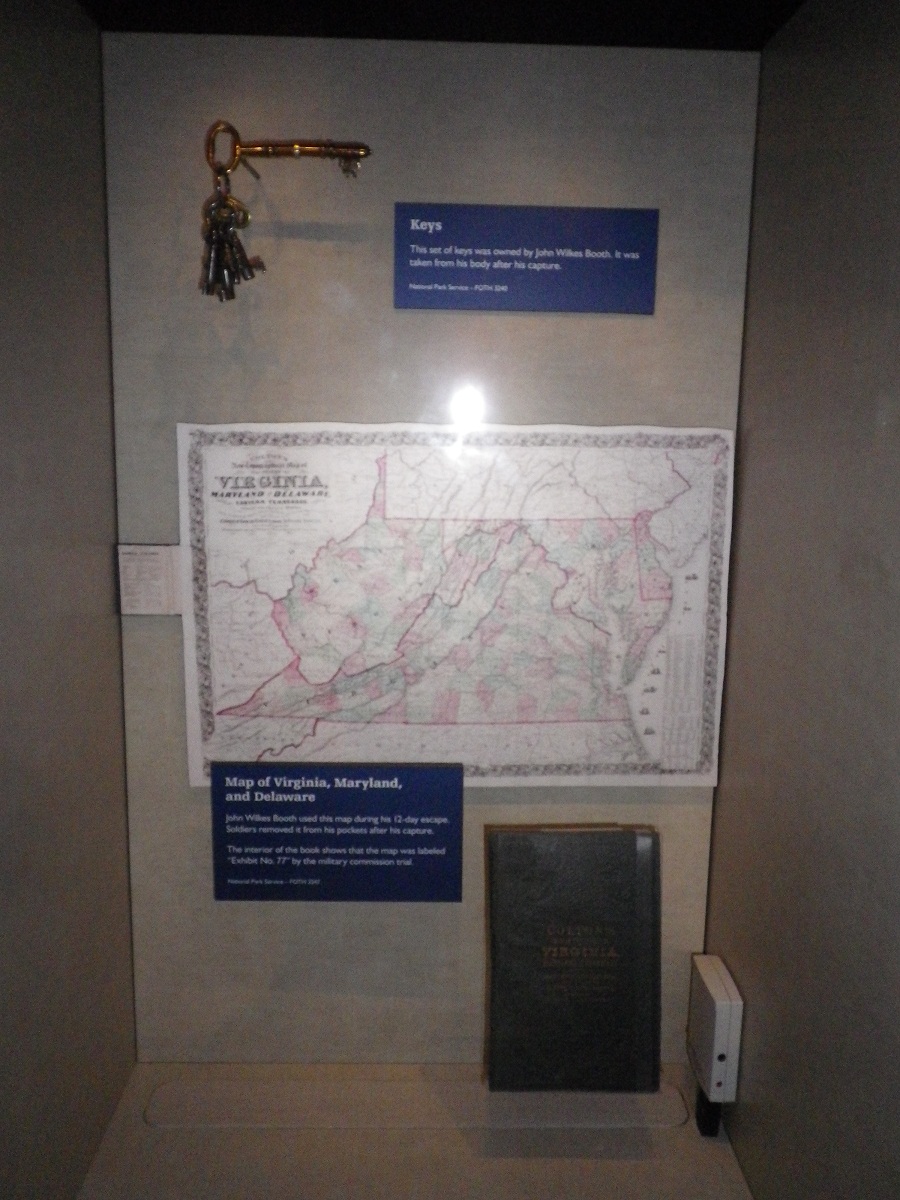
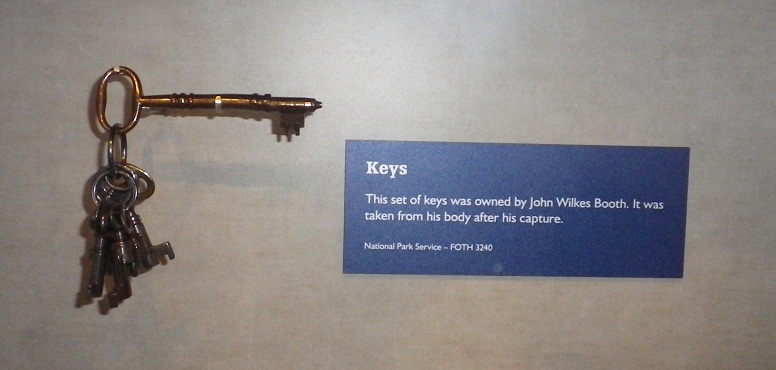
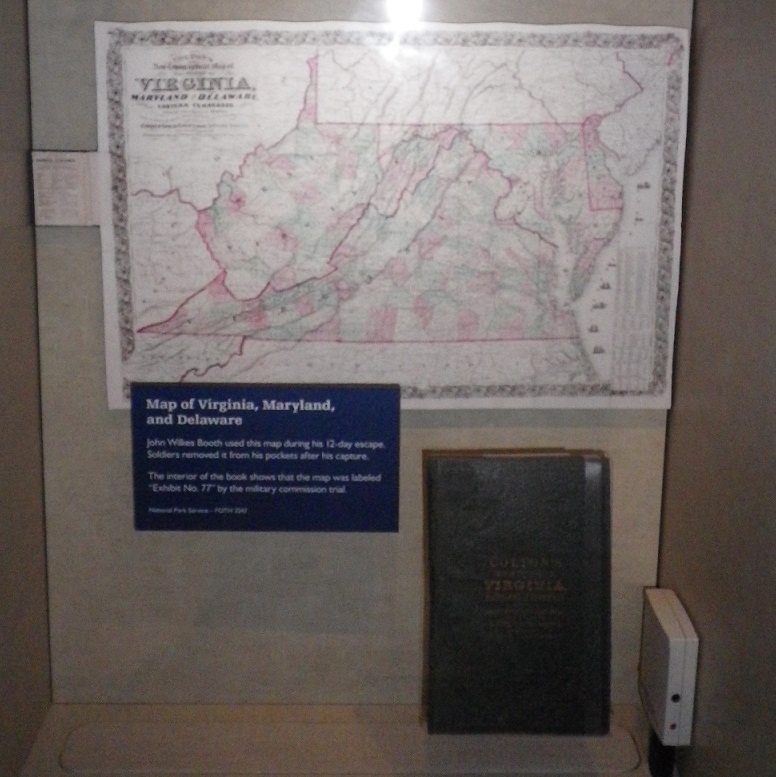
There is also an entire display case in the “Aftermath Gallery” with artifacts that I believe to be mislabeled:

The display has two items, a set of keys and a map.  The keys are labeled as, “being owned by John Wilkes Booth” and being, “taken from his body after his capture.”

I do not believe that this is the case.  The War Department had these keys before they had even found John Wilkes Booth.  An April 24th inventory list of evidence cites, “No. 9 Envelope containing silver pencil, and a bunch of keys belonging to David Herold.”  These keys contained Davy’s key to his house and other places.  On the morning of April 15th, Detectives James McDevitt, John Clarvoe, and John Waite, along with Lewis Weichmann, visited the home of Mrs. Herold.  Here, they obtained two photographs of David Herold.  They also recovered these keys and a silver pencil.  According to a statement by Jane E. Herold, Davy, “…had to get home at 10 o’clock.  If not he would be locked out.  Always when he came he had a night key, but momma took it away from him…” While McDevitt and the others made mention of the photographs as they hoped it would increase their chances of getting some reward money, they didn’t mention the keys as they were not noteworthy.  In addition, if you read through the statements of people at Garrett’s barn when Booth was cornered and killed, none of them ever mention keys being taken from Booth’s body.  At the trials, individuals like Conger and Baker give very detailed lists of what they took off of Booth’s body, with no keys being mentioned.  Regardless, these keys could not have come off of Booth’s body as the government had them two days before Booth and Davy were found.

The other item in this display case is a map of Virginia, Maryland, and Delaware.  The label for it states the following, “John Wilkes Booth used this map during his 12-day escape.  Soldiers removed it from his pockets after his escape.  The interior of the book shows that the map was labeled, ‘Exhibit No. 77’ by the military commission trial.”

I believe that this label is also wrong.  Now it is true that Booth and Davy had a map with them during their escape.  That map was taken off of Davy, not Booth, when he surrendered at Garrett’s barn.  Unfortunately, this is not the map taken from Davy either.  On June 3rd, Dr. Joseph H. Blanford, brother-in-law to Dr. Mudd, retook the stand at the conspiracy trial.  The following is part of the interchange that occurred in Dr. Blandford’s testimony:

“Q. (Exhibiting a map to the witness.) Will you examine this map, and state to the Court whether the several localities that I have spoken of, and the roads, are properly marked upon it?
A. I think they are, as nearly as can be ascertained from this map; the roads not having been drawn upon it originally. The roads here, as drawn in ink, to the best of my knowledge, are the proper roads; and they would take those places in their route.
Q. Will you state whether you have examined that map before, and indicated the lines and points marked in ink upon it?
A. Yes, sir.
Q. Show to the Court, on the map, where Surrattsville, Dr. Mudd’s house, and Pope’s Creek, are.
Assistant Judge Advocate Bingham. If he is going to do that, let him write them down at once on the map.
The witness. They are already written here. Dr. Mudd’s house, T. B. and other points on the road are correctly stated.
(The map referred to was offered in evidence without objection and is marked Exhibit No. 77.)”

To preclude the idea that the map shown to Dr. Blanford was the same one recovered from Davy, we have the following testimony from Everton Conger:

“Q. What articles did you take from Herold? Anything?
A. A little piece of a map of the State of Virginia, and a part of the Chesapeake Bay on it.
Q. Do you remember whether that map embraced the region of country where they were?
A. It did. It embraced that region of country known in Virginia as the “Northern Neck.”
Q. Was it a map prepared in pencil?
A. No, sir.
Q. Was it a regular map?
A. Part of an old school map; a map that had originally been five or six inches square.
Q. (Exhibiting a map.) Is that it?
A. Yes, sir: that is it.
Q. That embraces the region of country in which they were captured?
A. Yes, sir. That is the only property I found on Herold.
Q. Look at this pocket compass. (Exhibiting a pocket compass.)
A. That was taken from Booth’s pocket, just as it is now, with the candle grease on it and all.
(The map and compass were offered in evidence without objection, and are marked Exhibit No. 38.)”

So Davy’s map, along with Booth’s compass, was entered into evidence as Exhibit #38.  Therefore, the map on display at Ford’s, marked as Exhibit #77, was not recovered from either Booth or Herold at Garrett’s.  Instead this map was used by Thomas Ewing during his defense of Dr. Mudd.

Ultimately, while the Ford’s Theatre Center for Education and Leadership has wonderful potential, I personally would care to see more space devoted to their true role in history, Lincoln’s assassination.  I understand that Ford’s has a fine line to walk in educating the public about Lincoln’s assassination, while not supporting the act.  Their big museum does this by presenting Lincoln’s entire term of office inclduign the assassination.  While this affords less space towards assassination related things, it also allows them to operate without appearing biased.  In my opinion though, people come to Ford’s because they want to learn about Lincoln’s death.  While a sad time in our history, I would prefer more attention in this area.  Regardless, as a center for education, it is Ford’s duty to present history as accurately as possible.   I hope that these artifacts will be looked into further.

References:
A Peek Inside the Walls: 13 Days Aboard the Monitors by John E. Elliott and Barry M. Cauchon
The Lincoln Assassination: The Evidence by William C. Edwards and Edward Steers, Jr.

Categories: Uncategorized | Tags: , , | 4 Comments

George in Georgetown

On the morning of April 15th, George Atzerodt awoke in a daze.  He found himself at the Pennsylvania House hotel having spent the previous night wandering around trying to come to terms with his failed role in the assassination and the consequences that would soon follow.  He registered at the Pennsylvania and shared the room with a stranger he met on the street, Samuel Thomas.  Atzerodt awoke early and left the hotel, without paying his share.  He began his trek to Georgetown.

At around 8:00 am, George walked into the storefront of Matthews & Knowles, a dealer of, “fine teas and choice groceries for the family”.  He approached the clerk, John L. Caldwell, a man he was acquainted with from his time in Montgomery County.  In the need of funds, George asked Caldwell if he would purchase his watch from him.  Caldwell, having a watch already, declined George’s offer.  “’Well,’ said he, ‘I want to borrow $10.  I have not any money.  I am going to my uncle’s.  You let me have the $10 and I will leave my revolver with you, and I will send you the money or bring it to you next week.’”   Caldwell gave George the $10 and kept his gun (No. 499, Cooper Firearm Mfg. Co., Frankford, Phila.).

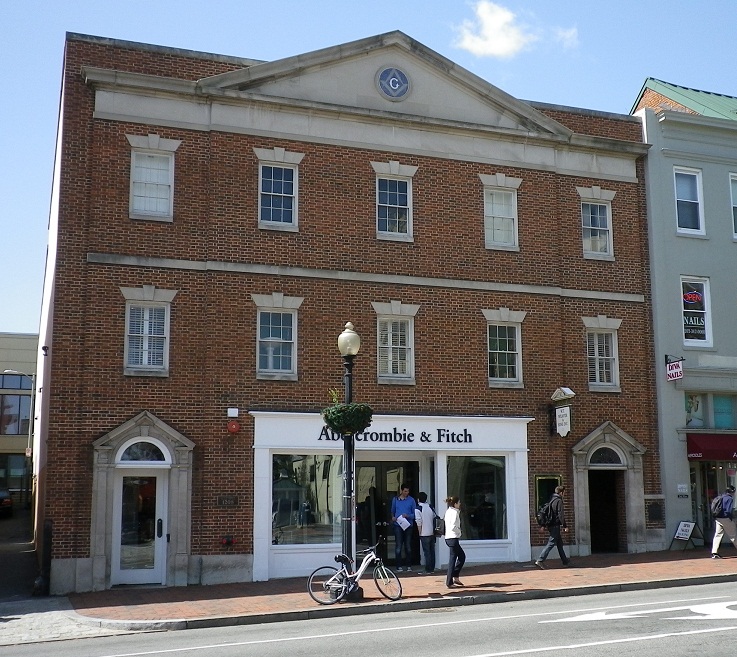
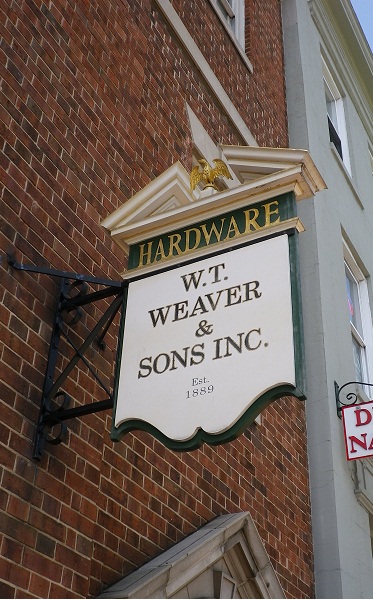
The location of the Matthew and Knowles store was located at 49 High Street in Georgetown.  Today the building still stands at 1202 Wisconsin Avenue with the W. T. Weaver and Sons Hardware store occupying the same spot:

Building that once housed the Matthew and Knowles shop where Atzerodt pawned his gun.

Current occupant of the Matthew and Knowles store.

After pawning his revolver, Atzerodt then walked a few blocks up High street (now Wisconsin avenue), and visited in the home of Lucinda Metz.  Lucinda Metz was a 44 year old widow with four children who had known George from his time in Montgomery County.  Known as Andrew Atwood to her, he visited with the widow and had breakfast with her before heading for the stage coach to take him to his cousin Hartman Richter’s.  Mrs. Metz’ house still stands today near the corner of Wisconsin and P streets:

Lucinda Metz' house.

References:
The Escape and Capture of George A. Atzerodt
Jim Garrett, my generous tour guide to these and many other Georgetown sites

Categories: Uncategorized | Tags: , | 6 Comments

Booth: A Favor-able Man

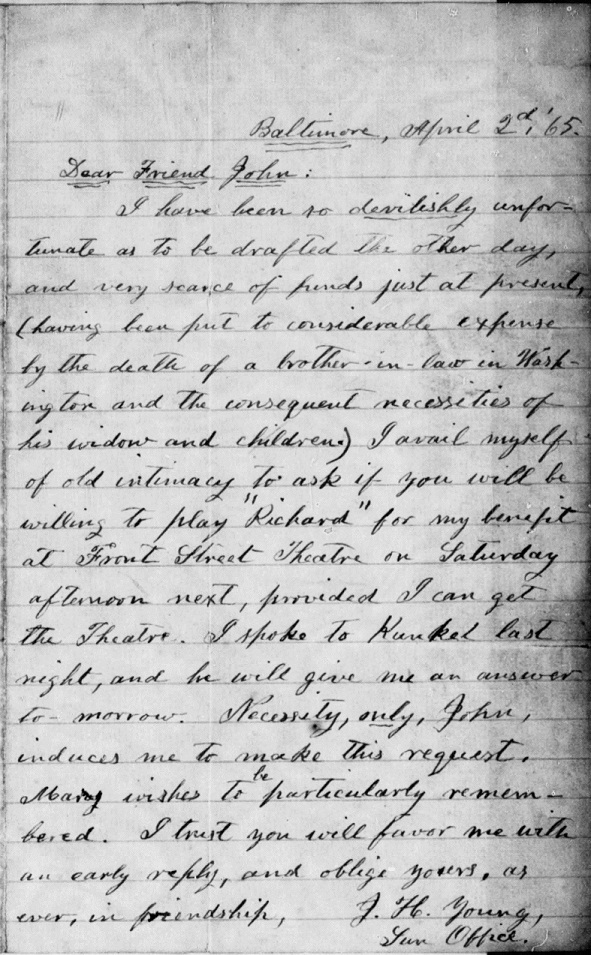
During the course of the investigation, Booth’s room at the National was searched.  In the room, the investigators discovered a treasure trove of materials in Booth’s theatrical trunk.  Several of the documents in Booth’s trunk were used in the investigation and even in the trial.  The “Sam” letter written by Samuel Arnold was one such important discovery.   Some other papers were unrelated to Booth’s plot.  The following is a letter written by an actor, J.H. Young, asking Booth for a favor, twelve days prior to his assassination of Lincoln:

“Baltimore, April 2nd, ’65

Dear Friend John:

I have been so devilishly unfortunate as to be drafted the other day, and very scarce of funds just at present, (having been put to considerable expense by the death of a brother-in-law in Washington and the consequent necessities of his widow and children.)  I avail myself of old intimacy to ask if you will be willing to play “Richard” for my benefit at Front Street Theatre on Saturday afternoon next, provided I can get the Theatre.  I spoke to Kunkel last night, and he will give me an answer tomorrow.  Necessity, only, John, induces me to make this request.  Mary wishes to be particularly remembered.  I trust you will favor me with an early reply, and oblige yours, as ever, in friendship.

J. H. Young,

Sun Office.”

It is unlikely that Young went to war, seeing as Richmond fell and Lee surrendered to Grant shortly after this letter was written.

While Booth did not perform a benefit for Young, this letter still presents a look at how well Booth was viewed by his acting peers.  Young clearly thought Booth was a talented and popular enough actor to bring in a crowd, thus gaining him significant funds.   In addition, Booth had a reputation for generosity which made him a likely candidate to help out a fellow thespian.  Had his mind not been on other pursuits, it is probable that he would have come out of “retirement” to help Mr. Young.

References:
American Brutus by Michael Kauffman

Categories: Uncategorized | Tags: | 10 Comments

Blog at WordPress.com.