
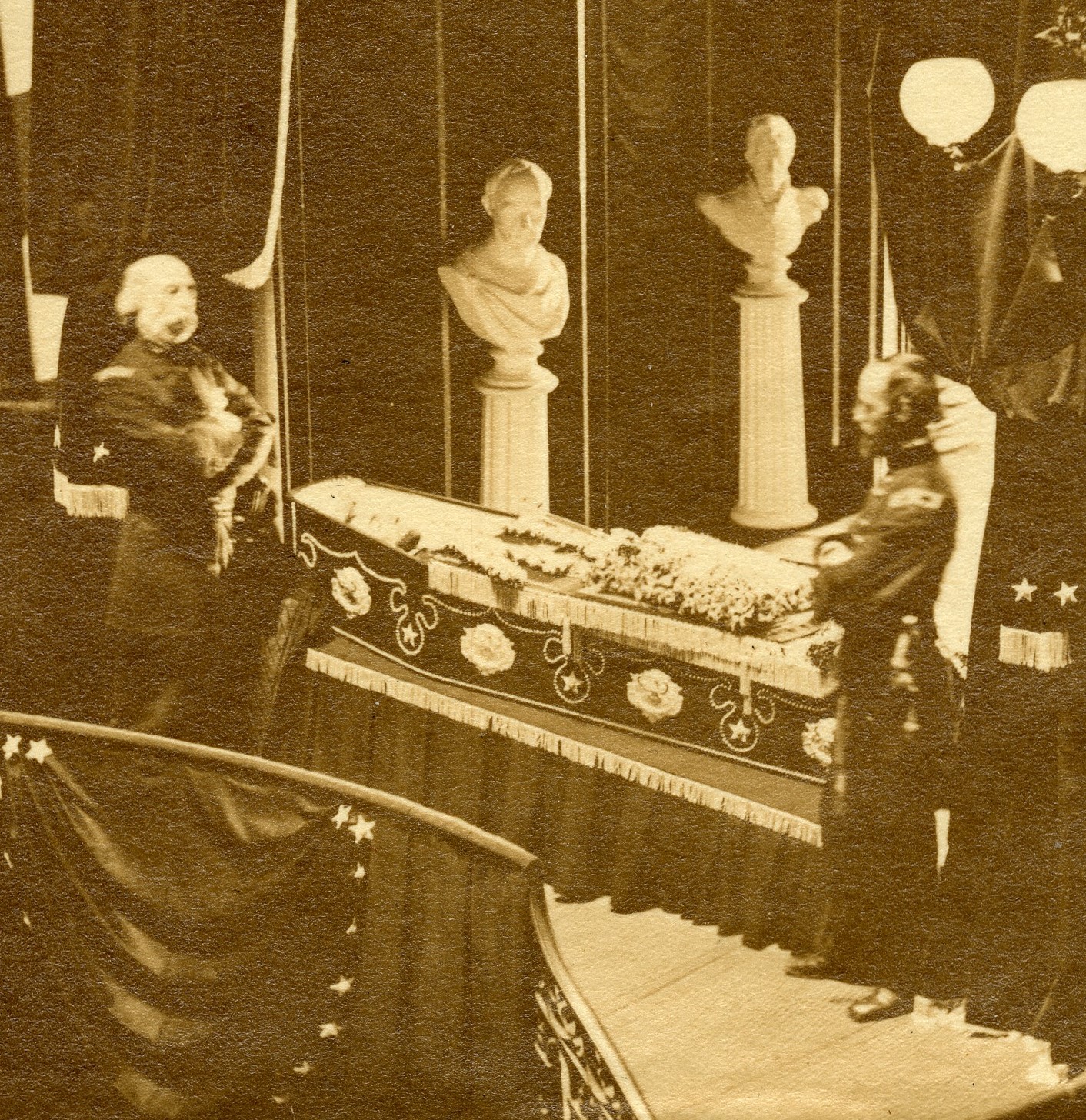
Today is the 160th anniversary of the assassination of Abraham Lincoln. It is a day where we reflect on the legacy of Abraham Lincoln and the effect his untimely death had on the course of our nation. Though occurring over a century and a half ago, we still feel the ramifications of his loss during such a crucial moment in our national identity. We entered a dark age under the administration of Andrew Johnson, who painstakingly fought against and dismantled protections for Black Americans and other marginalized groups. We now endure yet another dark age under the current administration, which strives to whitewash our country’s history into fables of “American exceptionalism” while once again attacking efforts of justice and equity toward marginalized groups like immigrants and transgender people.
On this anniversary, I want to share with you all my ongoing book project. For a long time, I did not feel there was any need to write a book of my own. The definitive books on the Lincoln assassination story had all already been written. While I enjoyed pulling out and highlighting various side stories here on this blog, no unified book idea was ever forthcoming.
That changed in the past year. I reexamined the tapestry that is the Lincoln assassination story and found a thread that I wanted to follow. As I explored this thread, I found that it branched out in numerous paths throughout the entire piece. It was an integral part of the weaving, interconnected with the whole in countless, inumerable ways. If one were to remove this thread and its many outshoots, the entire tapestry would fall apart. That unifying thread in the story of Abraham Lincoln’s assassination was the presence and voices of Black Americans.
“We colored people believe Mr. Lincoln to be the best friend that we had. I would go to the point of my life to find out the murderers.”
This quote comes from a man named John Miles. He, along with another Black stagehand named Joe Simms, worked up in the fly loft of Ford’s Theatre. Their duties were to raise and lower the curtain and stage borders during each night’s performance. They witnessed the assassination of Lincoln firsthand, gave multiple statements to the investigating authorities, and even testified at the trial of the Lincoln conspirators. In the majority of books on Lincoln’s assassination, their names are entirely absent or relegated to just a handful of obscure footnotes. They are just two of the Black voices of the past who deserve to be heard.

In recent years, significant progress has been made to bring Black voices back to the forefront when it comes to the life of Abraham Lincoln. In 2018, historian Kate Masur edited a reprint of John Washington’s 1942 book They Knew Lincoln, documenting the stories of Black Americans who encountered and influenced the Lincolns. In 2024, historian Leonne M. Hudson published Black Americans in Mourning: Reactions to the Assassination of Abraham Lincoln, which highlights the unique grief felt and expressed by Black Americans in the aftermath of Lincoln’s death. Even the 2024 AppleTV+ miniseries Manhunt, based on the book by James L. Swanson, reimagined its source material in order to emphasize the lives of Black Americans and their struggles during Reconstruction. While great strides have been made to bring Black voices back into the events before and after Lincoln’s death, their stories continue to be vastly underrepresented in coverage of Lincoln’s assassination and the escape of the assassin.
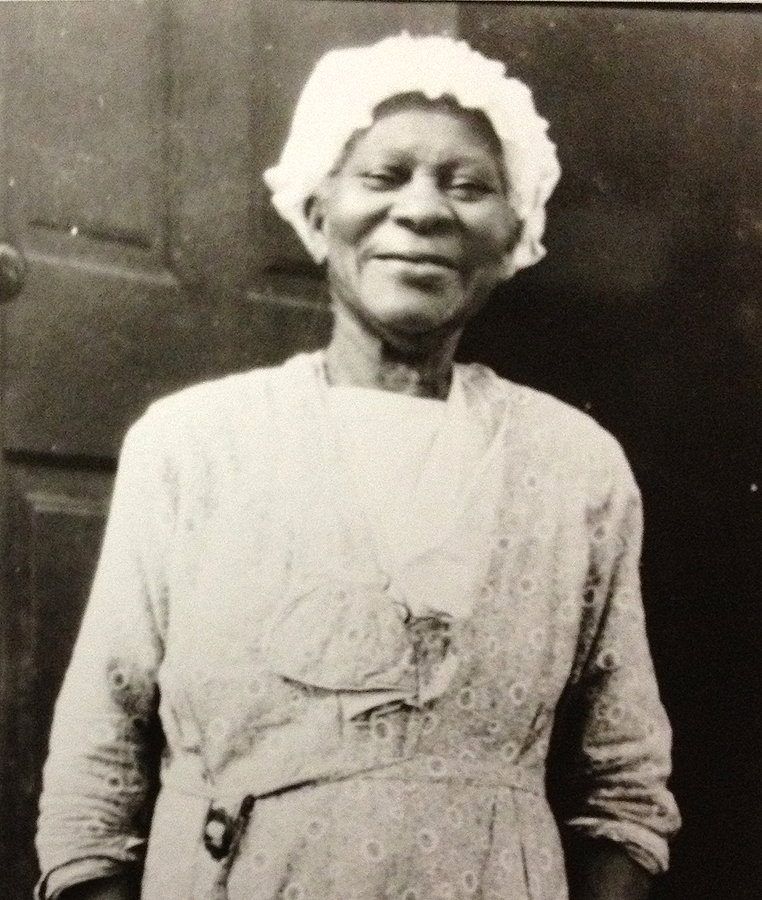
Mary Swann
The purpose of my book project is to restore the voices of Black women and men to the narrative of the Lincoln assassination story. These are the forgotten lives of Black people who experienced and impacted one of the most dramatic events in our nation’s history. From witnessing the shooting of Lincoln, encountering the lead assassin during his escape, and assisting in the arrest and conviction of his conspirators, Black Americans played a crucial role in the meting out of justice. Rather than being condemned to the footnotes, this book hopes to tell the story of Lincoln’s death from the perspective of men and women profoundly and personally impacted by the country’s national tragedy.
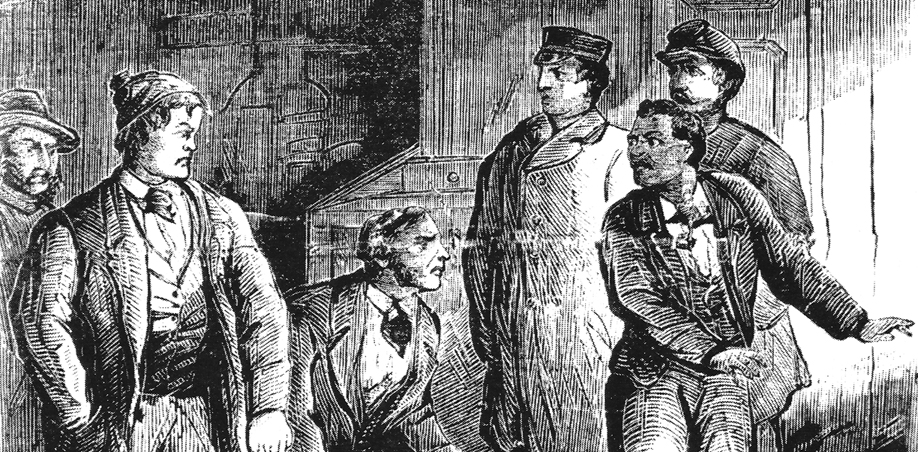
Identification of Lewis Powell by William Bell
In 2013, theater historian Thomas A. Bogar published a book about the actors and stagehands present at Ford’s Theatre on the night of April 14, 1865. The final work bears the title Backstage at the Lincoln Assassination, a suggestion by his publisher. During the writing process, however, Bogar had a different name in mind. He wanted to call the book Walking Shadows, a reference to the famous line in Macbeth, which goes: “Life’s but a walking shadow, a poor player that struts and frets his hour upon the stage and then is heard no more.” It was an appropriate descriptor for the employees of Ford’s Theatre, who would otherwise have faded into anonymity if not for their association with that tragic night.
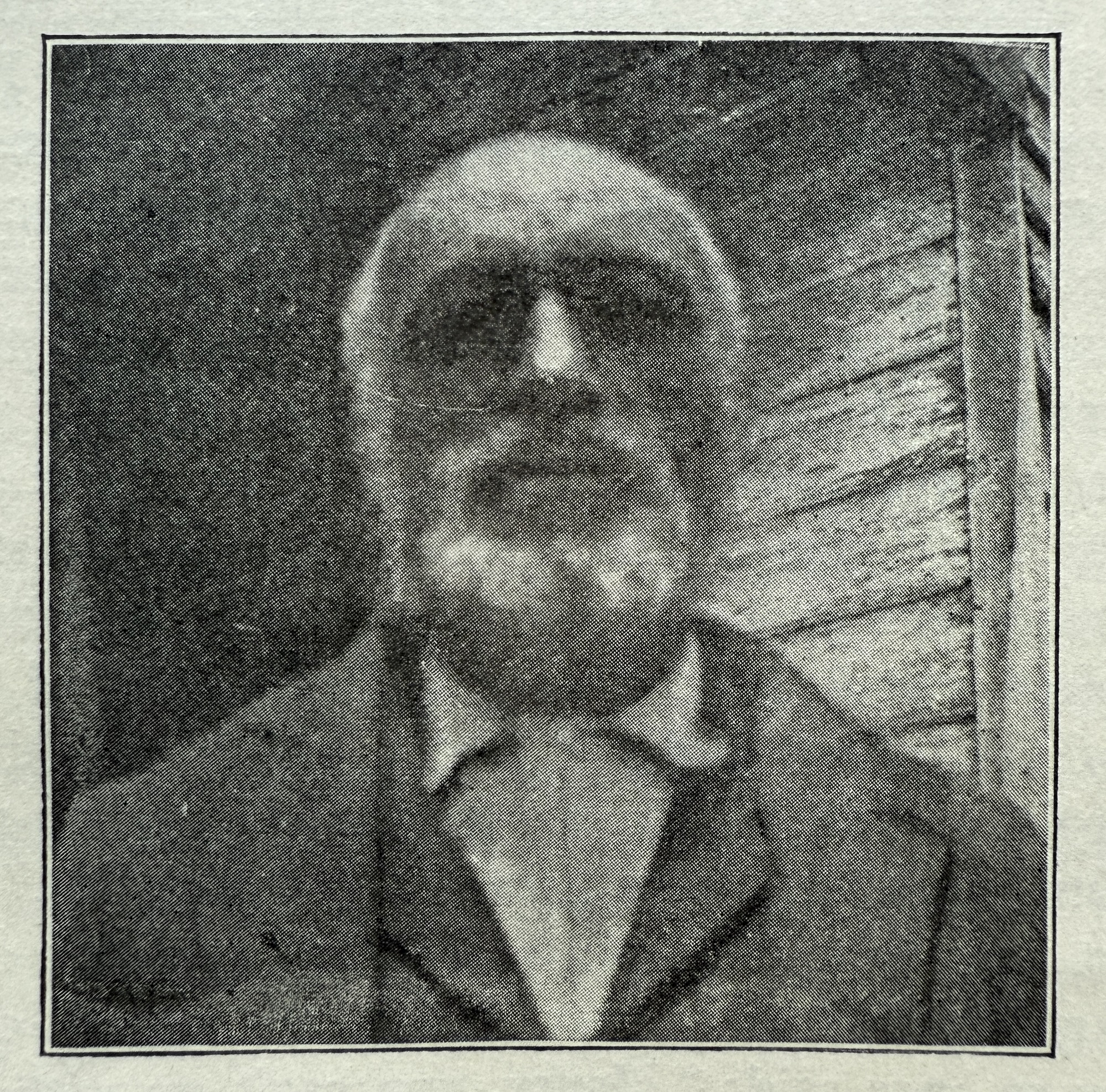
Henry Woodland
The same “walking shadow” metaphor is also painfully appropriate for the lives of the Black women and men who found themselves thrust into the drama of Lincoln’s assassination. These people had already been considered little more than walking shadows by the white supremacist environment that governed their lives. Largely barred from educational opportunities due to their race and economic status, they found employment as laborers, laundresses, servants, or farmhands. Black Americans toiled to support themselves and their families, and many were forced to live transient lives to make ends meet.

To study the Black experience in America, especially during the time around the Civil War, is a study in sad frustration. There is an immense scarcity of records surrounding Black Americans indicative of the country’s institutionalized racism during this period and beyond. For most of the figures in my book project, very little biographical information is known. What we know of them and their stories is primarily derived from limited statements and testimonies they gave about their experiences. Despite the best efforts and intentions to tell their stories as accurately as possible, our view of these men and women will always remain tragically incomplete.
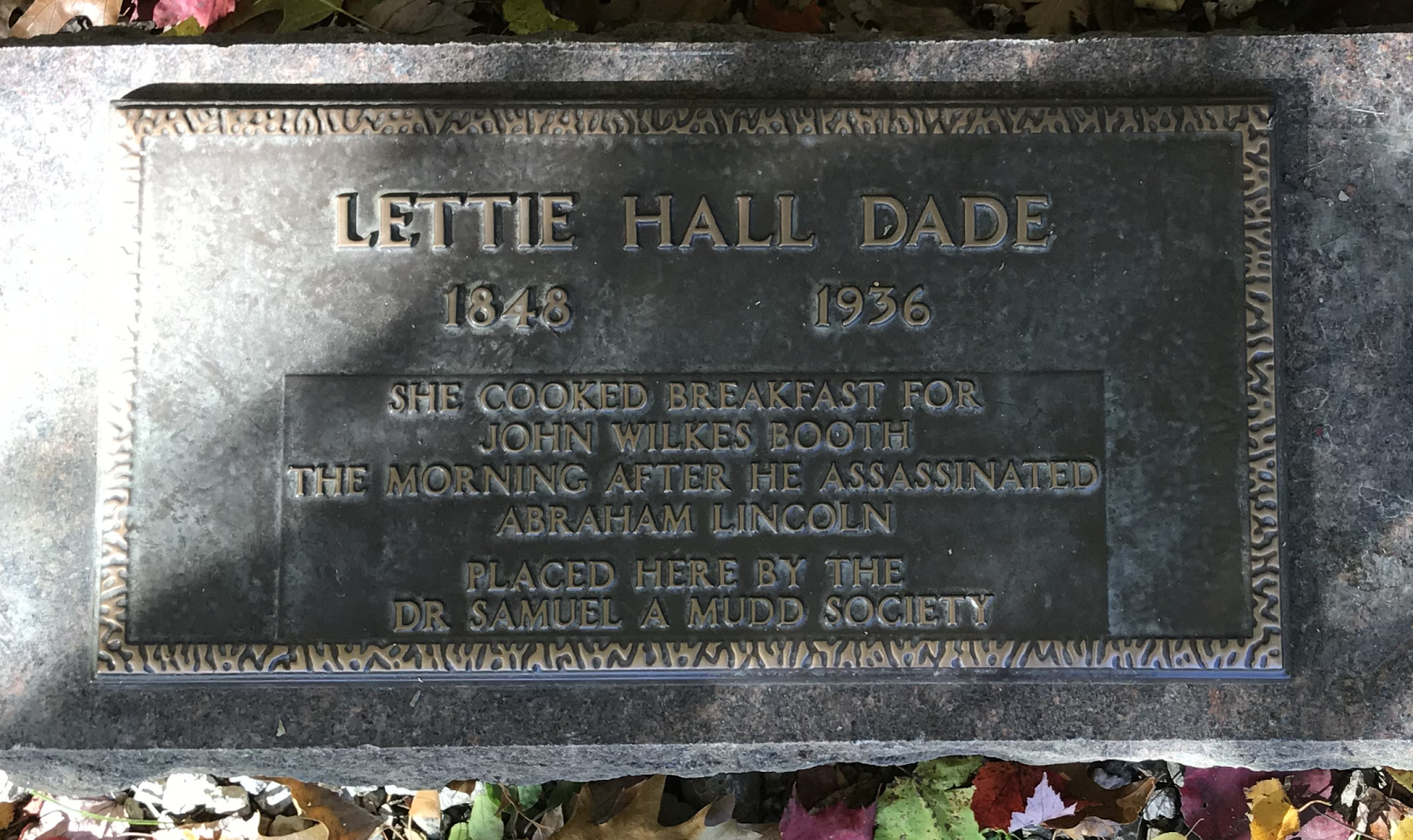
However, the scarcity of records and the incomplete picture they give about the people they discuss should not stop us from attempting to restore their voices to the historical narrative. Even those whose names are not known and were merely referred to as “negro” or “boy” by the investigating authorities deserve to have their contributions and personhood restored to them. The prejudice and institutional racism of the past attempted to purposely write Black voices out of the history of Lincoln’s assassination. My hope is that this book project will restore them to their rightful place.

No historical record on any subject will ever be considered complete. Doing history is the act of searching, discovering, evaluating, and then reevaluating. I hope to help the reader reevaluate the story they thought they knew through the eyes of those who have been largely hidden away for 160 years. The goal is to not only provide a much-needed perspective on the story of Lincoln’s assassination but to engage in a small act of historical justice for the men and women whose voices have been silenced for too long.

This is the unfinished work that I am dedicating myself to on the anniversary of Lincoln’s assassination. Any American history devoid of the indivisible threads of Black History, Women’s History, Native American History, LGTBQ+ History, and countless others is not true history at all. We must be honest about the oppression built into our past and our present. Only when we actively acknowledge and address our greatest moral failures and tragedies can we hope to grow from them.



 LincolnConspirators.com
Recent Comments